




In detail
Discover Kenya.
Geography and landscape
Kenya straddles the equator on Africa’s eastern coast, its landscape shaped by the Great Rift Valley, which runs the length of the country from north to south. West of the Rift lie the open savanna plains most associated with a classic Kenyan safari, including the Maasai Mara; to the east, the land descends toward the Indian Ocean and roughly 500 kilometres of coastline.
In the centre, Mount Kenya rises to just over 5,199 metres, Africa’s second-highest peak after Kilimanjaro, its lower slopes forming a fertile agricultural belt distinct from the drier savanna further south and the arid, sparsely populated landscapes of Kenya’s north.
National parks and protected areas
Kenya protects its wildlife across more than sixty national parks and reserves, an unusually extensive network for a single country.
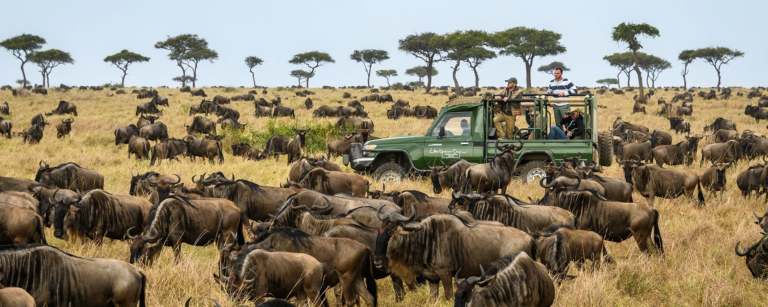
1.The Maasai Mara National Reserve, an extension of Tanzania’s Serengeti ecosystem across the border, is Kenya’s best-known safari destination and the northern stage of the annual wildebeest migration.
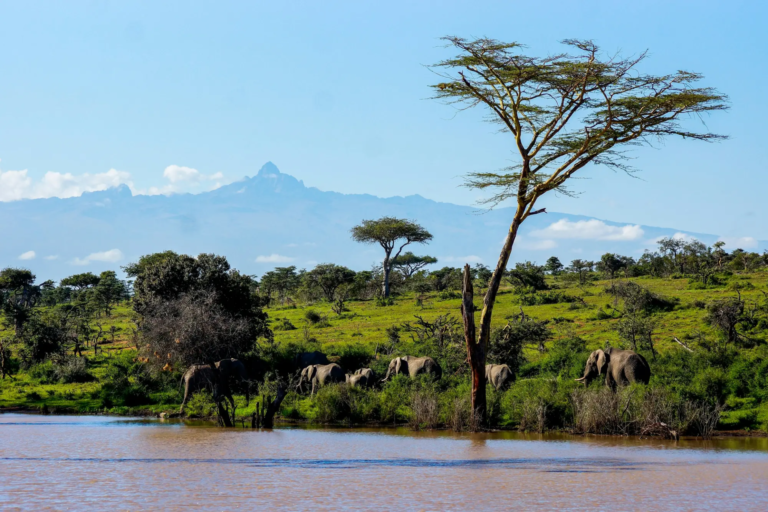
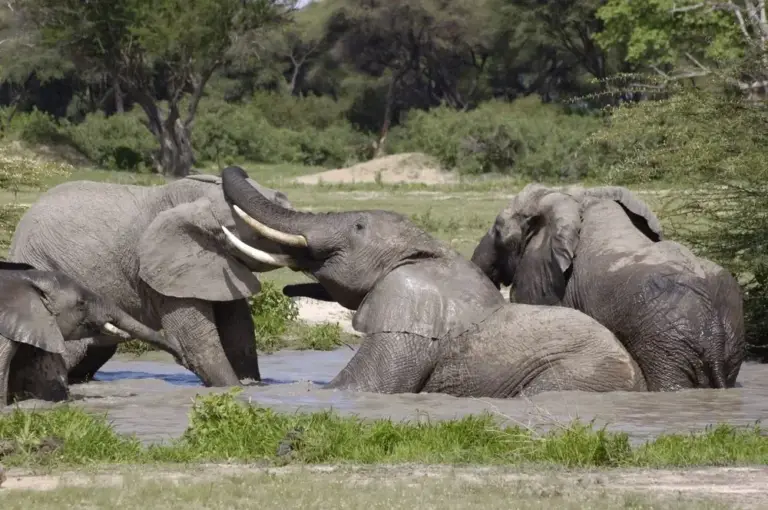
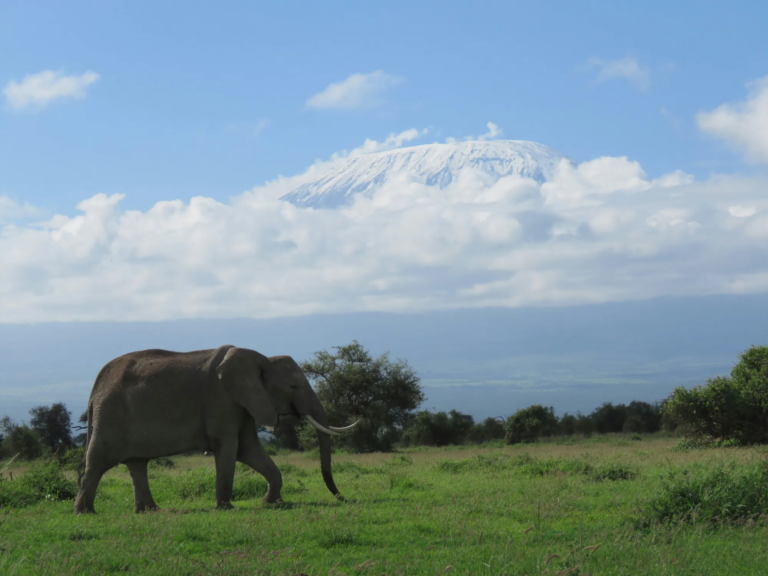
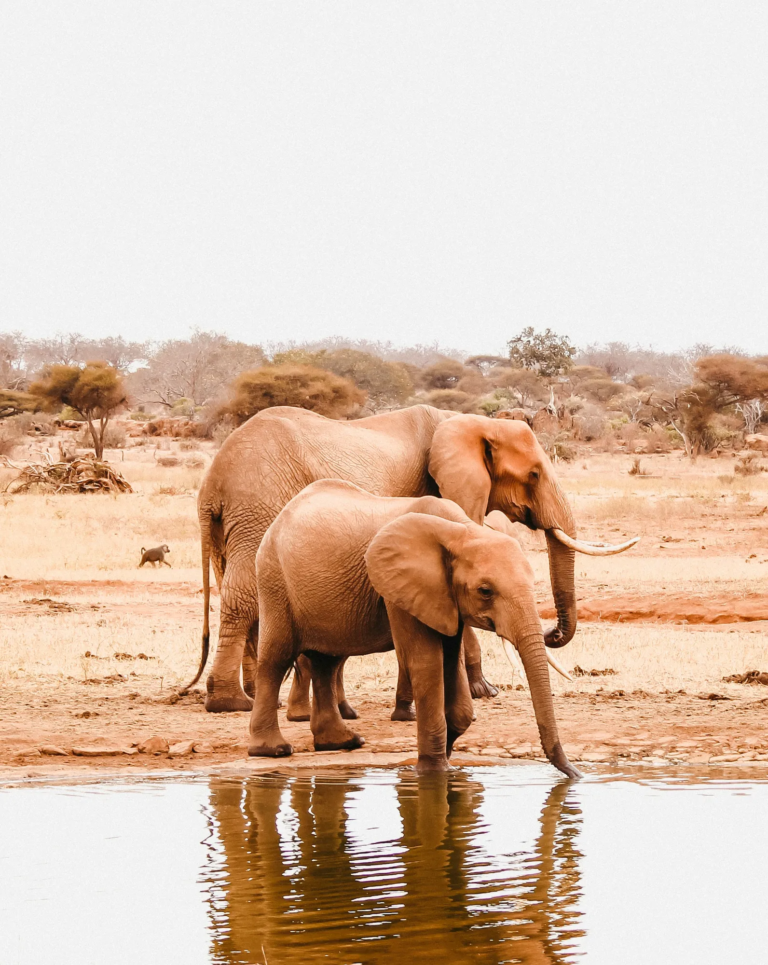
2. Amboseli National Park, in the country’s south, is known for its large elephant herds set against views of Mount Kilimanjaro just across the border in Tanzania.
3. Tsavo East and West together form one of the largest protected areas in the world.
4. Lake Nakuru and Lake Naivasha protect Rift Valley lake ecosystems known for birdlife.
5. Samburu and the northern reserves hold species adapted to Kenya’s drier landscapes, distinct from those further south.
Wildlife
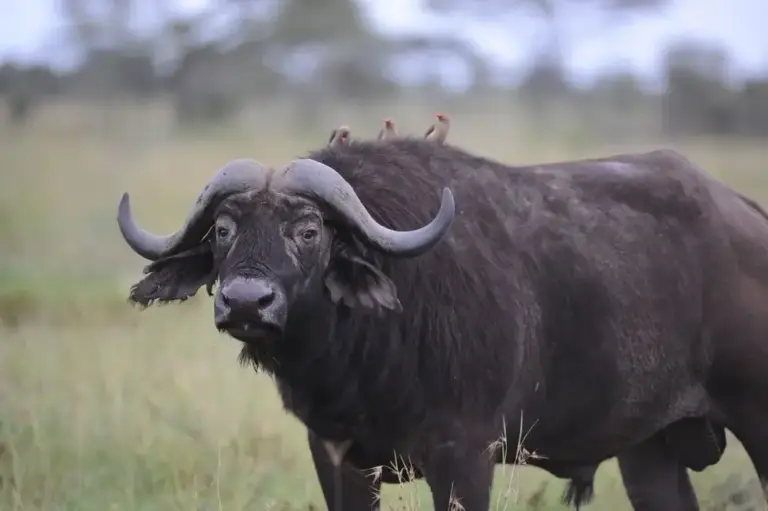
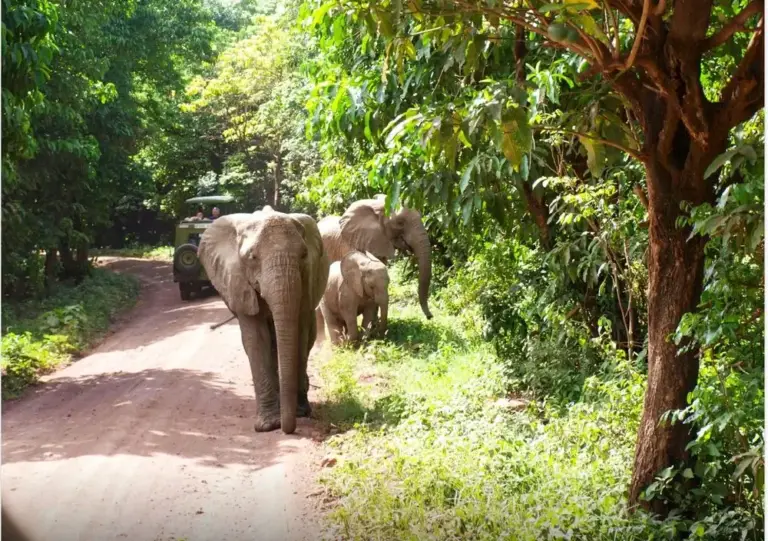
Kenya offers some of the most reliable Big Five wildlife viewing in Africa, with strong resident populations across its major parks regardless of season. The Maasai Mara in particular holds year-round populations of lions, leopards and elephants. Some of the continent’s healthiest cheetah populations are visible on its open plains.
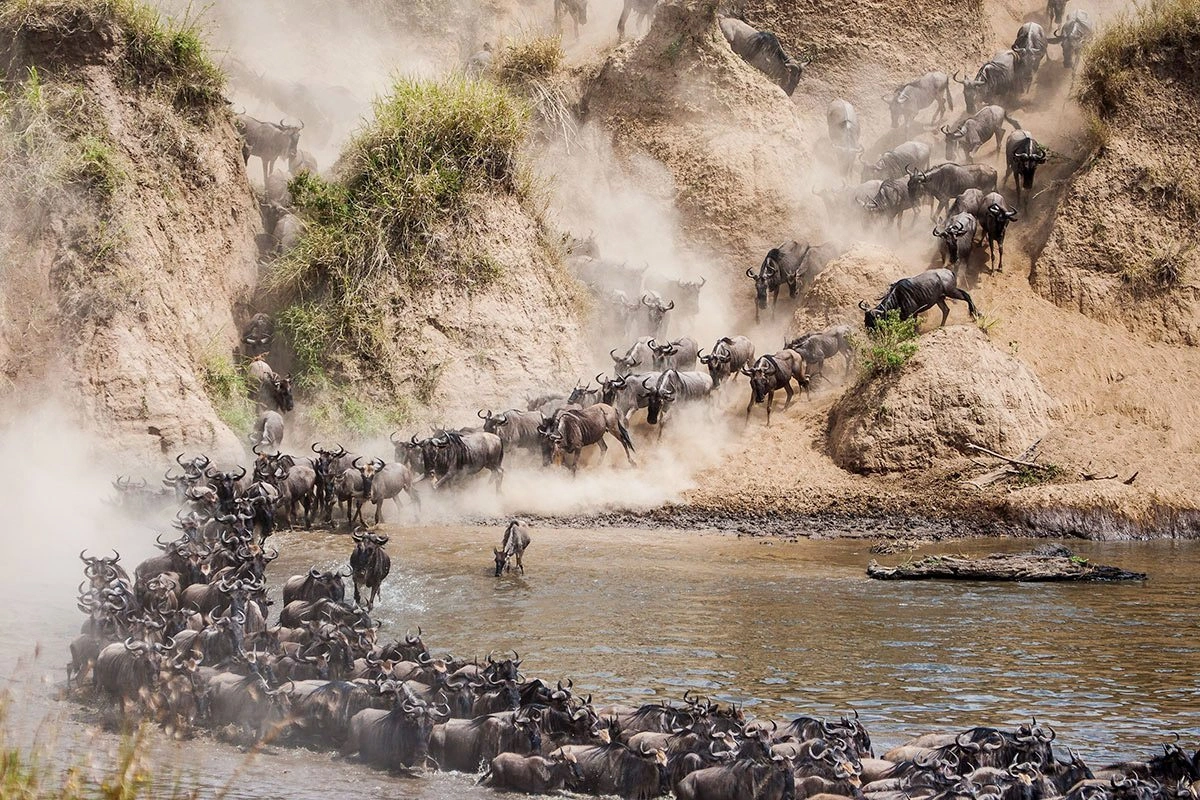
From roughly July to October, the arrival of the wildebeest migration from Tanzania’s Serengeti, including its dramatic Mara River crossings.
Amboseli is known specifically for large, easily observed elephant herds while the northern reserves hold species found nowhere else in Kenya’s south, including Grevy’s zebra and reticulated giraffe.
The Great Migration in detail
The wildebeest migration is a continuous, year-round movement across the wider Serengeti-Mara ecosystem rather than a single event. The stretch most travelers plan around is the herds’ time on the Kenyan side, roughly July to October, when over a million wildebeest cross from Tanzania’s Serengeti into the Maasai Mara in search of fresh grazing.
The Mara River crossings: herds gathering on one bank, hesitating, then surging across water that often holds large crocodiles. The experience is the single image most associated with the migration.
NOTE: When and where a crossing happens on any given day is never fully predictable. This depends entirely on the herds’ own movements and the river conditions at the time.
Outside top months, the Mara still holds strong resident wildlife populations year-round, migration or not.
Beyond the Mara: Amboseli, the coast and the north
Amboseli’s defining image is its elephant herds photographed against Mount Kilimanjaro rising across the border in Tanzania. This combination makes it one of the most photographed parks in Africa on a clear morning.
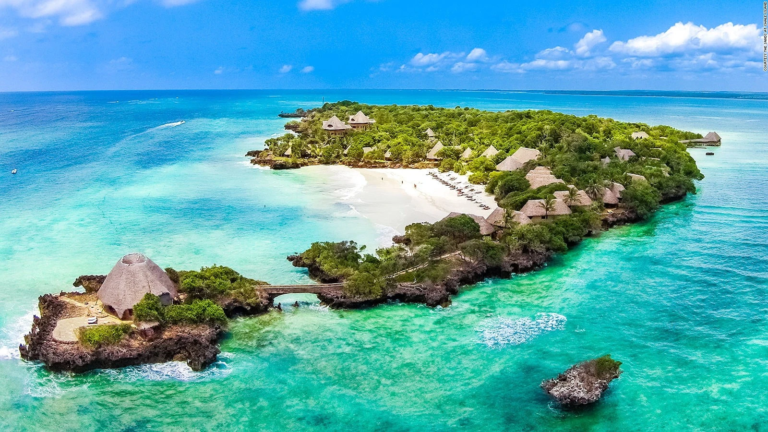
Kenya’s Indian Ocean coast, around Mombasa, Diani and the historic island town of Lamu, gives a wildlife-focused itinerary a natural second half built around beaches and Swahili coastal culture rather than more game drives.
In the country’s arid north, Samburu and the surrounding reserves hold species not typically found in the southern parks like the Grevy’s zebra, reticulated giraffe and gerenuk among them. For travelers who have already done a classic safari and want a genuinely different landscape and wildlife list on a return safari.
Culture and people
Kenya is home to more than forty ethnic communities, each with distinct language and tradition. The Maasai, whose land borders and overlaps parts of the Mara ecosystem. These are the communities most visitors encounter directly with, thoughtfully arranged community visits. This is a meaningful way to combine cultural exchange with a wildlife-focused itinerary.
Kenya’s coast carries its own distinct Swahili cultural heritage, shaped by centuries of Indian Ocean trade, visible in the architecture, cuisine and language of towns like Lamu and Mombasa’s Old Town.
Best time to visit
Kenya’s wildlife can be visited year-round, but travelers hoping specifically for the Mara River crossings should plan a visit from roughly July to October. The shorter and longer rains (roughly March–May and October–December) bring lush scenery, migratory birds and fewer other travelers. Months like January to February offer good general game viewing with drier conditions.
Getting there
Most international travelers arrive at Jomo Kenyatta International Airport in Nairobi.
The Maasai Mara and other major parks are reached by road or, more commonly for time-limited itineraries, by short scheduled flight from Nairobi’s Wilson Airport. Several parks also connect to Kenya’s Indian Ocean coast by air for a wildlife-then-beach itinerary.
Practical travel tips
- The Kenyan shilling is the local currency; US dollars are widely accepted for tourism payments including park fees, generally expected in good condition.
- English and Swahili are both official languages. English is a wide everyday use so language barrier is rare for travelers.
- Domestic flights connect Nairobi with the Maasai Mara and other major parks plus the coast, making a combined safari-and-beach itinerary straightforward to arrange without long road transfers.
- Mornings and evenings on the Mara plains can be cool even though daytime temperatures are warm, so pack layers for early game drives.