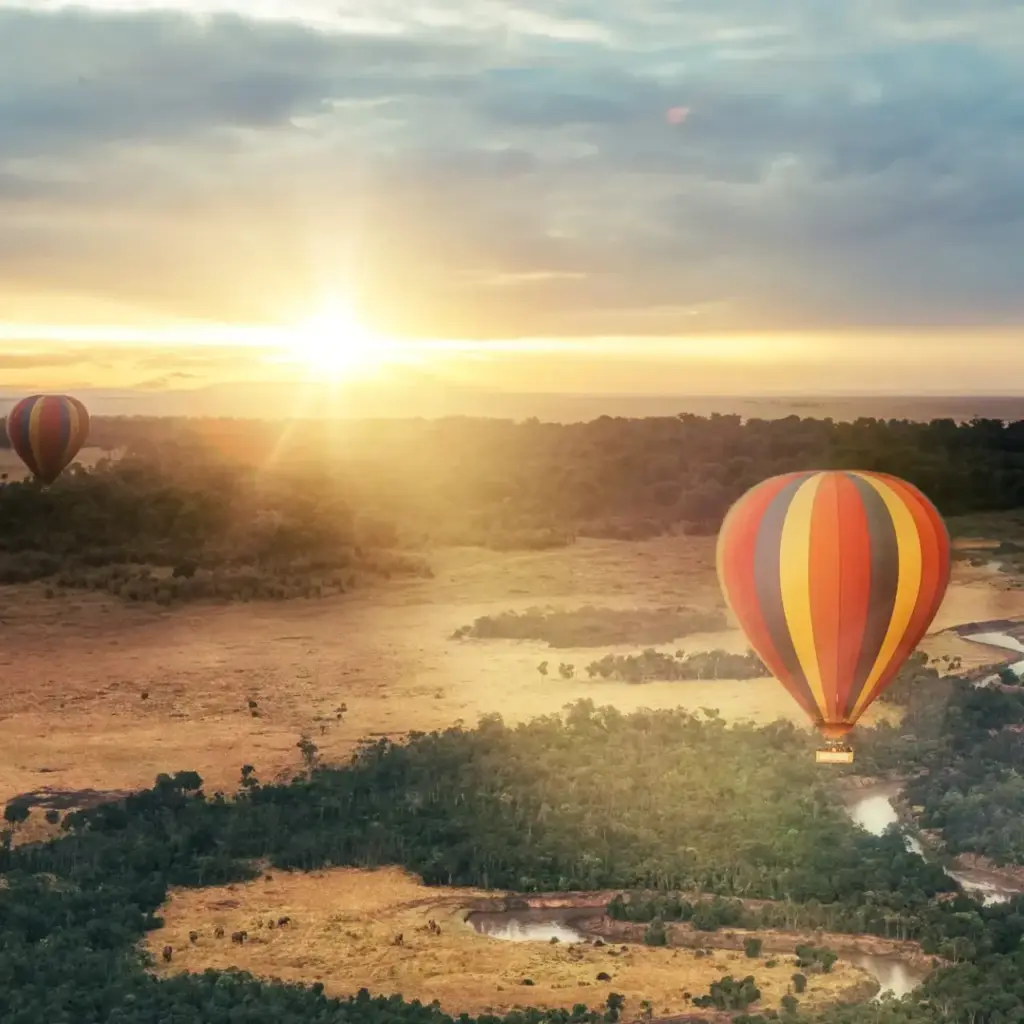
Primate safaris centre on tracking and observing great apes and monkeys in their natural forest habitat, most notably mountain gorillas and chimpanzees. They are unlike a savannah safari in almost every way. The scenery is misty forest and volcanic slope rather than open plain, the walking is on foot rather than from a vehicle, and the encounters are quiet, close and personal. For many travellers a single hour with a gorilla family becomes the moment they remember longest.
The primates you can see
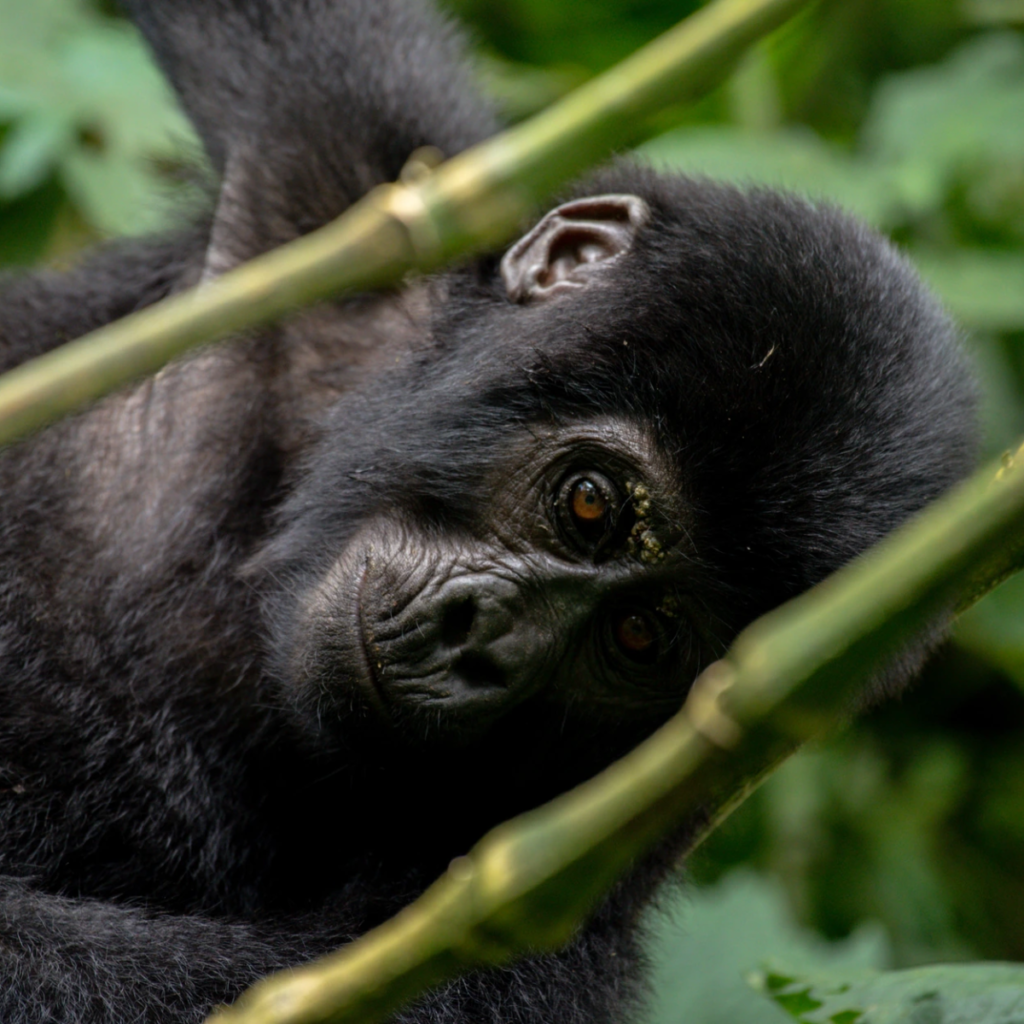
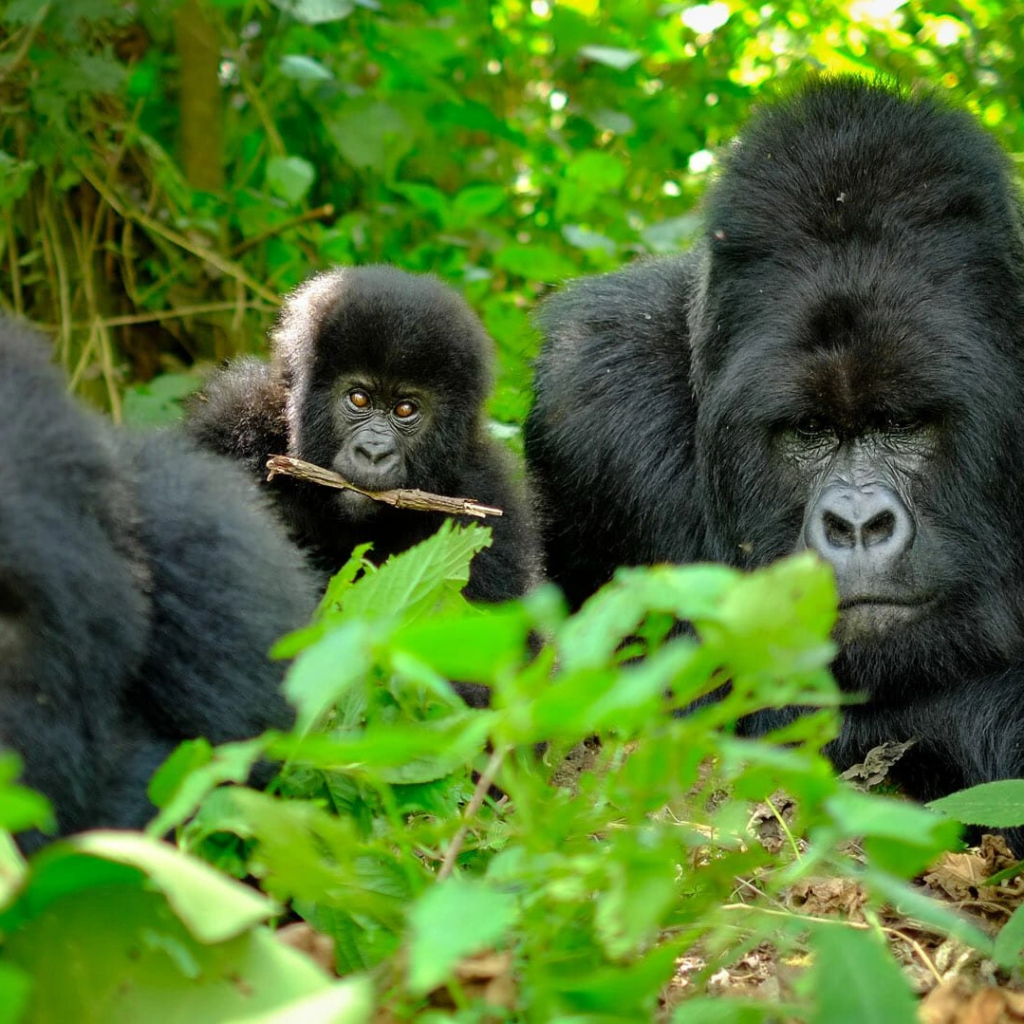
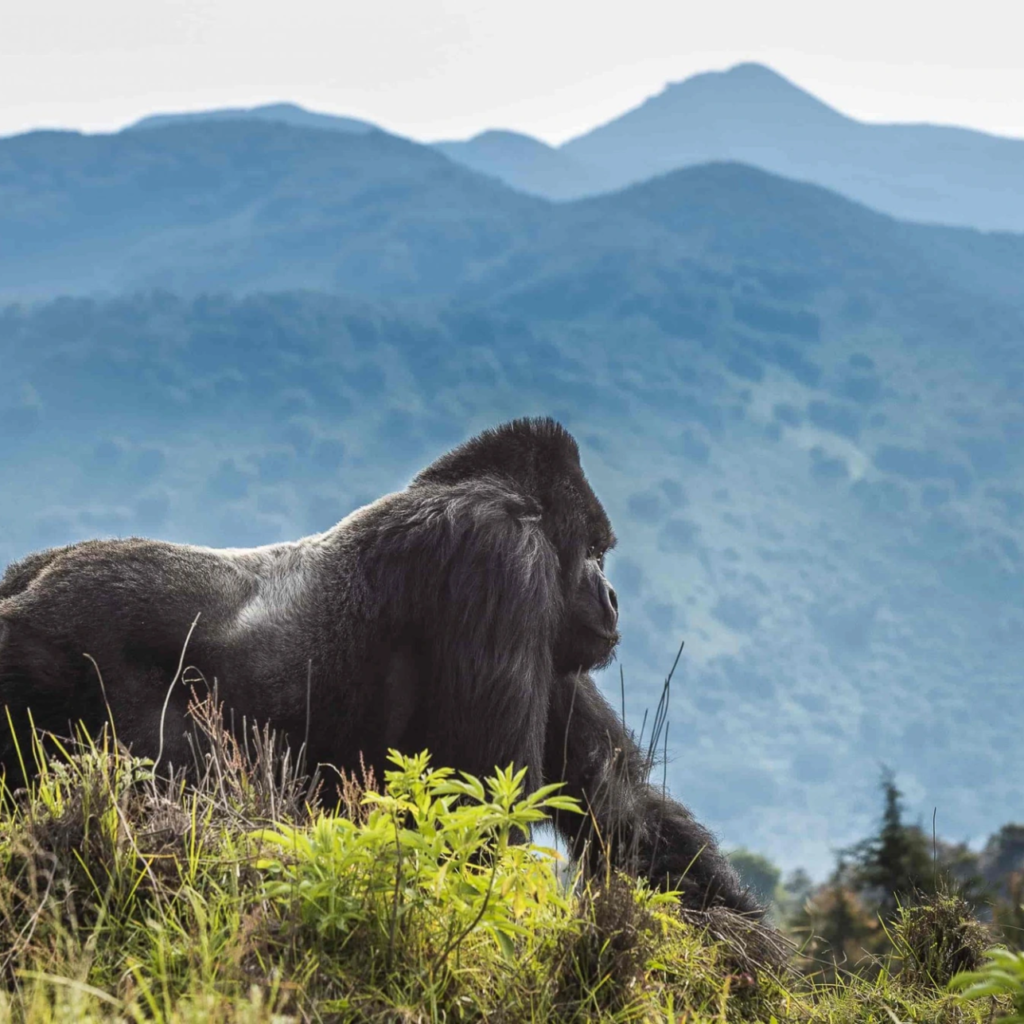
- Mountain gorillas in Bwindi Impenetrable National Park and Mgahinga Gorilla National Park in Uganda, and in Volcanoes National Park in Rwanda.
- Chimpanzees in Kibale, Budongo and Kyambura Gorge in Uganda, in Nyungwe Forest in Rwanda, and in Gombe Stream and Mahale Mountains in Tanzania.
- Golden monkeys, a lively and photogenic species, in the bamboo forests of Volcanoes National Park and Mgahinga.
- Other monkeys, such as red colobus, black-and-white colobus and blue monkeys, in almost every forest you visit.
Uganda, Rwanda or both
Uganda offers the widest choice: several gorilla sectors in Bwindi, gorillas at Mgahinga, the best chimpanzee tracking in Kibale and a range of extras, from savannah wildlife to Lake Bunyonyi. Rwanda offers the shortest transfer from an airport to a gorilla family, with Volcanoes National Park about two hours from Kigali, plus Nyungwe’s chimpanzees and canopy walk. The border at Cyanika links the two, so a combined safari is popular and works well over a week.
Permits come first
Every primate encounter depends on permits, which are limited each day and issued by the Uganda Wildlife Authority and the Rwanda Development Board. Fees differ between countries and change from time to time, so we quote current prices in writing. Because the most popular sectors sell out many months ahead, especially from June to September and December to February, we recommend arranging permits before you book flights.
Rules that protect the animals
Great apes are vulnerable to human illnesses, so the rules are strict. Groups are small, you keep a set distance, and you may be asked to stay behind if you have a cold or another infection. The minimum age is generally 15 for gorillas and around 12 for chimpanzee tracking. Flash photography is not allowed, and you are asked to wear a mask near the animals. These rules are part of how the primates are kept safe.
Fitness and terrain
Primate trekking is done on foot through steep, uneven forest, and it can be muddy in any season. Treks vary from under two hours to most of a day. You do not need to be an athlete, but you should be comfortable walking for several hours. Porters are available at every gorilla destination, and hiring one helps local families and makes the walk much easier. If you have concerns, tell us early and we will discuss options.
How long to allow
A focused gorilla safari can work in four to five days, particularly in Rwanda. A week to ten days lets you combine gorillas with chimpanzee tracking and a game park, which gives a better sense of the whole country. Longer safaris add lakes, walking and cultural visits. We suggest leaving a buffer day around your permit date in case of delays.
Best time to go
Primates can be seen all year. The drier months make the trails easier, while the wetter months bring lush forest, fewer visitors and easier permits, though paths can be very slippery. Chimpanzees are found in Kibale in every season, and gorilla families are tracked daily whatever the weather.
Who it suits
Primate safaris suit travellers who enjoy walking outdoors and care about conservation. They work well for couples, friends and older children of eligible age, and they combine easily with wildlife safaris for those who want both forest and savannah.
A day on a gorilla trek
The day begins with a briefing at the park headquarters, where you are assigned to a gorilla family and meet your guide and porter. Trackers who left at dawn radio the family’s position, and you follow, walking for anything from one to several hours. When you find the family, you spend one hour with them, watching from a respectful distance as they feed, groom and play. The walk back is usually easier, and you return to your lodge tired, muddy and delighted.
Chimpanzee tracking and habituation
Chimpanzee tracking is shorter, faster and noisier than gorilla trekking. Chimpanzees move quickly through the canopy, so you follow their calls and often end up looking up rather than across. A habituation experience lets you spend much of a day with a community still becoming used to people, following the researchers and trackers from dawn. It is longer and more demanding, but far more revealing, and it is one of the most immersive wildlife experiences in Africa.
Combining primates with the rest of your safari
Forest days pair well with other landscapes. In Uganda, gorilla trekking in Bwindi flows naturally into Queen Elizabeth National Park for savannah wildlife, and chimpanzee tracking in Kibale fits before or after. In Rwanda, Volcanoes National Park can be joined with Akagera or a stay beside Lake Kivu. For a longer safari, add the Maasai Mara or Serengeti, or finish with beach days in Zanzibar.
Responsible primate tourism
Permit fees fund rangers, trackers and veterinary teams, and a share of park revenue goes to nearby communities. Choosing local guides and lodges keeps money close to the forest. Follow every rule on distance, health and behaviour, and never try to touch or feed the animals. Protecting primates is a partnership, and travellers are part of it.
Planning your primate safari
Tell us your dates, your walking fitness and the size of your group. We will arrange permits, choose lodges close to the trailheads and build the rest of the safari around the forest days.
Available now
Safaris matching this
6-Day Rwanda Primates & Culture Safari
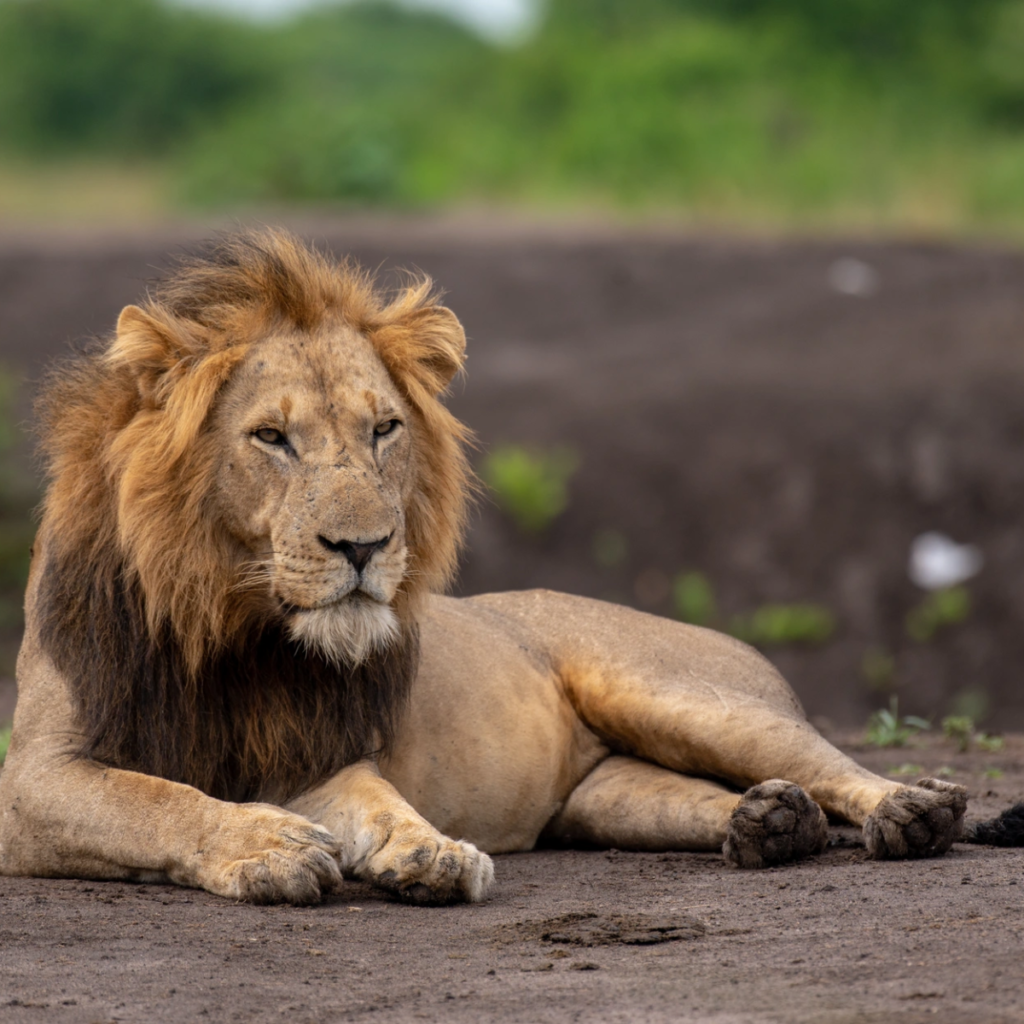
7-Day Uganda Gorillas & Wildlife Safari
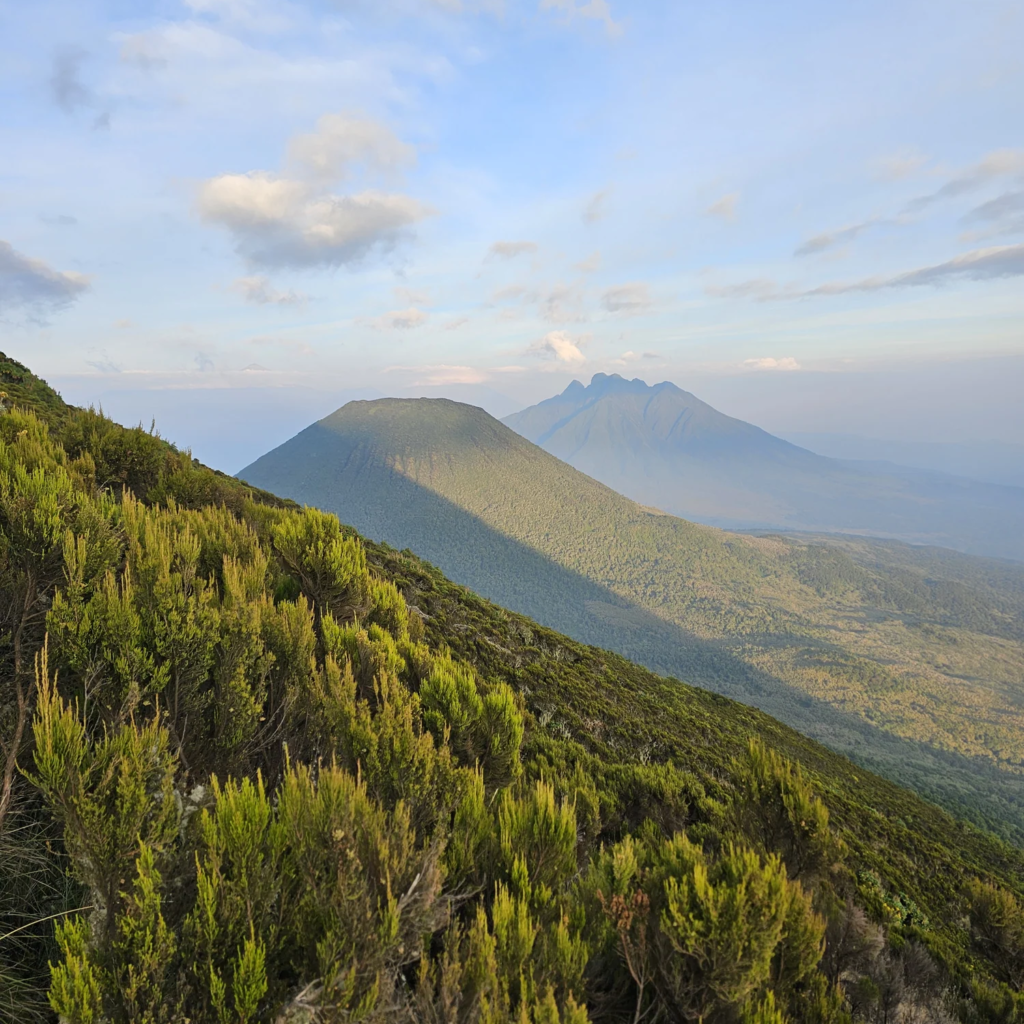 Multi-Country
9 Day Volcanoes to Chimps: Rwanda and Uganda Crossing
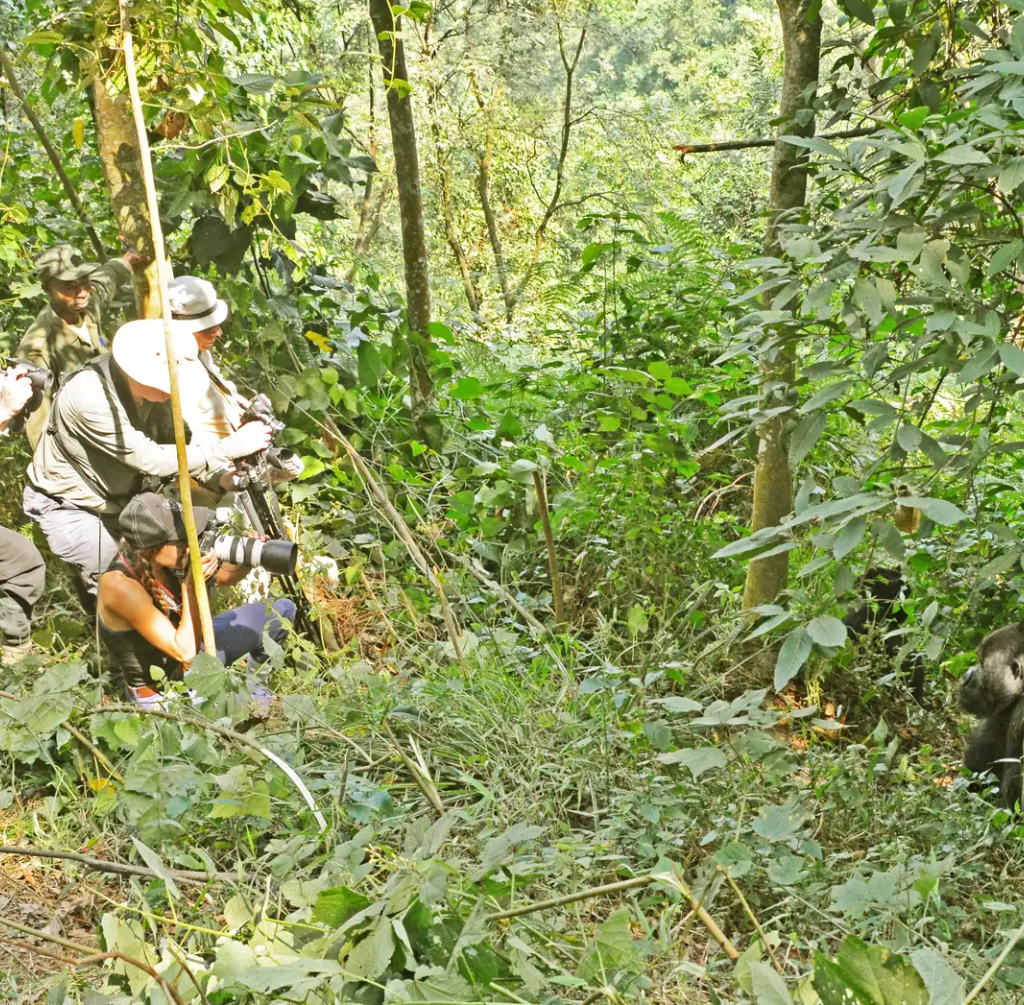 Multi-Country
5 Day Kigali to Bwindi: Gorillas, Golden Monkeys and Batwa
From the Travel Guide
Related reading
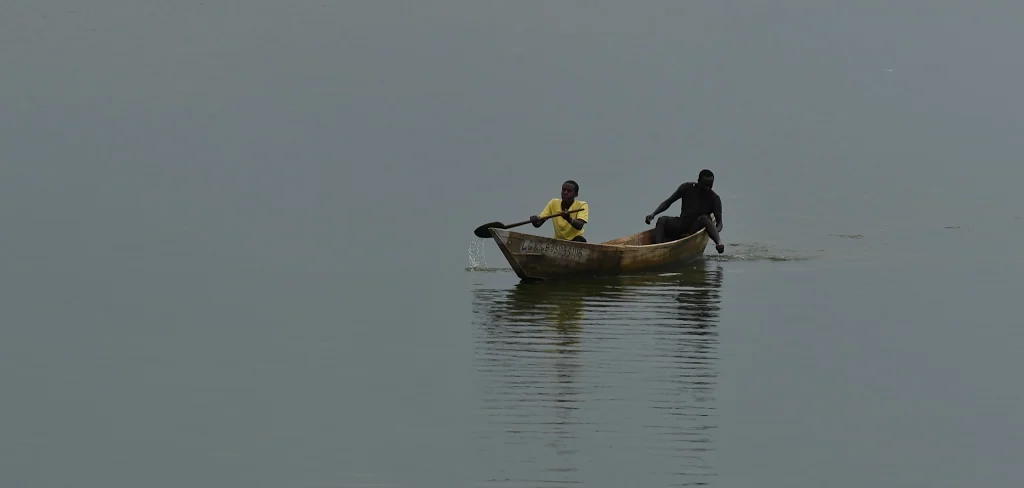
Wellness Safari Uganda: Lake Bunyonyi, Forest and Gorillas
Lake canoes, forest walks and one gorilla trek at a slow pace.
East Africa Gorilla Trekking Honeymoon & Couples
Rwanda Gorilla and Zanzibar Beach Safari: Route Guide
Trek to the gorillas, then rest by the Indian Ocean.
East Africa Gorilla Trekking Multi-Country Safaris
Rwanda, Kenya and Tanzania Gorilla Safari: A 14 Day Plan
Gorillas in Rwanda, then the Mara and the Serengeti.