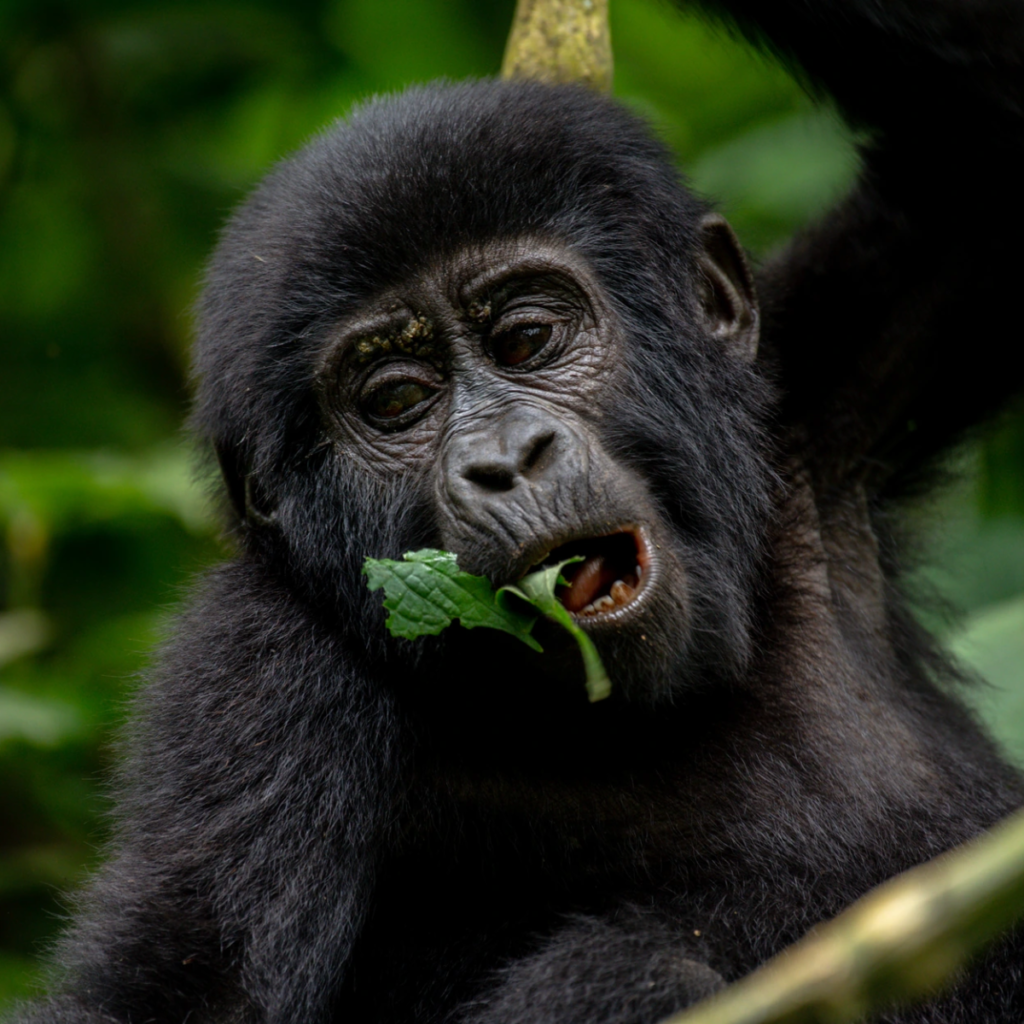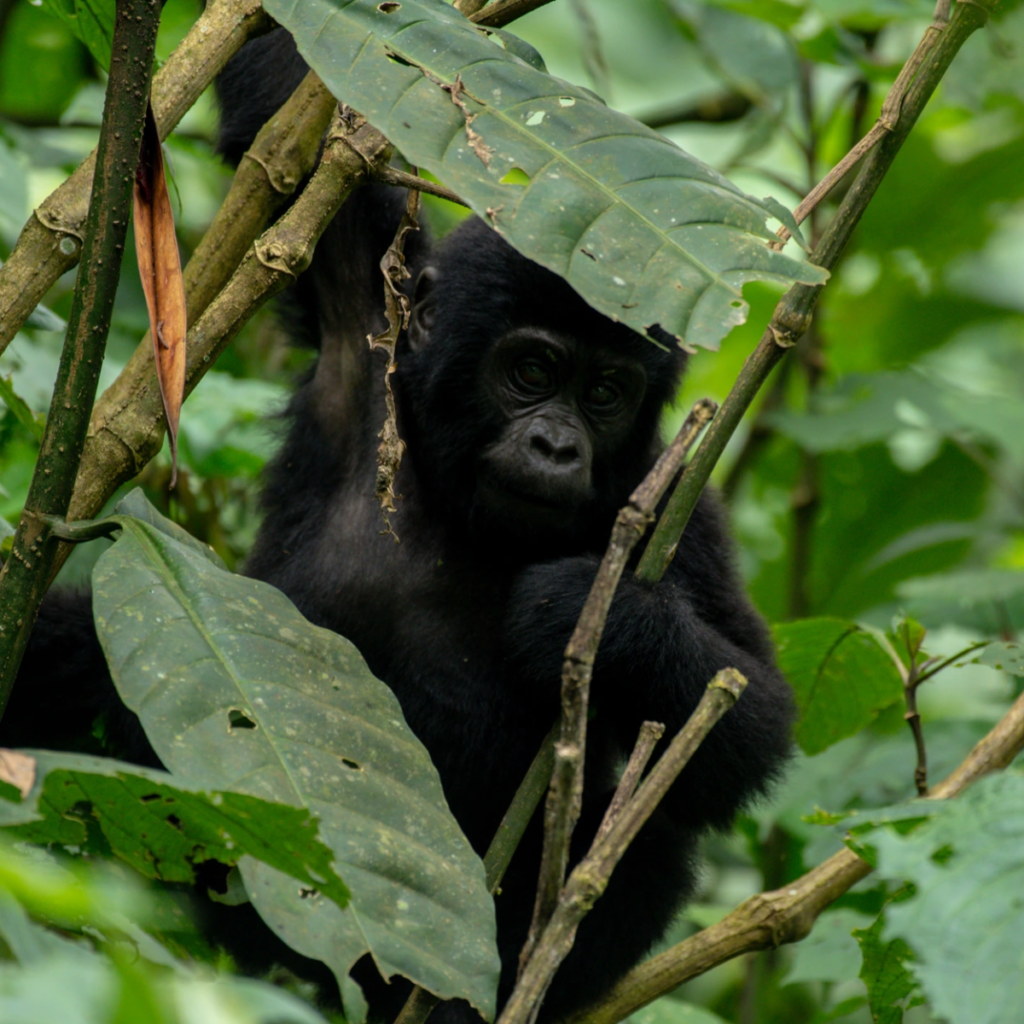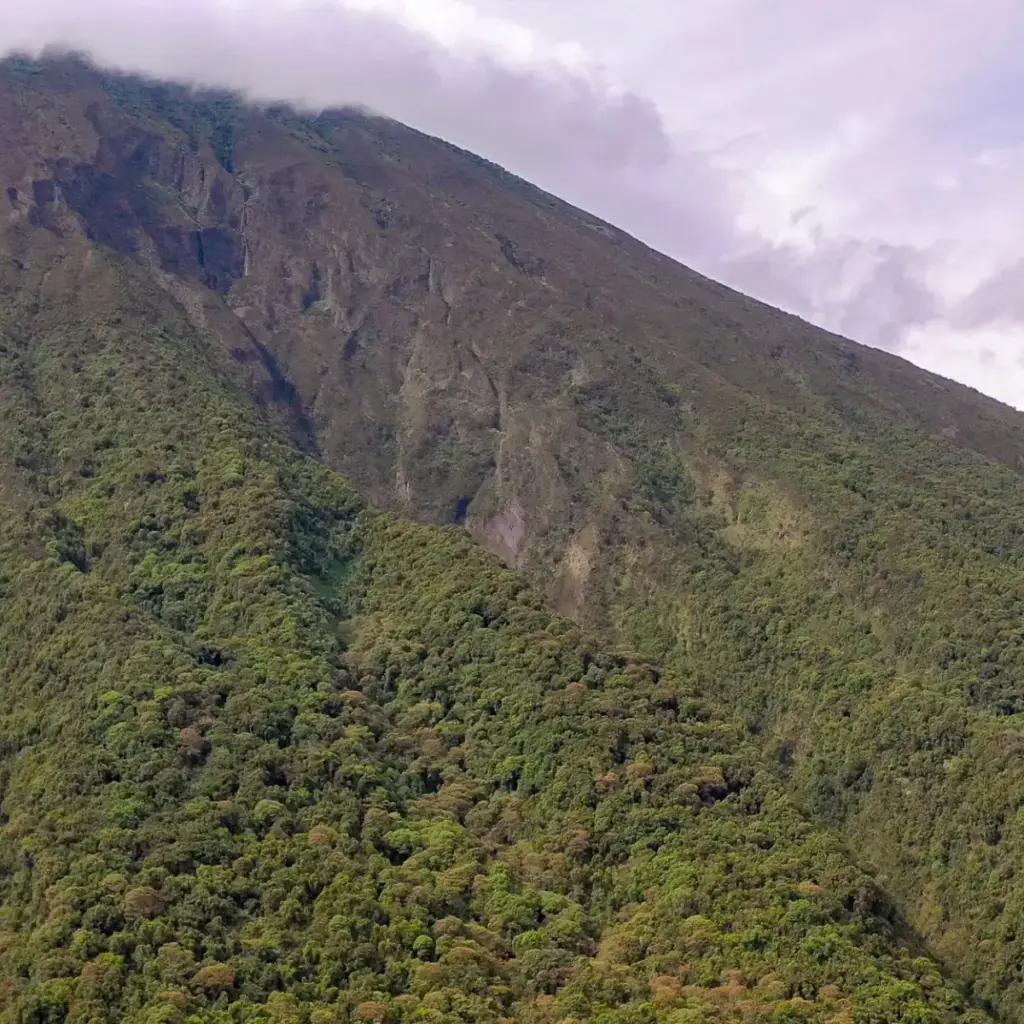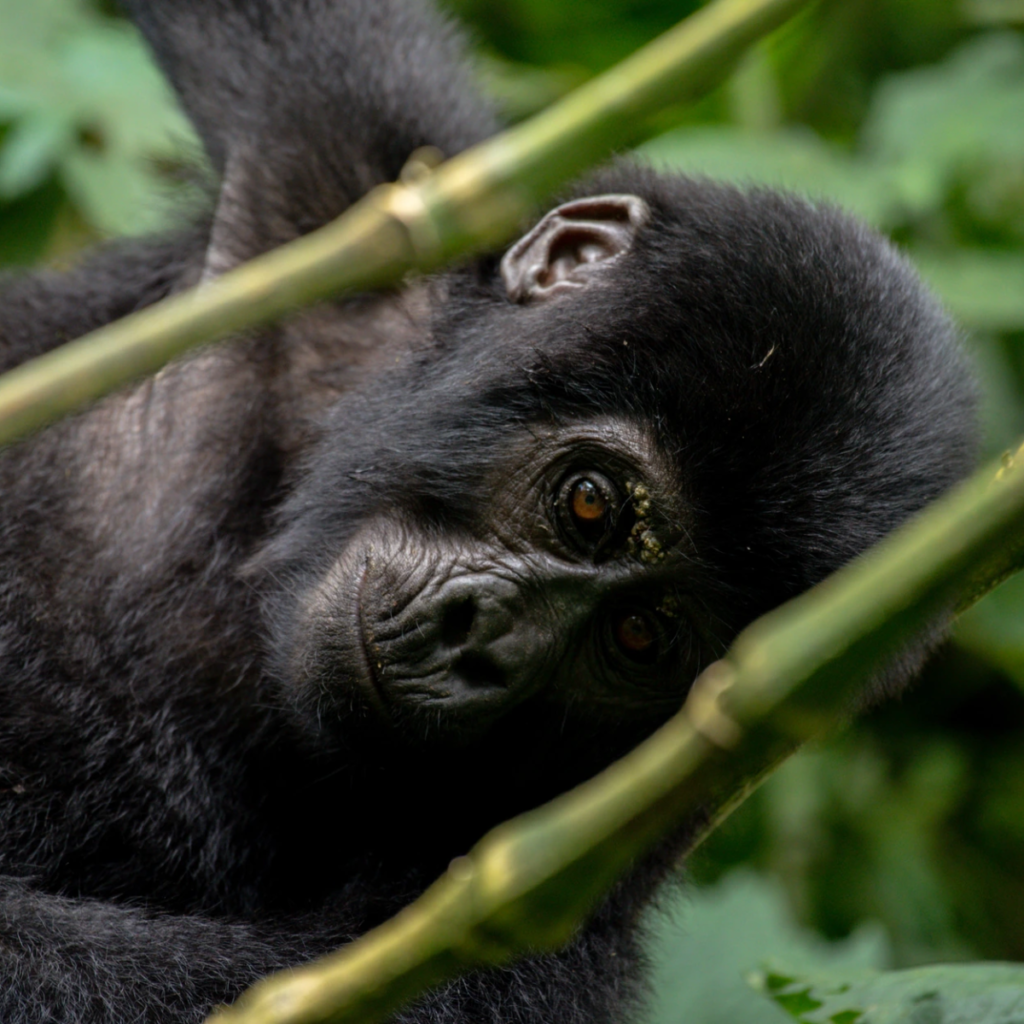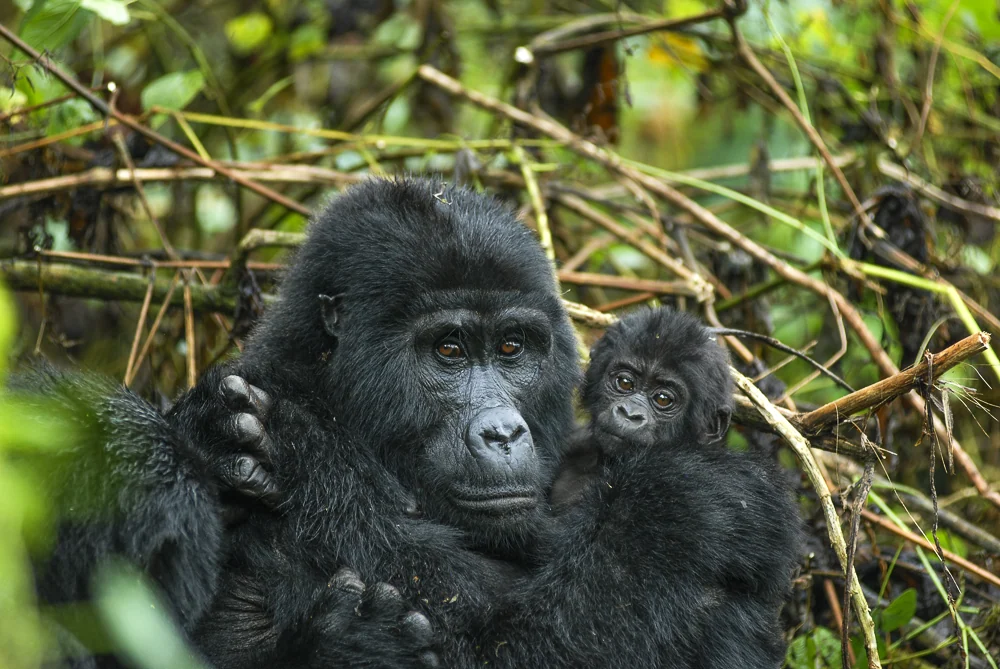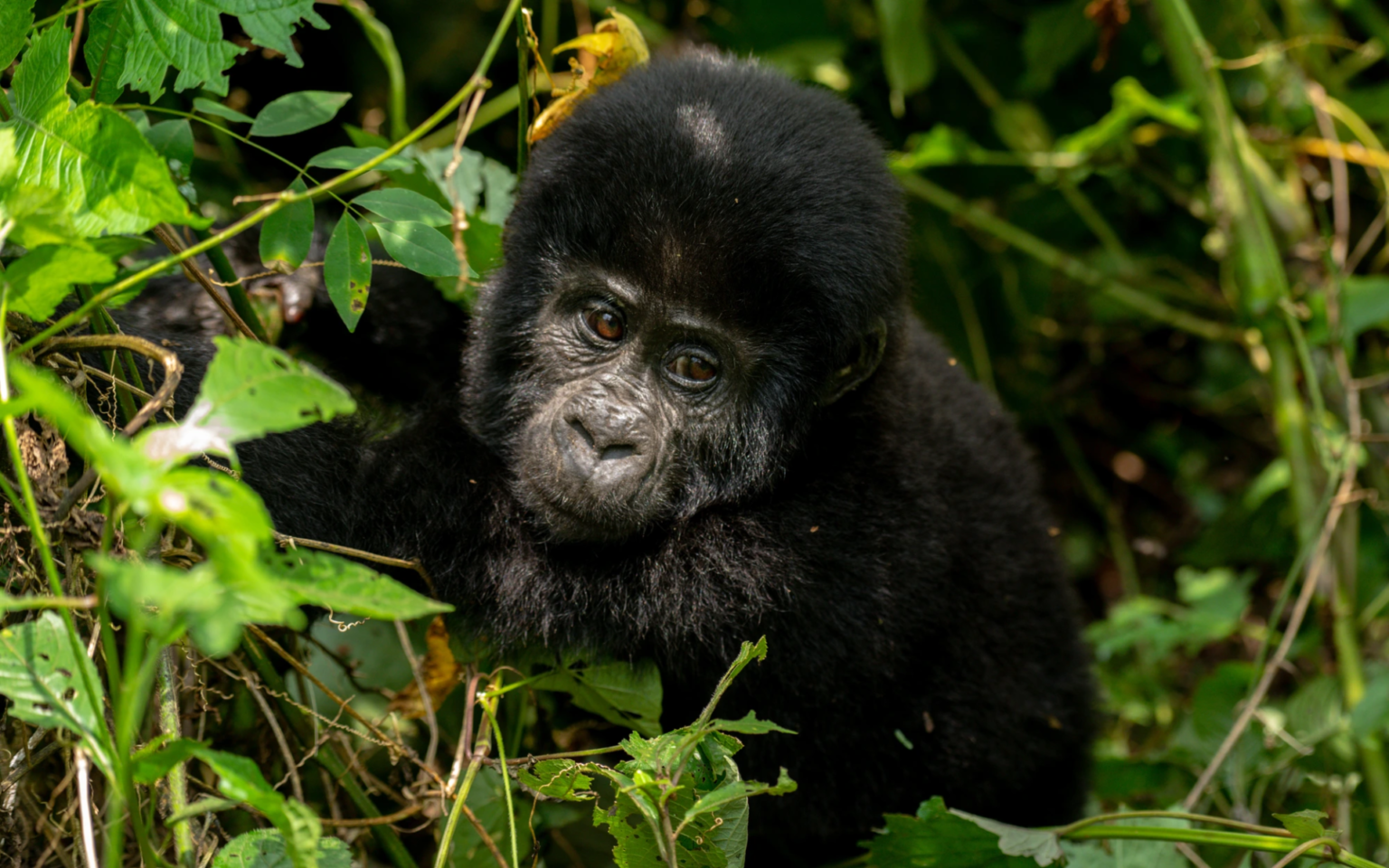
Bwindi Impenetrable National Park, a 331 sq km block of ancient rainforest in southwestern Uganda’s Kanungu District, is home to roughly half the world’s remaining mountain gorillas and is the single reason many visitors come to Uganda at all. Gazetted as a national park in 1991 and inscribed as a UNESCO World Heritage Site in 1994, Bwindi’s tangled, mist-covered forest along the edge of the Albertine Rift is one of Africa’s oldest and most biologically rich ecosystems.
The park at a glance
- 331 sq km of montane and lowland forest in Kanungu District, along the border with the Democratic Republic of Congo
- Gazetted as a national park in 1991; a UNESCO World Heritage Site since 1994
- A 2018 census recorded 459 mountain gorillas in 36 social groups, plus 16 solitary individuals, roughly half the global population
- Elevation ranges from 1,190 to 2,607 metres, with 60 percent of the park above 2,000 metres
Gorilla trekking in four sectors
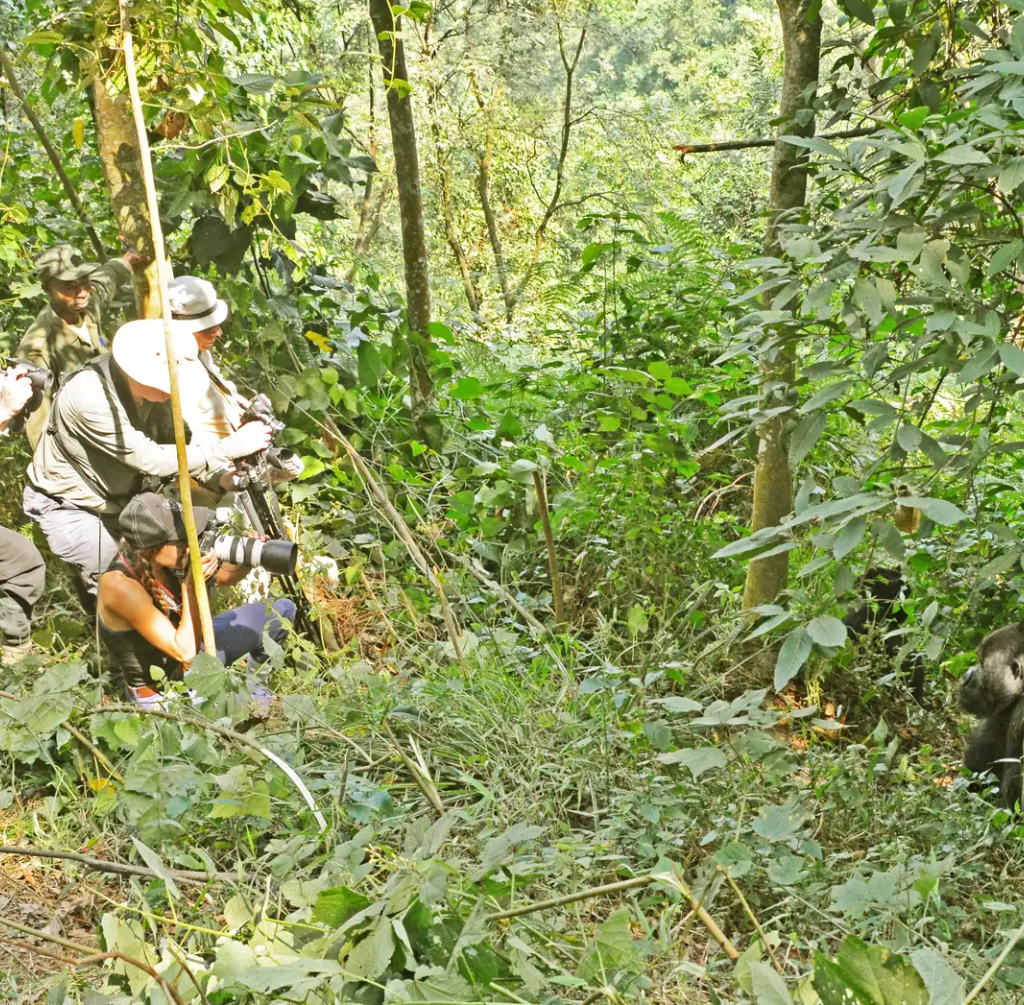
Bwindi is divided into four trekking sectors, each with its own habituated gorilla families and character: Buhoma in the north, the park’s original and most established sector; Ruhija in the east, higher and cooler, known for the Bitukura and Oruzogo groups; Rushaga in the south, with the greatest number of habituated families and the option of gorilla habituation experiences; and Nkuringo, also in the south, known for steep terrain and rewarding, quieter trekking. A permit allows one hour with a habituated family once they are located, and treks can run from under an hour to most of a day depending on where the gorillas are that morning.
More than gorillas
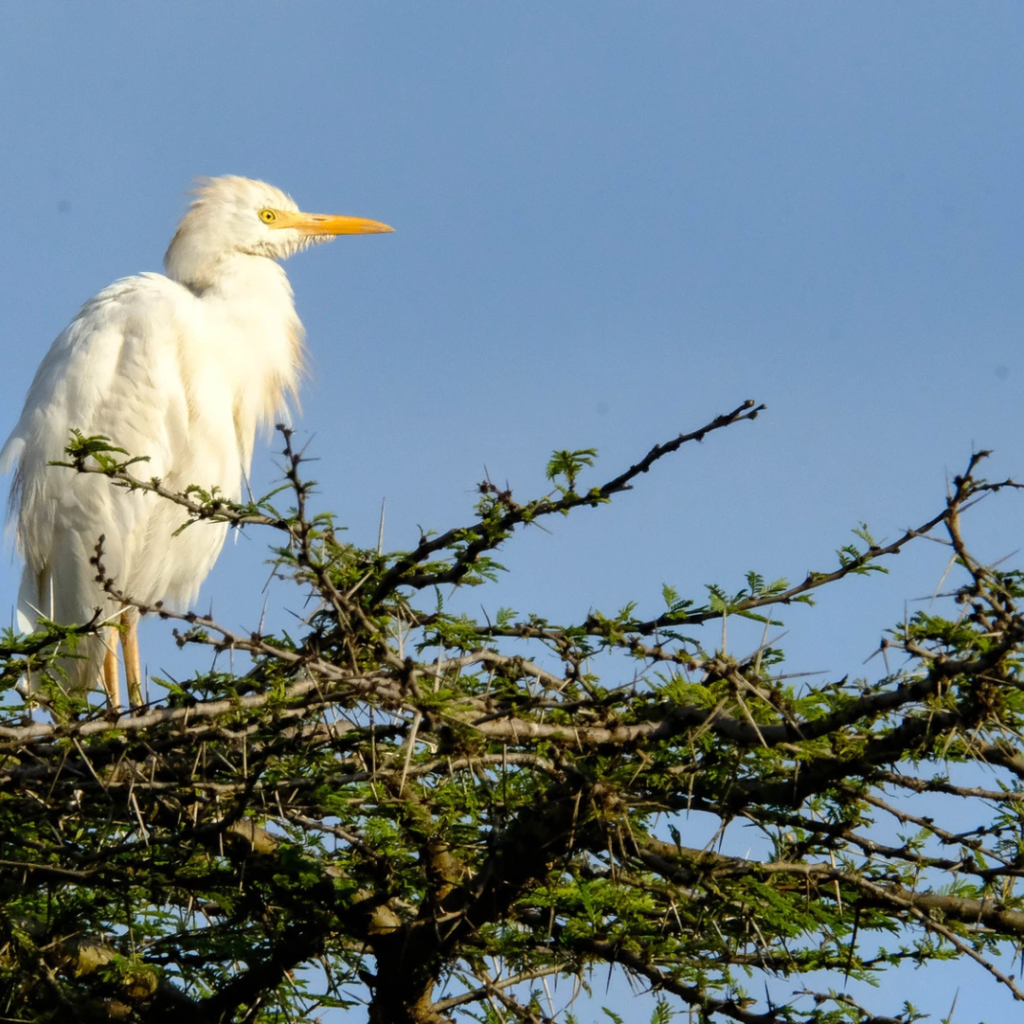
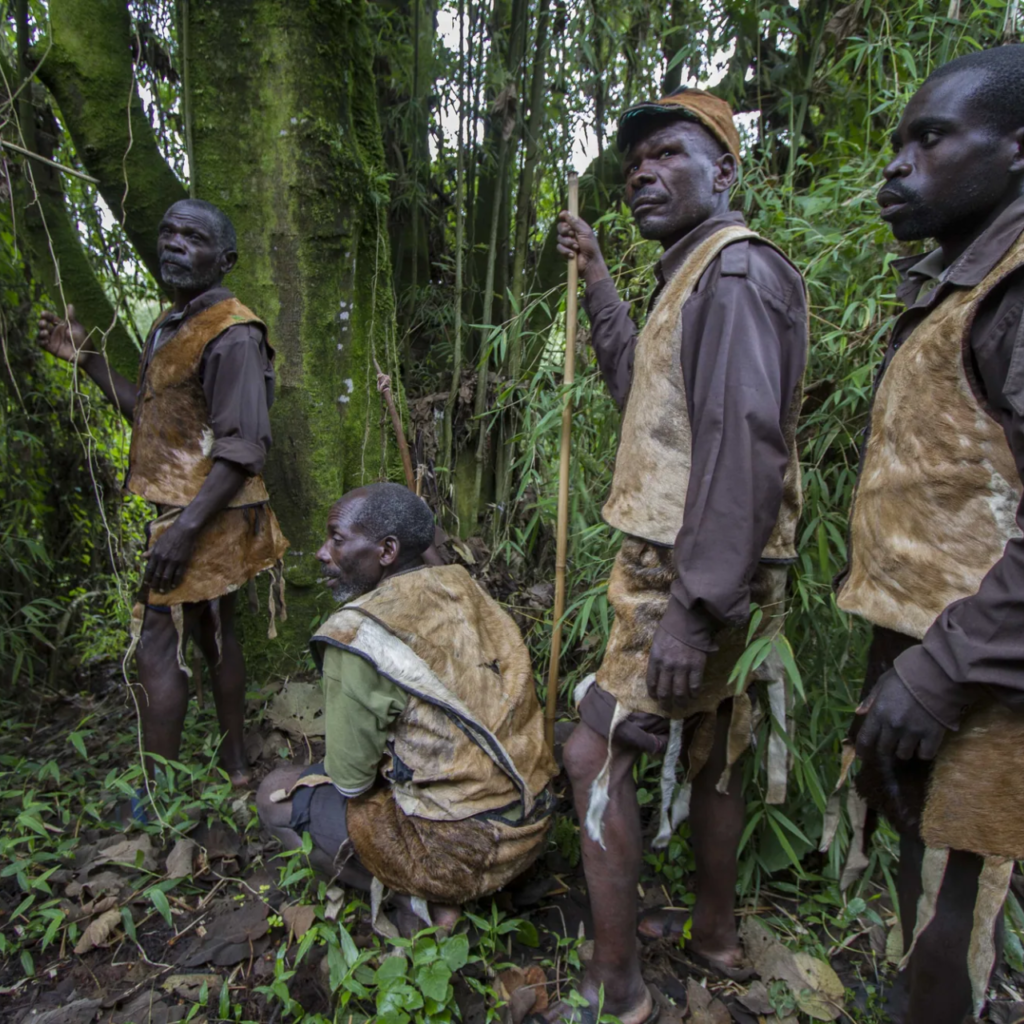
Bwindi’s name, meaning “impenetrable,” reflects forest so dense in places that trails must be cut fresh for each trek. Beyond gorillas, the park supports around 120 mammal species, more than 350 recorded bird species, over 310 butterfly species and more than 1,000 flowering plant species, along with a resident chimpanzee population. Birders regard Bwindi as one of Africa’s finest sites, with numerous Albertine Rift endemics found nowhere else. The Batwa, the forest’s original inhabitants, lived here before the park’s creation in 1991, and Batwa-led cultural experiences are now offered on land bordering the park.
Things to do
- Gorilla trekking in the Buhoma, Ruhija, Rushaga or Nkuringo sectors
- Gorilla habituation experiences in Rushaga, spending extended time with a family still being habituated
- Guided nature walks and birding along the park’s forest trails
- Batwa-led cultural experiences on land bordering the park
Practical information
- Reached by road from Kampala, typically 8 to 9 hours, or via connecting flights to airstrips at Kihihi or Kisoro
- Gorilla trekking permits are limited and should be booked well in advance, especially in peak season
- Best visited in the dry seasons, June to September and December to February, though trekking runs year-round
Bwindi Impenetrable National Park is the centrepiece of most Uganda safaris and the single best place on Earth to see mountain gorillas in the wild. Offmap Safaris can arrange permits, sector choice and a full itinerary around your Bwindi visit. To start planning, visit Plan My African Safari, message us on WhatsApp at +256 701 243 304, or email [email protected]. See also our notes on health and safety and responsible travel.