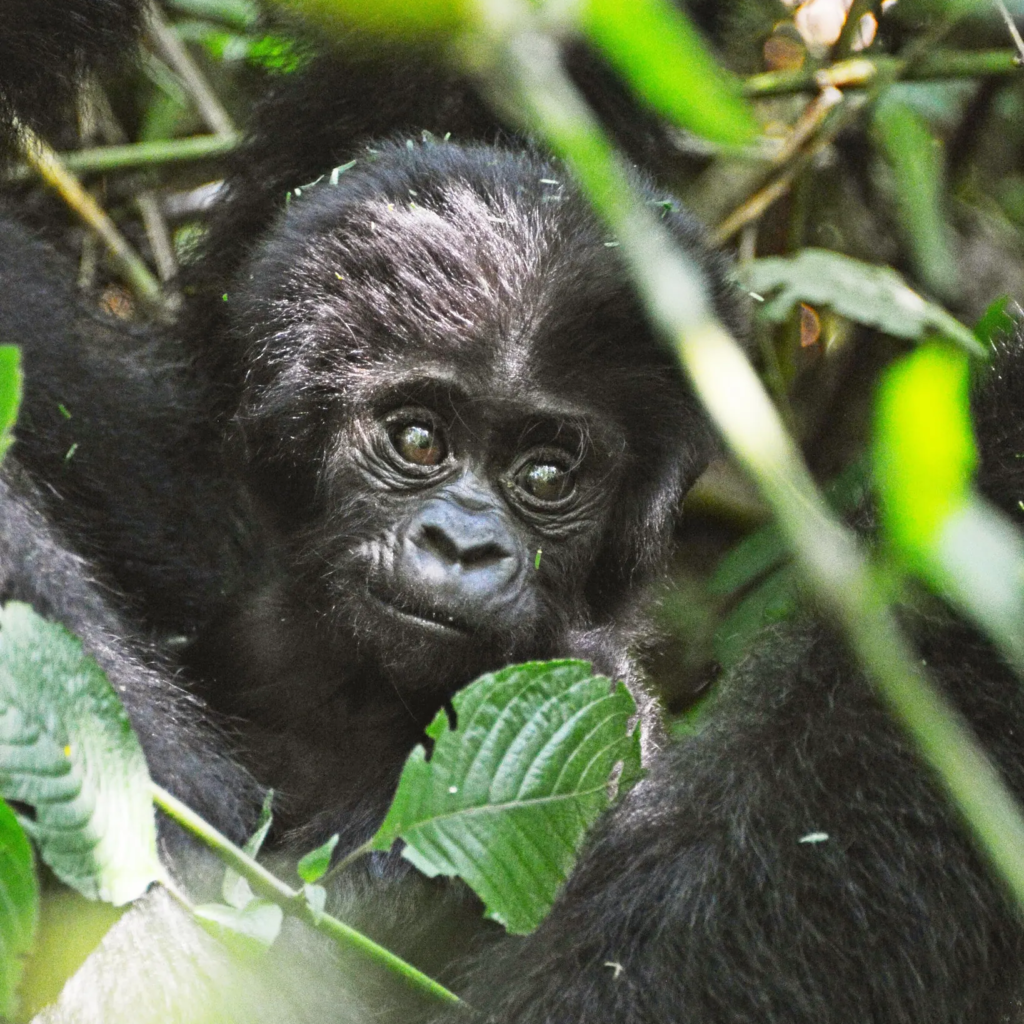
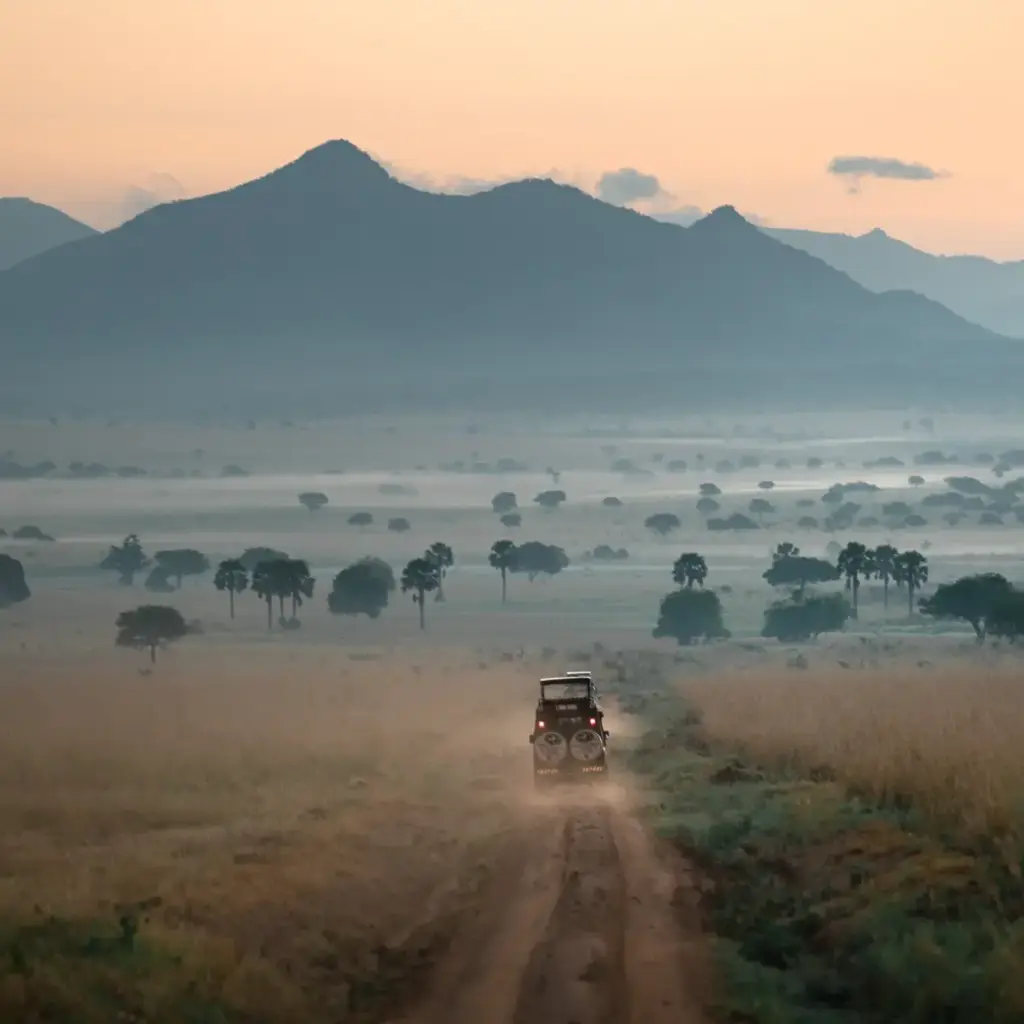
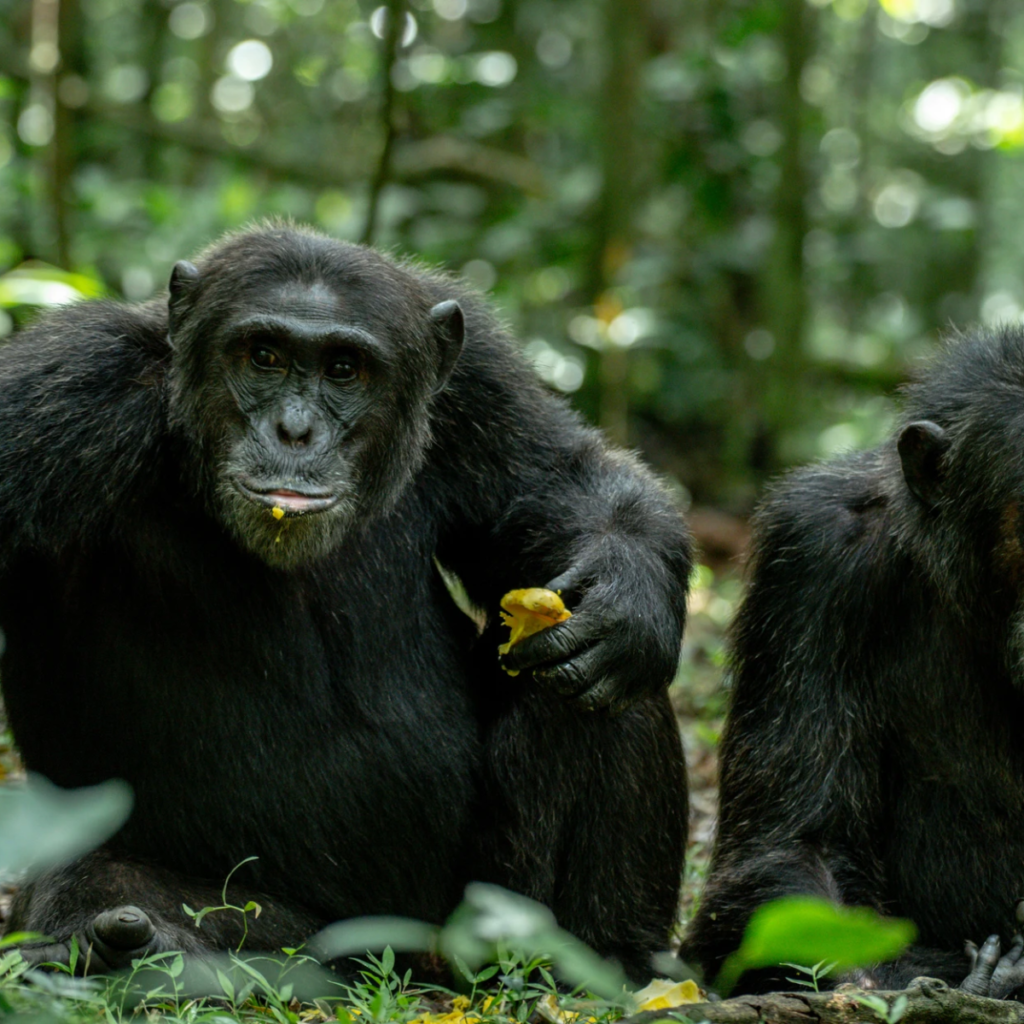
A cultural safari Uganda itinerary mixes forest walks with Batwa guides, the royal heritage of Kampala and Buganda, markets and the cattle herding country of Karamoja in the northeast. Most stops sit close to the national parks so culture slots easily between gorilla treks, chimpanzee tracking and game drives. This guide shows what to see, where it fits on a route, how to arrange visits that respect your hosts and when to travel.
Why Uganda suits a cultural safari
Uganda is home to more than forty ethnic groups and its main kingdoms: Buganda, Bunyoro, Busoga, Tooro and Ankole which still hold cultural weight. Languages, food, music and dressing change from one region to the next. A drive of a few hours can take you from banana growing country to dry pastoral plains. English is widely spoken with Luganda being a common language around Kampala and many other regions in the country so our team can translate conversations easily.
The country is also compact. Gorilla trekking in the southwest, Murchison Falls in the northwest and Kidepo in the northeast are each connected to a cultural stop that adds a human side to the wildlife. That is why Uganda is the easiest place in East Africa to build a cultural safari that does not feel rushed.
The Batwa in Bwindi and Mgahinga
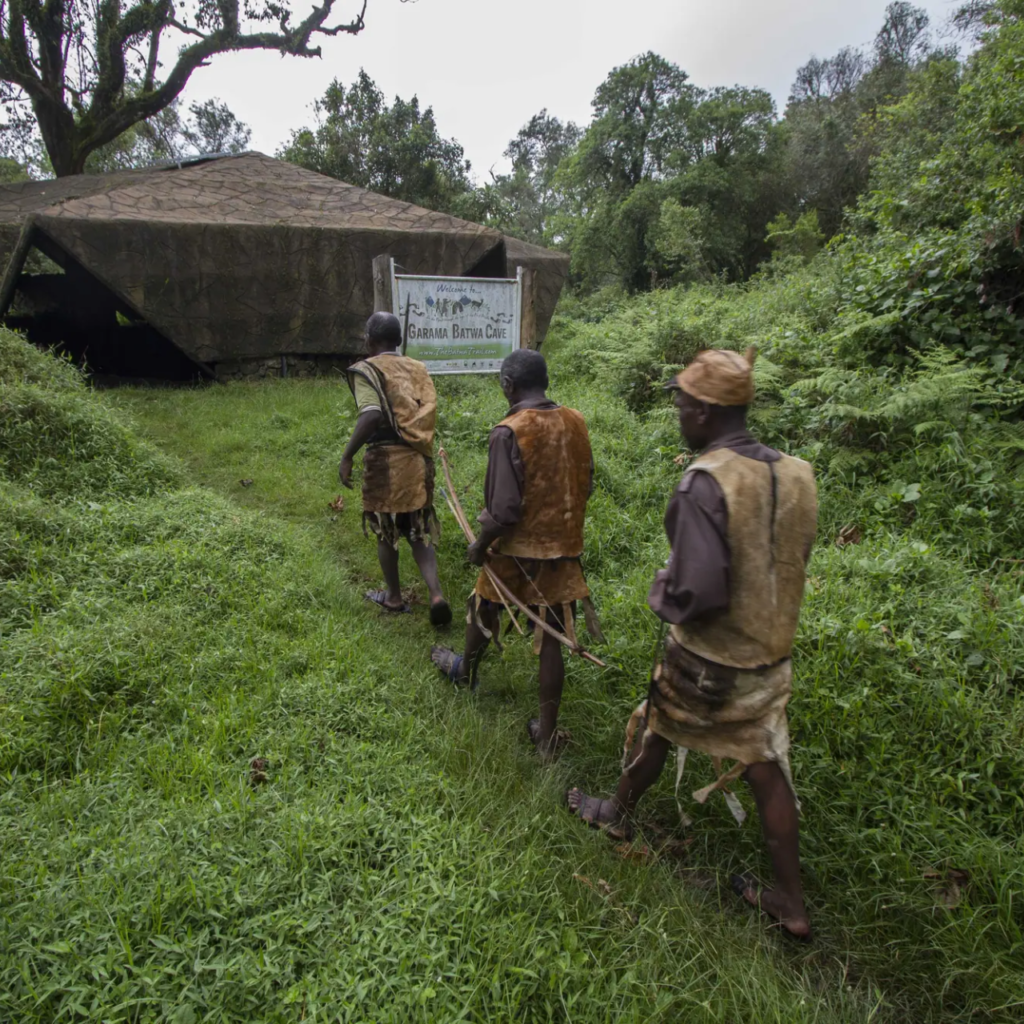
The Batwa are the forest people of southwest Uganda. For generations they lived through hunting and gathering in the forests of what are now Bwindi Impenetrable and Mgahinga Gorilla National Parks. When these forests became protected in the early 1990s, families were displace out of the forests which led many to lose their land, their livelihood and much of their way of life. Today, most Batwa live in settlements outside the parks and some earn income by guiding visitors interested in cultural safaris.
On a Batwa forest walk, the Batwa guides show how they gathered honey, set traps, used plants as medicine and built shelters. They sing, tell stories and sometimes demonstrate fire making. While at Mgahinga, the trail includes a lava cave that was a place of shelter and ceremony. At Bwindi, walks begin near communities around Buhoma and Nkuringo. The experience is moving and also honest about loss so expect conversation, not only performance. See our guide to the Batwa cultural experience in Uganda for what to ask and how the income is shared.
Kampala and Buganda heritage
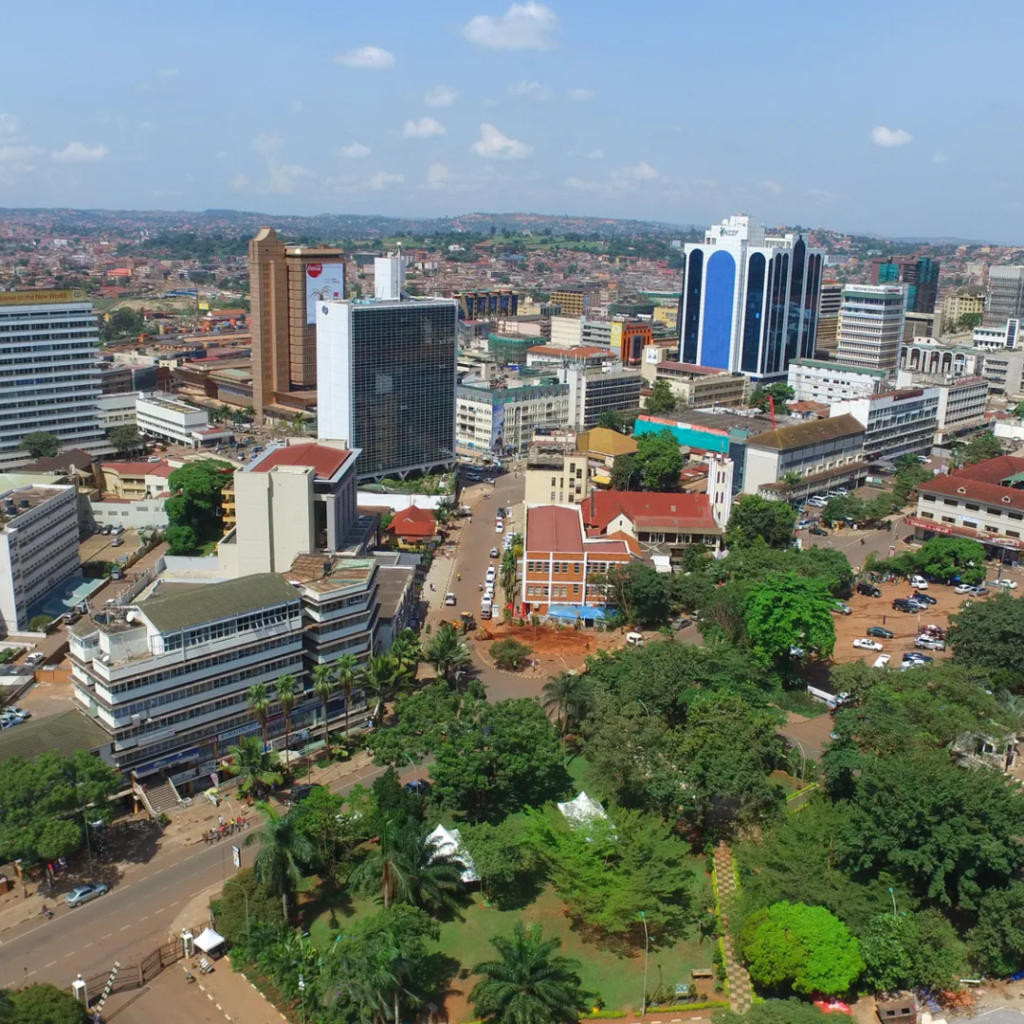
Kampala rewards a full day. Buganda Kingdom is the largest of Uganda’s traditional kingdoms and its sites are open to visitors. The Kabaka’s palace at Mengo, on Mengo Hill, and the royal tomb site at Kasubi, a UNESCO World Heritage Site was damaged by fire in 2010 and its restoration has just been concluded a few years back, tell the story of the past Kabakas.
Religion has as well shaped the skyline. Namirembe Cathedral and Rubaga Cathedral sit on neighboring hills, the Gaddafi National Mosque has a minaret with a city view and the Baha’i Temple stands on Kikaaya Hill outside the city centre. The Uganda Museum holds musical instruments, tools and displays on the country’s peoples. Some of our itineraries visit almost all these site or they can be added on request incase a traveler is interested in visiting them all.
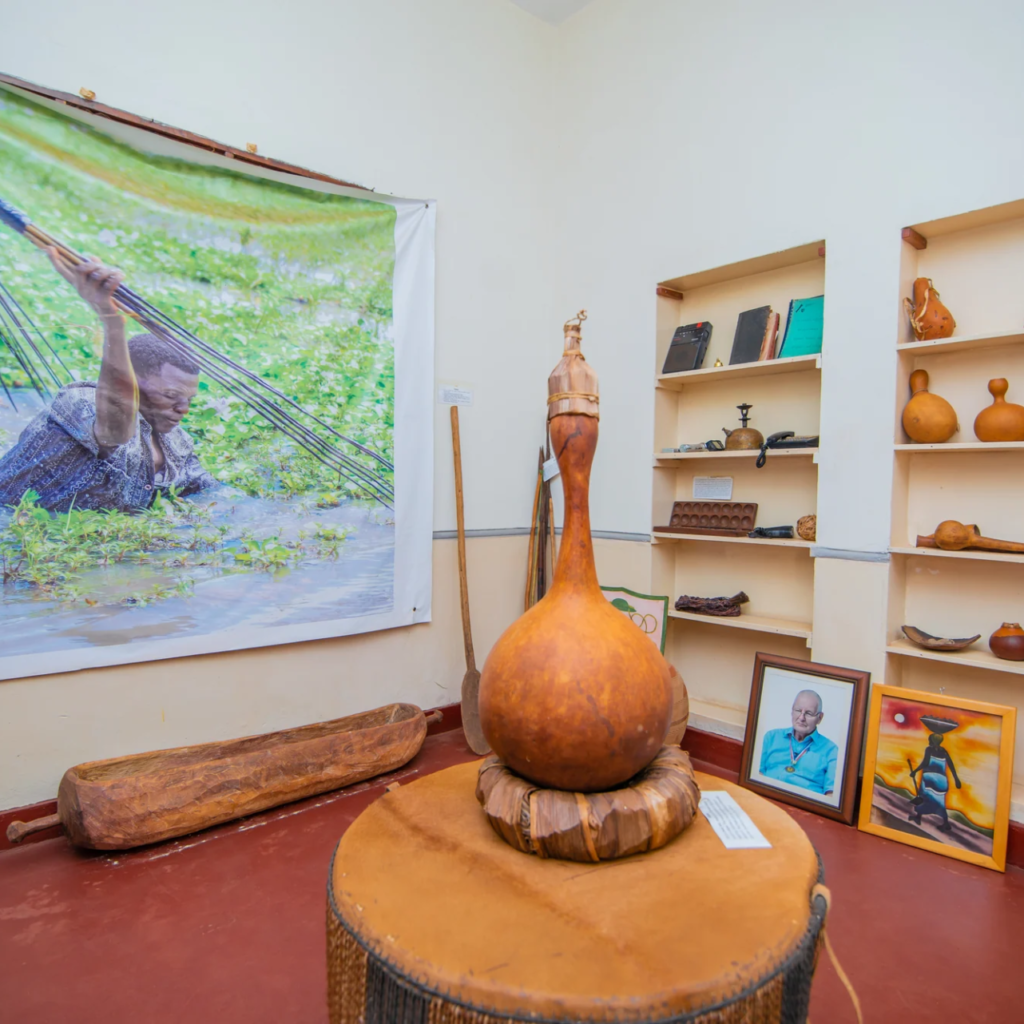
Buganda is also the home of bark cloth, a fabric made from the bark of the mutuba tree that is recognised by UNESCO as part of the intangible heritage of humanity. Craft workshops show how it is beaten and dyed. Your can learn more on our guided visits, since a good visit includes the makers and not only the shop.
Markets, dance and food
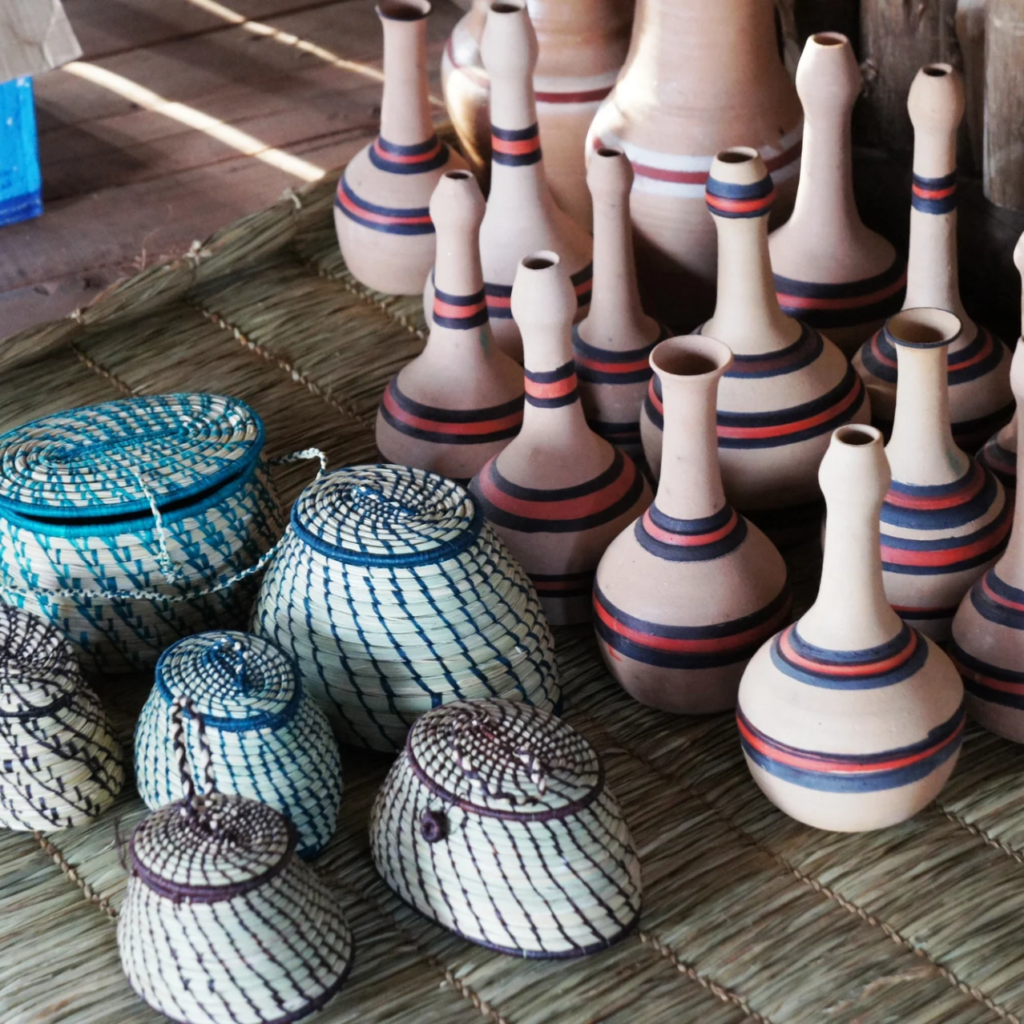
Markets give the quickest feel for daily life. Owino market in Kampala is vast and busy and many visitors prefer a smaller craft market where prices are marked and the stalls are run by cooperatives. Baskets, pottery, beads, paintings and bark cloth are made in Uganda, and buying direct from the maker means more of your money stays with them.
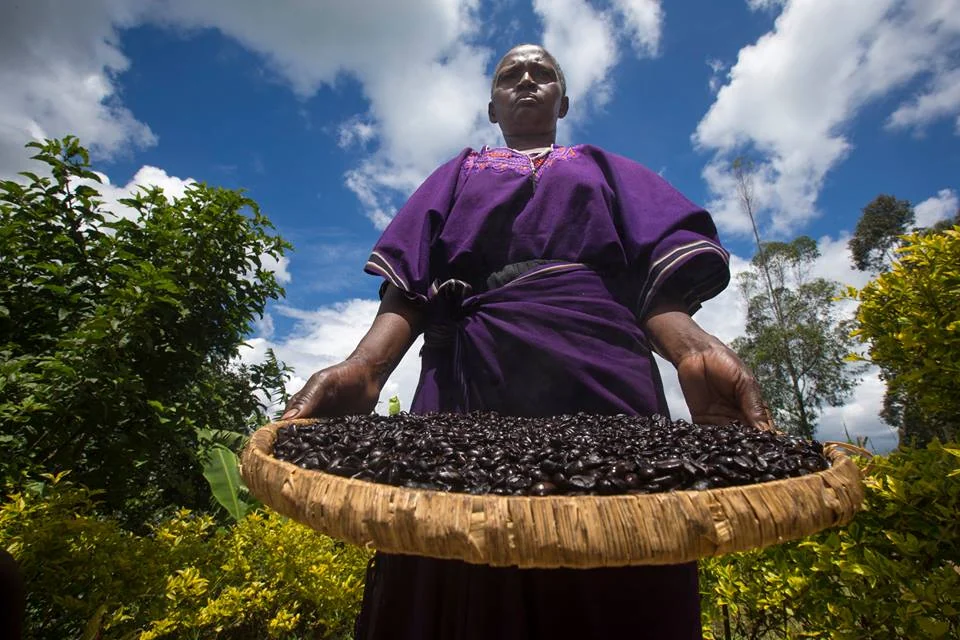
Music and dance are the pride of many communities. Evening shows in Kampala bring dances from several regions to one stage with drums, xylophones and costumes, and community groups near the parks perform for guests at lodges. For a quieter option, learn to play bao, the board game seen in village courtyards, or visit a coffee farm to roast and taste the beans.
Food is part of the story. Matooke, groundnut sauce, posho, grilled tilapia from Lake Victoria and rolex, a rolled omelette in chapati from street stalls are the staples. These dishes are served from eateries, lodges and hotels, so expect them on the menus.
Beyond Kampala: Tooro, Ankole and the lakes
Other kingdoms in the country have their own character. Around Fort Portal, in the old Tooro kingdom: tea estates, crater lakes and village walks give a gentle introduction well as the town is a base for chimpanzee tracking in Kibale. In Ankole, located in the southwest, families still keep long-horned Ankole cattle and a homestead visit shows how herds are milked and tended. Cultural centres near Mbarara display Ankole history and local dishes.
Lake Bunyonyi near Kabale is a calm place for a canoe ride, a village walk and a talk with a local family and it makes a good rest between gorilla treks. Visits are led by residents and they are hospitable to all travelers.
Karamoja and Kidepo
Karamoja, located in the northeast is Uganda’s most remote cultural region. The Karamojong are semi-nomadic cattle herders and their villages are circles of thatched huts inside thorn fences called manyattas. Cattle are the center of their lives. Men and women wear distinctive beads and cloth. Nearby groups such as the Dodoth and the Ik, who live on Mount Morungole near Kidepo, have their own languages and customs.
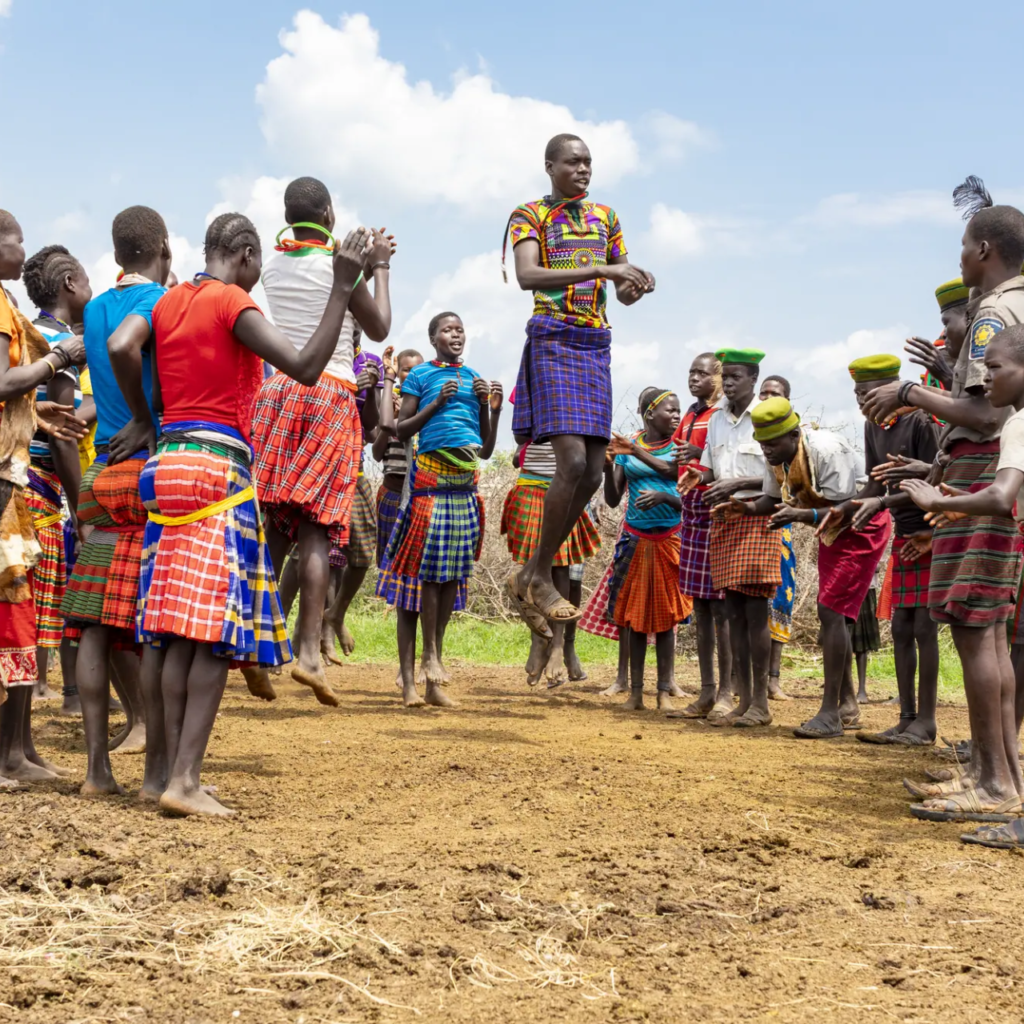
Visits are best arranged through local guides and community associations in small groups. Pay attention to the season, since herding families move with the grass. Kidepo Valley National Park is the base, and its open plains, buffalo and big cats make a strong pairing. Our guide to Kidepo Valley National Park explains the park itself. The journey is long so many guests fly to Kidepo from Entebbe or Kajjansi and spend two or three nights in the region.
Putting it on a route, and practical tips
A sample route: arrive in Entebbe, spend a day in Kampala, proceed to the south for gorillas in Bwindi and a Batwa walk, then chimpanzees in Kibale continue to Murchison Falls. Karamoja suits a separate trip or an extension by air then ca close it off with Jinja for the Nile. Gorilla and chimpanzee permits are non-refundable and, if postponed, new permits must be bought so we confirm cultural stops around permit dates. Minimum age for gorilla trekking is 15.
The dry months: December to February and June to September give the easiest travel. Rains from March to May and October to November make forest paths muddy and some village roads slow, though the landscape is green. Karamoja is hot and dry for much of the year.
Practical tips: dress modestly in towns and communities with shoulders and knees covered and a head covering for mosques where requested. Carry small notes for crafts, a hat, and sturdy shoes. Ask before taking any photograph of a person and never photograph children without a parent’s consent. Leave sweets and gifts at home and let us arrange any donation through a school or clinic. Allow a rest day after the long forest or Karamoja drives since cultural visits ask for attention as well as energy.
We start with your dates and interests, then choose lodges, guides and community hosts to suit you. We explain what is fixed and what can change and our team looks after the trip from the first message to the last transfer. Browse our Uganda safaris, or tell us your plans on the Plan My Safari page.
Frequently asked questions
What can I do on a cultural safari in Uganda?
You can walk with Batwa guides, tour Kampala and Buganda heritage sites, shop at craft markets, watch dance and drumming, visit a coffee farm and meet cattle herders in Karamoja. Most stops are close to the national parks, so they fit easily around gorilla trekking and game drives.
Is the Batwa cultural experience worth doing?
Yes, if it is run by or with the Batwa community and the income reaches them. Guides show forest skills, share songs and speak about losing access to their forests. Expect conversation as well as performance, and ask how the fee is shared before booking.
Can I visit Karamoja on a short trip?
It is possible but needs time, as the region is remote. Many guests fly to Kidepo Valley National Park and spend two or three nights, adding a community visit with a local guide. Travel with a trusted operator and agree fees and group size in advance.
How many days should I give Kampala and Buganda heritage?
One full day covers the palace area, a cathedral or mosque, the Uganda Museum and a market. Two days allow a craft workshop, an evening dance show and a slower pace. Add a night in Jinja if you want the Nile as well.
When is the best time for a cultural safari in Uganda?
December to February and June to September are drier, with easier roads and walks. March to May and October to November bring rain and mud but fewer visitors and green landscapes. Cultural visits run all year, though you should check seasonal movements of herders in Karamoja.