

What tracking involves
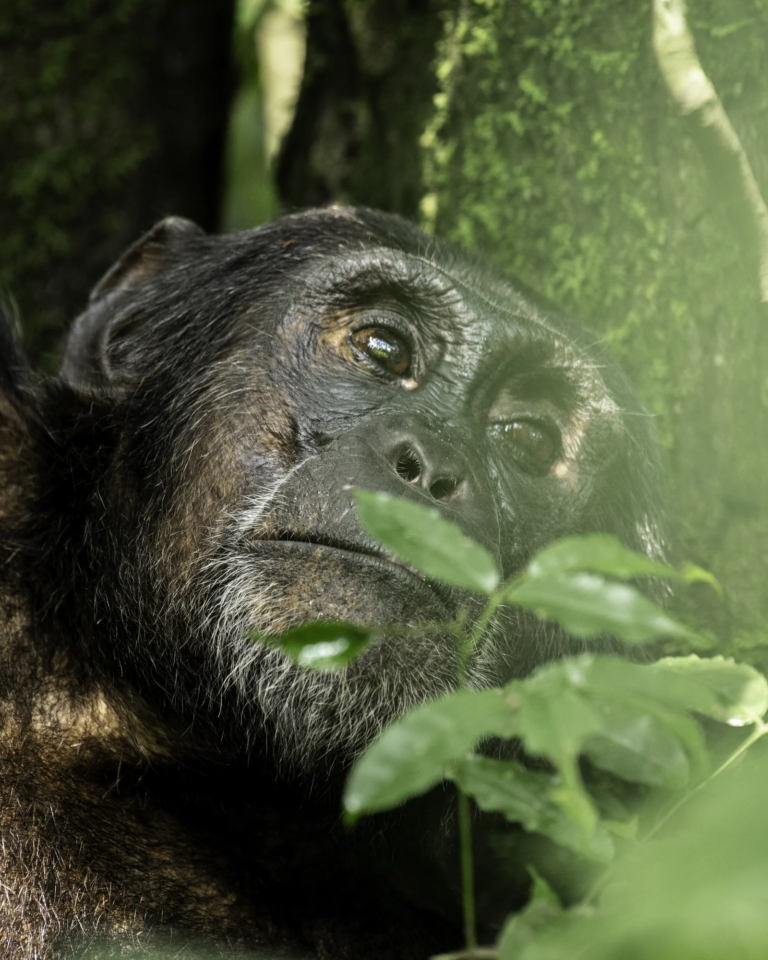
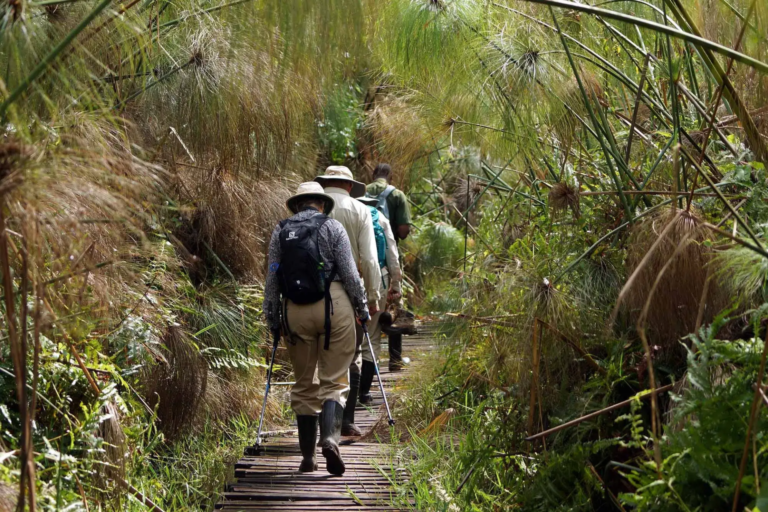
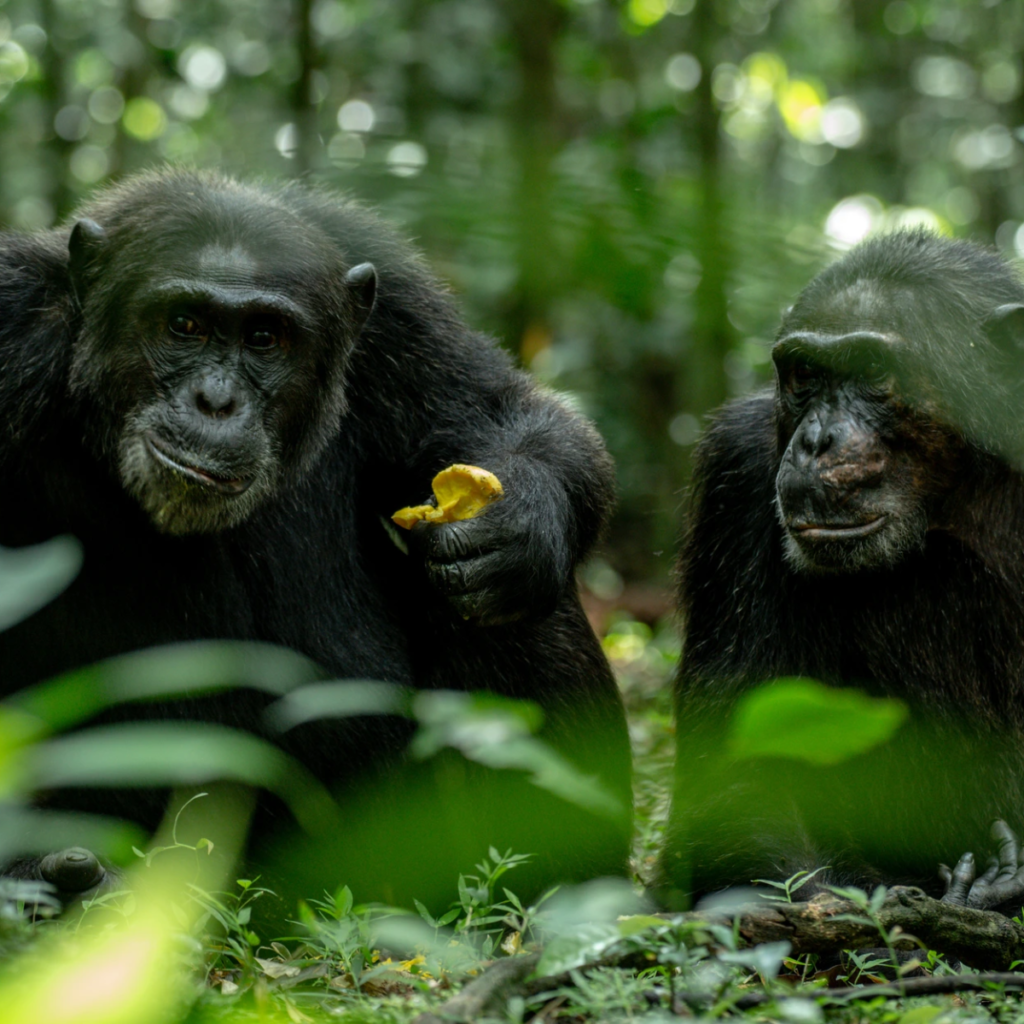
After a briefing at the park office, you set out with a ranger guide who follows the chimpanzees’ calls and signs: fresh nests, fruit remains and the sound of distant hooting. Once the community is found, you stay with them for about an hour, watching from a respectful distance while they feed, play and move between trees. Chimpanzees cover ground quickly so the hour can be energetic, and you may find yourself hurrying under the canopy to keep them in sight.
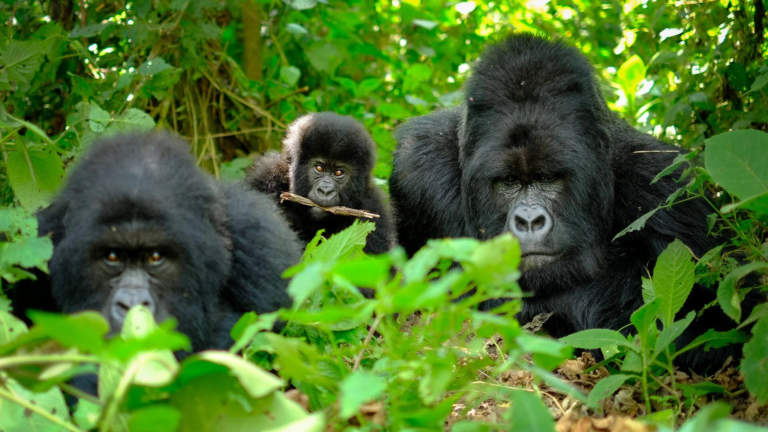
Unlike gorillas, chimpanzees spend much of their time in the trees so you will do a lot of looking up. Binoculars and a camera that copes with dim light help a great deal.
Where to track chimpanzees
- Kibale National Park, Uganda: the best-known destination, with a large chimpanzee population and thirteen primate species in total. Sightings are very reliable.
- Budongo Forest, Uganda: part of the Murchison Falls area, with tracking from Kaniyo Pabidi and the famous Royal Mile for birds.
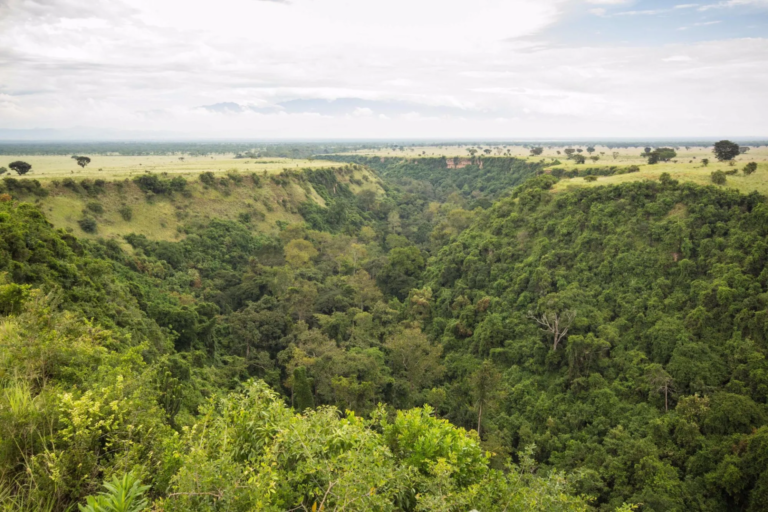
- Kyambura Gorge, Uganda: a lush gorge in Queen Elizabeth National Park where a small chimpanzee community lives.
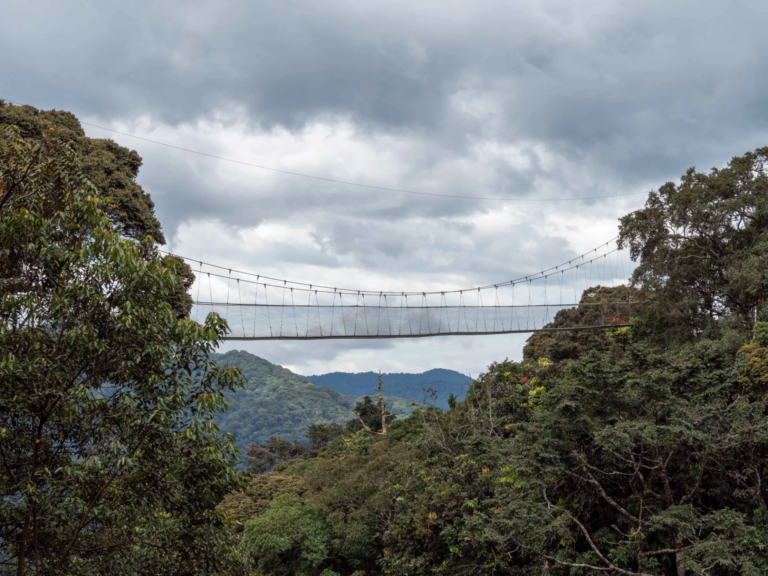
- Nyungwe Forest National Park, Rwanda: montane forest with chimpanzees among its many primates, and an excellent canopy walk.
- Gombe Stream and Mahale Mountains, Tanzania: remote lakeshore parks reached by boat or light aircraft, for a wilder and more expensive experience.
Ngamba Island Chimpanzee Sanctuary, near Entebbe on Lake Victoria, cares for rescued chimpanzees rather than offering wild tracking, and suits travellers with only a few hours to spare.
What to expect on the trail
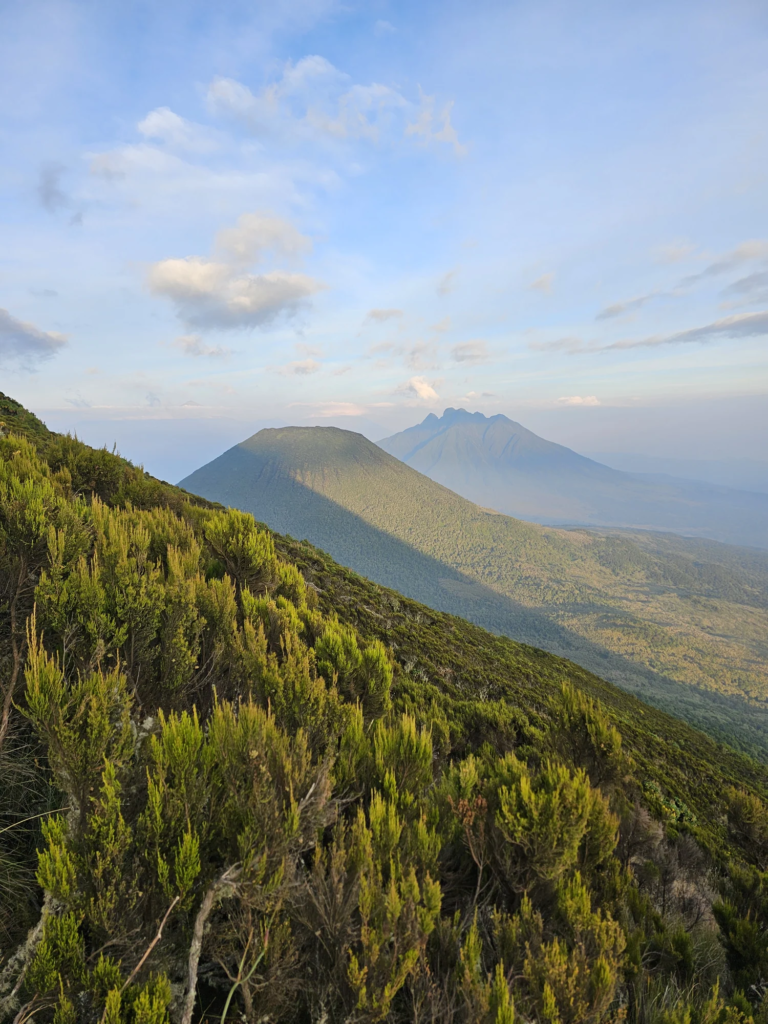
Tracking is usually shorter and easier than gorilla trekking, but the terrain is still forest: uneven, sometimes muddy and humid. You may find the chimpanzees within thirty minutes or search for a few hours. Groups are small, and rangers brief you on the rules before you go. The minimum age is generally 12, and rules about staying well and keeping your distance are strict, because chimpanzees can catch human illnesses.
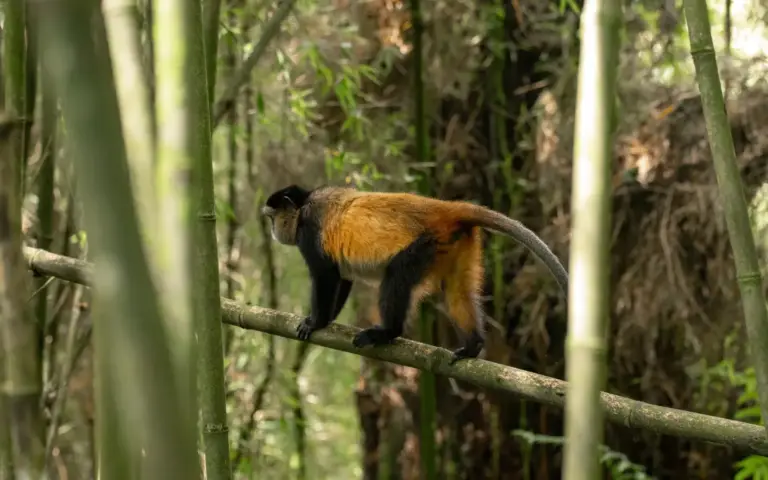
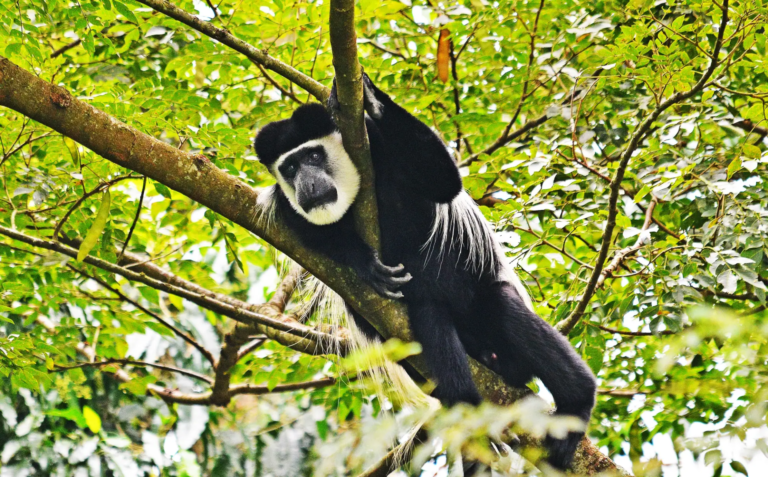
The forest is part of the experience. Kibale, in particular, is alive with monkeys, hornbills and butterflies, and it is common to see red colobus, black-and-white colobus and red-tailed monkeys on the same walk.
Best time to go
Chimpanzees can be tracked all year. The drier months, June to September and December to February, are more comfortable on the trails. When fruit is abundant the chimpanzees gather in fruiting trees, which makes them easier to find, and when it is scarce they range more widely. Sightings in Kibale are consistent through the year.
Tracking, habituation or gorillas?
Gorillas are calm and easy to watch while chimpanzees are dynamic and less predictable. Tracking costs less than a gorilla permit, takes less time and combines easily with a gorilla safari. If you want longer with the animals, the chimpanzee habituation experience lets you spend much of a day with a community that is still being accustomed to visitors. Most travellers choose one or the other, depending on the time they have and how much they want to see individual behaviour.
What to bring
- Lightweight long trousers and a long-sleeved shirt
- Waterproof walking boots or sturdy trainers with grip
- A rain jacket and a hat
- Insect repellent and water
- Binoculars and a camera with the flash turned off
Behaviour to watch for
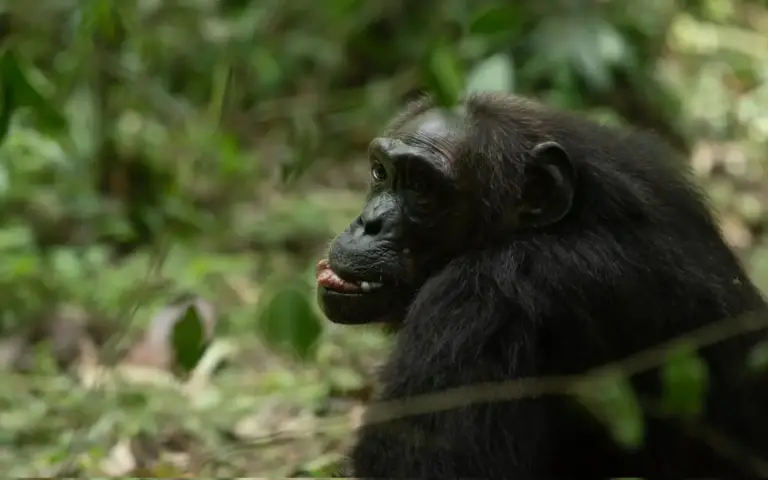
Chimpanzee communities live in a fluid society, splitting into small parties to forage and regrouping later. Listen for pant-hoots, the rising chorus that carries a long way through the forest, and for the drumming of feet on buttress roots. Watch how males settle rank through displays, how mothers carry infants on their backs, and how grooming smooths tensions. Some communities also use tools, such as chewed leaves that act as sponges to collect water.
Kibale and the area around it
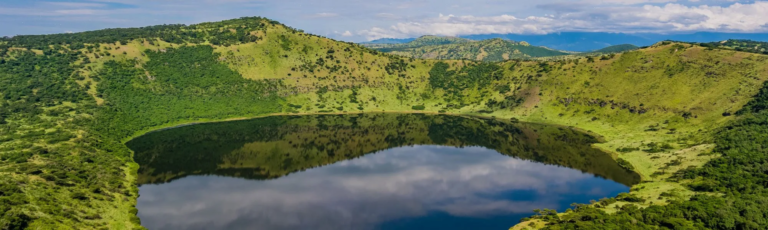
Most chimpanzee tracking in Uganda is based near Fort Portal, where tea plantations, crater lakes and the Rwenzori foothills surround the forest. A walk through the Bigodi Wetland Sanctuary, run by the local community, adds birds and monkeys, and the crater lakes make good swimming and sunset spots. Lodges range from simple forest camps to comfortable lodges with views over the canopy.
Tracking responsibly
Keep the distance your guide sets, stay in your group and never feed the animals. Do not track if you are unwell and carry out everything you carry in. Choosing a community-run guide and lodge means the money you spend stays close to the forest and helps the people who live beside it see the chimpanzees as an asset worth protecting.
Morning or afternoon?
Tracking normally runs in two sessions, one in the morning and one in the afternoon. Mornings are cooler and often livelier, with the chimpanzees active after waking. Afternoon sessions leave your morning free for a wetland walk or a slower start, and they can catch the community as it settles into evening feeding. Both work well so we choose the slot that fits the rest of your day.
Planning your chimpanzee tracking safari
Permits are limited and fees change so we confirm current prices when we quote and book your slot in advance, particularly for June to September and December to February. Tell us where you are travelling and how much time you have, and we will suggest the right forest and pair it with gorillas, savannah wildlife or a stay beside a crater lake.
Chimpanzee tracking by country
Chimpanzees can be tracked in three countries, each with its own forests, access and season: