

Why the region is so rich
Birds thrive here because so many habitats meet. Lowland rainforest, montane forest, papyrus swamp, open savannah, crater lakes and big rivers all sit within a day’s drive of each other, and the Albertine Rift, running along the Congo border, holds a remarkable number of species found nowhere else. Migrants from Europe and Asia add hundreds more between November and April.
Signature species
- Shoebill: the prehistoric-looking giant of the swamps, best seen from a canoe in the Mabamba Swamp near Entebbe, and in Murchison Falls National Park.
- African green broadbill and Albertine Rift endemics: Bwindi Impenetrable National Park, especially around Ruhija, is a stronghold.
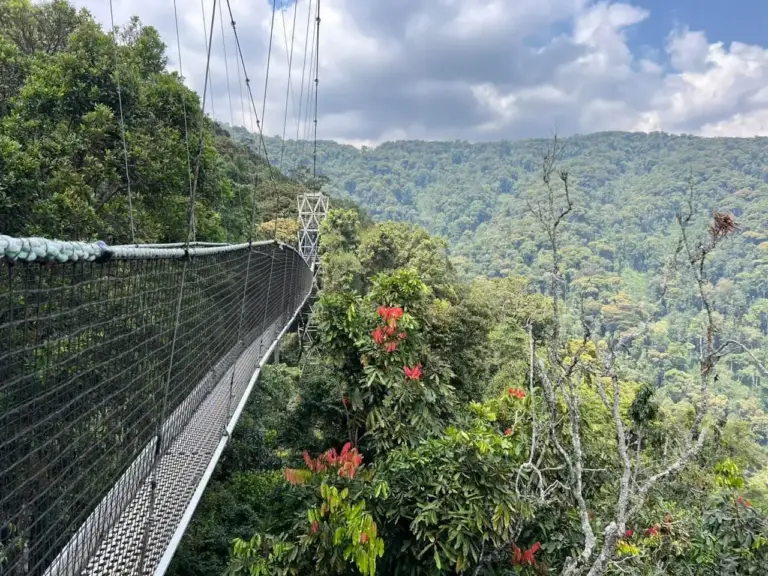
- Great blue turaco and Rwenzori turaco: spectacular forest birds found in Uganda and Nyungwe Forest in Rwanda.
- Papyrus specialists: including papyrus gonolek and other swamp birds around Akagera National Park.
- Flamingos and waterbirds: the soda lakes of Kenya’s Rift Valley, including Nakuru and Bogoria, can hold huge numbers.
Where to go
In Uganda, the Royal Mile in Budongo Forest is a legendary walk for forest birds, Kibale and the Bigodi Wetland add primates and wetland species, and Queen Elizabeth National Park combines savannah birds with the Kazinga Channel’s waterbirds. Semuliki, on the Congo border, gives access to species usually seen only in central Africa. In Rwanda, Nyungwe offers mountain forest birds and Akagera has wetlands and savannah. In Kenya, Kakamega Forest and the Rift Valley lakes are highlights and in Tanzania, Lake Manyara and Arusha National Park are excellent.
When to go
Birding is good all year. From November to April, migrants swell the lists and many resident birds are in breeding plumage. The drier months, June to September, make forest trails easier and birds easier to spot at water. Early morning is the best time of day in every season so we build itineraries around dawn starts.
What a birding day looks like
You will usually leave at first light with an expert local guide who knows the calls, then return for a long breakfast and a midday rest, before a shorter walk or a boat cruise in the late afternoon. Guides carry a spotting scope and use recordings sparingly, because too much playback can stress birds. A good guide will also help you find the mammals and butterflies along the way, so the day is never only about the list.
Equipment
- Binoculars, ideally 8×42 or 10×42, are the most important item.
- A field guide to the birds of East Africa, or a phone app you have downloaded in advance.
- A camera with a long lens if you plan to photograph; a lightweight one is fine otherwise.
- Neutral clothing, a hat and a light rain jacket for forest walks.
Combining birding with other experiences
Birding fits neatly alongside gorilla trekking, chimpanzee tracking, game drives and boat cruises, because many of the best sites are the same parks. A gorilla safari through Bwindi, for example, takes you through prime Albertine Rift habitat, and a stay in Queen Elizabeth adds hundreds of species without extra effort. Dedicated birding safaris can go further, visiting several habitats in two or three weeks.
Forest birding or open country?
The two styles feel different. Forest birding is a patient business, with birds often heard before they are seen, and a good guide’s ears count for more than a good pair of binoculars. Open-country birding in savannah and wetlands is easier, with large birds in plain view and the chance to compare species at leisure. Most itineraries mix both so you enjoy the drama of a forest turaco and the abundance of a waterside morning.
A sample five-day birding route in Uganda
- Day 1: Mabamba Swamp near Entebbe, by canoe, for shoebill and papyrus birds.
- Day 2: Budongo Forest and the Royal Mile for forest specialists.
- Day 3: A boat cruise on the Nile below Murchison Falls, then a game drive.
- Day 4: Kibale National Park and the Bigodi Wetland, with primates as a bonus.
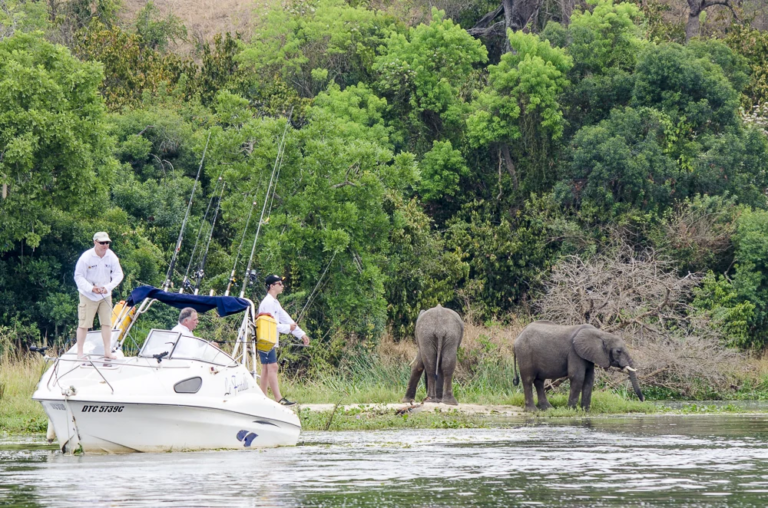
- Day 5: The Kazinga Channel in Queen Elizabeth National Park, with a boat cruise and a savannah drive.
This is a starting point, not a template. We adjust the length and pace to the species you hope to find.
Birding responsibly
Good birding is gentle birding. Keep a respectful distance from nests, avoid overusing recorded calls to draw birds out, stay on trails, and never use flash on owls or nightjars. Use licensed local guides, who know how to find birds without disturbing them, and whose income gives communities a reason to protect habitat.
Photographing birds
Birds are demanding subjects. Early light is your friend, a long lens or a strong zoom is helpful, and patience is essential. Wetlands and lakeshores are easiest, forests the hardest because of dim light and dense leaves. Bring spare batteries and memory cards, and be ready to put the camera down to enjoy a moment.
Where to read more
Our travel guides cover birding country by country, from Uganda and Rwanda to Kenya and Tanzania, with a guide to the Albertine Rift endemics and advice on the best time for birding. They are listed under the guides section of this page.
A first-time birder is best served by a base with several habitats close together, such as wetland, forest and savannah within a day’s drive, since each habitat adds species without adding travel. Ask your guide to keep a daily checklist and let us know whether you want a relaxed pace with photography stops or an early start for rarities. We brief the guide before you arrive.
Planning your birdwatching safari
Tell us your target species, your experience level and how many days you have. We will recommend guides, lodges and routes that put you in the right habitat at the right time, and we can adapt the pace for keen listers or for relaxed observers who simply enjoy the birds that appear.