The jump itself
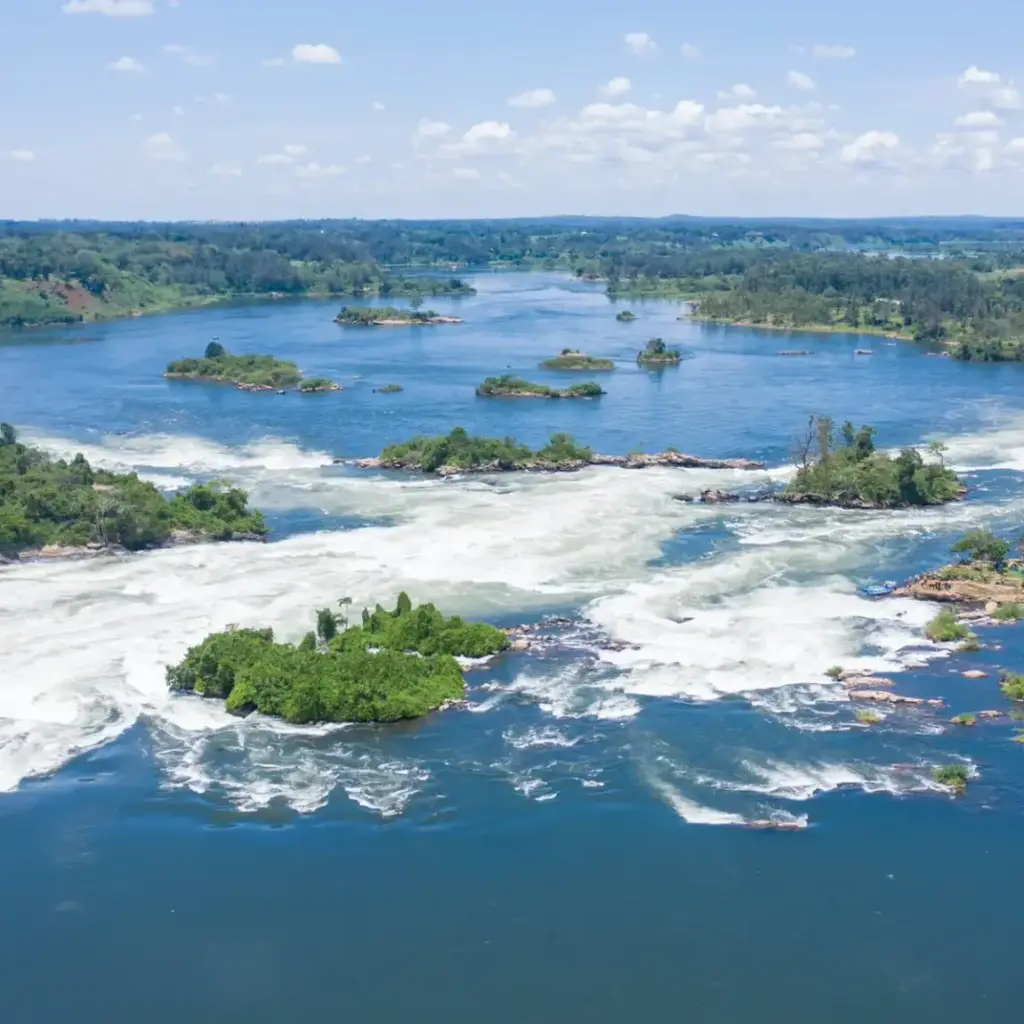
The platform sits 44 metres above the Nile at Kalagala Falls, run by Adrift Uganda, one of the area’s established adventure operators. Jumpers choose between two versions of the same jump: a long jump that descends all the way to touch the river’s surface before the cord recoils, and a shorter jump that stops well short of the water for anyone who wants the drop without the dunking. Both start from the same platform and involve the same initial free fall; the difference is purely in how far the cord allows the fall to continue.

What to expect
Staff fit each jumper with an ankle harness and safety checks before the jump, and the platform itself gives a clear, unobstructed view straight down to the river below, which many first-timers find is the hardest part: standing at the edge and looking down before committing. The free fall itself lasts only a few seconds before the cord engages, followed by several rebounds before a boat or rope retrieval brings the jumper back to solid ground, depending on which jump option was chosen.
Who can jump
Most operators set a minimum age and require jumpers to be in good general health, since the sudden deceleration places real physical stress on the body. Pregnant women, anyone with heart, back or neck conditions, and those under the influence of alcohol are typically excluded for safety reasons, and reputable operators will ask directly about relevant health conditions before allowing a jump.
Overcoming the fear factor
Almost every first-time jumper describes the same sequence: confidence during the briefing, doubt building on the walk to the platform, and a moment of genuine hesitation standing at the edge before the countdown. Jump crews are experienced at talking nervous jumpers through this final moment, and the fear rarely lasts beyond the first second or two of free fall, after which most jumpers describe the experience as exhilarating rather than frightening.
Safety and equipment
Established operators in Jinja use internationally sourced, regularly inspected bungee equipment and trained jump crews who handle harnessing, weighing and safety checks for every jumper individually, since cord tension is set according to body weight. Confirming an operator’s safety certification and equipment maintenance record before booking is sensible, as with any activity carrying genuine physical risk.
A history of adventure tourism on this stretch of river
Jinja’s development as an adventure tourism hub grew largely around this cluster of Nile-based activities, with bungee jumping arriving alongside rafting as one of the original draws that put the town on the international adventure travel map. The site’s continued popularity reflects both the genuine spectacle of jumping toward one of Africa’s great rivers and the convenience of finding several such activities concentrated in one small area rather than scattered across a country.
Combining the jump with other Nile activities
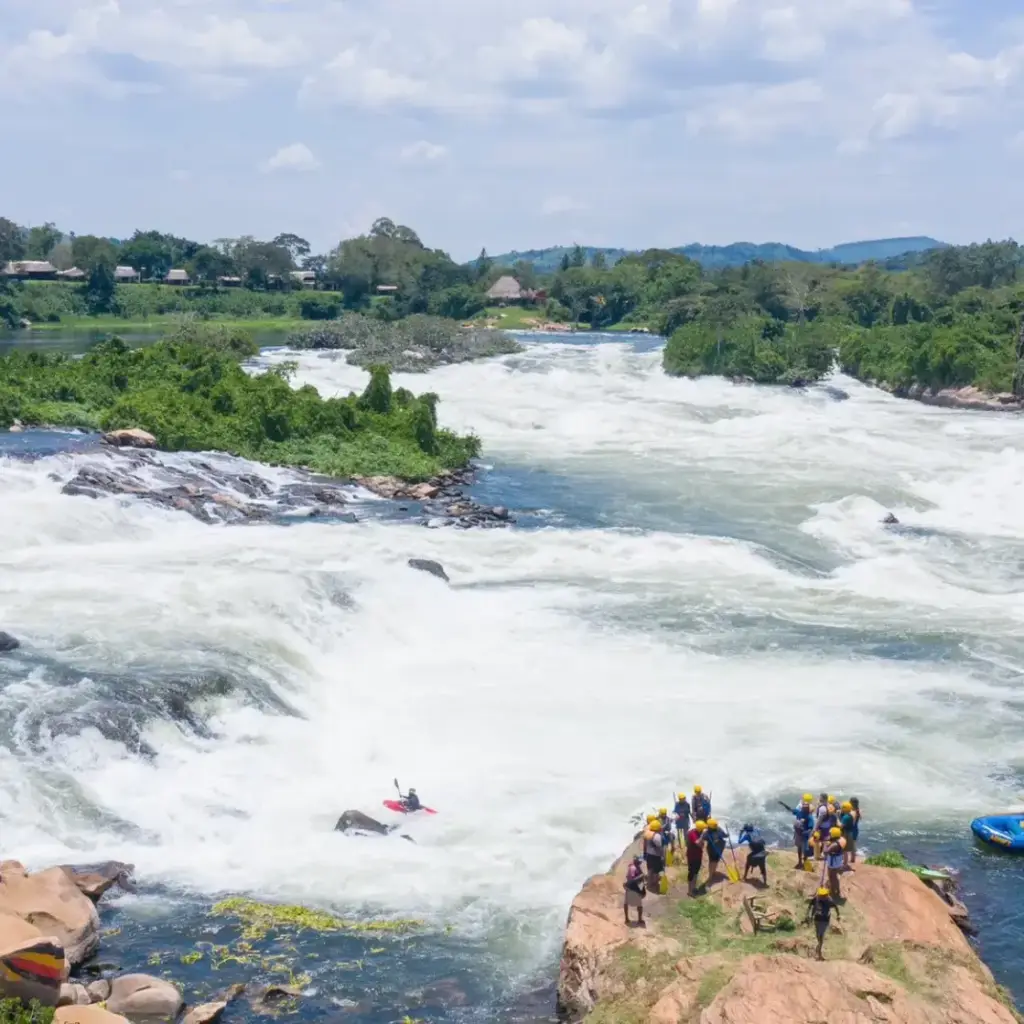
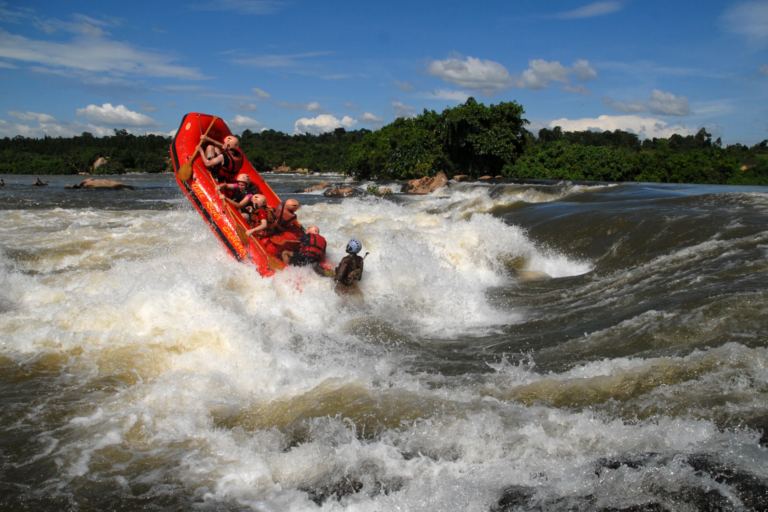
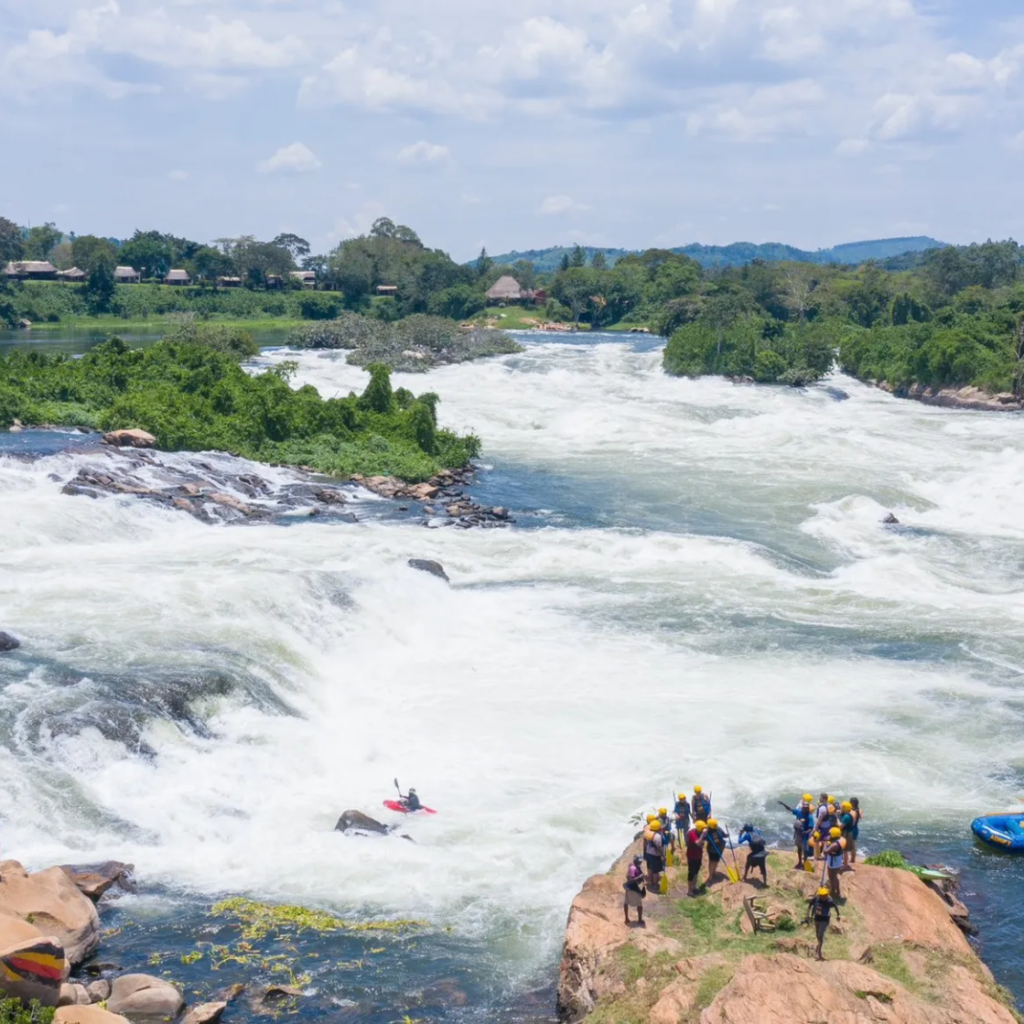
Bungee jumping sits within the same cluster of adventure activities around Jinja as Nile white-water rafting, kayaking and quad biking, all accessible from the same base beside Bujagali Falls. Many visitors treat the jump as a short, standalone addition on the morning or afternoon of a rafting or quad biking day, since it takes relatively little time compared with a full rafting run.
Practical notes
- The jump itself takes only a few minutes once harnessed, though arrival, briefing and photography can extend a visit to an hour or more
- Wear secure, closed footwear and avoid loose jewellery or anything that could dislodge during the fall
- Photography and video packages are usually available as an add-on for those who want a record of the moment
- First-timers often find the walk to the platform edge more nerve-wracking than the jump itself; staff are experienced at coaching hesitant jumpers through this moment
Watching rather than jumping
The platform and jump site are also worth a stop for travellers not planning to jump themselves, since watching others take the drop over the Nile makes for genuine entertainment and photography in its own right, and the surrounding viewpoint over Kalagala Falls has its own scenic appeal independent of the activity itself. Some visitors simply come to watch as part of a wider Jinja day out.
Your first jump: a step by step view
After a short briefing and a weight check, you are fitted with a harness and ankle wraps and led to the platform. A staff member counts down, you step off, and the first seconds are free fall before the cord takes over and you rebound above the river. Staff then lower you to a boat or the bank.
Most jumpers say the build up is harder than the jump itself. If you freeze at the edge, the team will encourage you or let you step back.
Making the day comfortable
Wear secure clothing and shoes that will not slip off. Leave pockets empty and keep sunglasses in the car. Jumpers should avoid heavy meals before the drop, and people with heart, back or neck problems, or who are pregnant, should not jump.
Spectators are welcome, and many bring a camera. Some operators sell video and photo packages.
Many travellers pair the jump with a visit to the nearby Source of the Nile, where a calm boat ride and a cold drink follow the rush. If you are travelling as a group, jumps are usually taken one after another, with plenty of time to cheer each other on and take photographs from the bank.
Planning your bungee jump
Tell us if you would like to add a bungee jump to your Jinja stay, and we will confirm current health and age requirements with the operator and fit it around your rafting, kayaking or quad biking plans on the same visit.
Photo Gallery