Where golden monkey tracking happens
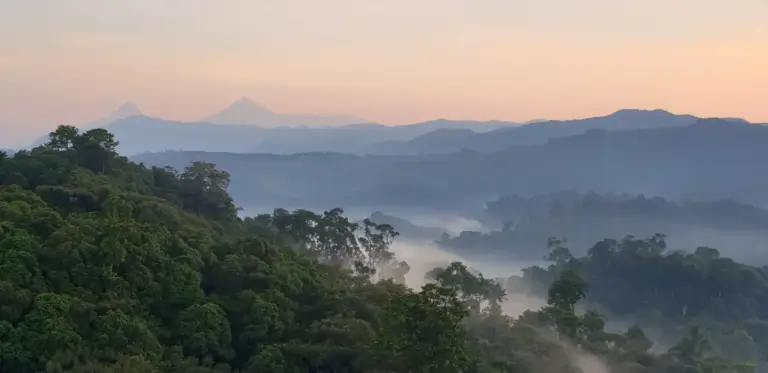
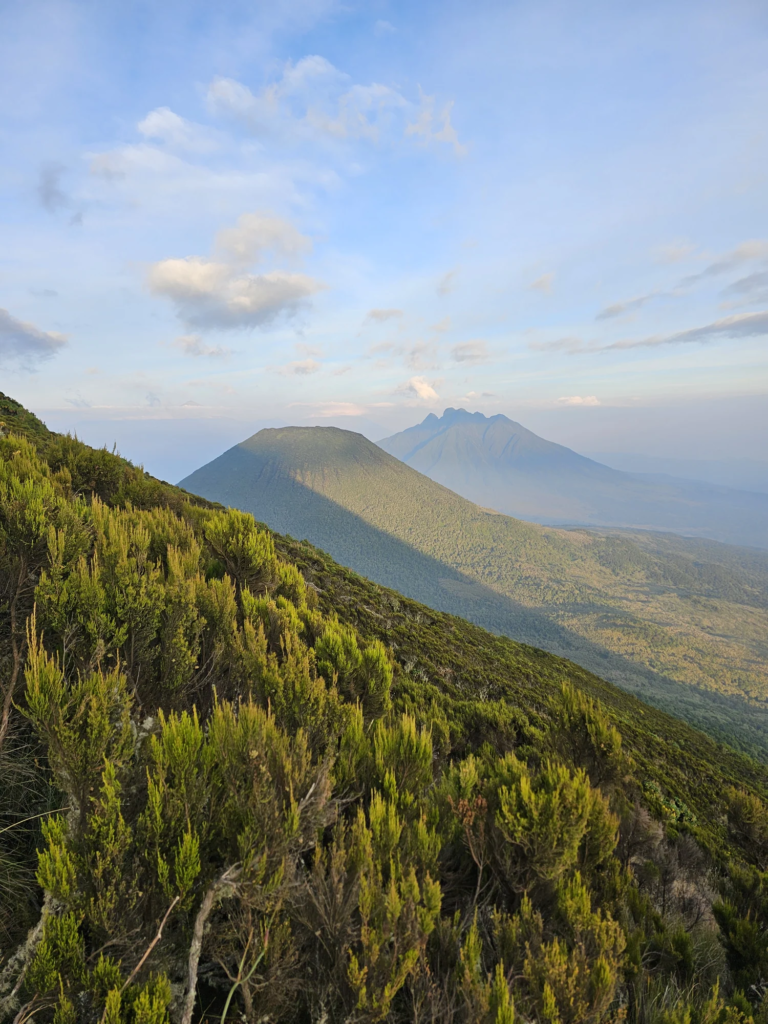
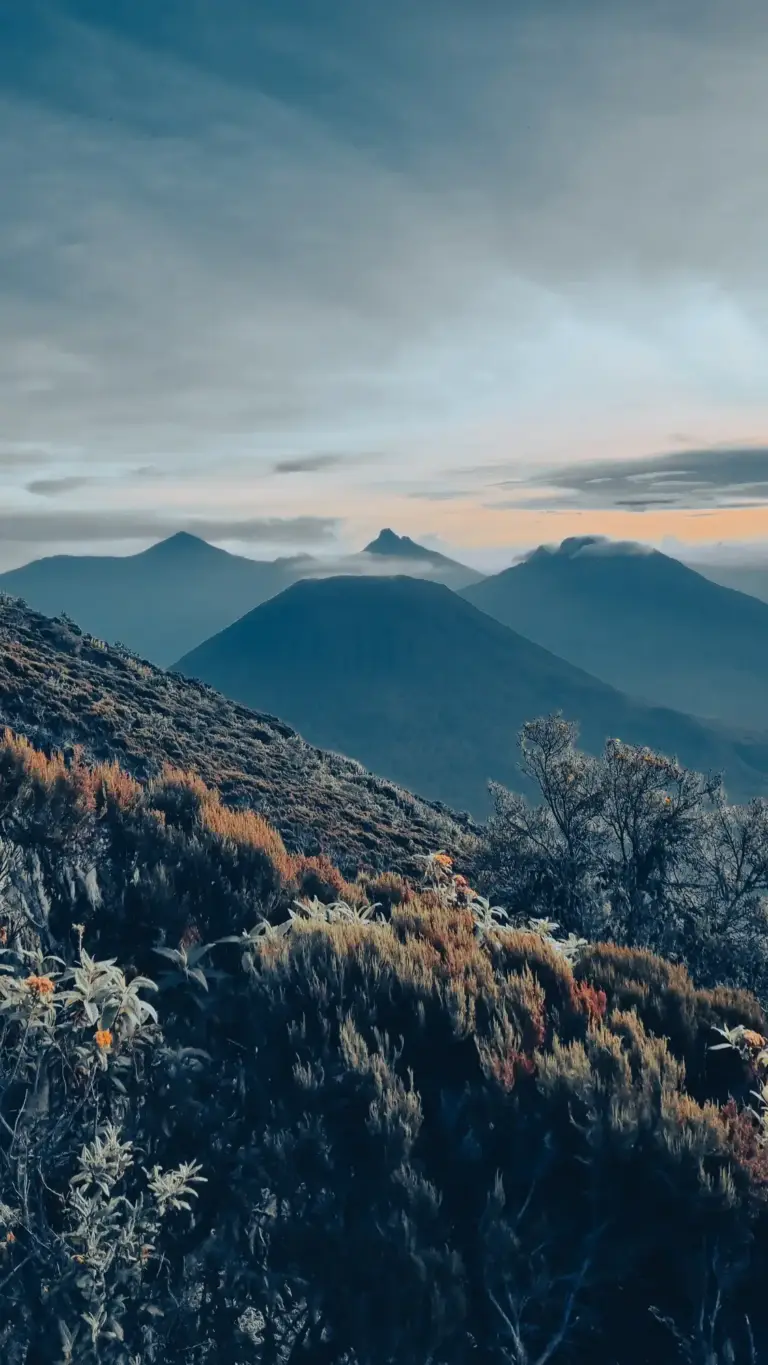
Golden monkeys are tracked in four protected areas across the Virunga Massif: Volcanoes National Park in Rwanda, Mgahinga Gorilla National Park in Uganda, and Virunga and Kahuzi-Biega National Parks across the border in DR Congo. Rwanda and Uganda are the two options most travellers combine with a gorilla trek, since both parks sit within the same bamboo-forest ecosystem gorillas also use, just at lower, more open elevations.
What a trek involves
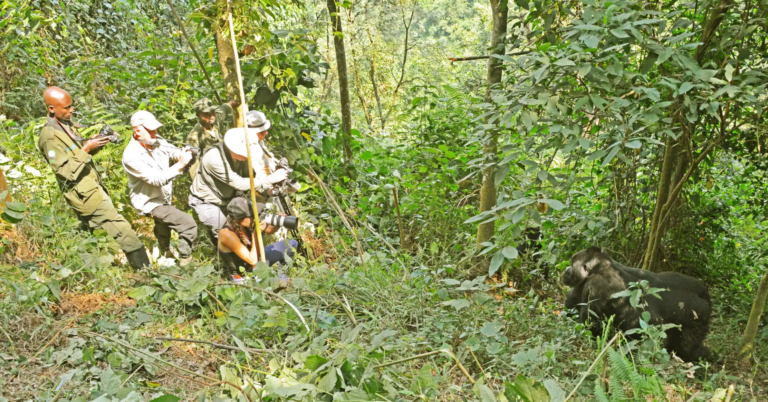
A troop of habituated golden monkeys can number anywhere from 30 to over 100 individuals, and because they move constantly through the bamboo in search of shoots, fruit and leaves, a guided team of trackers locates the troop each morning before visitors set out. In Rwanda, the walk to a habituated troop is often short, sometimes under an hour from a brief drive to the trailhead, since Volcanoes National Park’s monkey groups range close to the park boundary. In Uganda’s Mgahinga, treks run longer, from two to six hours depending on where the troop has moved overnight, reflecting the park’s smaller habituated-group infrastructure and more variable terrain.
Habituated versus semi-habituated groups
Both countries offer two tiers of permit. A fully habituated troop allows a full hour of close observation once found, the group unbothered by a small group of quiet visitors standing a short distance away. A semi-habituated troop keeps its distance more readily, and permits for these groups typically allow up to four hours in the forest to compensate for the extra time needed to approach without scattering them. Full habituation takes years of daily contact by park staff so which tier is available depends on which troops a given park has invested in.
What you’ll see
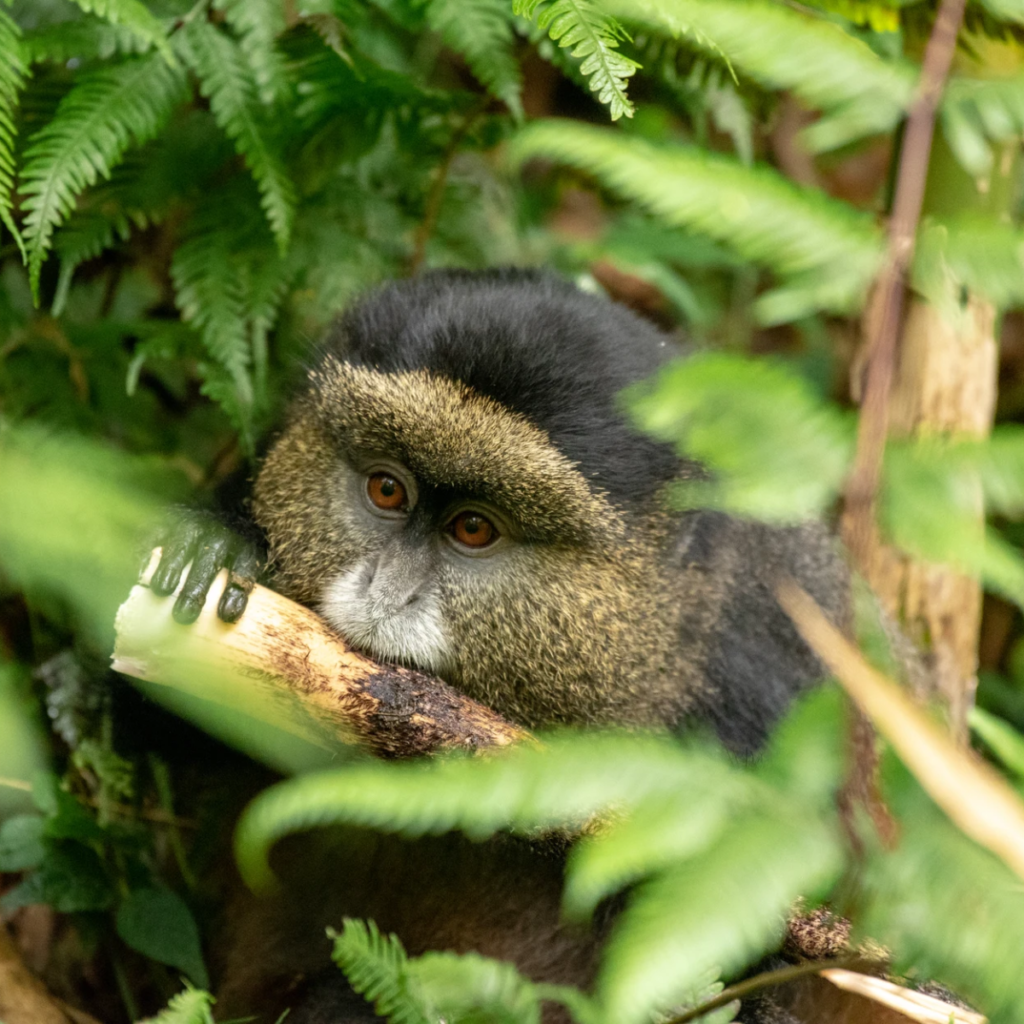
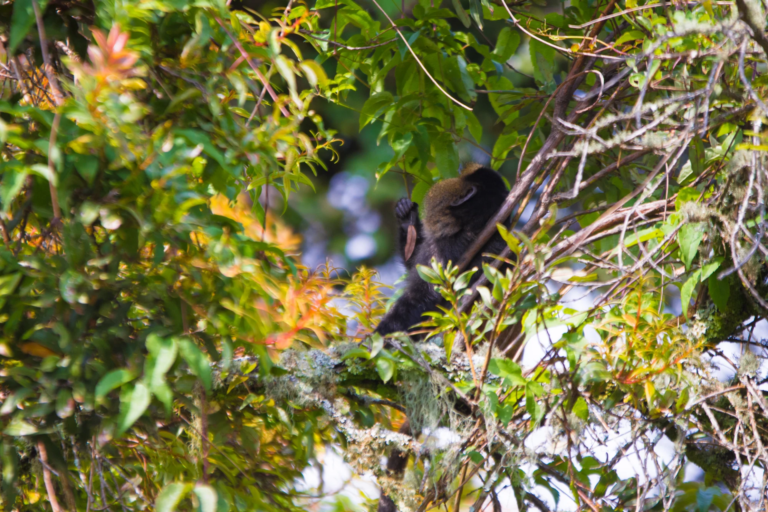
Golden monkeys are considerably more active and vocal than the region’s other well-known primate, moving quickly through the bamboo canopy in tight family clusters, chasing, grooming and calling to each other rather than resting for long stretches. Their gold patches are most vivid in good light, and a troop feeding in the open bamboo stands photographs well against the surrounding green. Watching them weave nightly sleeping platforms from bent bamboo stems is one of the more distinctive behaviours to look for, alongside females carrying infants and males moving between neighbouring troops.
Combining it with gorilla trekking
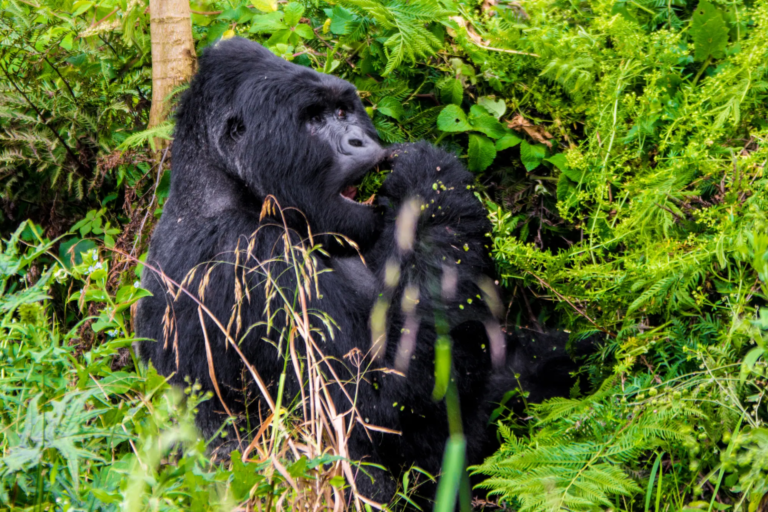
Golden monkey tracking is rarely booked as a standalone activity. Most travellers add it to a gorilla trekking itinerary in Rwanda or Uganda as a lower-cost, lower-effort second primate encounter on a rest day between treks, or as a way to fill a morning before an afternoon flight out of Kigali or a drive on to another park. Because the permit and trek are shorter and less physically demanding than gorilla trekking, it also suits travellers in a group where not everyone wants to commit to a strenuous gorilla trek.
Conservation status
Golden monkeys are classified as endangered, with an estimated population of around 5,000 individuals confined to the Virunga bamboo belt. Permit revenue from tracking funds ranger patrols and habitat protection across all three countries sharing the massif, making tourism a direct part of the species’ ongoing protection, much as it is for the mountain gorillas that share the same forest.
Best time to go
The Virunga region’s two dry seasons, June to September and December to February, offer the most reliable trekking conditions, with drier bamboo-forest floors and less chance of a trek being slowed by mud. Golden monkeys can be tracked year-round, since permits are not seasonally limited the way gorilla permits sometimes are, but a dry-season visit makes for an easier walk regardless of which park you choose.
What to bring
- Sturdy, closed hiking boots and gaiters if you have them, since bamboo-forest ground can be damp underfoot even in the dry season
- A light waterproof layer, as Virunga weather shifts quickly at altitude
- Gardening-style gloves are useful for pushing through bamboo stands without scraping your hands
- A camera with a reasonably fast shutter speed, since golden monkeys move far more than gorillas do
Meeting the monkeys
Golden monkeys are lively and quick, and they spend their days in bamboo, feeding on shoots, leaves and fruit. You may find them leaping between stalks, chasing each other or sitting still while you watch from a few metres away. Their orange gold coats stand out against the green, and the trek ends in a lively hour of watching.
Fitness and terrain
The trek goes through mountain forest and bamboo, often on muddy or steep ground, but groups are usually smaller and walks shorter than gorilla treks. Wear sturdy boots, long trousers and a rain jacket and carry water. A walking stick is useful, and porters are available at the starting point.
A good addition for the day after gorillas
Many travellers add a golden monkey trek to a gorilla trek, using a second day in the volcanoes. The monkeys are lively and the effort is lighter so it works well when you want another primate experience without another full day of climbing. It is also a good choice for companions who did not get a gorilla permit.
Photographing golden monkeys
Golden monkeys move quickly in dim, bamboo filtered light. Use a fast shutter speed and a high ISO and focus on faces. Burst mode helps with leaping animals. Wait for the monkeys to settle, then take several frames. Keep your movements slow and your voice low, and you will be rewarded with natural, lively pictures.
Planning your golden monkey trek
Tell us whether you would rather track in Rwanda or Uganda, and whether you want it paired with gorilla trekking or kept as a shorter add-on, and we will slot the permit and trek into the rest of your Virunga itinerary.