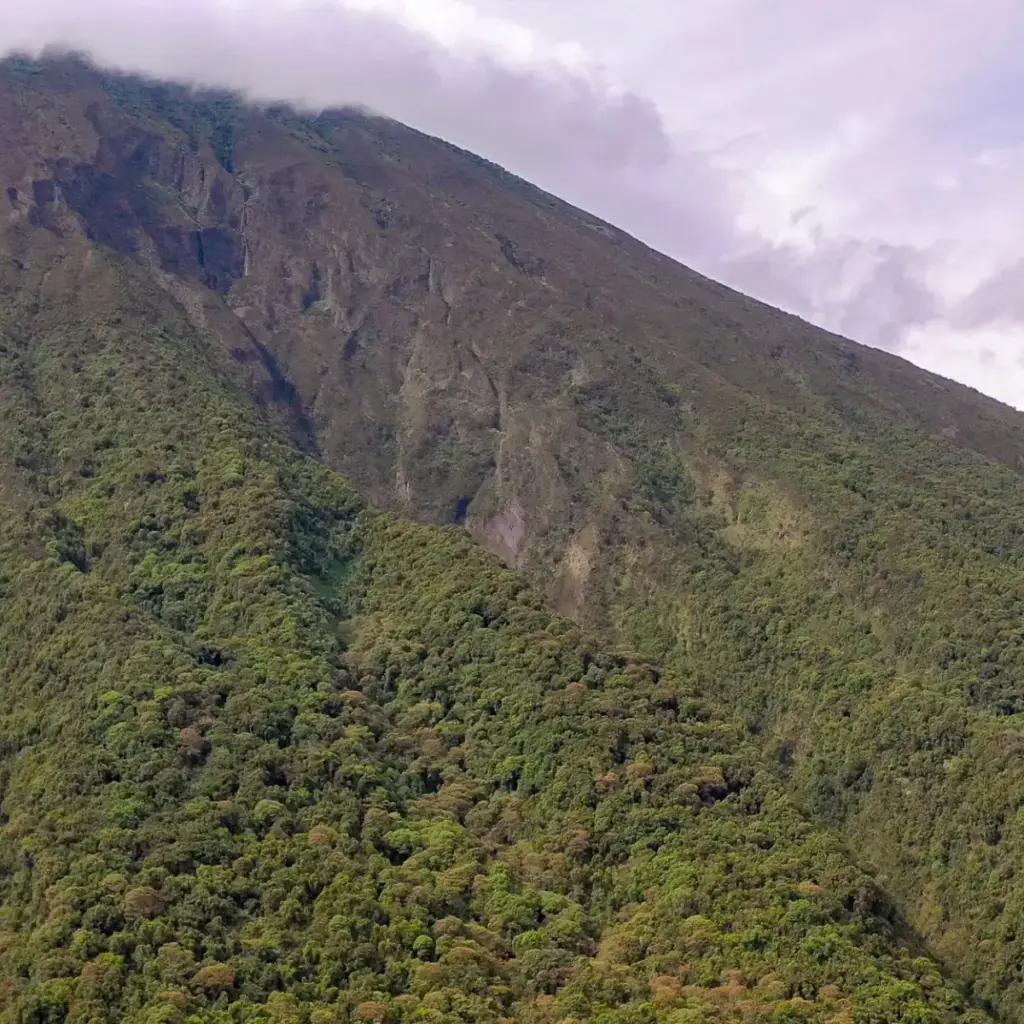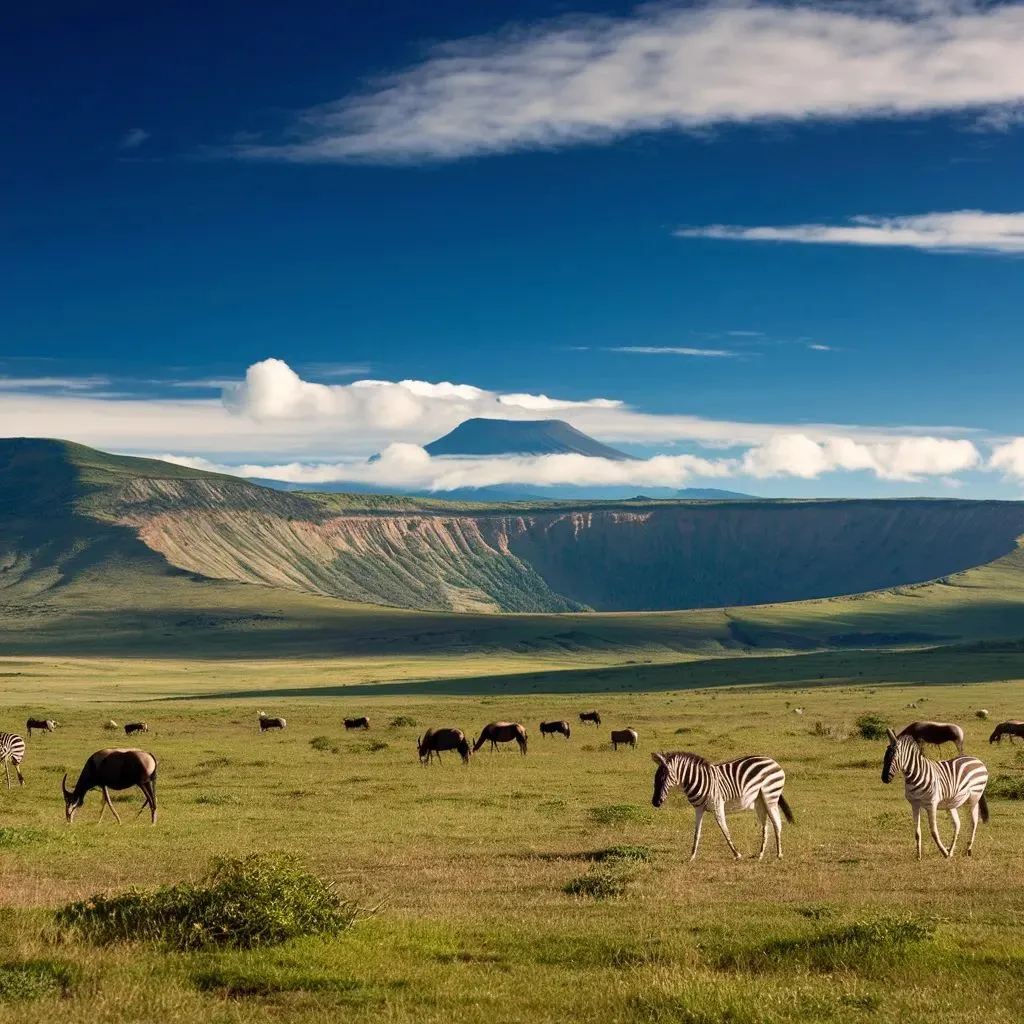
The Ngorongoro Conservation Area protects one of the most extraordinary landscapes in East Africa: the world’s largest intact volcanic caldera, alongside the Olduvai Gorge, a site central to the story of human evolution. Covering roughly 809,000 hectares in northern Tanzania, it was inscribed as a UNESCO World Heritage Site in 1979 for its natural value and again in 2010 for its cultural and archaeological significance.
The conservation area at a glance
- About 809,000 hectares, inscribed as a UNESCO World Heritage Site in 1979 and again culturally in 2010
- Home to Ngorongoro Crater, the world’s largest unbroken volcanic caldera, with a floor area of roughly 260 sq km and walls around 600 metres high
- Supports an estimated 25,000 large animals, mostly ungulates, within the crater alone
- Includes Olduvai Gorge, where fossilised hominid footprints dating back 3.6 million years have been found
The crater
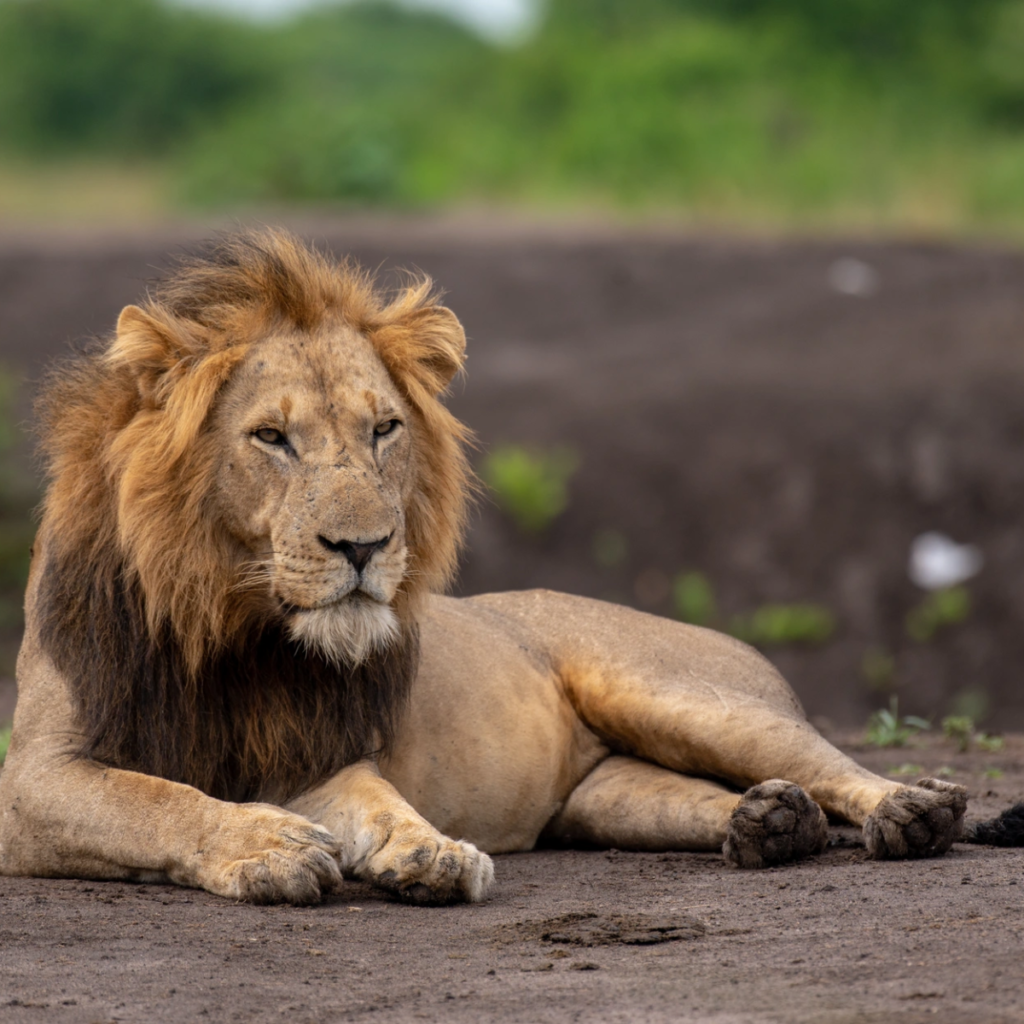
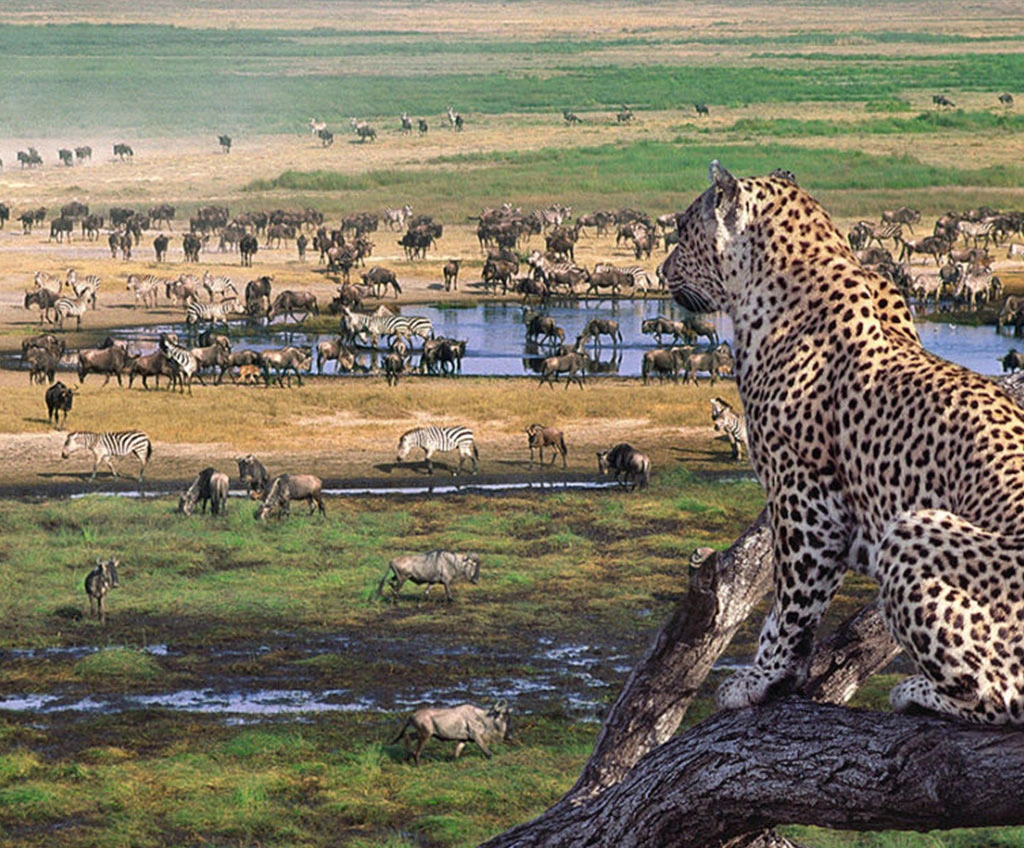
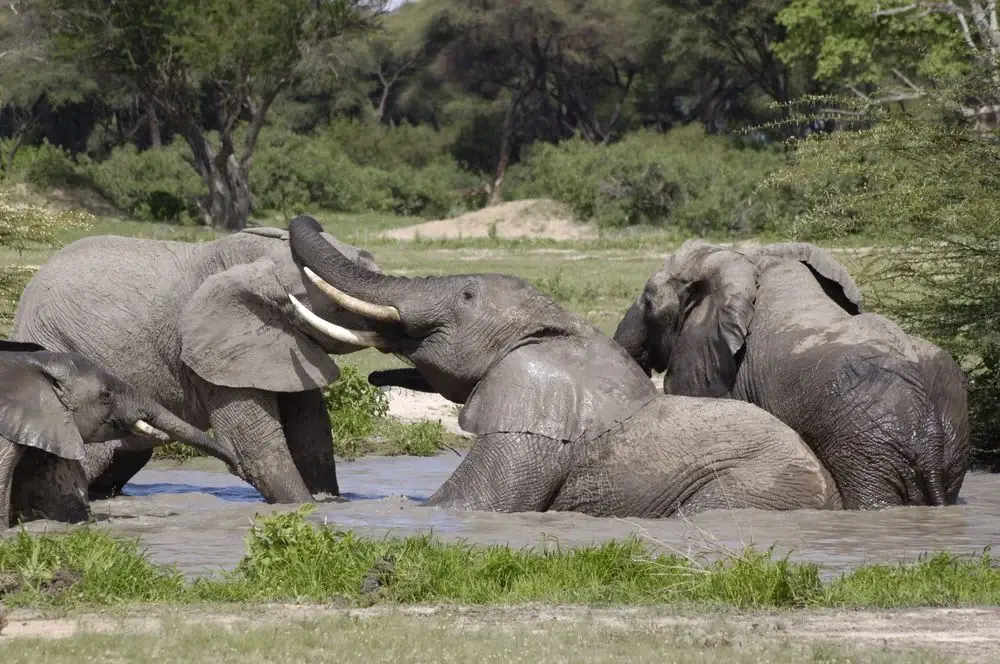
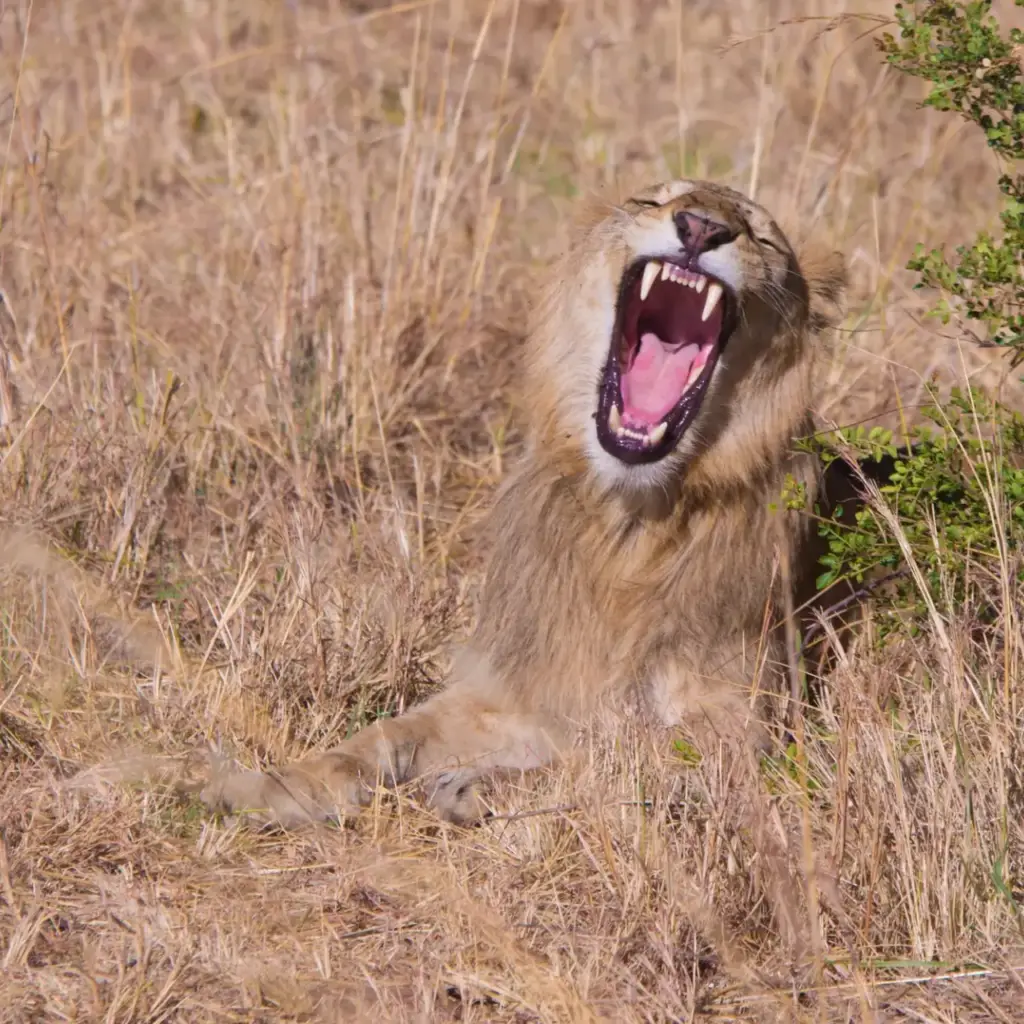
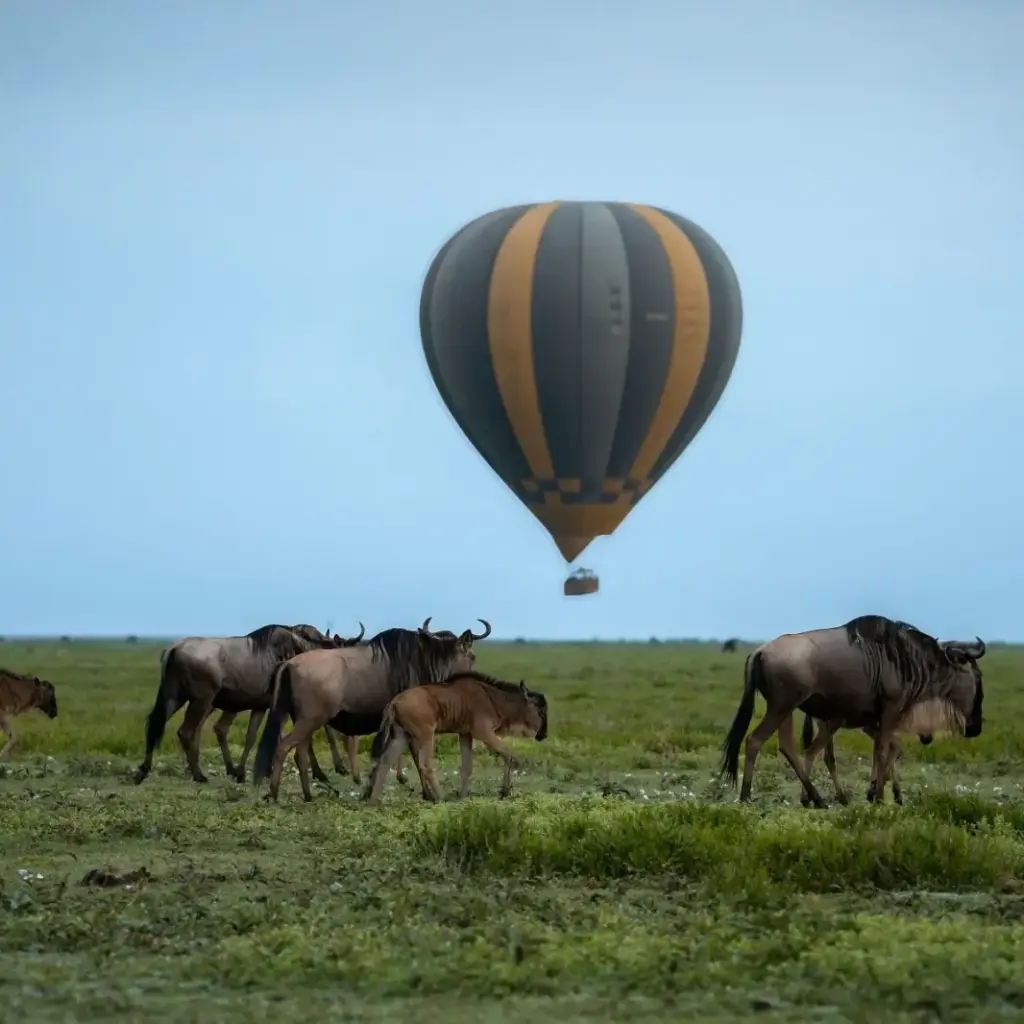
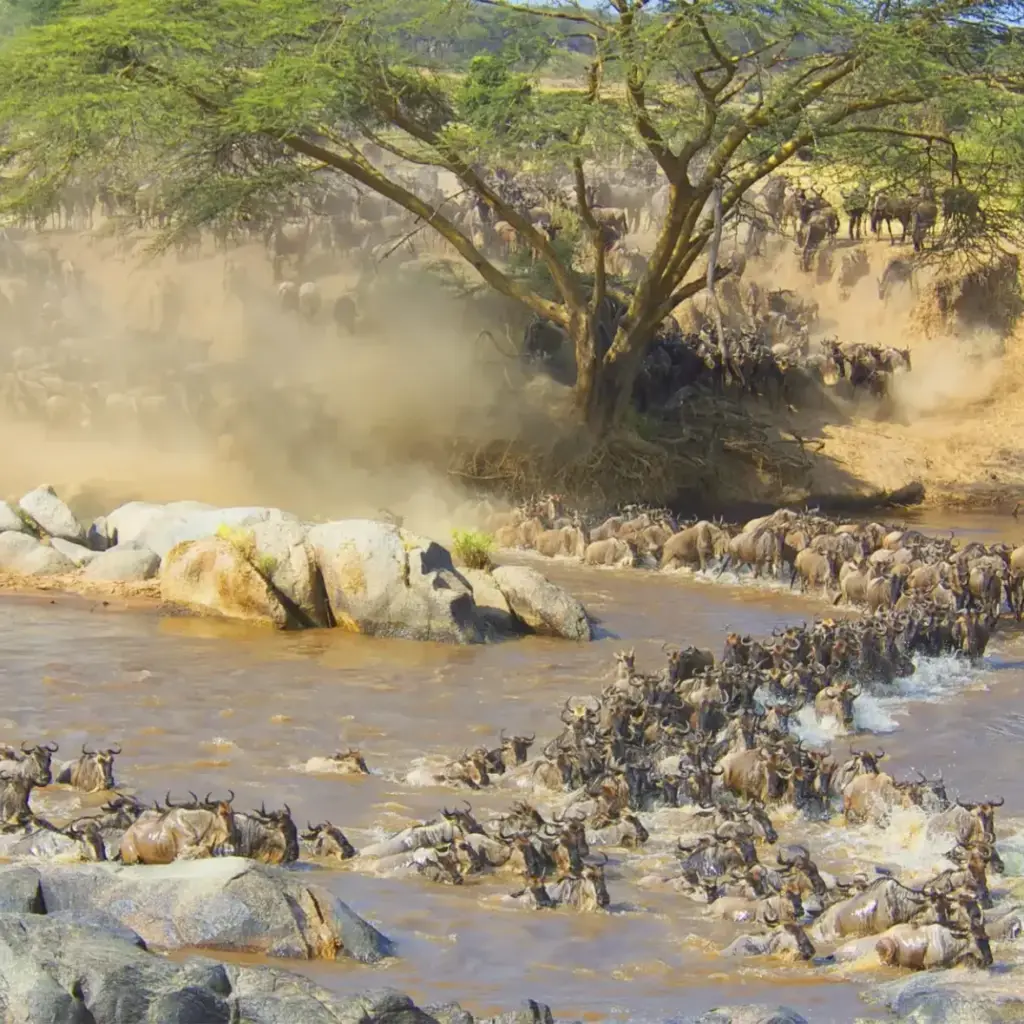
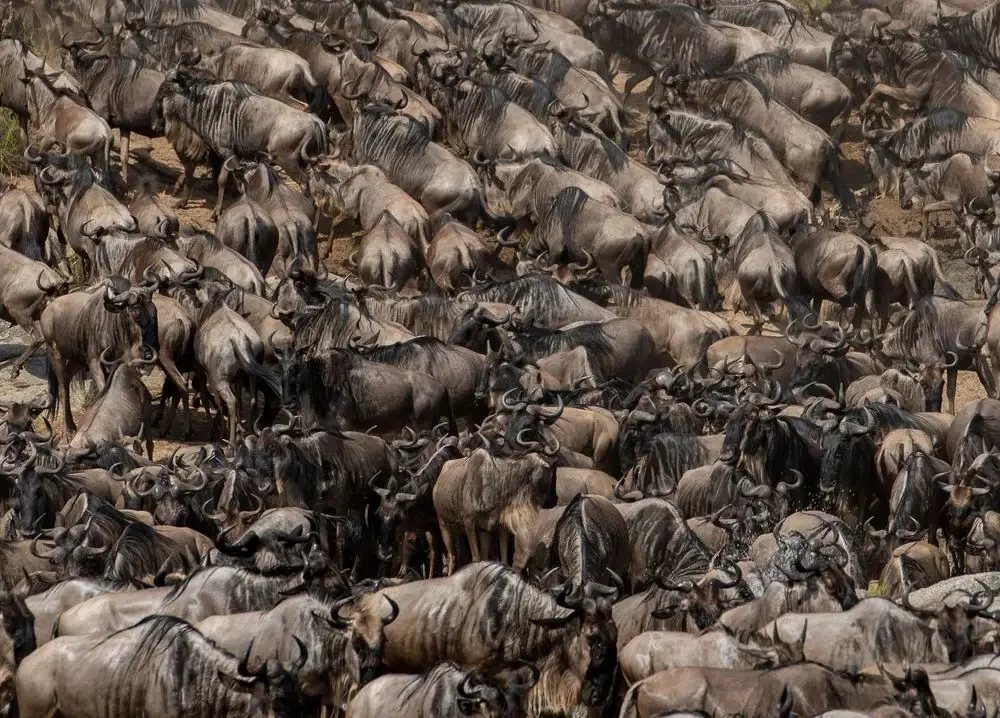
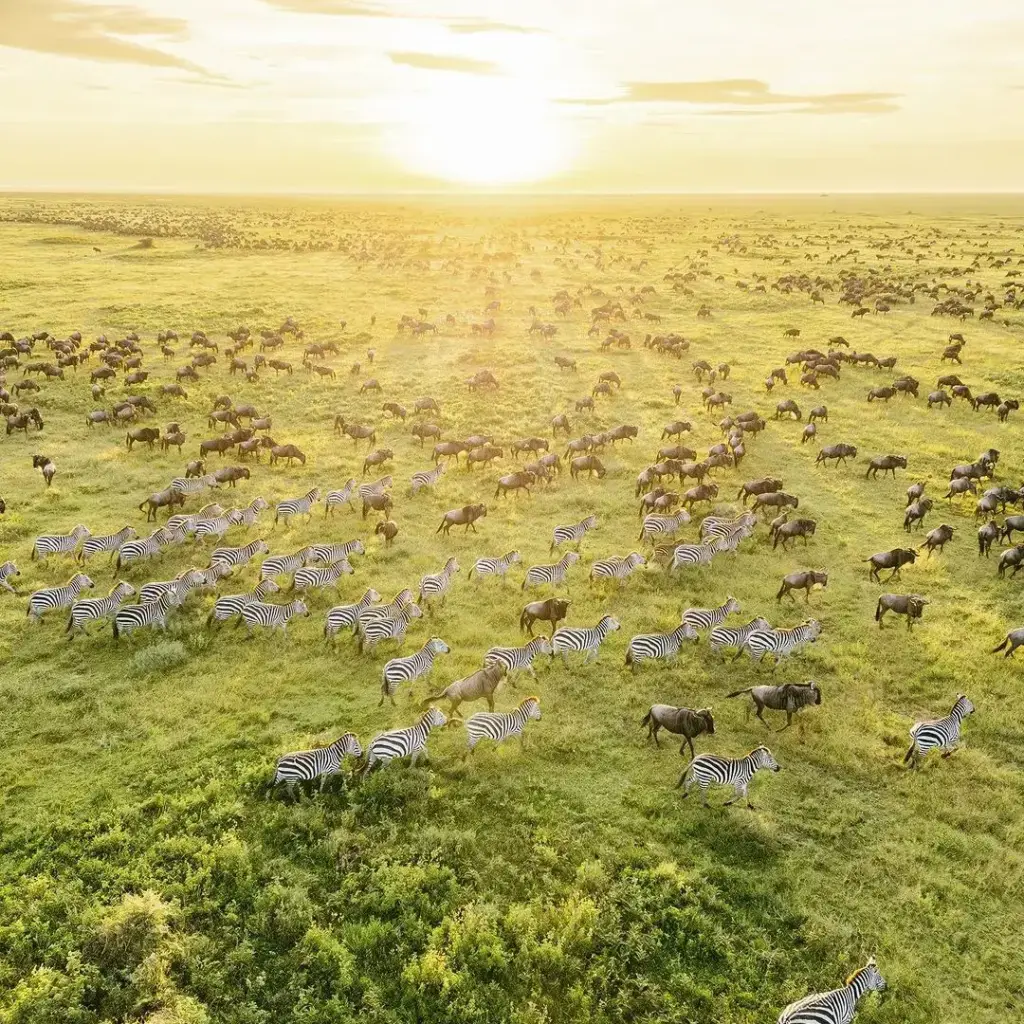
Ngorongoro Crater formed when a large volcano collapsed in on itself millions of years ago, leaving a natural amphitheatre that traps water and grass and supports an unusually dense, largely resident wildlife population. It holds one of Africa’s densest known lion populations and, at various times, has hosted over a million wildebeest, tens of thousands of zebra and hundreds of thousands of gazelle as part of the wider migratory system.
Maasai coexistence and Olduvai Gorge
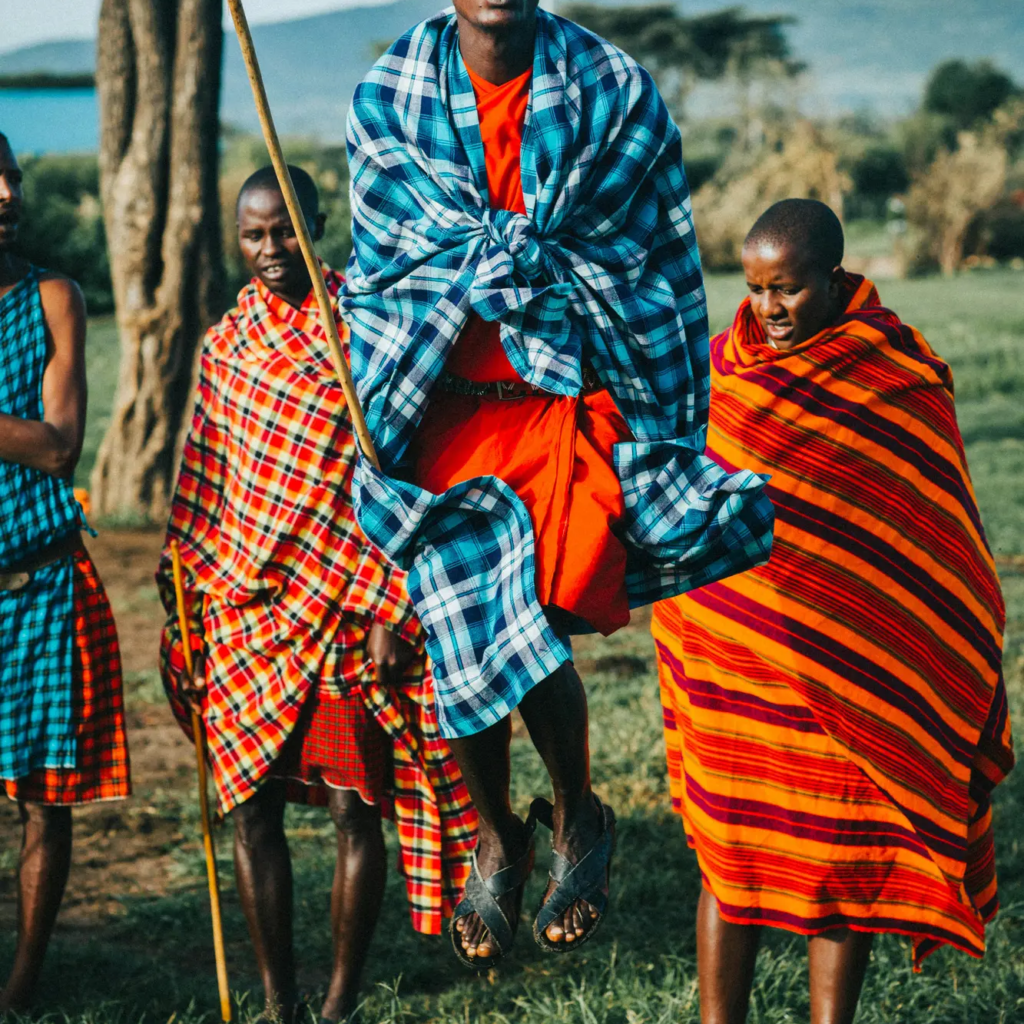
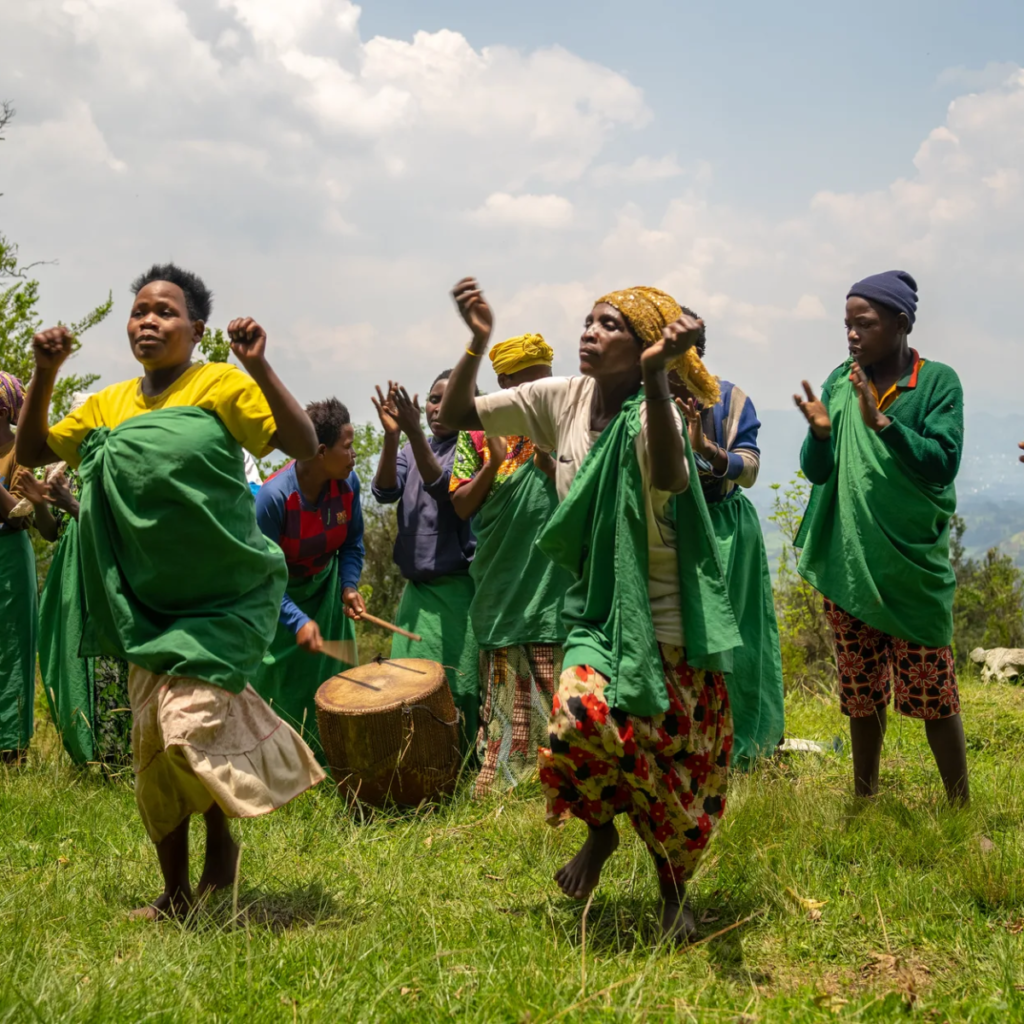
Unlike a standard national park, Ngorongoro was established in 1959 as a multiple-use area where wildlife coexists with semi-nomadic Maasai pastoralists who continue traditional livestock grazing across the wider conservation area. Olduvai Gorge, a roughly 14-km ravine within the property, has yielded fossil evidence spanning nearly four million years of human evolution, including remains associated with Homo habilis.
Things to do
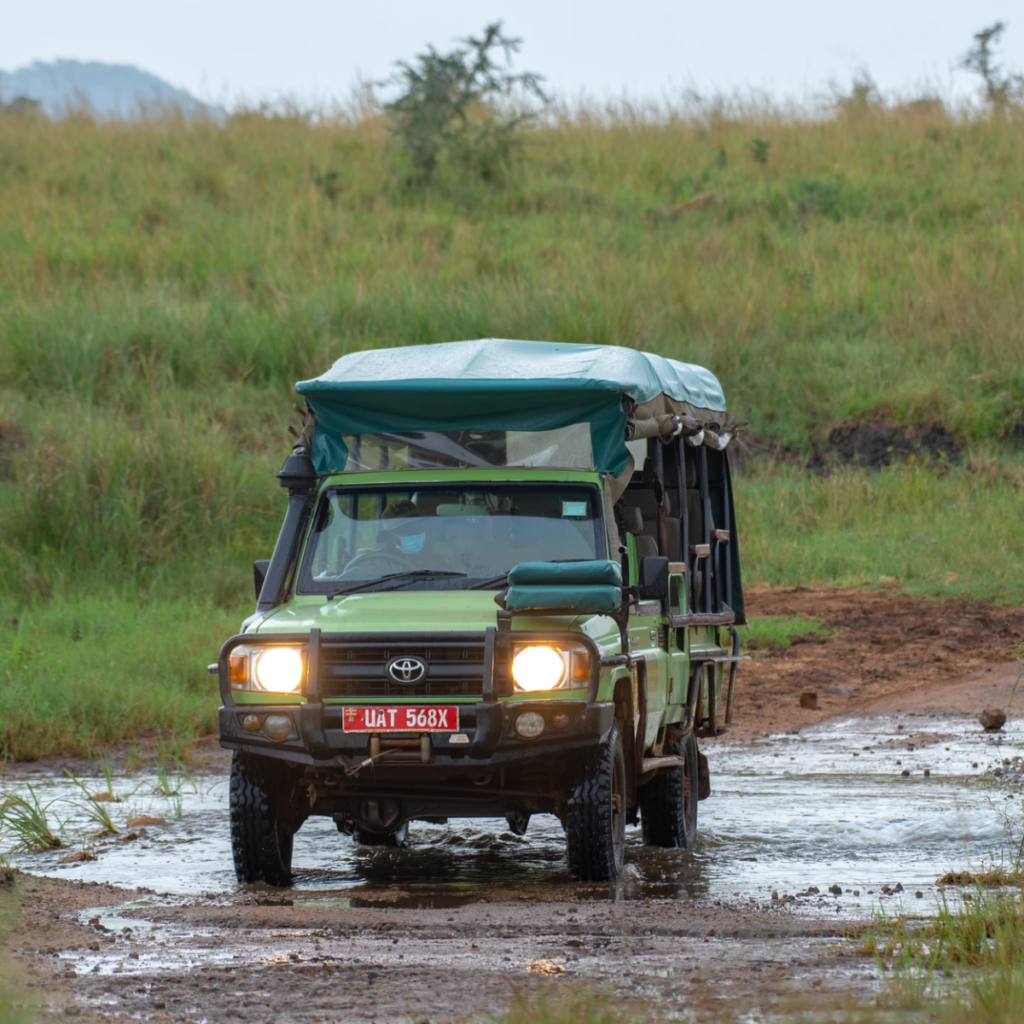
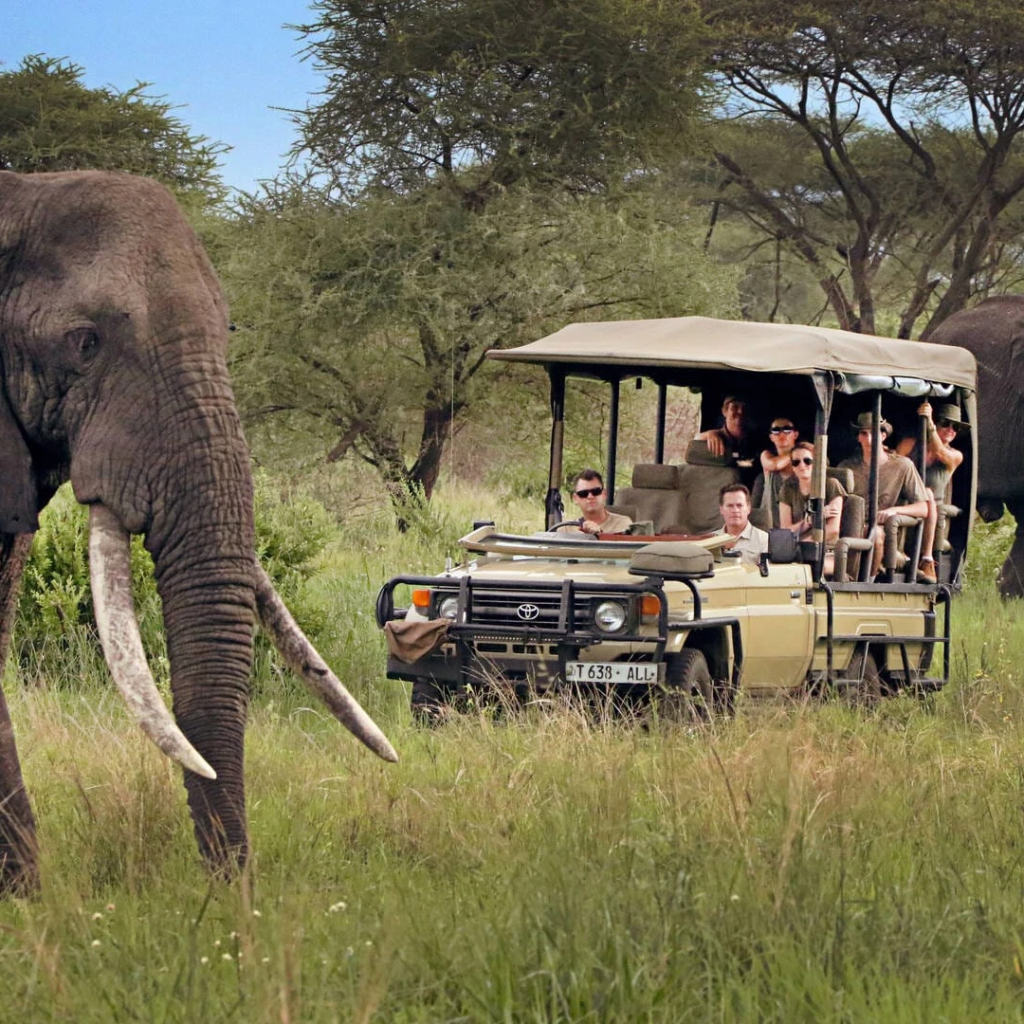
- Game drives on the crater floor for dense, concentrated wildlife viewing
- Visiting the Olduvai Gorge museum and archaeological sites
- Cultural visits to Maasai communities within the wider conservation area
- Viewpoints along the crater rim for panoramic views before or after a descent
Practical information
- Reached by road from Arusha, about three to four hours, and often combined with the Serengeti as part of a northern circuit
- Best visited year-round, though the dry seasons from June to October and January to February offer the easiest game viewing
- Crater floor access is tightly regulated, with vehicle numbers and time limits managed by the conservation authority
Ngorongoro Crater is one of the most concentrated wildlife experiences in Africa, and Offmap Safaris can combine it with the Serengeti or Lake Manyara for a complete northern Tanzania circuit. To start planning, visit Plan My African Safari, message us on WhatsApp at +256 701 243 304, or email [email protected]. See also our notes on health and safety and responsible travel.