A good Tanzania safari itinerary keeps the number of camps low and the number of nights in the Serengeti high. Five days can cover the Serengeti and Ngorongoro by air, seven days adds Tarangire, ten days allows the full northern circuit with a rest and fourteen days can include Zanzibar or the southern parks. This guide gives four sample routes day by day, explains why each is built the way it is and shows how to adjust them for season and pace.
How to shape a Tanzania safari itinerary
Distances in Tanzania are large so the first decision is how much time you want to spend in vehicles. The road from Arusha to the central Serengeti is a long day with a stop at Ngorongoro while a flight from Arusha takes about an hour and a quarter. Most itineraries use a mix: a road journey on the way in, with Tarangire or Manyara and the crater on the way and a flight out from the Serengeti. This saves a day and gives variety. Our Tanzania safari guide sets out each region and what it offers.
The second decision is where to be in the Serengeti. The park is big enough that the right region changes with the month and the wrong region can mean long drives without the herds. We place you according to your dates and we explain the reasoning so you know what to expect.
Five days: Serengeti and Ngorongoro by air
This short route suits travellers with limited time who still want the two most famous places.
- Day 1: Arrive at Kilimanjaro or Arusha airport and transfer to a lodge near Arusha.
- Day 2: Morning flight to the Serengeti with a game drive on arrival and an evening drive.
- Day 3: A full day in the Serengeti with a picnic lunch in the bush.
- Day 4: Morning drive then a flight or road transfer toward the Ngorongoro rim. Evening at the rim.
- Day 5: Early descent into the crater with about half a day on the floor. Drive back to Arusha for onward flights.
Five days is intense and weather can delay flights, so keep a spare evening before your international departure. The 4-day luxury Serengeti and crater by air route is an example of the same idea with extra comfort.
Seven days: Tarangire, Serengeti and Ngorongoro
Seven days is the classic first Tanzania safari itinerary and it works well in any dry month.
- Day 1: Arrive and rest near Arusha.
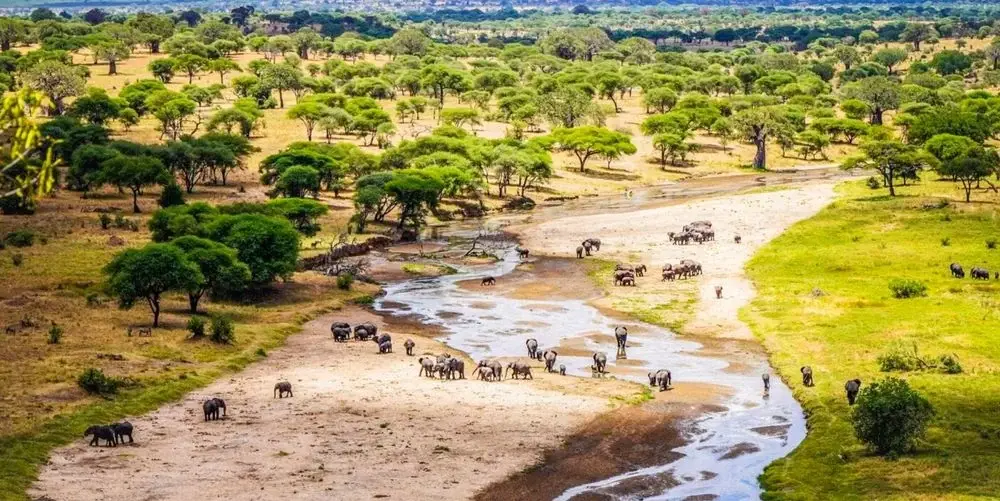
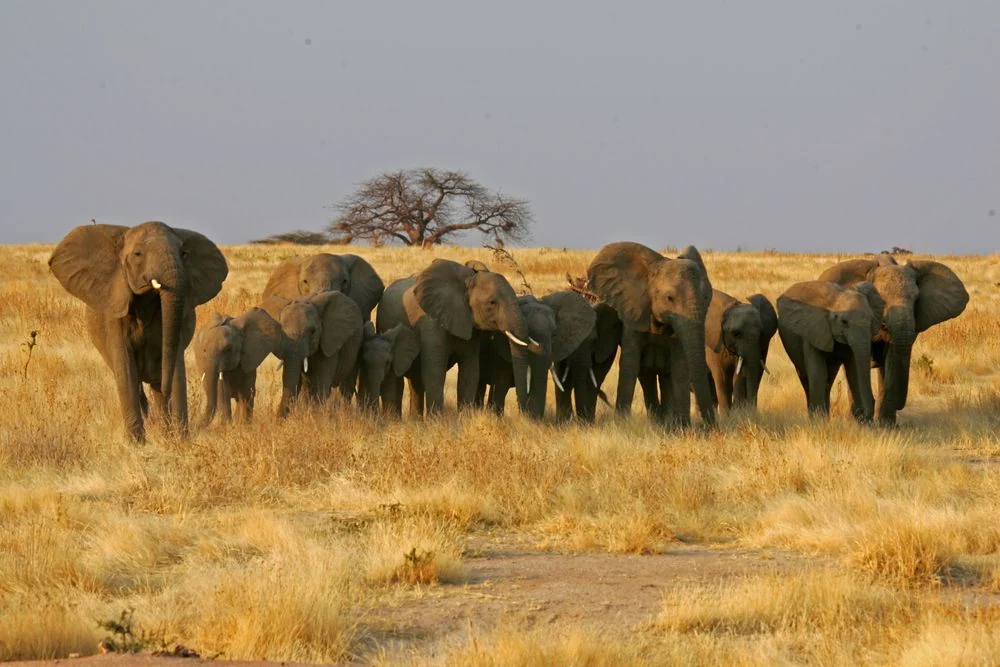
- Day 2: Drive to Tarangire for elephants and baobabs plus a game drive that afternoon.
- Day 3: Morning drive in Tarangire then travel toward the Serengeti by road or by air.
- Days 4 and 5: Serengeti game drives with the second day used to follow wildlife in a different region.
- Day 6: Travel to the Ngorongoro rim and an evening at the lodge.
- Day 7: Crater descent in the morning and then return to Arusha and fly home.
The sequence puts the quieter park first so that you adjust to the pace before the big plains. Some guests swap Tarangire for Lake Manyara if they prefer forest and birds.
Ten days: the full northern circuit with time to spare
Ten days lets the trip breathe. It adds a night at Lake Manyara or Lake Eyasi, and an extra night or two in the Serengeti.
- Day 1: Arrive in Arusha.
- Day 2: Tarangire.
- Day 3: Lake Manyara followed by a forest drive and a visit to the soda lake.
- Day 4: Travel to the Ngorongoro rim or the Serengeti by the scenic road.
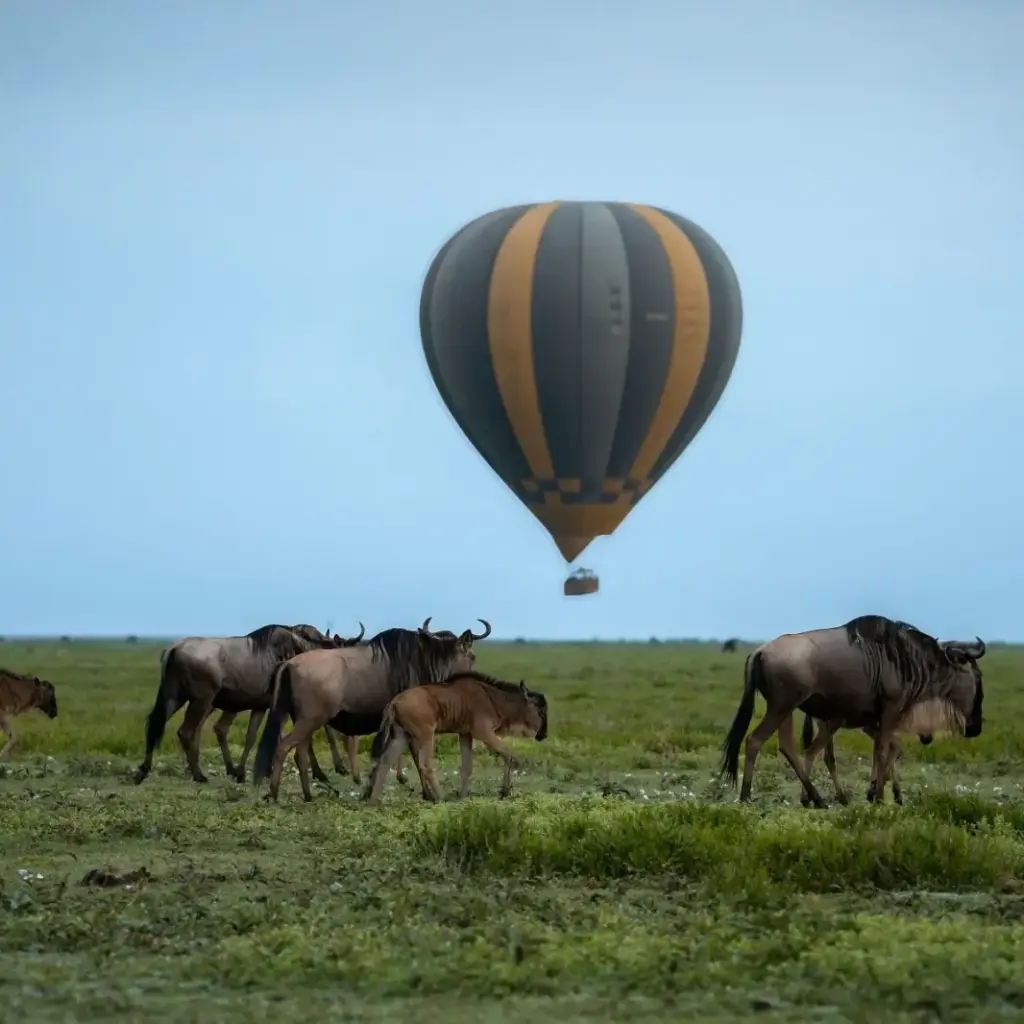
- Days 5 to 8: Four nights in the Serengeti in two camps if you wish to follow the season. A balloon flight can be added on one morning.
- Day 9: Fly to Arusha or Kilimanjaro and spend the night near the airport.
- Day 10: Fly home.
Splitting the Serengeti into two camps costs half a day in transfer but can double the wildlife seen since each region has different strengths. Our Serengeti guide explains how the regions work through the year.
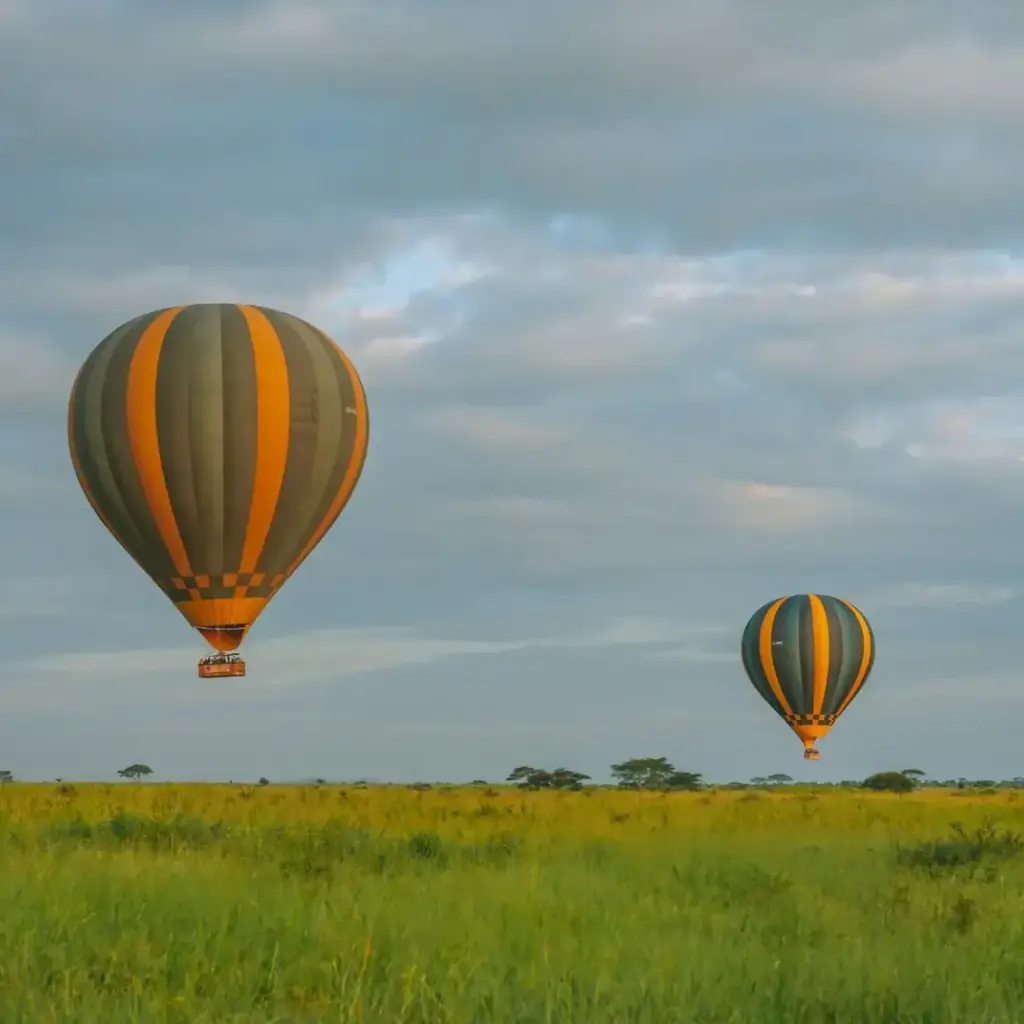
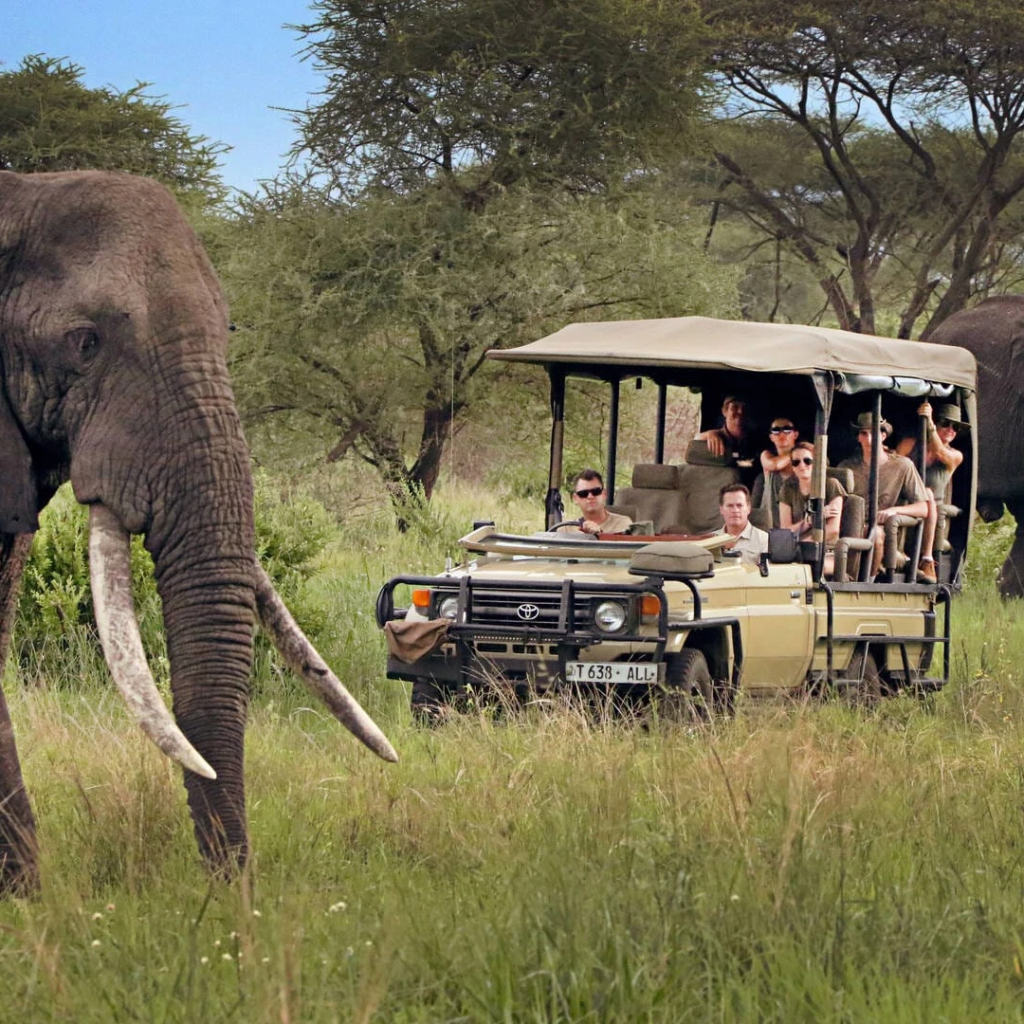
A day in the Serengeti follows the light. Guests leave camp at first light when predators are most active and the air is cool and often return for a late breakfast. Midday is for resting because the animals are resting as well. The afternoon drive runs until the camp curfew and in some private concessions it continues after dark with a spotlight. On a full-day drive, a picnic lunch is served in the bush, this lets you follow a sighting without watching the clock. This is the main advantage of a camp in the right region: you spend your time with animals, not on the road.
Travelling with a Driver guide who knows the park and reads the radio traffic between vehicles adds to the quality of a day. A private vehicle means that you choose when to stay and when to move which matters at a good sighting of a leopard or a hunt.
Fourteen days: safari, south and coast
Fourteen days allows the northern circuit plus either Zanzibar or the southern parks. A beach finish is the easiest with a flight from the Serengeti or Arusha to Zanzibar and four or five nights on the coast. Our Tanzania safari and Zanzibar guide explains how to manage the connection.
Travellers who want a second safari instead can fly from the northern circuit to Dar es Salaam and on to Nyerere or Ruaha. These parks offer boat safaris, walks and very few vehicles and they make a good contrast to the busy plains of the north. A 14 day route might be five nights in the north, three in Nyerere and four in Ruaha ending in Dar es Salaam, though this involves several flights and is best for experienced travellers.
Seasons and the Great Migration
The herds follow the rains so the best base changes through the year. From January to March, the animals are in the southern plains around Ndutu where calving takes place. From April to June: they move north and west passing through the central and western Serengeti. From July to October they are in the north with crossings of the Mara River into Kenya. In November and December they return south. Timing varies from year to year and crossings cannot be promised so we recommend a flexible plan and enough nights to give you more than one chance.
Outside the migration, the Serengeti still has resident lions, leopards, cheetahs and elephants and it is quieter in the green season. Our best time to visit Tanzania guide covers each month in detail.

Practical tips for a Tanzania safari itinerary
Check entry rules in good time. Most visitors need a visa applied for through the official immigration site and the East Africa Tourist Visa does not cover Tanzania. From 1 October 2026, visitors to mainland Tanzania must hold the government inbound travel insurance and we will explain how it is arranged. Discuss malaria and other health advice with a doctor six to eight weeks before you travel and remember that Offmap Safaris is not a medical provider.
Pack in soft bags to meet light aircraft weight limits, usually around fifteen kilograms per person. Bring warm layers for the crater rim and early drives which can be cold. Keep a spare night at each end for delays. Tell us if you are travelling with children, since some camps set minimum ages and ask about private vehicles so that you can leave when you wish. We offer mid-range and luxury versions of every route and our quotes list exactly what is included.
We start with your dates and the experiences you care about then choose camps, guides and transfers to suit you. We explain what is fixed and what can change and our team looks after the trip from the first message to the last transfer. Browse our Tanzania safaris, or tell us your plans on the Plan My Safari page.
Frequently asked questions
How many days do I need for a Tanzania safari itinerary?
Seven days is the classic length for Tarangire, the Serengeti and Ngorongoro. Five days works with flights, ten days gives a relaxed northern circuit, and fourteen days adds Zanzibar or the southern parks. Plan at least three nights in the Serengeti, since it is large.
What is the best first Tanzania safari itinerary?
A seven day route covering Tarangire, the Serengeti and Ngorongoro Crater is the classic first trip. It suits all dry months and balances elephants, big cats and the crater. We adjust the Serengeti region to where the herds are likely to be at your dates.
Should I fly or drive between parks in Tanzania?
Both are common. Roads are long and bumpy in places, but give a sense of the country and include game viewing. Flights save hours, especially into the Serengeti, and carry soft bag limits of around fifteen kilograms. Most routes mix the two.
Can I add Zanzibar to a Tanzania safari itinerary?
Yes. Zanzibar is the most popular finish, with flights from the Serengeti or Arusha, often via Dar es Salaam. Three to five nights is typical. Keep a spare night between safari and flight home, and check entry and insurance rules before you book.
When is the best time to follow the migration?
January to March suits calving in the south, July to October suits the north and the Mara River, and the months between suit the central and western Serengeti. Timing varies each year and crossings cannot be promised, so we plan with flexibility and enough nights.