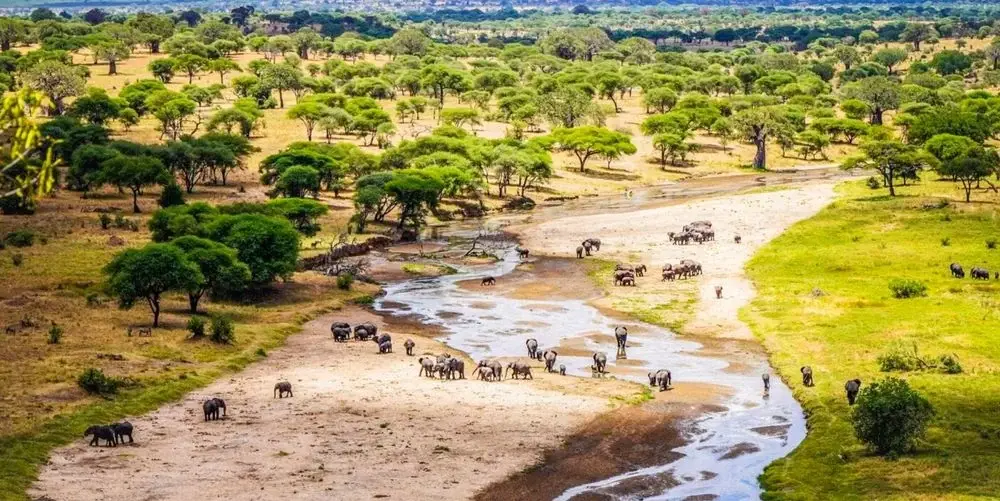
The best time to visit Tanzania for the most epic safaris is the dry season from late June to October, when animals gather near water and the roads are firm. But the answer depends on what you want to see. January to March suits the calving season on the southern Serengeti plains while Zanzibar has its own pattern. This guide to the best time to visit Tanzania explains each season month by month.
Best time to visit Tanzania: the dry season
These are the most popular months for good reason. Rain is rare, the grass is short, and animals concentrate at rivers and waterholes, which makes them easy to find. Tarangire is at its best, and the northern Serengeti holds the Mara River crossings from about July to October.
The trade offs are higher prices and more visitors, particularly in July and August. lodges must be booked early, as the best camps fill well ahead. Mornings can be cold, especially on the Ngorongoro rim. Our guide to the Great Migration by month explains where the herds are during these months.

Calving season, January to March
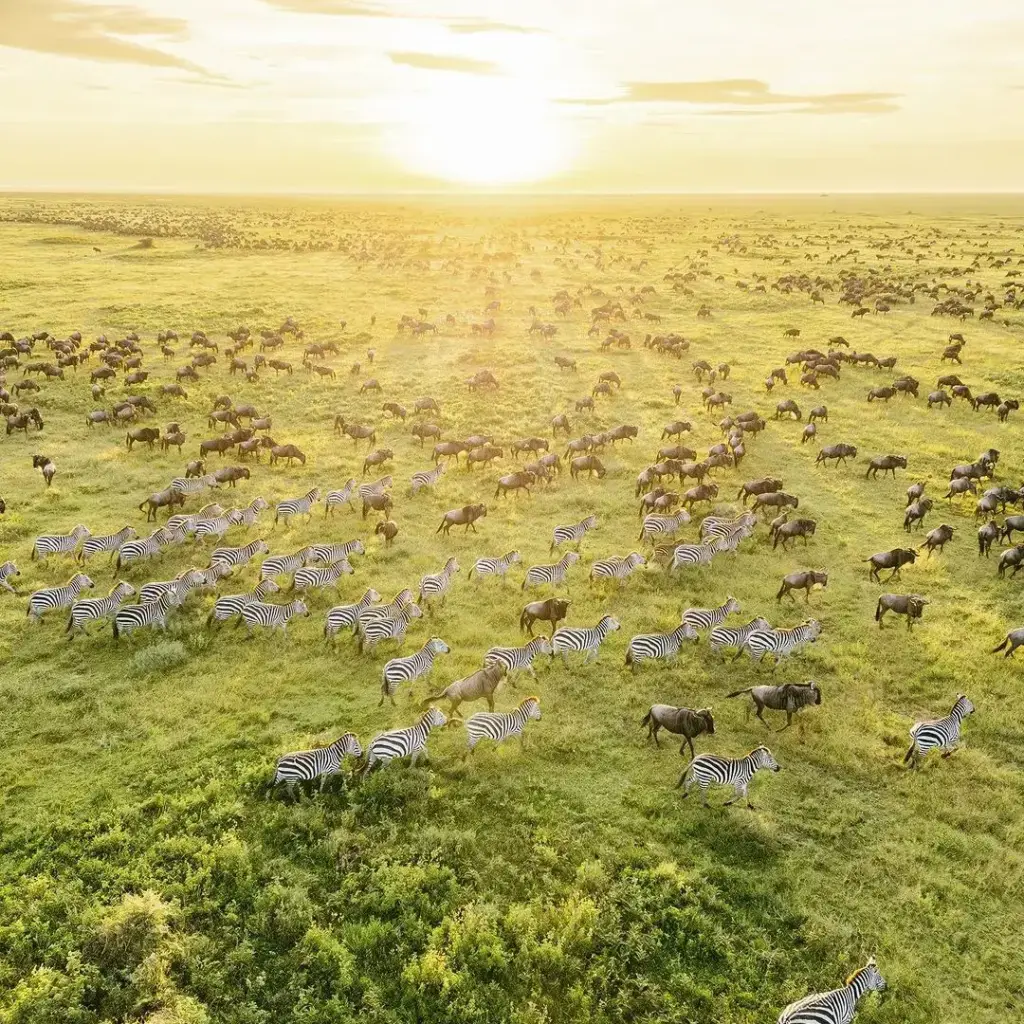
From about January to March the herds gather on the short grass plains of the southern Serengeti and Ndutu area. Here, around half a million calves are born over a few weeks. The newborns attract lions, hyenas and cheetahs, so predator sightings can be dramatic. It is a good time for photographs, and the landscape is green.
These months are warm and mostly dry, with short rain showers. Lodges in the south are popular, so book early. February is often the peak for births, though the herds move with the rains and dates vary from year to year. See our Serengeti National Park guide for the regions.
The long rains, April and May
The long rains fall from about late March to May. Showers are often heavy in the afternoon making some roads really slow, and a few camps close. In return, rates are lower with way fewer vehicles. Expect to see deeper green landscapes.
The herds are on the move mostly in the central and western Serengeti and birdlife is rich. If you are flexible and want quiet, these months can be good value. Expect rain gear and a slower pace on the road. Not all lodges stay open, so we recommend those that do.
The short rains, November and December
Short rains arrive around November and often last into December. They tend to be lighter and shorter than the long rains with a glimpse of sun between showers. The countryside turns green, migrant birds arrive and the herds begin moving south again.
December is a lively month for many families with warm weather and a festive atmosphere. Some lodges charge peak rates for the Christmas and New Year period so the earlier you book the better. Wildlife viewing is still very good in the Serengeti, Ngorongoro and Tarangire, and crowds are smaller than in July and August.
What is the weather like in Zanzibar
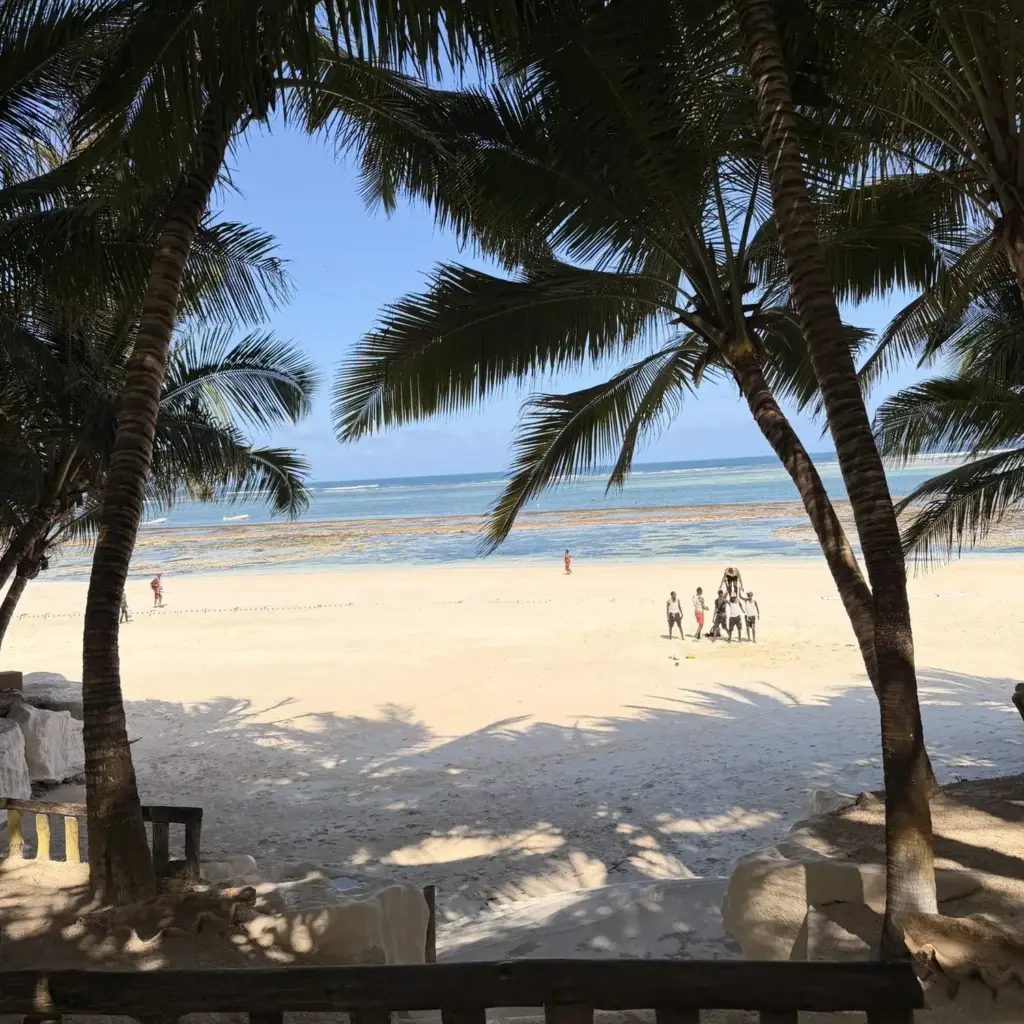
Zanzibar is on the Indian Ocean and its weather has its own rhythm. The driest and most comfortable months are usually June to October and December to February. The hottest and most humid weather comes in January and February. The heavy rains fall from about March to May, when some hotels close or reduce service. A shorter rainy spell often comes in November.
Seas are calm for snorkelling and boat trips in the drier months. Many travelers finish a safari with a few days on the beach, which is easy to plan, and our guide to the things to do in Zanzibar shows what to do there.
Month by month summary and practical tips
- January to March: calving in the south, warm and green, Zanzibar hot.
- April and May: long rains, low rates, quiet parks, some closures.
- June to October: dry season, best for game viewing, Mara River crossings in the north.
- November and December: short rains, green landscapes, fewer crowds than mid year.
Pick the month that suits your priorities, and then pick the region. If you want the herds and the best weather, aim for July to October. If you want calves and predators, aim for February. If you want quiet and value, think about May or November.
Pack layers for cool mornings, a waterproof jacket in the green season and sun protection all year. Seasons shift from year to year yet nobody can promise where the herds will be. We plan with flexibility and tell you honestly what to expect on your dates.
We start with your dates, then choose lodges, guides and transport to suit you. We explain what is fixed and what can change, and one person looks after the trip from the first message to the last transfer. Browse our Tanzania safaris or tell us your plans on the Plan My Safari page.
The Great Migration in Tanzania: Where It All Begins
10-Day Tanzania Safari & Zanzibar Beach Escape
8-Day Tanzania Serengeti & Ngorongoro Safari
7-Day Tanzania Kilimanjaro, Manyara & Olduvai Safari
Accommodation in Tanzania: Lodges & Camps Guide
Mid-Range Safari in Tanzania: Lodges, Migration and Planning
Frequently asked questions
What is the best time to visit Tanzania?
For most safaris, the dry season from late June to October is best, with firm roads and animals near water. January to March is excellent for calving in the south. The right month depends on what you want to see, and we advise on your dates.
When is the calving season in the Serengeti?
Calving is usually from about January to March, with the peak often in February. The herds gather on the short grass plains of the southern Serengeti and Ndutu. The exact timing depends on the rains, so it varies from year to year.
Is it OK to visit Tanzania in the rainy season?
Yes, if you are flexible. The long rains, April and May, bring lower rates, quiet parks and green scenery, but afternoon downpours slow some roads and a few camps close. The short rains in November are lighter. Pack rain gear and plan a slower pace.
What is the weather like in Zanzibar?
Zanzibar is hot and humid. The driest months are usually June to October and December to February. Heavy rains fall from about March to May, and a short rainy spell often comes in November. Seas are calmer in the drier months.
Which month is the cheapest for a Tanzania safari?
April and May, the long rains, usually have the lowest rates, and some camps close. November can also offer good value. July to October and the festive period are the busiest and most costly. Check current rates, as our quotes show everything.