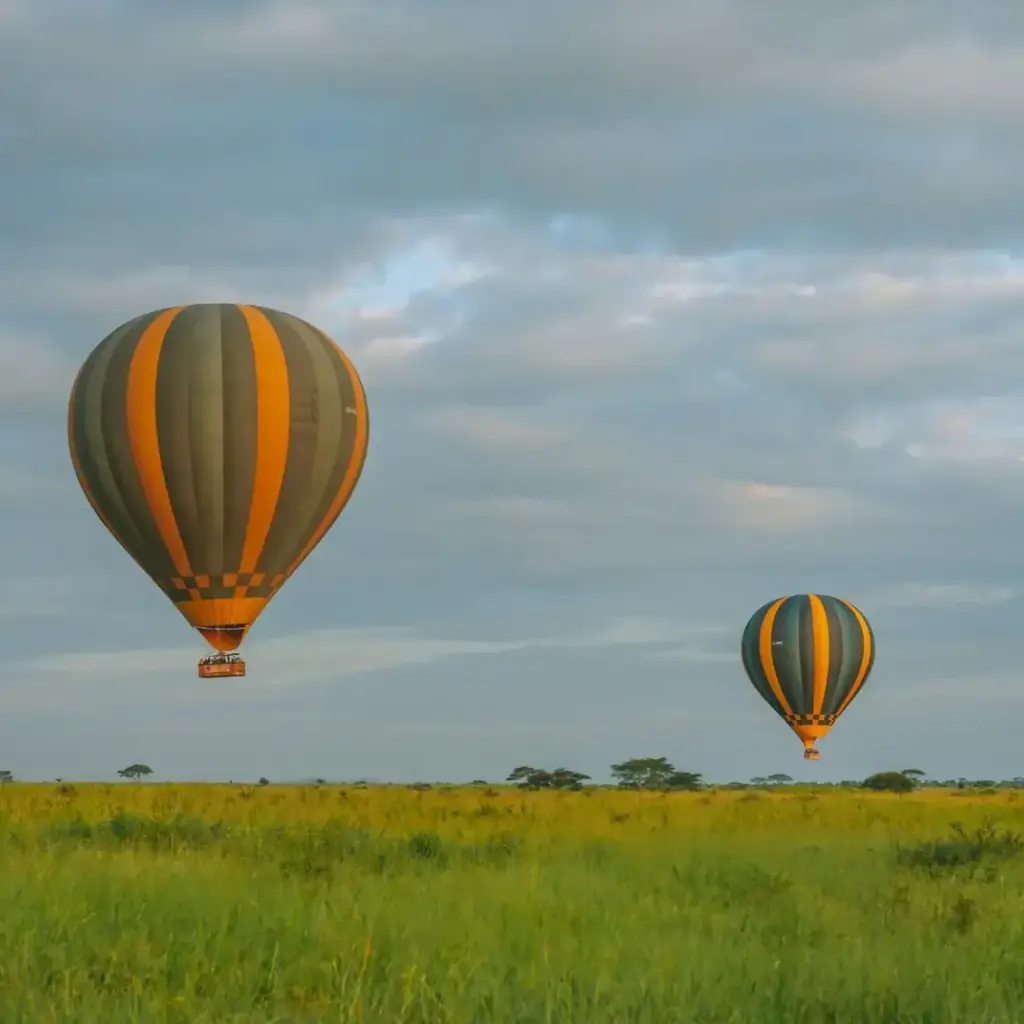
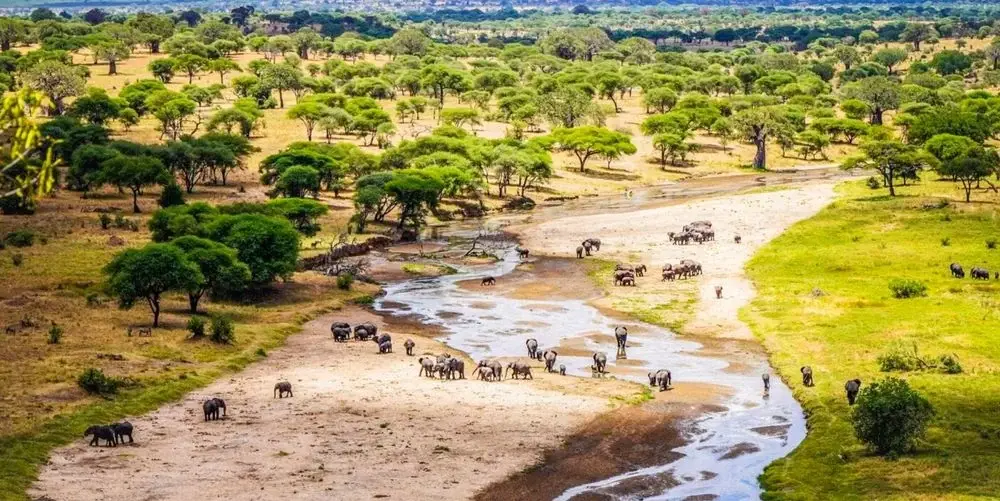
A mid-range safari in Tanzania is the most popular way to see the northern circuit. You stay in comfortable lodges and permanent tented camps with private bathrooms and good food, travel with a private guide and vehicle, and cover Tarangire, the Serengeti and the Ngorongoro Crater in about a week. The migration, big cats and elephants are all within reach. This guide explains what the tier includes, where it works best and how we plan a route that is full without being rushed.
What a mid-range safari in Tanzania includes
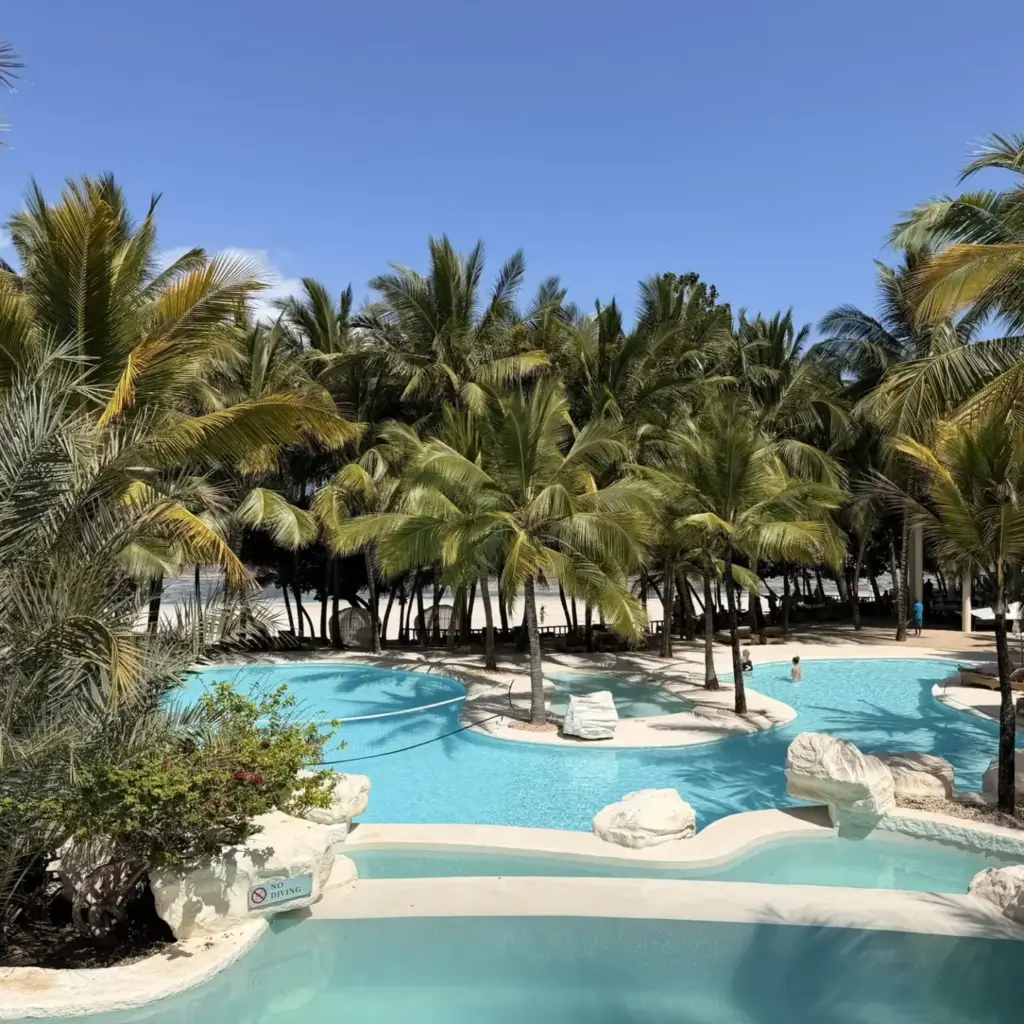
Accommodation is a lodge or permanent tented camp with a private bathroom, hot water and a restaurant. Many have a pool, a bar and a view across the plains or the crater. Rooms are clean and comfortable. The properties are larger than luxury camps, so dining is busier, but the standard is high.
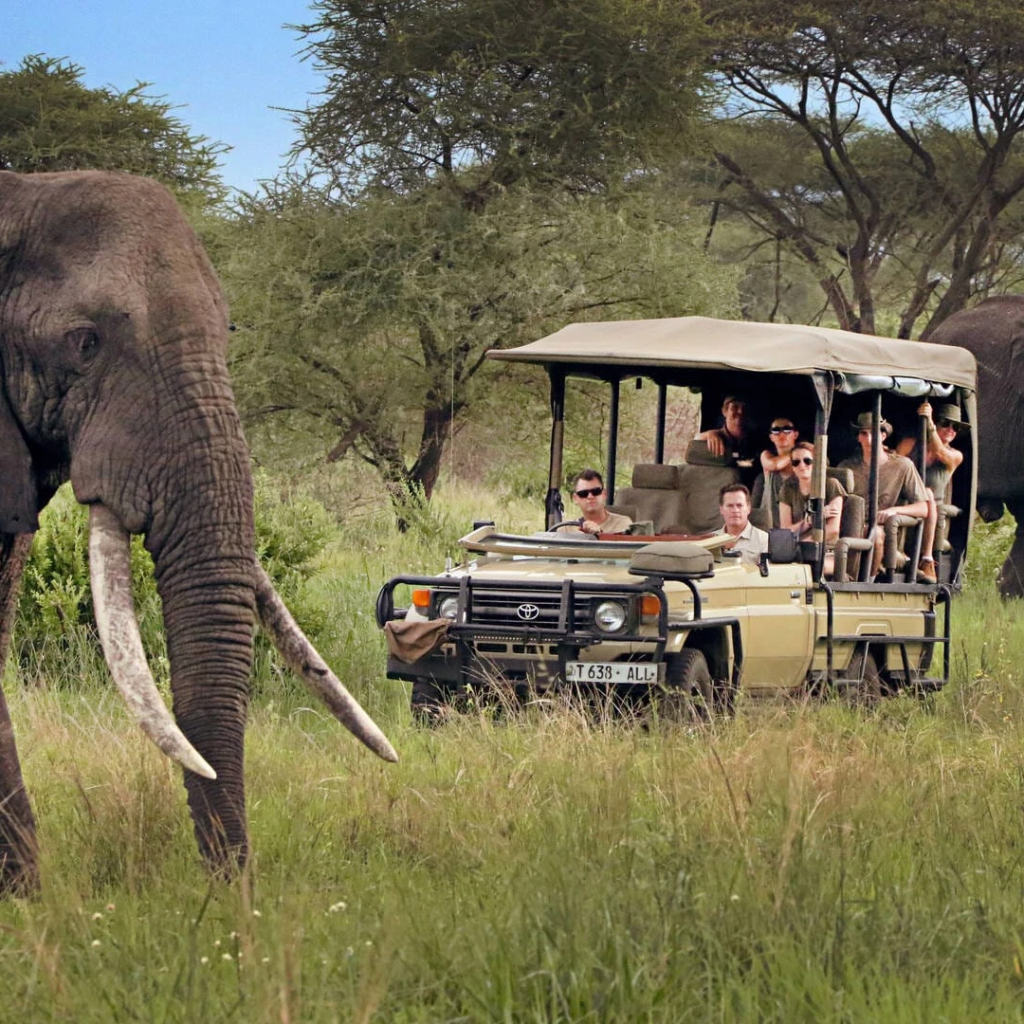
You travel in a private vehicle with a pop-up roof and your own guide. Meals are plentiful, often a buffet at breakfast and a set dinner. Most days include a morning and an afternoon game drive with a rest between. In the Serengeti, early starts help you catch the cats while they are active.
Tanzania’s mid-range lodges are well established, with experienced staff and reliable services. We choose properties that we know, with good locations and good guides, because a lodge in the right place saves hours of driving each day. We visit them ourselves and check them again before each season.
Where mid-range lodges work best in Tanzania
The northern circuit has many mid-range options. Tarangire has lodges and tented camps with views of the river and baobabs. The Ngorongoro rim has lodges with crater views, and the town of Karatu has comfortable lodges nearby at a lower cost, a short drive from the crater gate.
The Serengeti has mid-range lodges and permanent tented camps in the central, northern and southern areas. Lake Manyara has lodges on the escarpment with views over the lake. We choose the lodge by the month, so you stay near the herds.
A good mid-range route spends two nights in Tarangire or Manyara, one in or near the Ngorongoro Crater and three in the Serengeti. That order lets you settle into the safari gradually, and it keeps the longest drive for a day when you have a rest to look forward to.
The migration and the Ngorongoro Crater on a mid-range safari in Tanzania
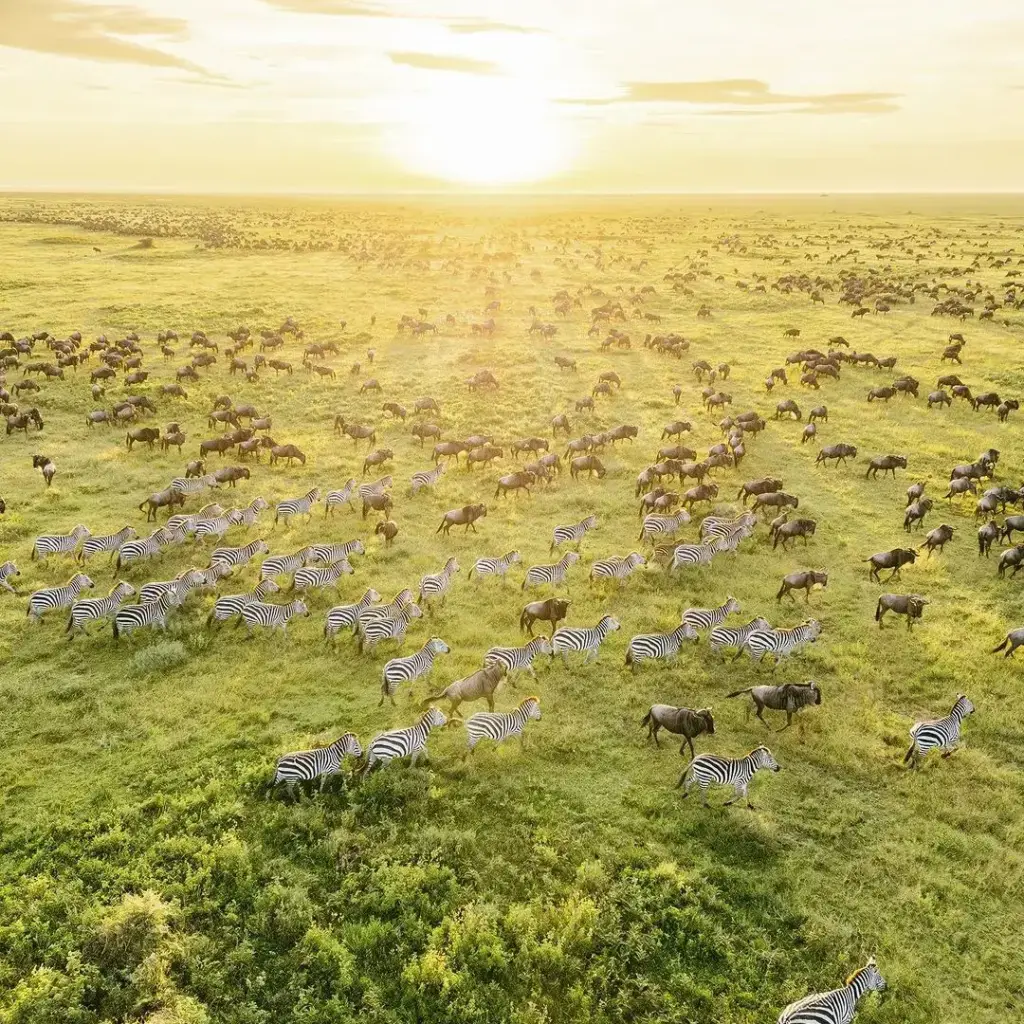
The migration moves through the Serengeti in a circuit. From about January to March the herds calve in the south, and from about July to October they cross the Mara River in the north. A mid-range lodge placed in the right area puts you within reach, and your private guide chooses viewing points.
The Ngorongoro Crater is a self-contained world with a high density of wildlife, including black rhinos. Vehicle numbers are controlled, and an early descent helps avoid crowds. Park and conservation fees are separate from the lodge rate and change. Check current rates before you set a budget.
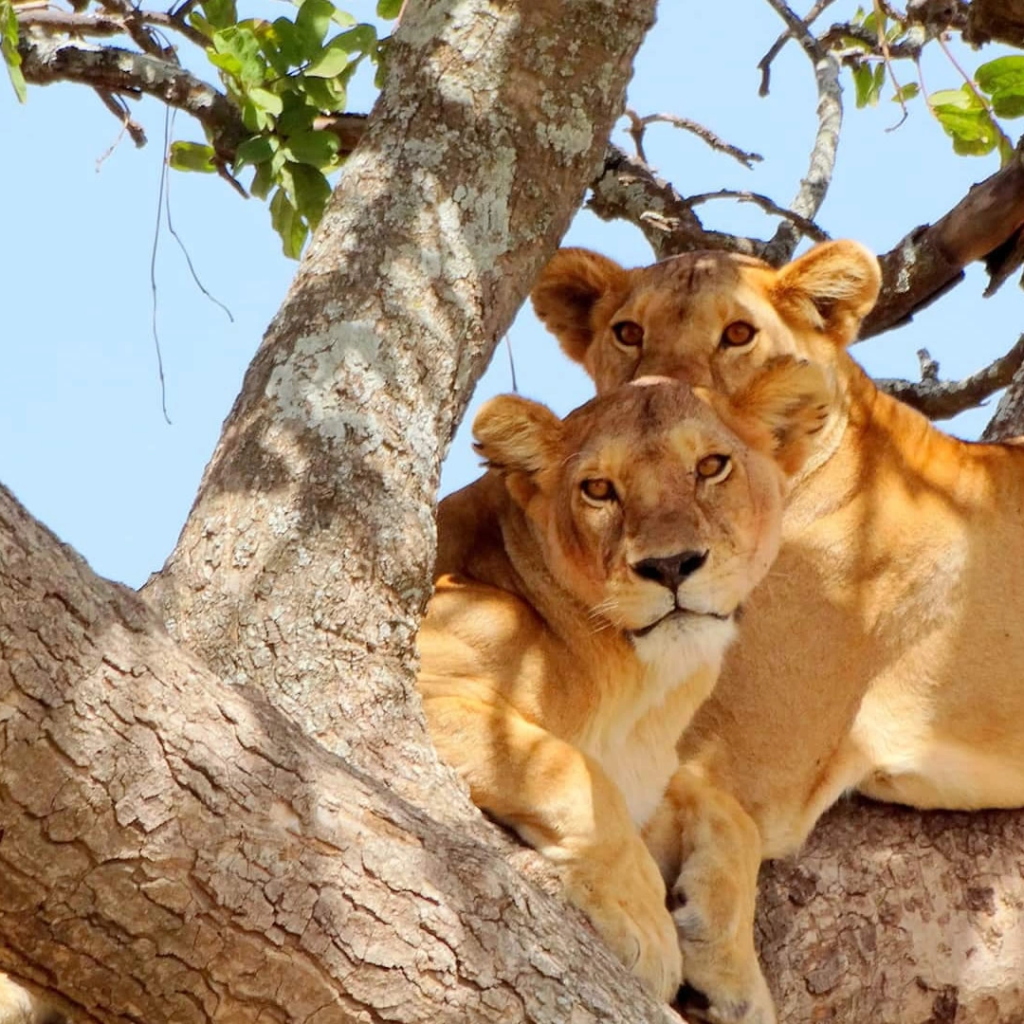
Tarangire is excellent from June to October, when elephants gather along the river. It is also a good place for baobabs, birds and lions that climb trees. Lake Manyara adds forest, flamingos and a different habitat to the route.
Getting around Tanzania on a mid-range safari
Most mid-range routes travel by road from Arusha. Arusha to Tarangire takes about two to three hours, to the Ngorongoro Crater about four, and to the Serengeti about eight, usually with a stop. The roads are mostly paved to Karatu, then rougher on the way into the park. We plan the journey with stops for lunch and viewpoints.
You can add a flight to save a day. Flying one way to the Serengeti and driving back is a popular compromise. We plan the order of the route so long drives come when you are fresh, and so rest afternoons follow them.
A typical mid-range route might run like this. Arrive at Kilimanjaro and spend a night near Arusha. Tarangire for one night, Karatu or the crater rim for one, the Serengeti for three, and back to Arusha. A beach extension on Zanzibar is easy to add at the end.
When to go for a mid-range safari in Tanzania
The Serengeti is good all year. January to March suits calving, and July to October suits the Mara River crossings. Tarangire is best from June to October. Book lodges early for these months.
The long rains, April and May, bring quieter lodges, green plains and lower rates, though roads are muddy. The short rains, November and December, are lighter. Game viewing continues in every month.
Practical tips before you book a mid-range safari in Tanzania
Book early for July to October and for January to March. Pack neutral clothes, a warm layer for early drives and cold evenings on the crater rim, a hat and sunscreen. A scarf helps with dust in the dry months.
Ask your doctor about malaria precautions. Tell us about children, because some lodges set a minimum age for certain activities. Travel insurance that covers medical evacuation is sensible, and we can advise on what to look for.
Think about the length of the trip. Seven to nine days suits most northern circuit routes and avoids rushing. Tell us about your group, your fitness and any dietary needs, so we choose lodges that suit all of you. A rest afternoon after a long drive makes the next morning’s game drive much better.
How Offmap plans a mid-range safari in Tanzania
We start with your dates, group and priorities, then choose lodges, plan the order of the route and arrange transfers. We aim for full days and sensible driving times. One person looks after your trip from the first message to the last transfer.
To compare the three tiers, read our guide to a mid-range safari in East Africa or how to choose a safari budget. Browse our Tanzania safaris or the mid-range safaris page. When you are ready, tell us your plans on the Plan My Safari page.
Frequently asked questions
What is a mid-range safari in Tanzania?
It is a trip with comfortable lodges and tented camps, a private vehicle and guide, and good food. It sits between luxury and budget. You see the same wildlife and the same migration, with larger lodges and fewer extras than the luxury tier.
How many days do I need for a mid-range safari in Tanzania?
Five to seven days covers the Serengeti and Ngorongoro. Eight to ten days adds Tarangire and Lake Manyara. We plan around your dates and the season, and we allow enough days in the Serengeti to follow the herds. Tell us your dates and group size, and we will send a sample route and a clear price.
Are park fees included in the price?
We include park and conservation fees in your quote and explain what is paid. They are separate from lodge rates and change with the season. Check current rates before you set a budget, and tell us if your plans change.
Can I add Zanzibar to a mid-range safari?
Yes. Many travellers end with a few days on the beach in Zanzibar, which is a short flight from Arusha or the Serengeti. We choose a comfortable beach hotel and plan the transfers, so the safari and the rest fit together.