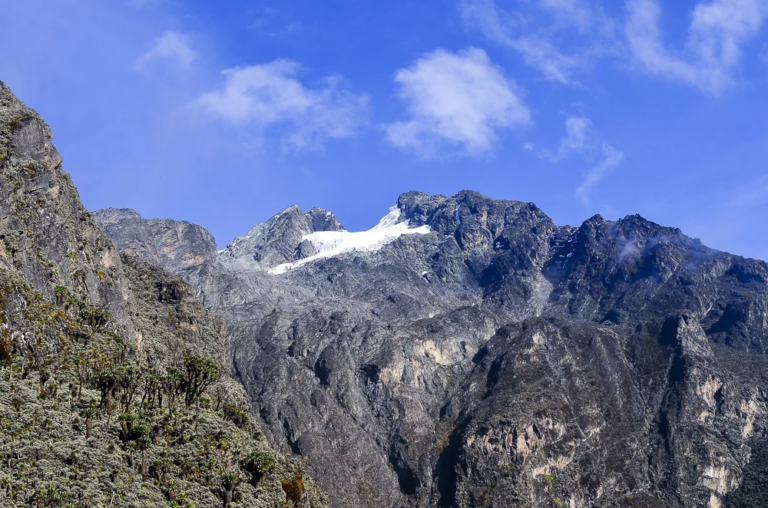
Mount Kilimanjaro, Tanzania
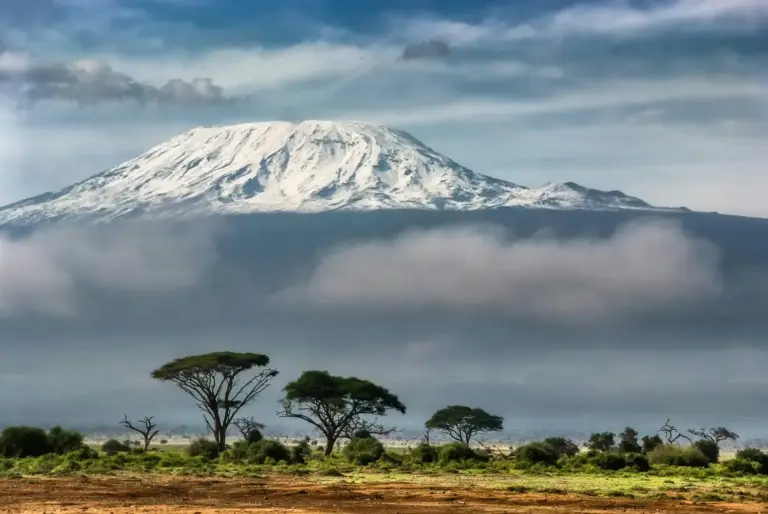
At 5,895 metres, Kilimanjaro is the highest mountain in Africa and the highest free-standing mountain in the world. Several routes reach the summit including Machame, Lemosho, Marangu, Rongai and the Northern Circuit. Longer routes give your body more time to adjust and generally improve the chance of success so a seven- or eight-day route is often recommended over a shorter one. Most climbers reach Uhuru Peak at dawn after a hard night walk, and guides and porters are compulsory.
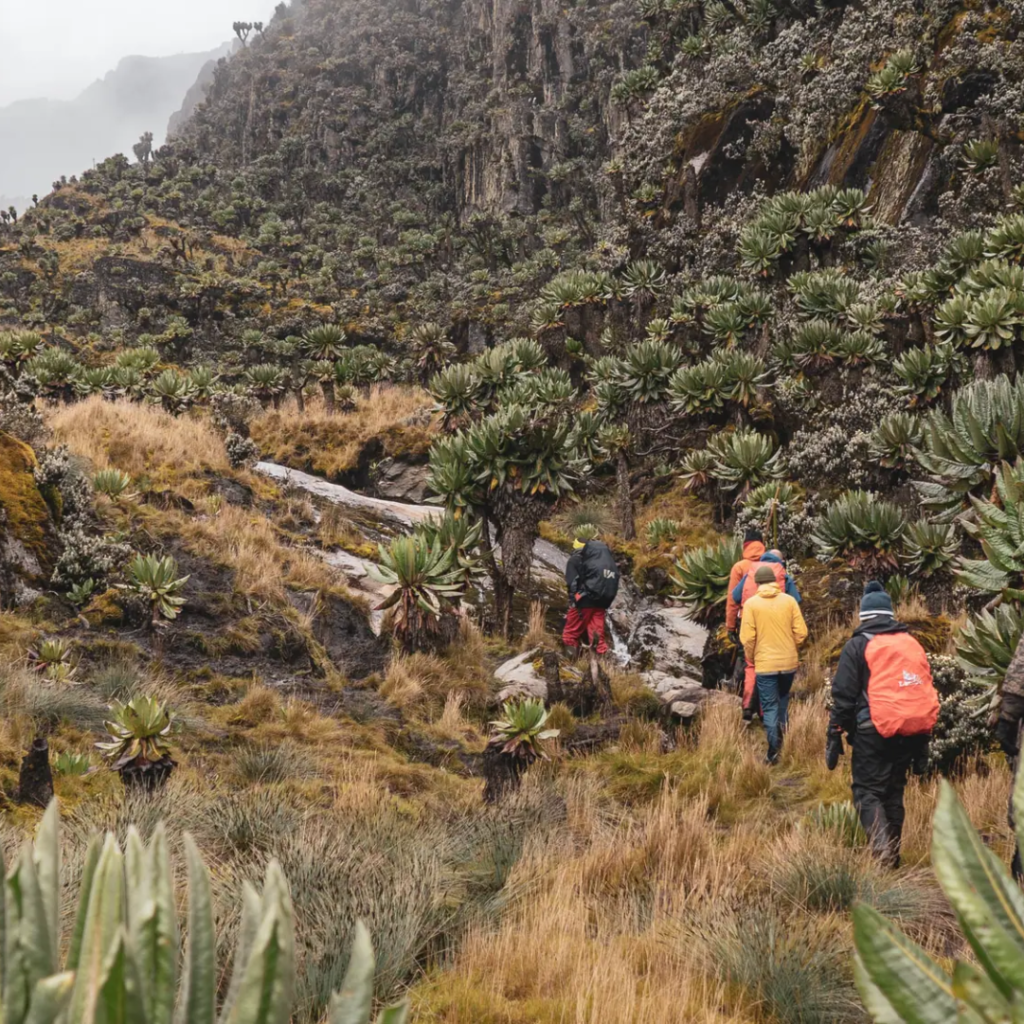
Mount Kenya, Kenya
Mount Kenya is Africa’s second highest mountain, an ancient volcano with jagged peaks and glaciers. The highest points Batian and Nelion need technical climbing but trekkers can reach Point Lenana at 4,985 metres. The Sirimon, Chogoria and Naro Moru routes each offer a different landscape, from moorland and giant lobelias to alpine lakes and rocky ridges.
The Rwenzori Mountains, Uganda
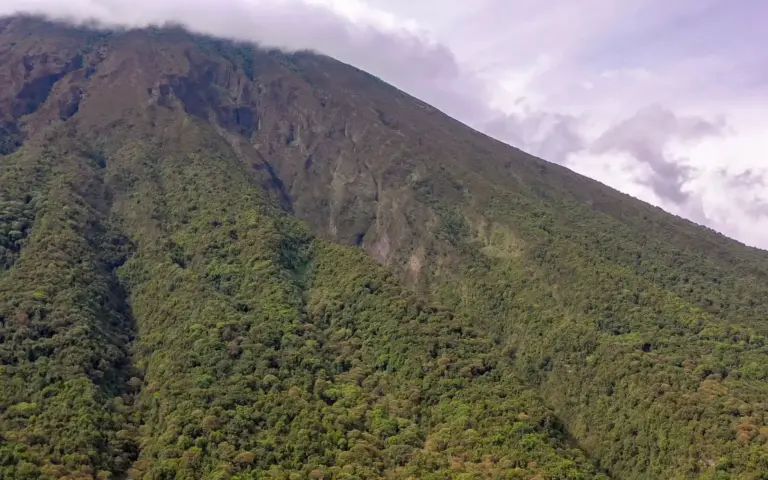
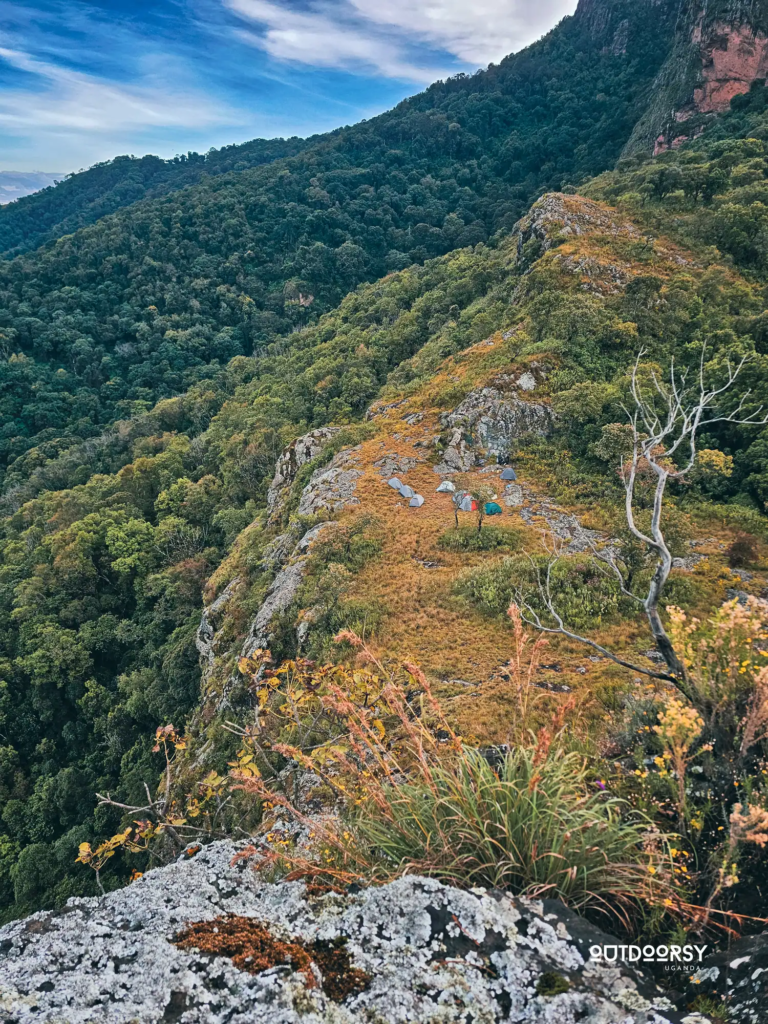
Known as the Mountains of the Moon, the Rwenzoris rise on the Congo border and hold glaciers and bogs. Margherita Peak at 5,109 metres is the highest point and requires proper equipment and experience but the Central Circuit and shorter treks give wonderful days among moss-draped forest, tree heathers and lakes. Expect mud and rain and choose your dates carefully.
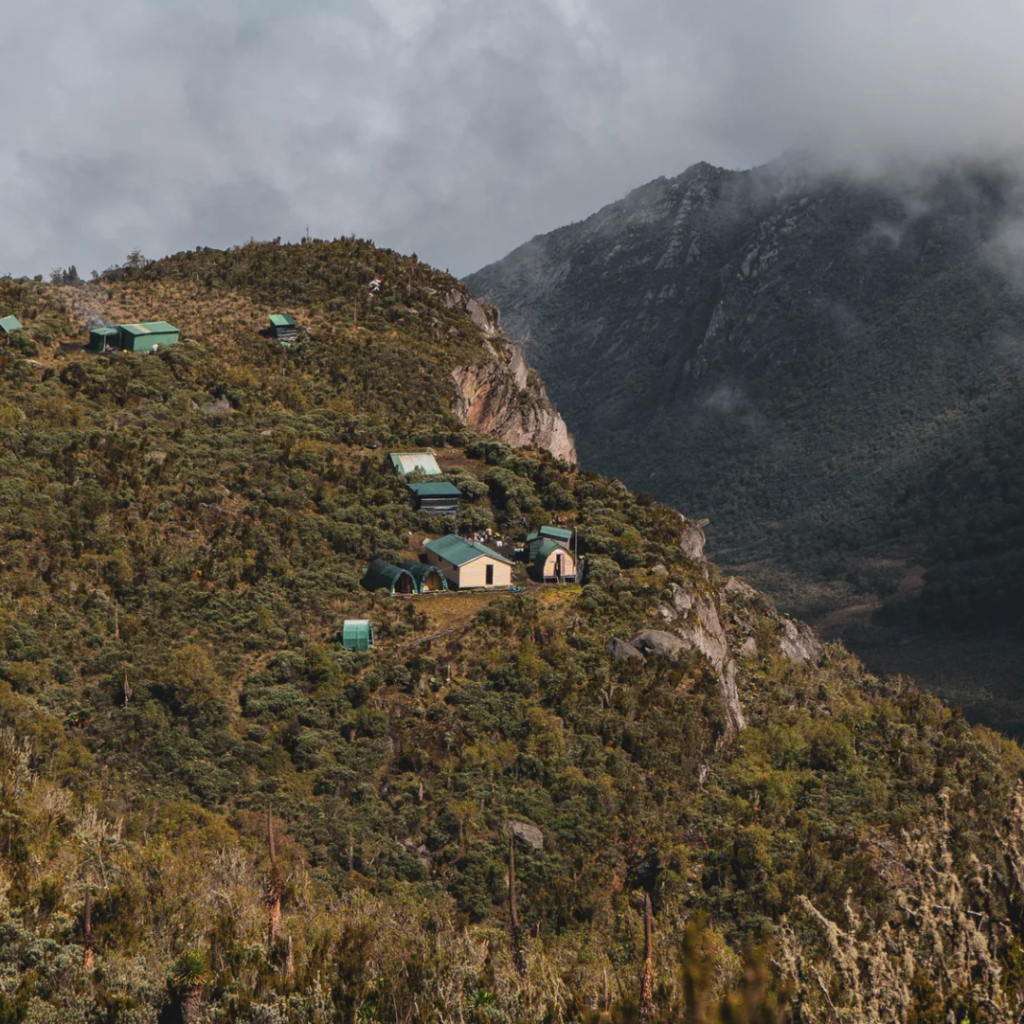
Volcanoes and other peaks
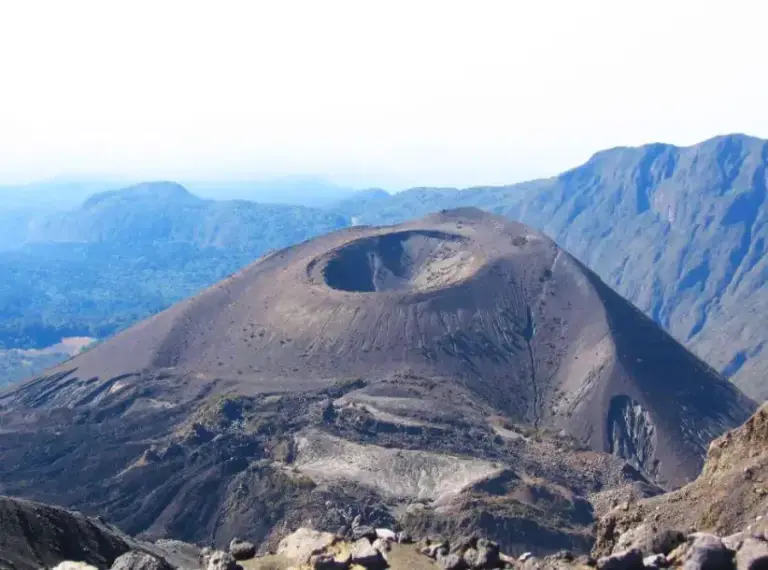
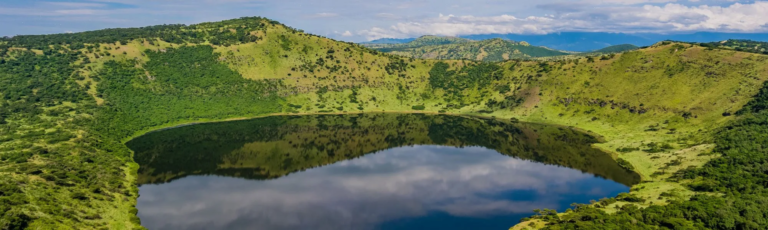
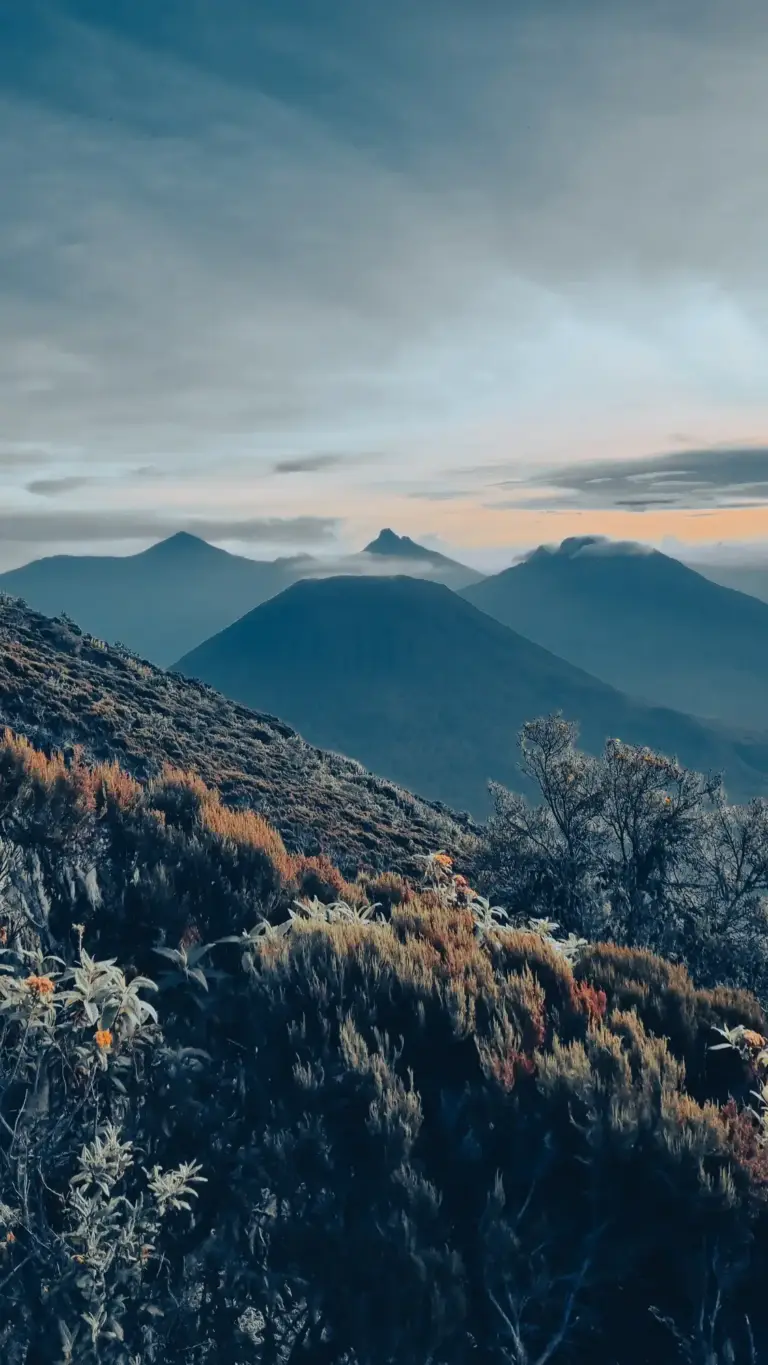
- Virunga volcanoes in Rwanda and Uganda: Bisoke with its crater lake can be climbed in a day while Karisimbi at 4,507 metres needs an overnight stay. In Uganda’s Mgahinga, Muhabura, Sabyinyo and Gahinga offer further climbs.
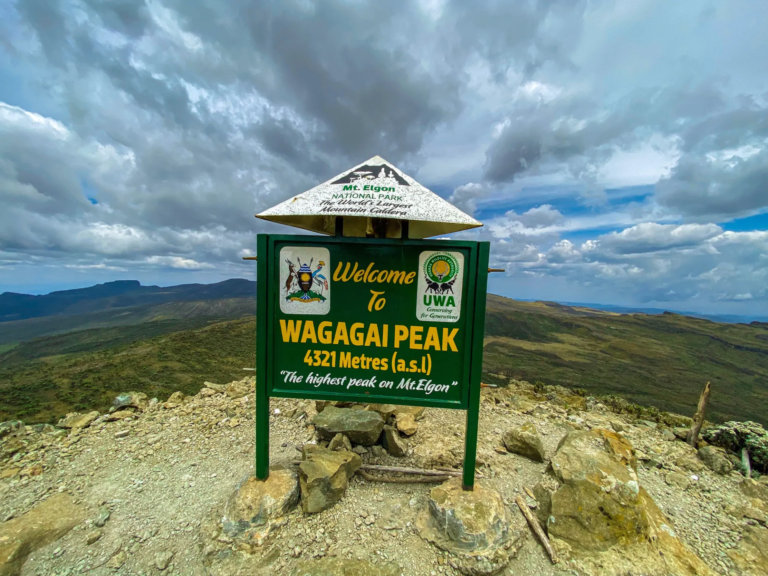
- Mount Elgon in Uganda and Kenya: a wide gentle volcano with caves and hot springs and a rewarding non-technical trek.
- Mount Meru in Tanzania: a beautiful four-day climb through Arusha National Park that is often used to prepare for Kilimanjaro.
Altitude and safety
Altitude is the main challenge on East Africa’s high mountains. Acute mountain sickness can affect anyone regardless of fitness and the best defense is a slow pace, plenty of water, good rest and honest communication with your guide. Choosing a reputable operator with experienced guides, oxygen / emergency plans and consult your doctor before you travel. Turning back is never a failure because summits are optional and safety is not.
Fitness and preparation
You do not need to be a mountaineer but you should be comfortable walking for several hours a day over rough ground. In the months before you travel, build up your stamina with long walks and hill climbs, break in your boots and practice using trekking poles. Good preparation makes the mountain safer and far more enjoyable.
Best time to go
The main trekking seasons are January to March and June to October when skies are clearer and paths drier. The wetter months especially April to May and November can make trails slippery and views cloudy. Each mountain has its own pattern so we check the season for your chosen peak.
Combining a trek with a safari
Most travellers do their trek first then rest on a wildlife safari. A Kilimanjaro climb followed by the Serengeti and Ngorongoro is a classic combination and volcano hikes in Rwanda or Uganda pair naturally with gorilla trekking. Allow at least a day of rest between a big climb and any long drive.
A day on Kilimanjaro
Kilimanjaro takes you through five climate zones in a single climb: farmland and cultivated slopes, dense rainforest, heath and moorland, alpine desert and finally the icy summit. Days are typically five to seven hours of steady walking ending at a camp or hut where the crew cooks your supper. Summit night is the hardest: you start around midnight, walk slowly by headlamp in bitter cold and reach the rim at sunrise. The descent is long but the sense of achievement is immense.
Choosing your mountain
- First high-altitude climb: Mount Meru or Mount Elgon which are beautiful and manageable.
- The classic: Kilimanjaro on a route long enough to acclimatize well.
- Quiet and wild: the Rwenzoris for dramatic scenery and few other trekkers.
- Short and memorable: Bisoke in Rwanda: a day climb to a crater lake that pairs perfectly with gorilla trekking.
What to pack
Dress in layers: a moisture-wicking base, an insulating fleece or down jacket and a waterproof shell. Take sturdy well broken-in boots, warm gloves and hat, a headlamp with spare batteries, trekking poles and a sleeping bag rated for the cold. Porters carry your main bag. Pack a daypack with water, snacks, sun protection and your camera. We provide a detailed list.
Porters and ethical trekking
Porters and guides make every climb possible and how they are treated matters. Offmap pays fair wages, provides proper clothing and shelter, limit the weight each porter carries and support recognized porter welfare organizations. Tip generously and openly and treat your crew as the professionals they are. Their skill and good humour are a big part of what makes a climb succeed.
Choosing a trekking day: what to ask first
Before you commit to a mountain, confirm how many days it takes, how high you sleep and what the usual success rate is. Ask what support is included such as guides, porters and cooks. These questions separate a well run trek from a risky one.
We give honest answers on each of these before you book.
Allow a rest day after any multi day trek and avoid scheduling a long flight on the day you descend. Your legs and your lungs will thank you and the memories of the summit are better when you are not exhausted.
Planning your mountain trekking safari
Tell us your experience, the time you have and the challenge you want. We will recommend the right mountain and route, arrange guides, porters and permits and build a wildlife safari around it so that your climb becomes part of a wider adventure.
Mountain Climbing in East Africa: Kilimanjaro, Rwenzori, Mount Kenya and More