Skip to content
UGANDA • RWANDA • KENYA • TANZANIA • PRIVATE & TAILOR-MADE SAFARIS
OFFMAPSAFARIS: Home

Kenya

Mount Longonot

Things to do: Hiking, Photography, Wildlife viewing.

About this place

Why come here.

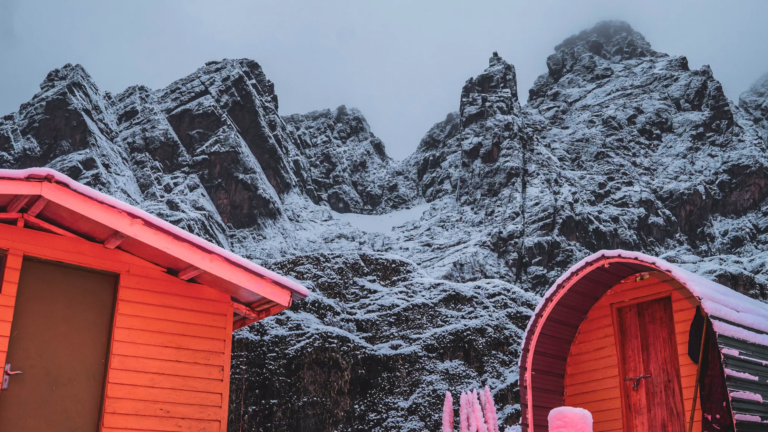
Mount Longonot is a stratovolcano on the floor of Kenya’s Rift Valley, southeast of Lake Naivasha and about 90 km from Nairobi by road. A trail leads to the rim of a wide crater, and a second path runs around the rim itself. From the top you look down into a forested crater and out across the valley. It is one of the most rewarding day hikes in Kenya.

CountryKenya
RegionRift Valley, Kenya
Best timeJune to March; start early to avoid midday heat
Things to doHiking, Photography, Wildlife viewing

Explore Mount Longonot in detail →

Safaris in Kenya

Safaris built around Kenya

All Kenya Safaris →

In detail

Discover Mount Longonot.

Mount Longonot at a glance

  • A volcano of about 2,776 metres with a wide crater, protected as Mount Longonot National Park
  • A steep trail to the rim, and an optional walk around the rim
  • Views over the Rift Valley floor and towards Lake Naivasha
  • Close to Hell’s Gate National Park
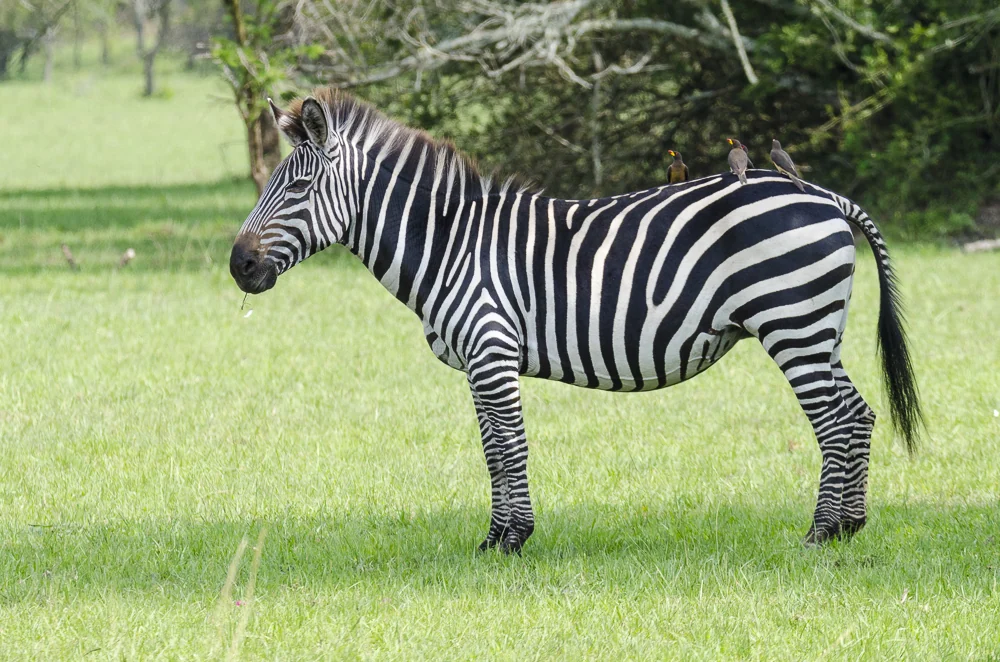
Uganda zebra

The hike

The path climbs steeply from the gate over loose ground and then reaches the crater rim. Plan on about three to six hours for the whole hike, and the loop around the rim is about 7 km. The crater floor holds thick forest and its own ecosystem, and visitors do not enter it. The park opens at 6 am. Start early, because the climb is exposed and the sun is strong by midday.

Wildlife

On the lower slopes you may see animals such as zebra, buffalo and antelope, although sightings vary. If you meet large animals near the trail, follow the guidance of rangers.

Practical information

  • Allow a half day and carry plenty of water, a hat and sun cream
  • Wear shoes with grip, as the upper path is steep and loose
  • Check current Kenya Wildlife Service rules at the gate, including whether a ranger must accompany you
  • Fees are paid at the gate or arranged by your operator. Check current rates.

Longonot fits well in a Rift Valley route with Naivasha and Nakuru. Read about the Rift Valley in Kenya or our guide to cycling in Hell’s Gate, or plan your trip with us.

Plan a safari that includes Mount Longonot

Our team plans private, tailor-made safaris, so we can build a trip around Mount Longonot and adjust the days, lodges and pace to suit you.
Plan my safari Ask us on WhatsApp All Kenya safaris

More places to explore in Kenya

Travel Guide

Knowledge connected to this page

Read planning and destination stories connected to this Offmap entity.

Explore the Travel Guide →

Need to know?

Questions about Mount Longonot

View all FAQs →
Can I combine a Kenya safari with the coast?

Yes. Pairing a Maasai Mara or Amboseli safari with a few days on the Kenyan coast (Diani, Watamu or Lamu) is a well-established combination, giving a wildlife-then-beach structure to the safari.

Do I need a visa to visit Kenya?

Most nationalities need an eTA (electronic travel authorisation) for Kenya, applied for online before travel. Requirements vary by nationality. Confirm current guidance for your passport ahead of your safari.

How many days do I need for a Kenya safari?

A focused Maasai Mara safari can work in 3–4 days while combining the Mara with Amboseli, another park or the coast generally calls for 7–10 days. We shape the length around what you want to include.

How many national parks does Kenya have?

Kenya protects its wildlife across more than sixty national parks and reserves, an unusually extensive network for a single country: from the Maasai Mara and Amboseli in the south to Samburu and the arid northern reserves, each holding a somewhat different range of species.

What wildlife can I expect to see in Kenya beyond the migration?

Kenya’s parks hold resident wildlife year-round regardless of migration timing; the Maasai Mara and Amboseli both offer strong odds of the Big Five, along with healthy cheetah populations and, in Amboseli, some of Africa’s most reliable large elephant herds.

When is the best time to see the wildebeest migration in Kenya?

The migration’s presence in Kenya’s Maasai Mara is most likely from around July to October, when large herds typically cross from Tanzania’s Serengeti, though exact timing shifts year to year with rainfall patterns.

From the Offmap Travel Guide

More about Kenya

Read the Travel Guide →

Your Africa, your way

Ready to start planning?

Tell us what you want to experience and we will help shape the safari.

Plan My Safari →