Lake Kivu stretches along Rwanda’s western border with the Democratic Republic of the Congo, covering about 2,700 sq km within the Albertine Rift and ranking among Africa’s largest lakes. With a maximum depth of around 480 metres, Lake Kivu is also one of only three lakes in the world known to hold vast reserves of dissolved methane and carbon dioxide gas, a rare geological feature that Rwanda has turned into a growing source of electricity.
The lake at a glance
- About 2,700 sq km, Africa’s eighth-largest lake, shared between Rwanda and the DRC
- Maximum depth of roughly 480 metres, among the deepest freshwater lakes in the world
- Home to Idjwi, the world’s tenth-largest lake island
- Rwandan lakeside towns include Rubavu (Gisenyi) in the north and Karongi (Kibuye) further south
A lake with dissolved gas
Lake Kivu holds an estimated 65 cubic kilometres of dissolved methane and 256 cubic kilometres of carbon dioxide in its deep water layers, a combination found in only two other lakes worldwide. Scientists monitor the lake for the rare but serious risk of a limnic eruption, an event where deep gas-laden water rises and releases its gases suddenly, though such events are understood to occur only about once every thousand years. Rather than treating the gas purely as a hazard, Rwanda’s KivuWatt project extracts methane from the lake to generate electricity, a project that has meaningfully expanded the country’s power generation capacity.
A relaxed lakeside destination
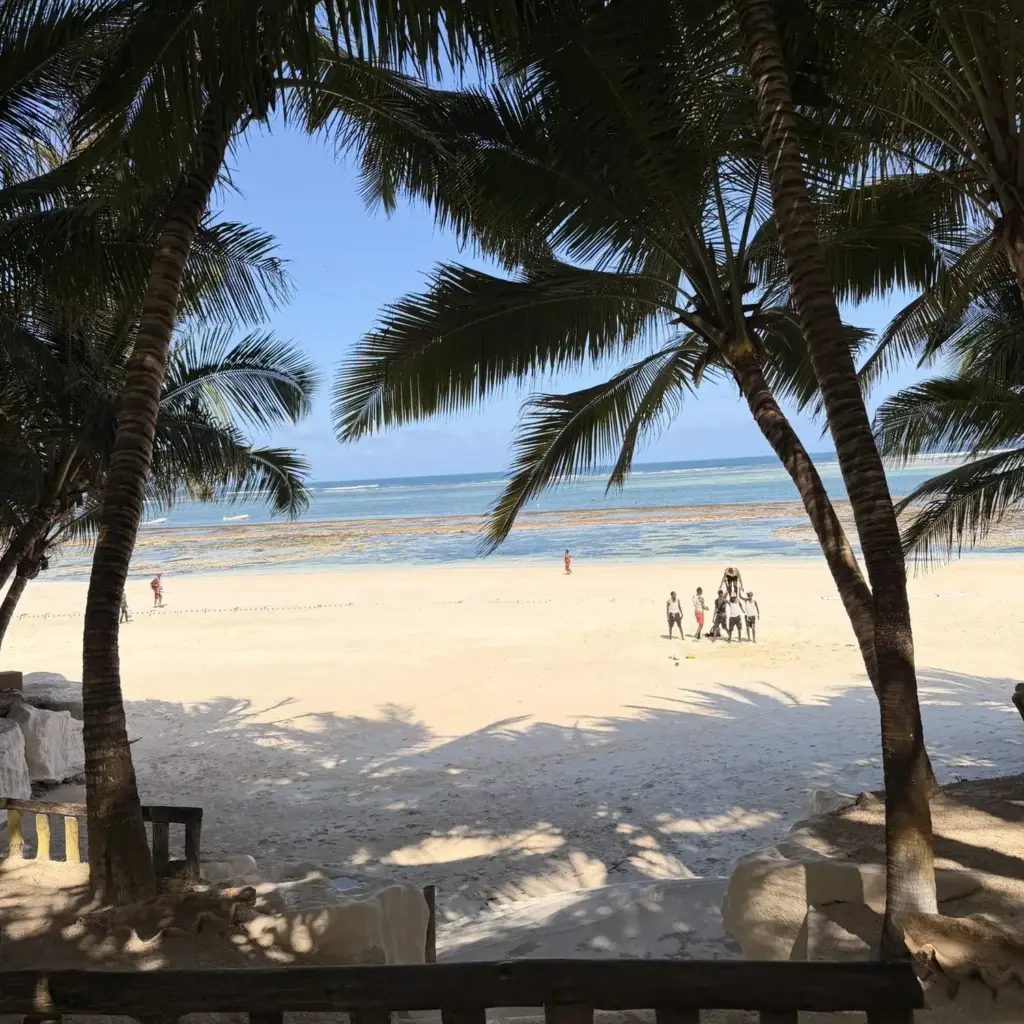
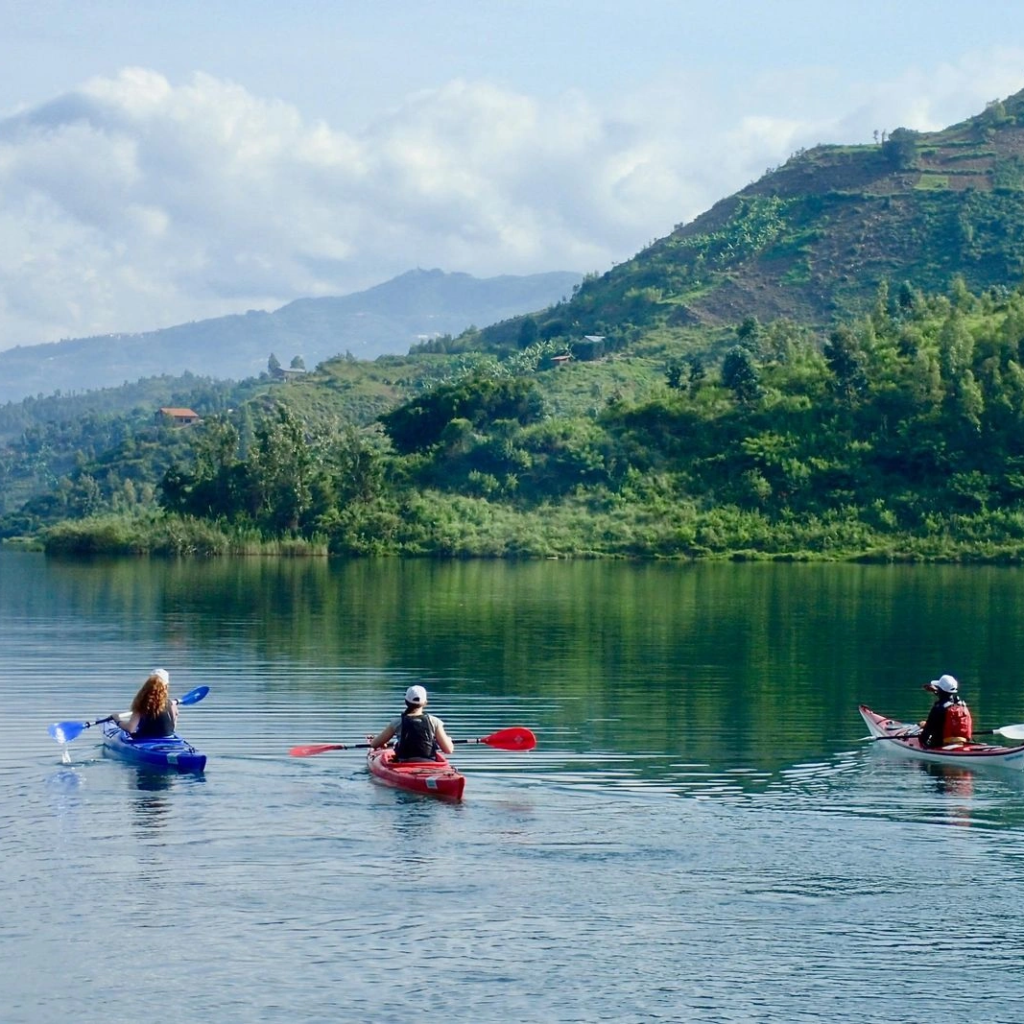
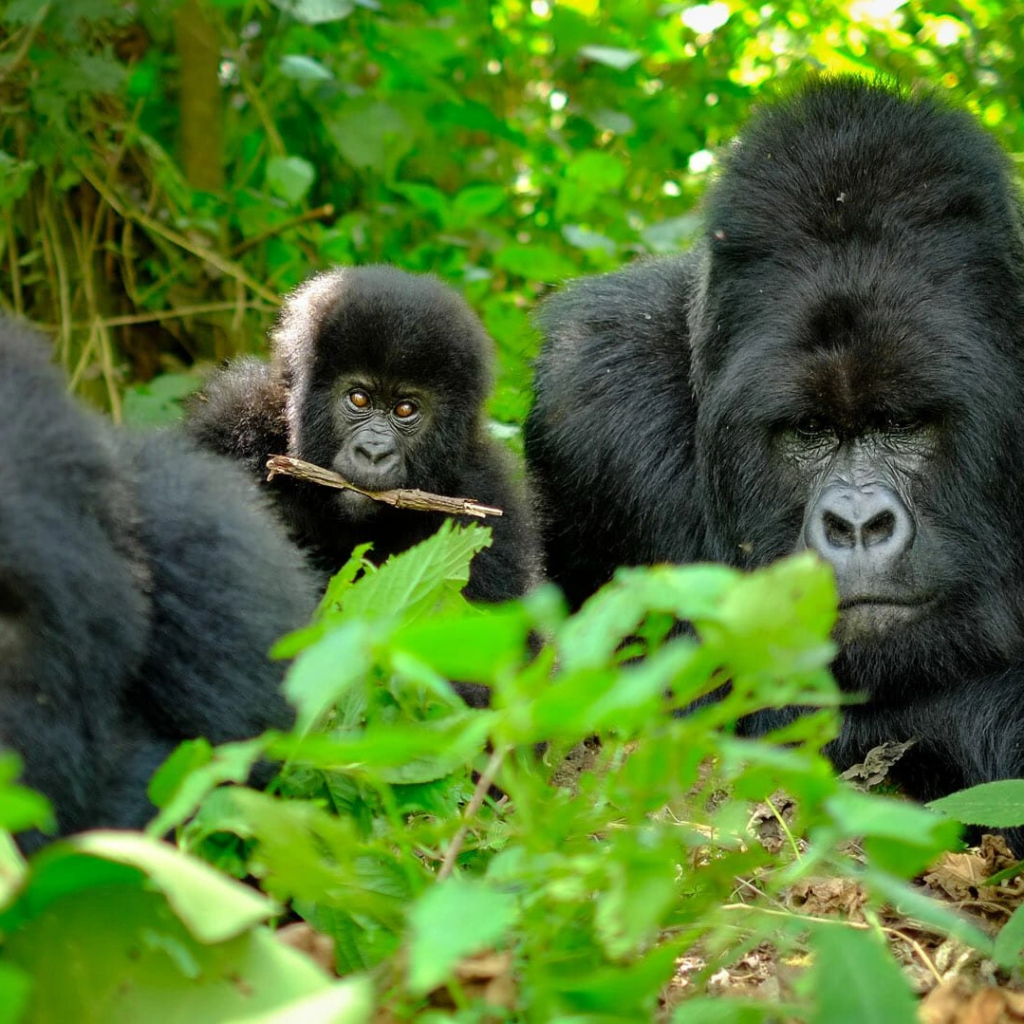
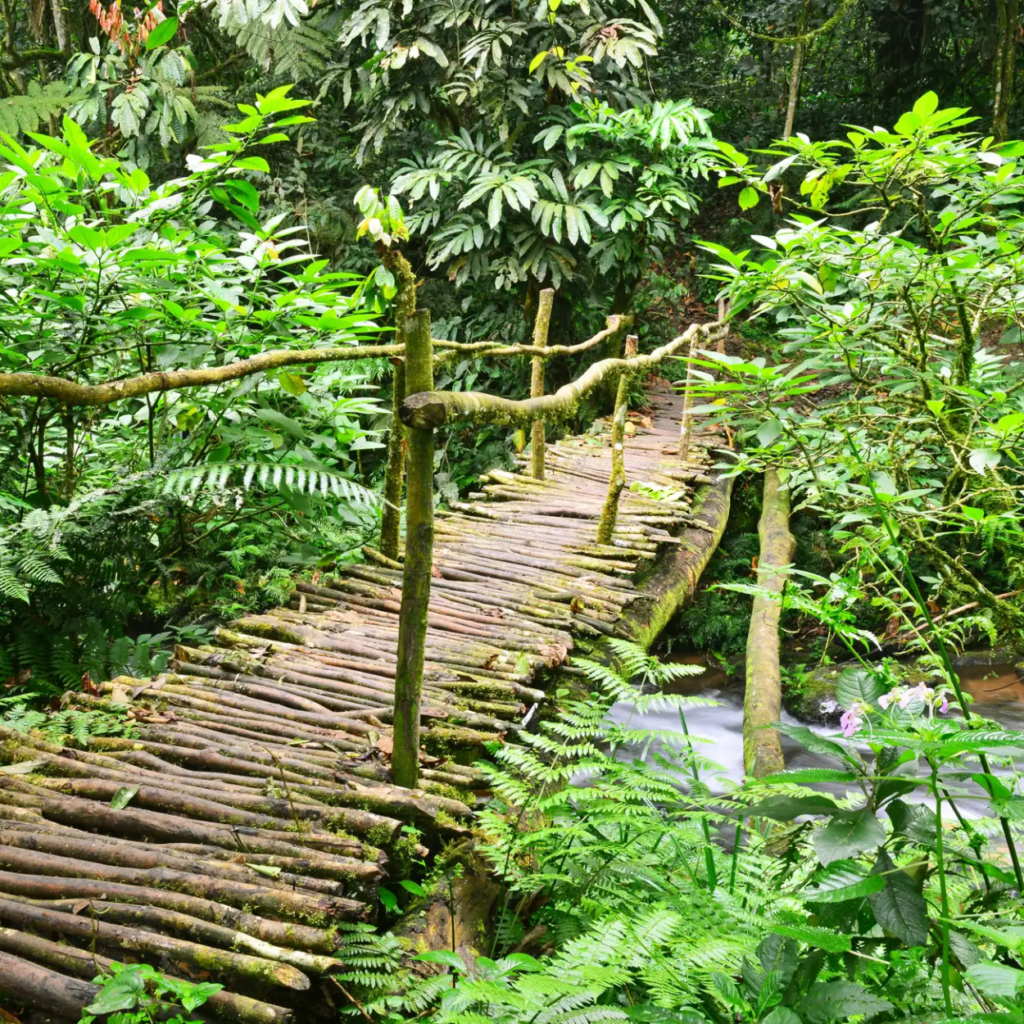
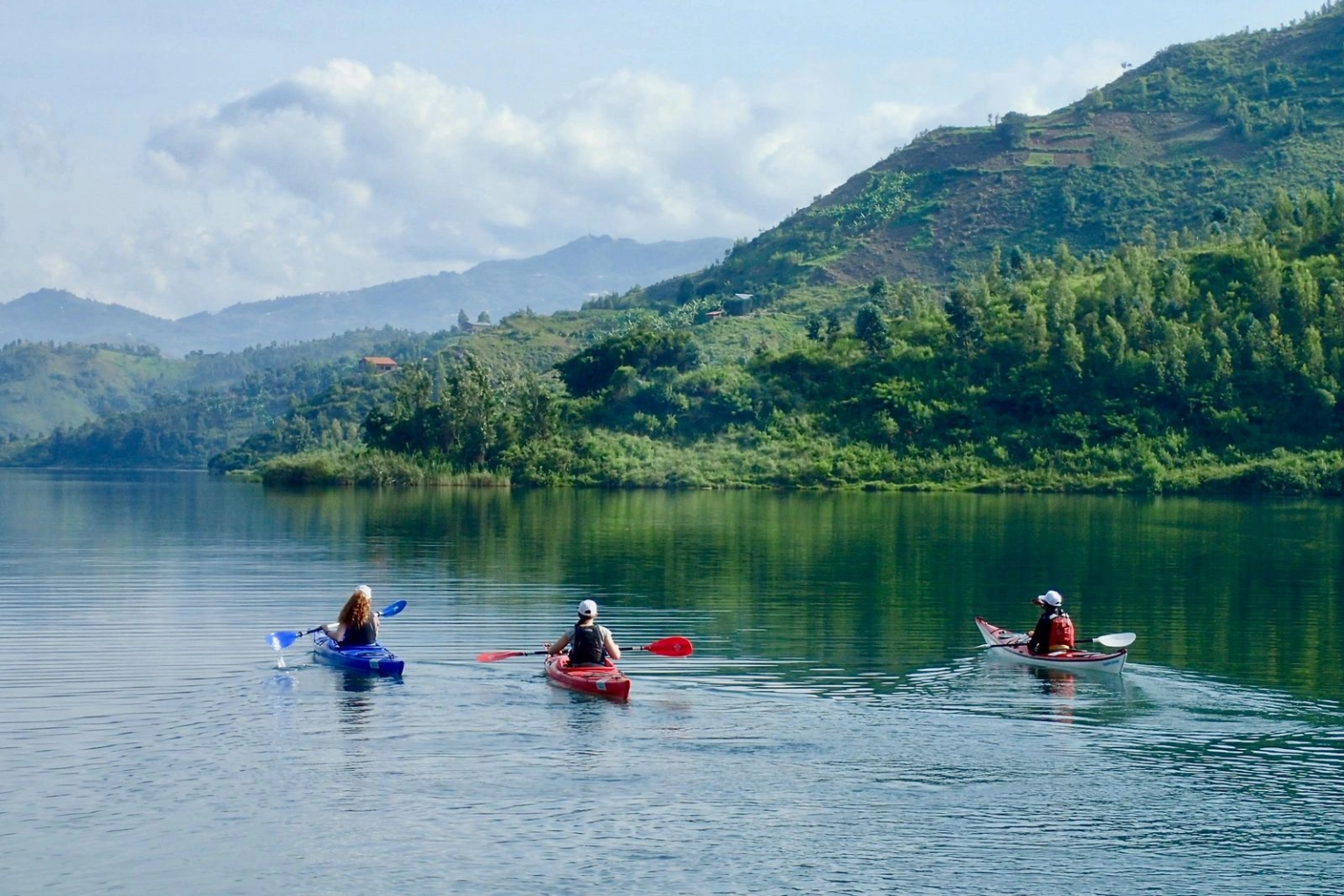
For visitors, Lake Kivu is best known simply as a scenic, relaxed stop along a Rwanda itinerary, with calm water, sandy beaches and a mild climate that contrasts with the country’s forested national parks. Boat outings to Napoleon Island and other islets, kayaking, and swimming from lakeside lodges are popular ways to unwind between gorilla trekking or forest hikes elsewhere in the country.
Things to do
- Swimming and relaxing at lakeside beaches in Rubavu or Karongi
- Boat outings to Napoleon Island and other islets
- Kayaking along the shoreline
- Learning about the KivuWatt methane extraction project from local guides
Practical information
- Rubavu (Gisenyi) is reached by road from Kigali in about three hours; Karongi (Kibuye) is roughly two and a half hours
- Year-round mild climate, with the heaviest rains typically from March to May
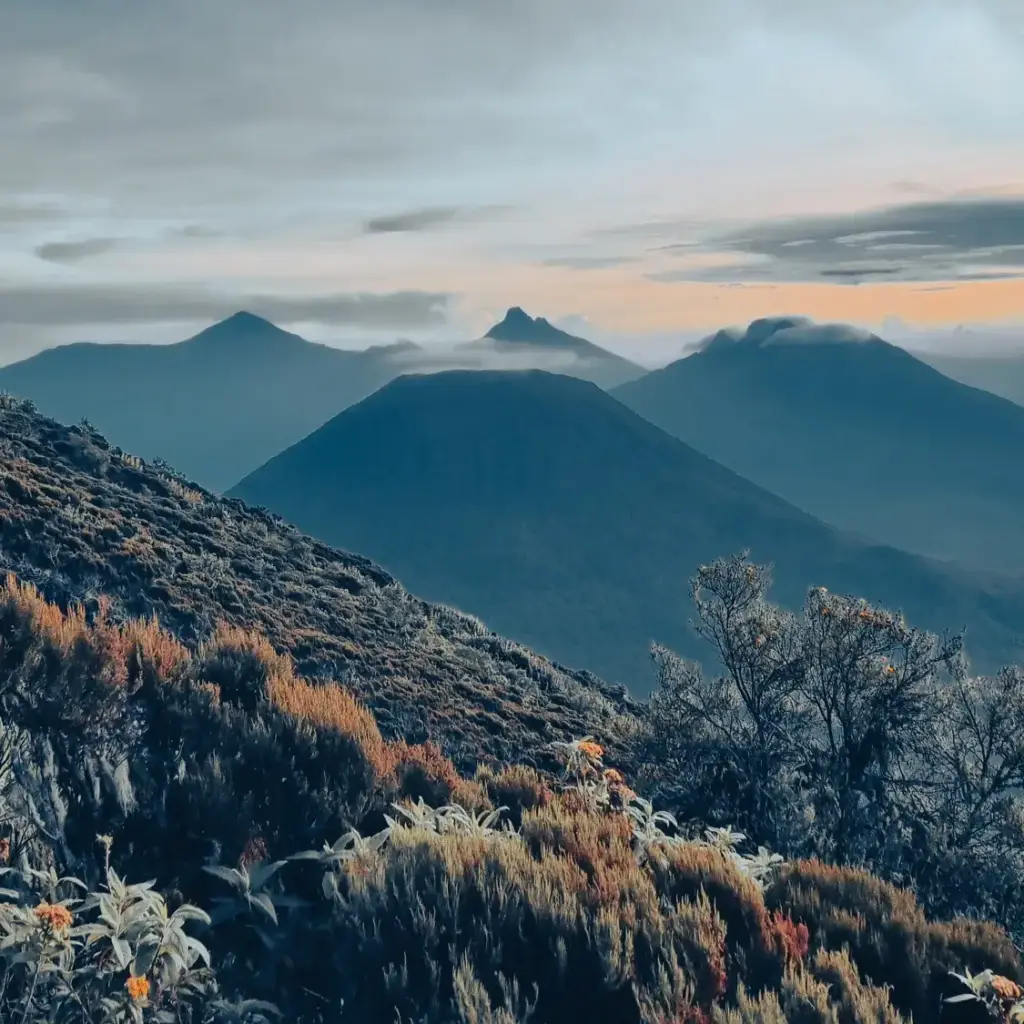
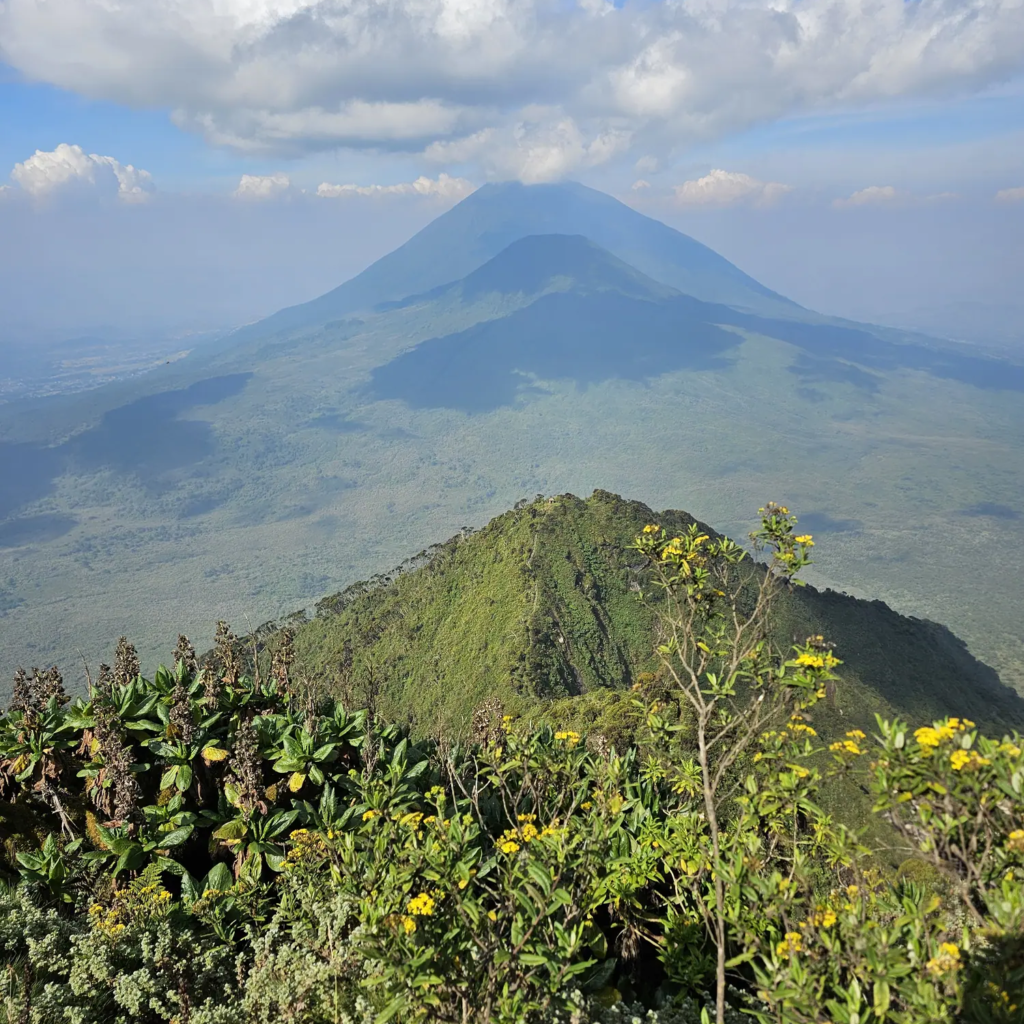
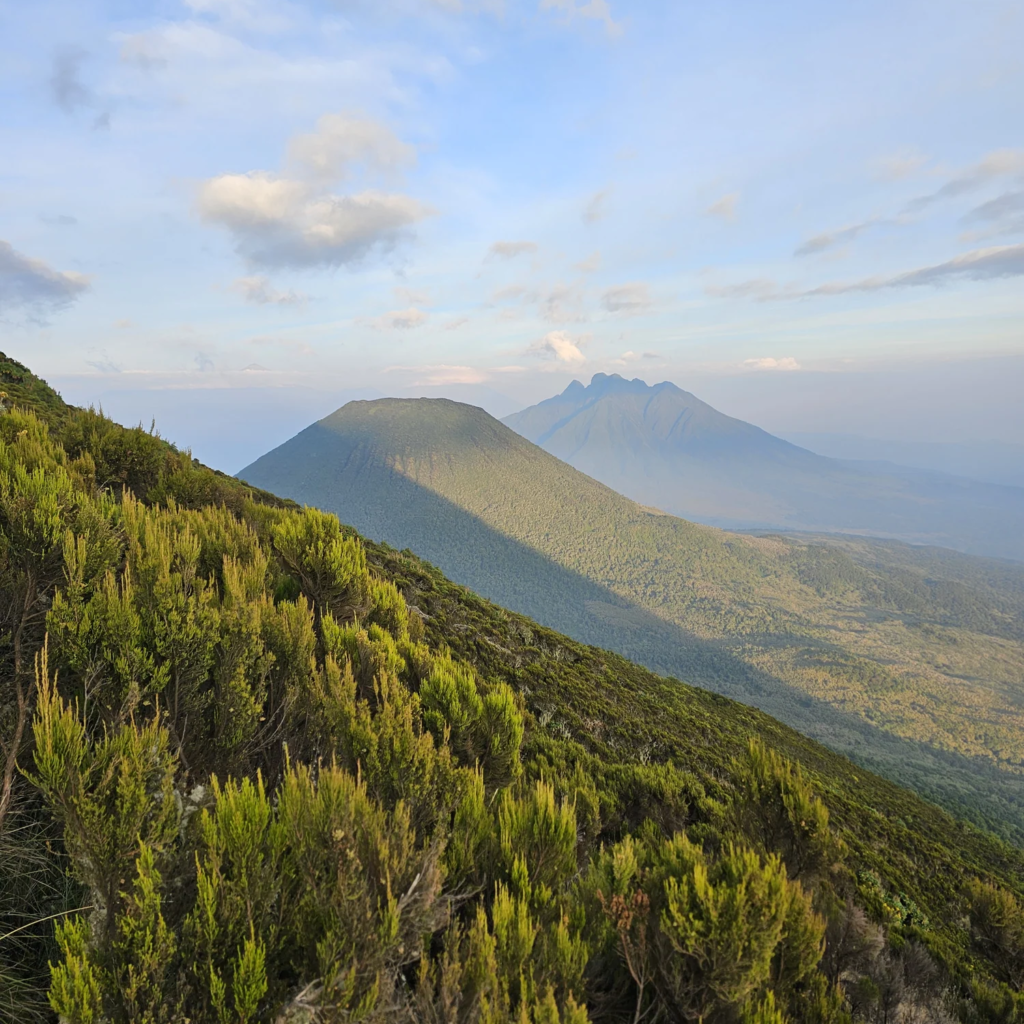
- Often combined with Volcanoes National Park in the north or Nyungwe National Park to the south
Lake Kivu offers a welcome change of pace between Rwanda’s forest and mountain destinations, combining scenery with a unusual piece of natural science. Offmap Safaris can add it to a gorilla trekking or Nyungwe itinerary. To start planning, visit Plan My African Safari, message us on WhatsApp at +256 701 243 304, or email [email protected]. See also our notes on health and safety and responsible travel.