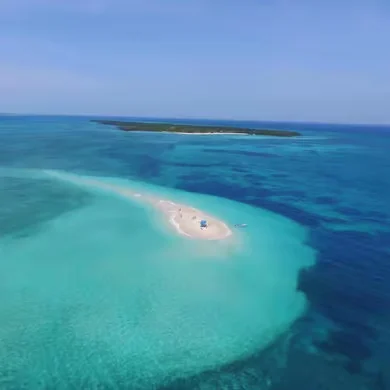
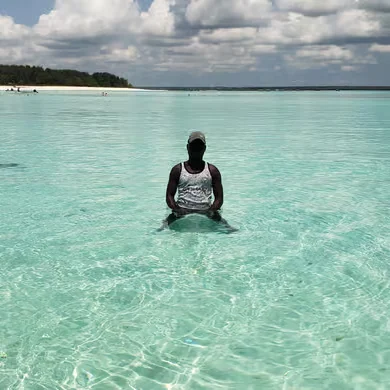
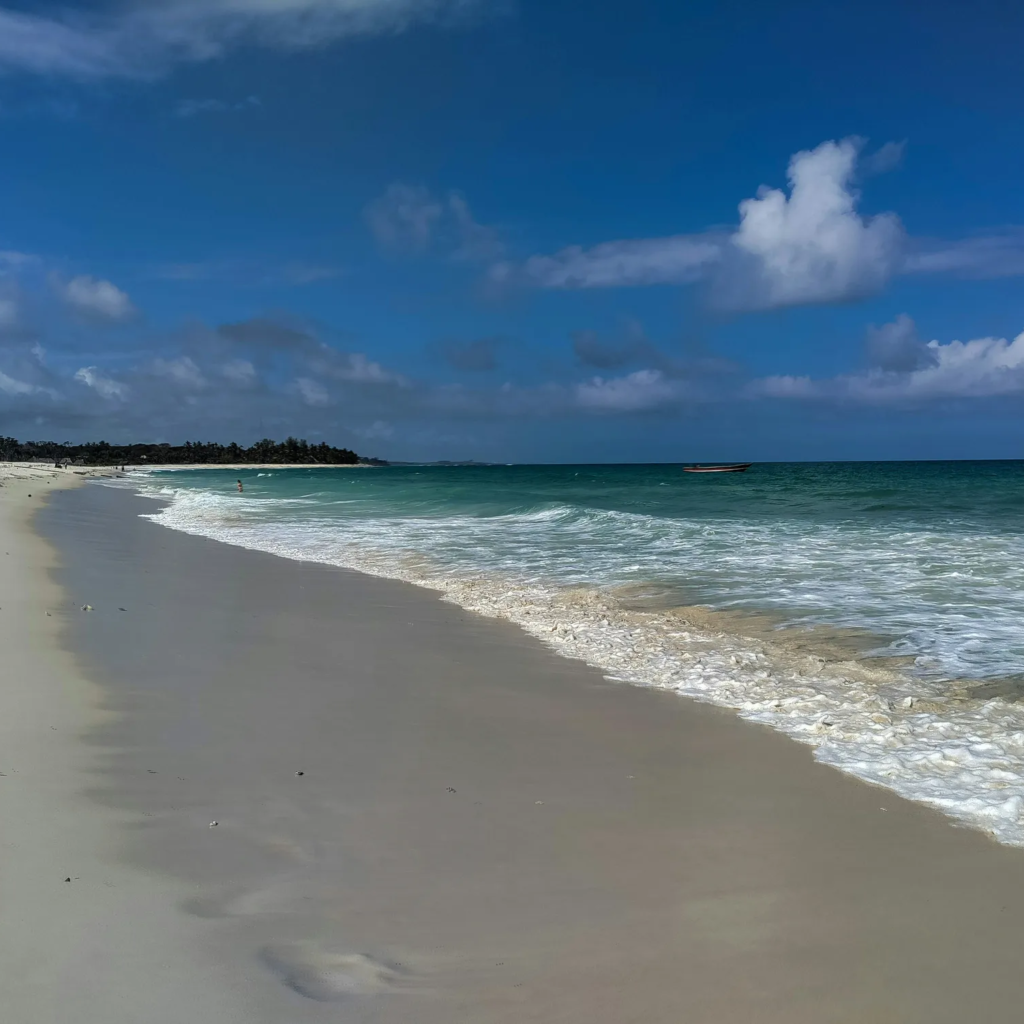
A gorilla and beach safari ends a forest trek with warm sand and clear water. Gorillas in Uganda or (&) Rwanda pair easily with Zanzibar, Pemba or the Kenyan coast and the contrast is part of the appeal. This guide explains how to plan a gorilla and beach safari, which islands to choose, how to connect the inland flights and how long to stay.
Why a gorilla and beach safari works
A trek is rewarding and tiring. The slopes can be muddy and the days tend to be long so a few days of rest on the coast feel earned. The sea also offers a change of pace with swimming, snorkeling, dhow cruises and spice walks. Travelers describe the trip as two holidays in one.
The route is easy. Flights from Entebbe or Kigali reach Nairobi, Dar es Salaam or Zanzibar in a few hours and we plan or guide on the connection so you do not lose a day. Our guide to a luxury safari in Zanzibar covers the island stays.
Choosing your beach
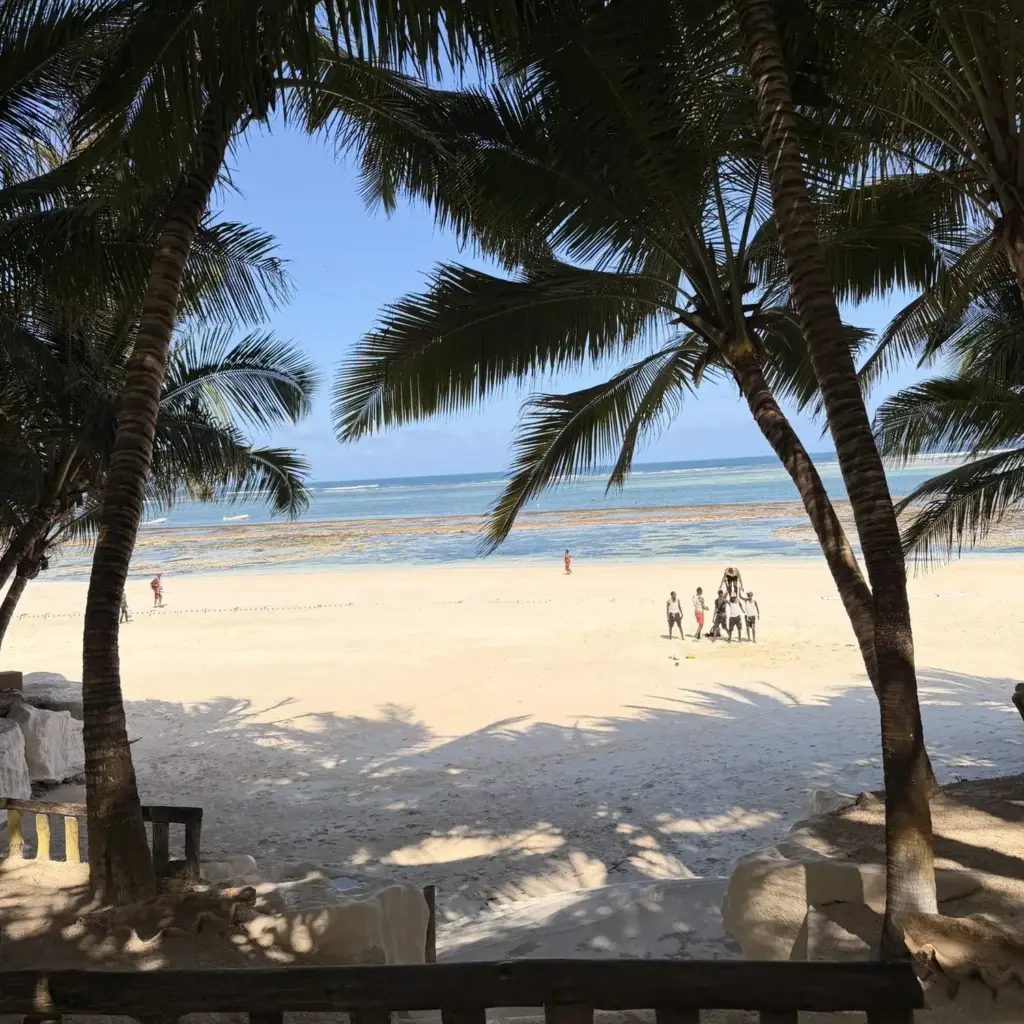
Zanzibar is the classic choice with white sand, Stone Town, spice farms and Jozani Forest. The north coast: Nungwi and Kendwa has calm swimming and sunsets. The east coast: Paje and Matemwe has tides and kitesurfing. The south has quieter villages and dolphin trips.
Pemba is quieter with diving and fewer visitors. The Kenyan coast: Diani and Lamu, offers long beaches and old towns. Mombasa and Watamu suit those who like snorkeling. We match the coast to your taste and budget.
Connecting flights and timing
From Entebbe, flights to Zanzibar connect through Nairobi or Dar es Salaam and a direct service runs at times. From Kigali, connections run through Nairobi or Dar es Salaam. Allow a full day for the journey and avoid flying on the day of the trek. We book flights with comfortable layovers and advise on baggage limits.
Spend at least four nights on the coast. Five to seven is better if you want to dive, sail or explore Stone Town. A short stay of two nights feels rushed. For the dry season: June to October and December to February, the sea is clear and calm.
A sample gorilla and beach route
A nine day route might begin in Entebbe, fly to Bwindi for a trek on the second day, return to Entebbe, then fly to Zanzibar for five nights. A twelve day route adds Kibale or Queen Elizabeth. A longer trip can add the Serengeti which links the plains to the coast.
Our Uganda, Rwanda and Pemba trip shows a longer version, and the guide to a honeymoon gorilla safari shows how couples use the coast.
Things to do on the coast
Zanzibar rewards curiosity. Stone Town is a maze of alleys, carved doors and old markets with a history of spice and trade. A spice farm tour shows cloves, vanilla and cinnamon in the field. Jozani Forest is home to the red colobus monkey which links back to your primate days.
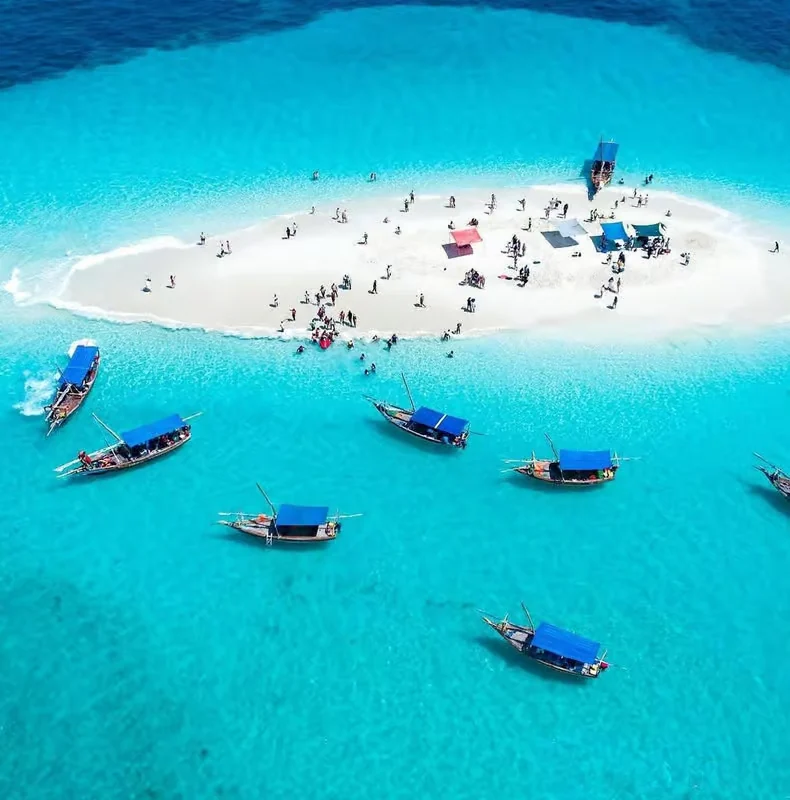
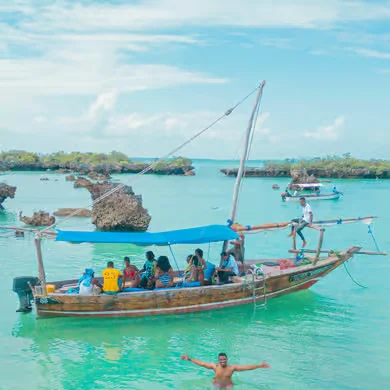
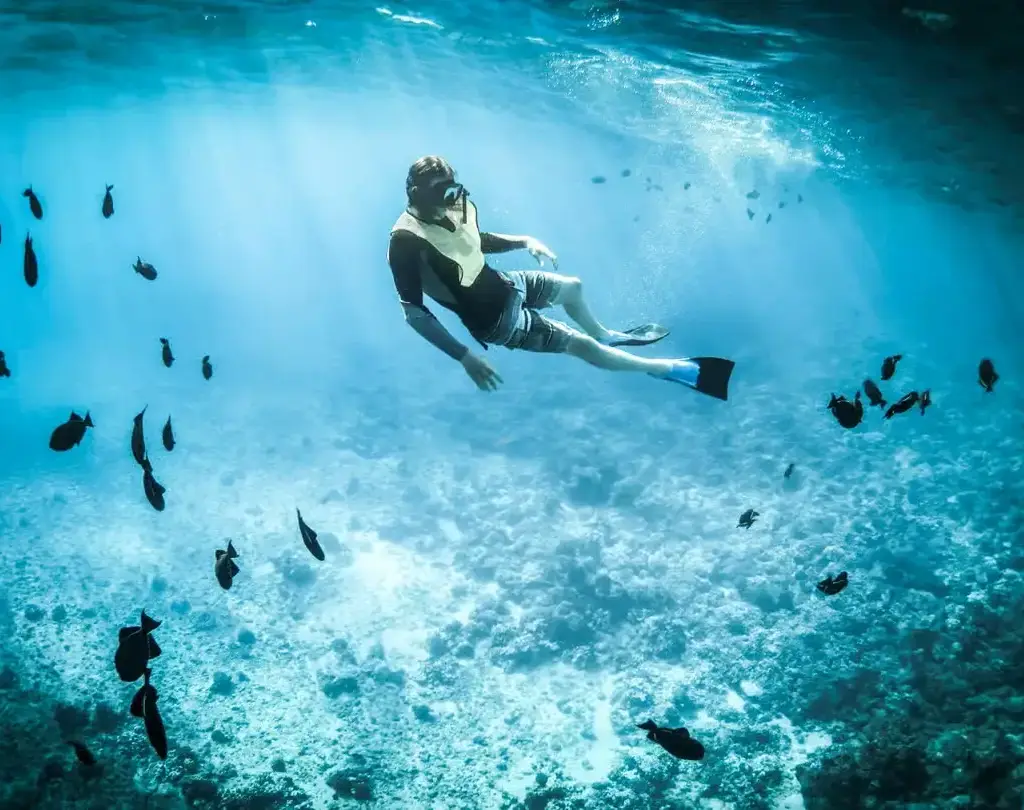
On the water, you can snorkel with turtles at a reef, swim with dolphins in the south, sail on a dhow at sunset or visit a sandbank at low tide. Divers can reach reefs off Mnemba and Pemba. Others prefer a book, a massage and a long lunch which is also a good plan after a trek.
Food is a highlight with fresh seafood, coconut curries and street snacks in Forodhani Gardens. Dress modestly in Stone Town and the villages since Zanzibar is mostly Muslim. Respect local customs and ask before taking photographs of people.
Choosing the right hotel
Beach hotels vary widely. Boutique villas offer privacy, plunge pools and personal service while larger resorts have kids clubs, several restaurants and activities. Small lodges on the east coast have a more relaxed, barefoot feel. The tide matters on the east coast since the ocean goes far out at low tide.
Choose the north coast for swimming at all hours, the east for kitesurfing and local life and the south for quiet. Ask about reef protection and how the hotel supports its community. We select properties that treat staff and the environment well and tell you which are best for couples, families or solo travelers.
Practical tips for a gorilla and beach safari
Pack in two parts: warm, waterproof layers for the forest and light beachwear for the coast. Check the health rules, Tanzania asks for a yellow fever certificate on some routes. Carry a copy of your permit, take reef-safe sunscreen and insure the trip.
Book the permit first, then flights, then the island. Keep the beach at the end so a delay on the trek does not cost you the coast. Zanzibar has many hotel types, from boutique villas to family resorts so share with us your budget and tastes.
We start with your dates and the permits then choose lodges, guides and transport to suit you. We explain what is fixed and what can change and one person looks after the trip from the first message to the last transfer. Gorilla permits are non-refundable so we confirm dates and health first. Browse our Tanzania safaris, or tell us your plans on the Plan My Safari page.
Frequently asked questions
Can I combine gorilla trekking with a beach holiday?
Yes. Flights from Entebbe or Kigali connect to Zanzibar, Pemba or the Kenyan coast through Nairobi or Dar es Salaam. Many travellers spend four to seven nights on the coast after the trek. We book flights with comfortable connections and advise on baggage limits.
How long should I spend on the beach?
At least four nights, so the stay feels like a real rest. Five to seven nights suits those who want to dive, sail or visit Stone Town. Two nights feels rushed because the journey takes most of a day. Choose the coast that suits your tastes.
Which beach goes best with gorillas?
Zanzibar is the most popular, with white sand, Stone Town and good flight links. Pemba is quieter, and the Kenyan coast suits those who prefer snorkelling and old towns. The best choice depends on your flight route, budget and how much you want to do.
Should I do the beach before or after the trek?
After, in most cases. The sea is a reward, and a delay on the trek does not cost you the coast. Permits are fixed, so they come first. Beach stays are easier to change, which makes the coast a flexible end to the trip.
When is the best time for a gorilla and beach trip?
June to September gives dry trails and a clear sea. December to February is hot and good for both. The long rains, March to May, are wet on the coast and in the forest. Choose the dry months if you can.