Wildlife safaris are the classic image most people picture first when they think of Africa: open savannah stretching to the horizon, a vehicle easing close to a pride of lions at rest, elephants crossing a river at dusk. It is the safari that made East Africa famous, and it still delivers when it is planned well. The difference between a good wildlife safari and a great one is rarely luck. It is the choice of park, the time of year, the number of nights in each place and the quality of the guide beside you.
What a wildlife safari involves
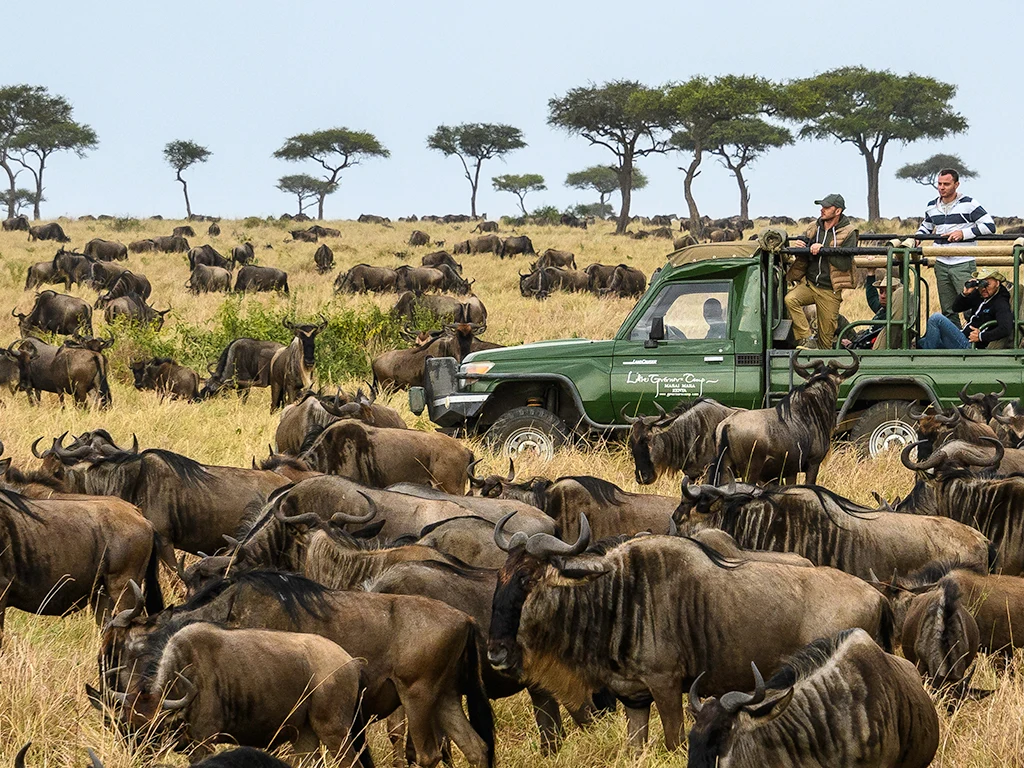
Days revolve around game drives in a 4×4 with a raised roof, usually at dawn and late afternoon when animals are active and the light is soft, with a rest at your lodge or camp during the heat of the day. Some parks add boat cruises, guided walks and night drives. Your driver-guide reads tracks, alarm calls and behaviour, shares sightings with other guides by radio and decides how long to stay with each animal. Between drives you sleep in lodges, tented camps or conservancy camps, most of them set in or beside the parks themselves.
Choosing where to go
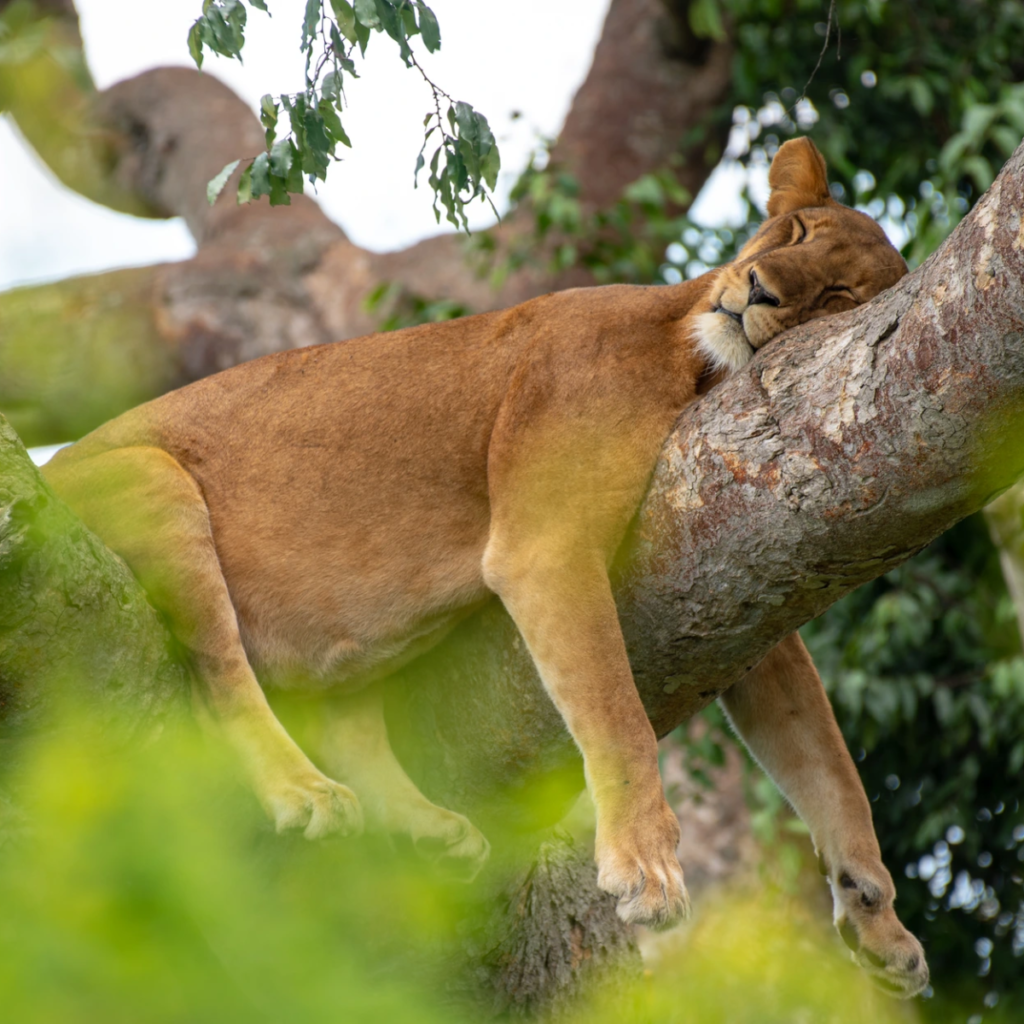
- Uganda: Queen Elizabeth National Park for plains, crater lakes, the Kazinga Channel and tree-climbing lions at Ishasha; Murchison Falls for giraffes, elephants and the Nile; Kidepo Valley for remote, wild scenery; Lake Mburo for zebra and walking.
- Rwanda: Akagera National Park, a compact mix of savannah, lakes and papyrus with lions and rhinos back in residence.
- Kenya: the Maasai Mara for big cats and the migration, Amboseli for elephants beneath Kilimanjaro, Tsavo for red-dust giants and Samburu for northern species.
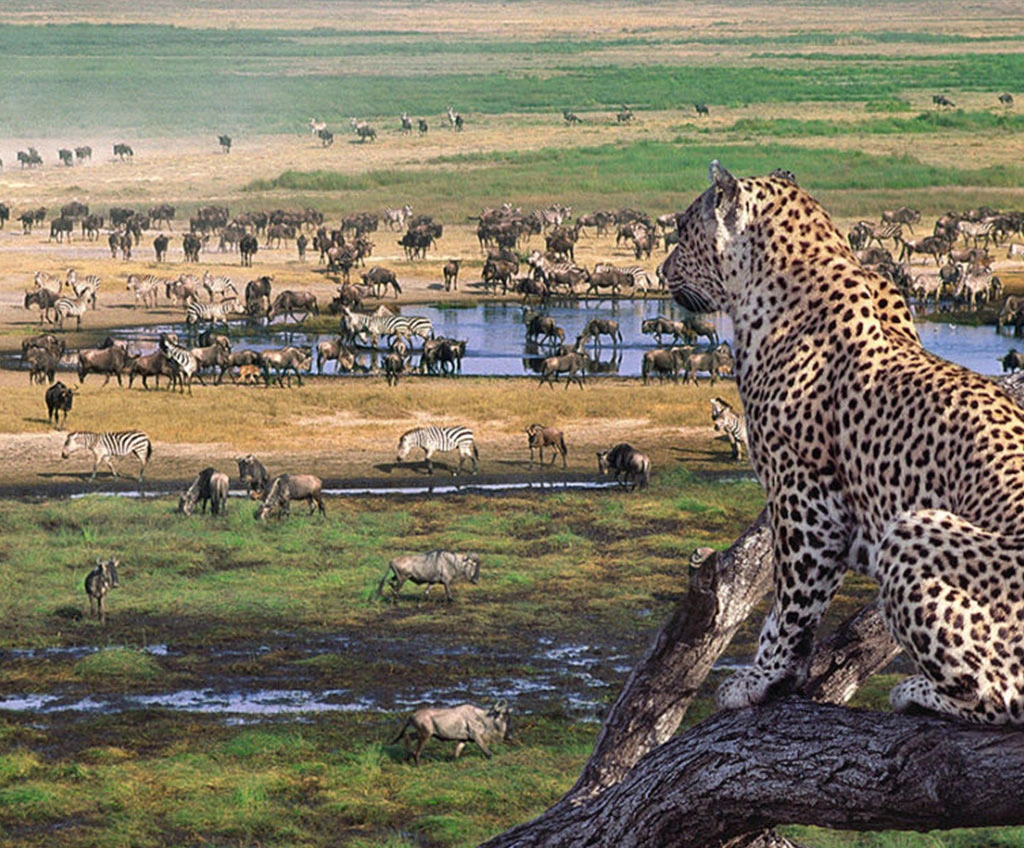
- Tanzania: the Serengeti and Ngorongoro Crater for scale and density, Tarangire for elephants and baobabs, and Ruaha and Nyerere for quieter, wilder safaris.
Kenya and Tanzania, or Uganda and Rwanda?
The two pairs offer different experiences. Kenya and Tanzania have vast open plains, very large herds and well-established safari circuits, which means excellent infrastructure and, in the busiest places, more vehicles at popular sightings. Uganda and Rwanda have smaller, quieter parks with fewer visitors, dense scenery and, importantly, easy pairing with gorillas and chimpanzees. Many travellers combine both, crossing between countries by road or short flight. We help you decide which balance suits your interests and your time.
The Great Migration
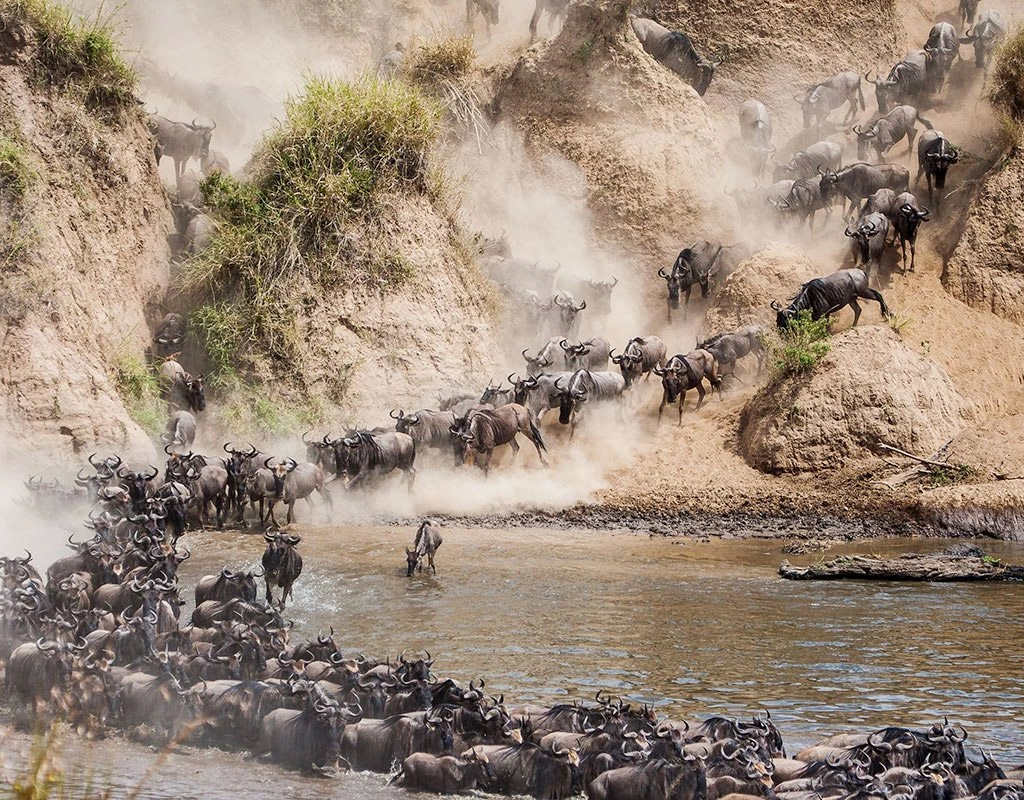
More than a million wildebeest, along with zebra and gazelle, follow the rains between Tanzania’s Serengeti and Kenya’s Maasai Mara. The river crossings in the Mara are usually between July and October, while calving on the southern Serengeti plains peaks around January and February. Timing shifts from year to year, so we plan by region and season and allow several nights, rather than tying a safari to a single date.
How long to allow
Five to seven nights is a comfortable length for a first wildlife safari, with two or three nights in each park. That gives several game drives in each place, time to relax and a chance to see something you missed on day one. Changing lodges every night is tiring and leaves less time in the field, so we would rather do fewer places well.
Where you will stay
Lodges offer rooms with private bathrooms, dining rooms and often a pool. Tented camps, ranging from simple to luxurious, put you closer to the sounds of the night. Private conservancies, especially in Kenya, limit vehicle numbers, allow night drives and off-road driving, and often offer guided walks. Location matters as much as style: a camp beside a river, a waterhole or a migration route can be worth more than a longer list of facilities.
Best time to go
The dry seasons, June to October and December to February, are generally best for wildlife viewing, because animals gather near water and the grass is shorter. The wetter months, March to May and November, bring lush landscapes, migrant birds, newborn animals and lower prices, though some roads become muddy and a few camps close. Each destination has its own rhythm, and we match your dates to the animals you most want to see.
Sample routes
- Kenya: Nairobi, Amboseli for elephants and Kilimanjaro views, then the Maasai Mara for big cats.
- Tanzania’s northern circuit: Arusha, Tarangire, the Serengeti and Ngorongoro Crater.
- Uganda: Entebbe, Murchison Falls for the Nile and game drives, then Queen Elizabeth National Park.
- Rwanda: Kigali and Akagera National Park, ideal as a short savannah add-on to gorilla trekking.
Who it suits
Wildlife safaris suit almost everyone: first-time visitors, families, couples, photographers and those who simply love watching animals. They are physically undemanding, and most of the effort is in early starts. If you are travelling with children, we choose lodges and activities that suit their ages and attention spans.
Your guide and vehicle
A guide is the single most important part of a wildlife safari. A good one knows animal behaviour, reads the landscape, positions the vehicle so that everyone can see and photograph, and shares the stories that turn a sighting into an understanding. Vehicles are 4x4s with a window seat for every guest. On a private safari the vehicle and guide are yours alone, so you set the pace and choose when to linger.
Comfort, health and safety
Dress in neutral layers, because mornings are cool and afternoons hot, and bring sun protection and a hat. Speak to your doctor about malaria prevention and vaccinations well before you travel. Stay in the vehicle unless your guide says otherwise, keep your voice low near animals and follow escorted-walk rules in camps at night. These simple habits keep you safe and let the animals behave naturally.
Planning your wildlife safari
Tell us which animals you most hope to see, when you can travel and how active you would like to be. We will suggest the parks, the number of nights and the style of accommodation that fit, and can add gorilla trekking, a boat cruise or a beach stay to round out the safari.
Available now
Safaris matching this
5-Day Kenya Maasai Mara Migration Safari
8-Day Tanzania Serengeti & Ngorongoro Safari
7-Day Kenya Maasai Mara & Amboseli Safari
From the Travel Guide
Related reading

East Africa Planning a Safari When to Visit
Great Migration by Month: Where the Herds Are and When
Where the herds usually are, month by month.
East Africa Adventure Planning a Safari
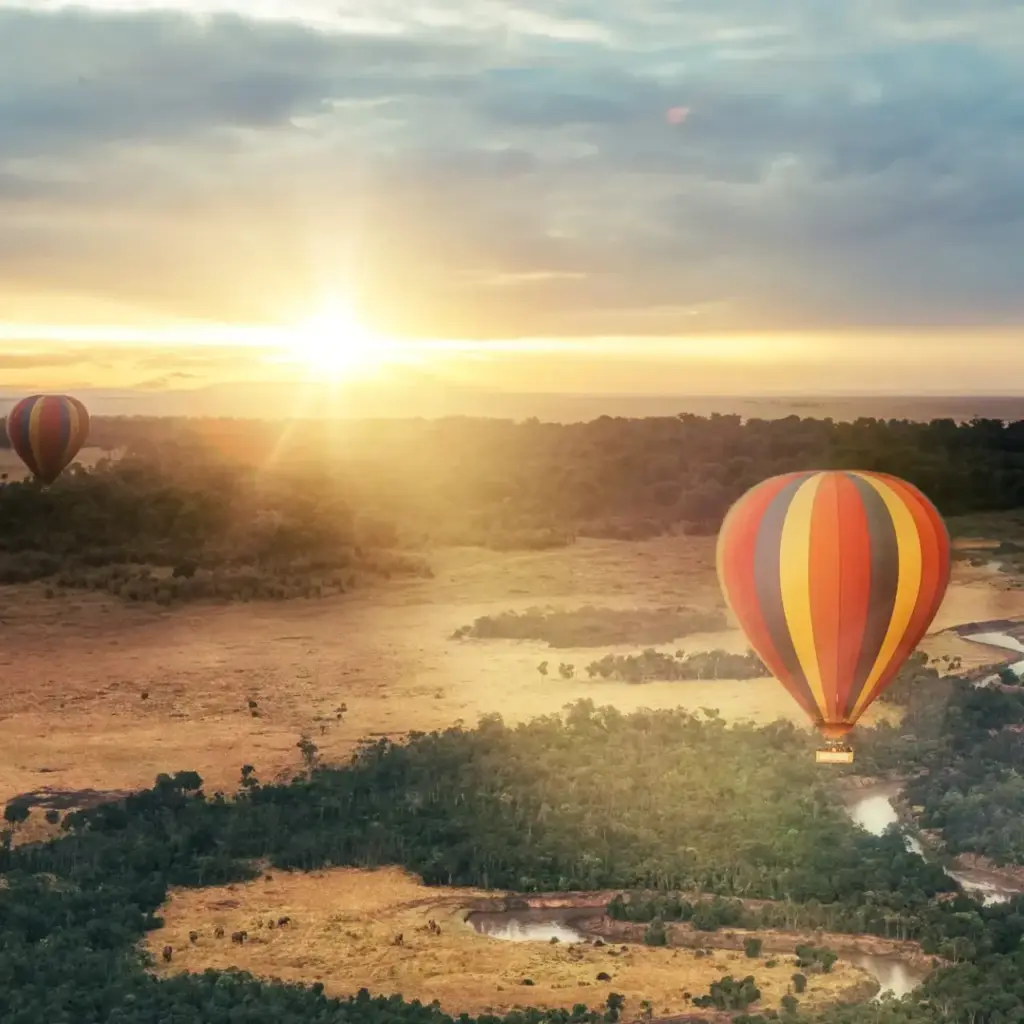
Masai Mara Hot Air Balloon Safari: What to Expect
The flight, the breakfast and what to ask before you book.
Kenya National Parks Planning a Safari
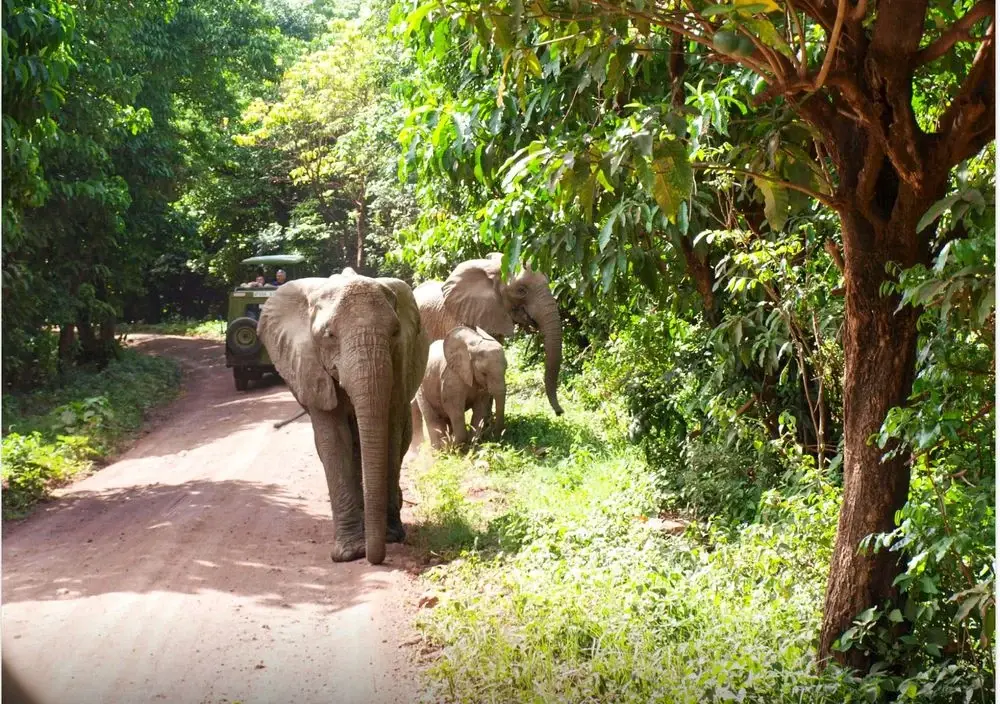
Tsavo East and West National Parks: Red Elephants and Springs
Red elephants, springs and a short road to the coast.
