Tsavo East and West National Parks together form one of the largest protected areas in Africa, a huge region of red earth, savannah and volcanic hills in southeast Kenya. They lie between Nairobi and Mombasa which makes them a natural stop on a trip that ends at the coast. This guide to Tsavo East and West National Parks covers the red elephants, Mzima Springs, Lugard Falls, the history of the man-eaters and where to stay.
Two parks, two characters
Tsavo East is mostly flat, open savannah with long views and it is the better park for large herds and for the Galana River. Tsavo West is more varied, with hills, lava flows, springs and thick bush and it is the more scenic of the two. Many itineraries use both with a night or two in each.
The parks are separated by the main road and railway but form a single ecosystem. Their size means that crowds are rare and a day may pass with few other vehicles. Wildlife is spread out so patience and good guiding matter more than in the smaller parks.
The red elephants of Tsavo
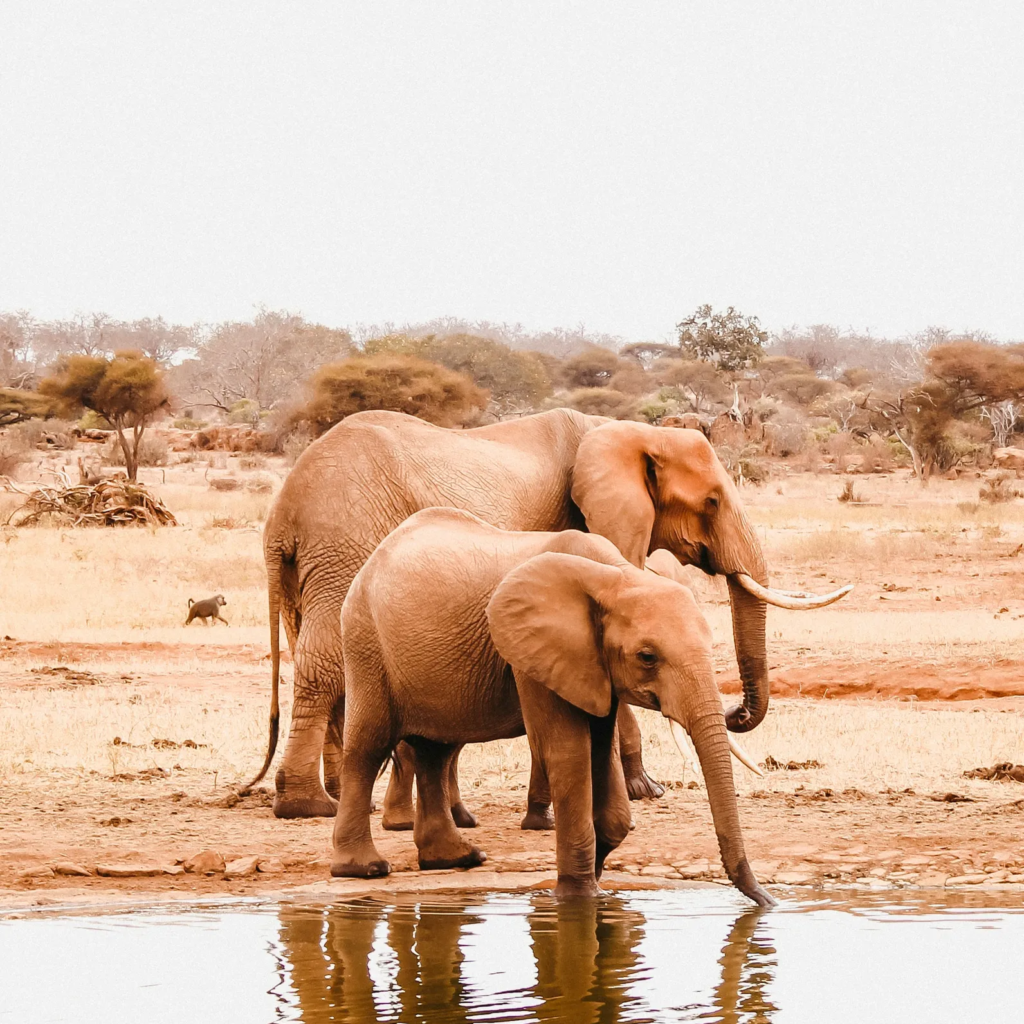
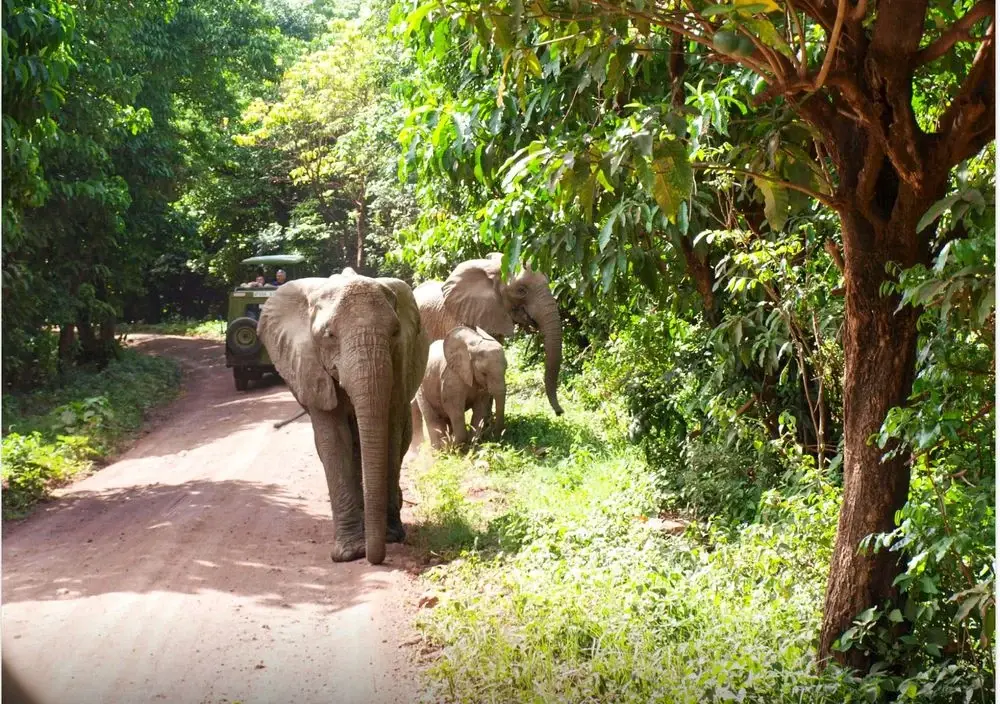
Tsavo’s elephants are famous for their colour. They dust bathe in the red soil and the earth clings to their skin, so they appear rust red rather than grey. The colour fades after rain and returns as they roll again in the dust. It makes striking photographs against green bush or blue sky.
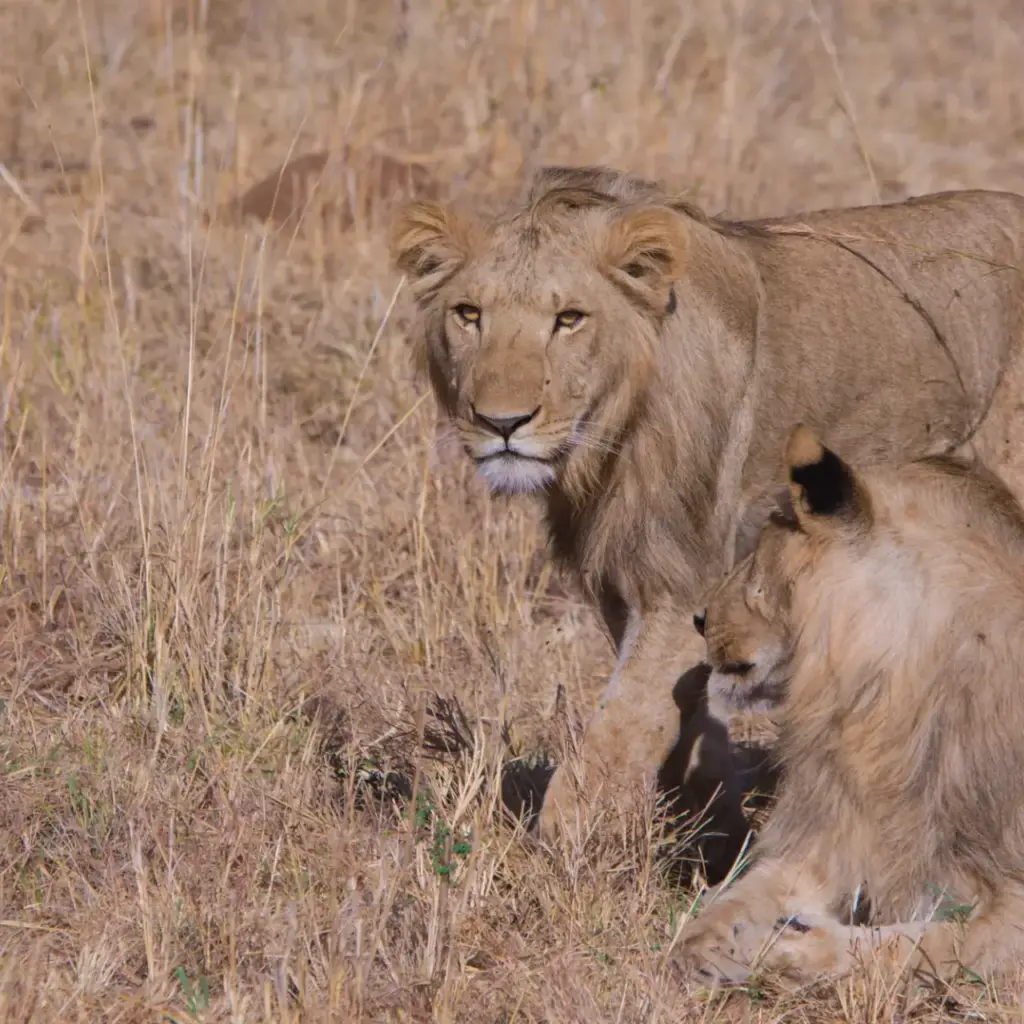
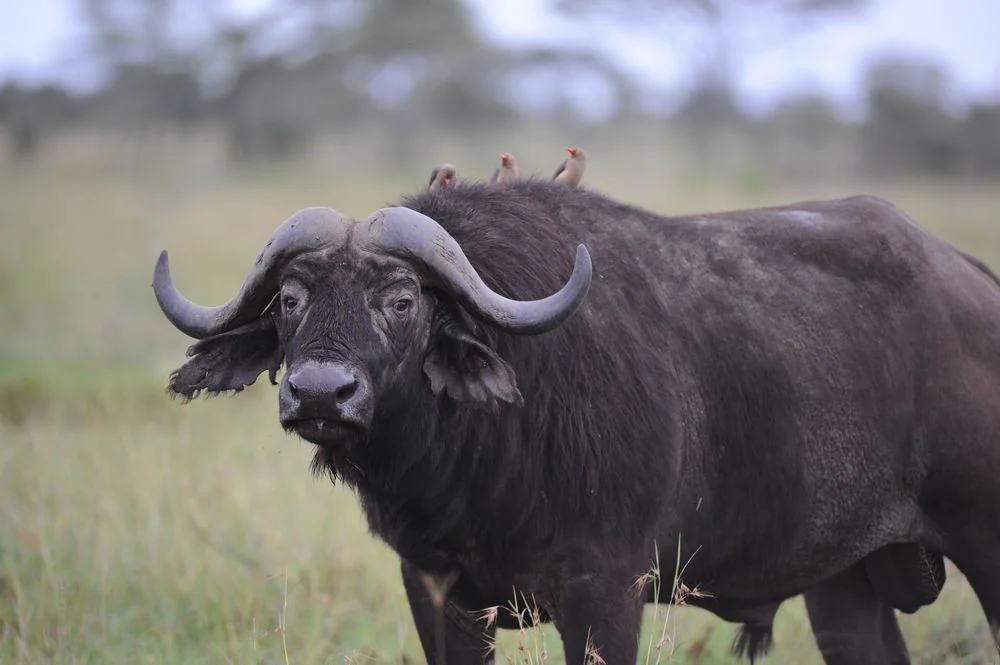
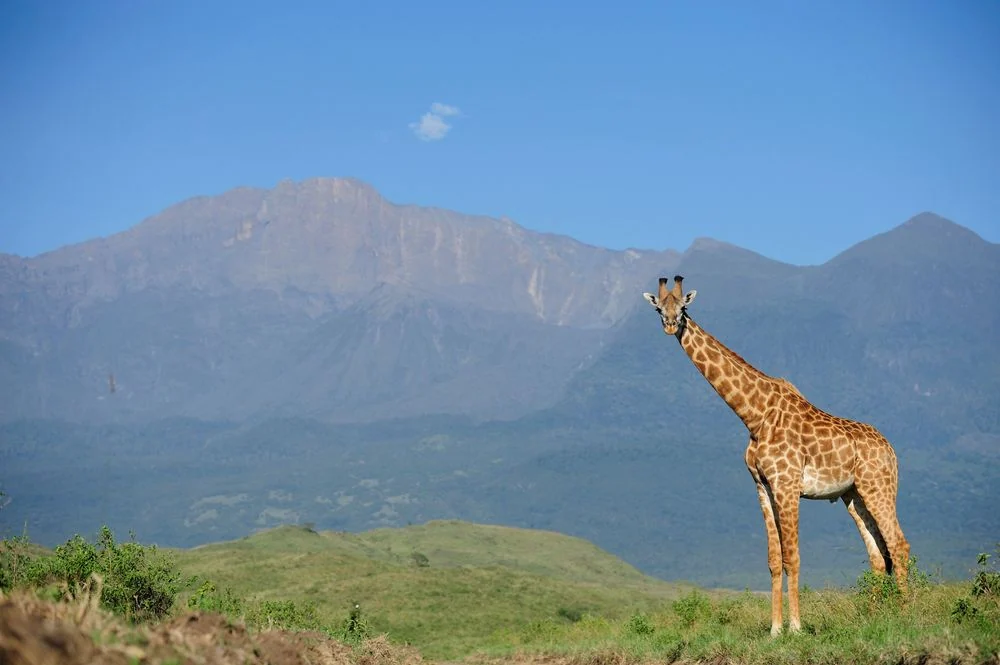
Tsavo also holds lions, leopards, cheetahs, buffalo, giraffes, hippos and crocodiles along with the dry-country species such as the gerenuk and the fringe-eared oryx. Tsavo lions are known for being maneless in many males, which is one of the odd local traits that guides will point out.
Mzima Springs and Lugard Falls
Mzima Springs located in Tsavo West is a set of pools fed by water filtered through the volcanic Chyulu Hills. The water is clear so hippos and crocodiles live in the pools, with fish swimming around them. A walking path leads along the bank and an underwater viewing chamber has been used at the site.
Lugard Falls found in Tsavo East is a stretch of rapids and rock formations on the Galana River. The water has carved the stone into smooth channels, and the area is a good place for a short walk with a ranger. Crocodiles and hippos live in the pools below, so stay behind the guide and the barriers.
The history of the man-eaters
In 1898 during the construction of the Uganda Railway, two male lions killed and ate a number of railway workers near the Tsavo River. The lions were eventually shot by the engineer in charge and the story became famous through a book and later films. The skins and skulls are now kept in a museum overseas.
The story is part of the park’s identity and guides can tell it at the right place. The railway itself still runs beside the park and the area has a number of historic sites that give a feel for the colonial era. Treat the old figures with some caution, since stories vary.
Linking Tsavo with the coast
Tsavo is one of the easiest ways to combine a safari with a beach stay. A road journey of a few hours takes you from the park to Mombasa or Diani where you can rest on the sand after a game drive. Our guide to a budget safari in Kenya shows how this route can work for different budgets.
Tsavo is also often combined with Amboseli. The two are close enough that a road journey connects them and a stay in both gives you elephants, scenery and a different feel from the Masai Mara.
The coast pairing deserves planning. A drive from Tsavo to Diani or Mombasa takes a few hours and some travellers prefer to take the standard gauge railway from Voi or Mtito Andei, which is comfortable and gives a different view of the landscape. We choose the option that fits your dates and we can arrange a flight if time is short.
Tsavo West also has the Ngulia Rhino Sanctuary which protects black rhinos, and the Shetani lava flow, a dark field of cooled volcanic rock that you can walk across with a guide. Both add variety to a stay and they are close to the main lodges.
Where to stay and practical tips
Lodges and camps range from mid-range properties with waterhole views to luxury camps with private decks. Some sit beside springs or on the edge of the hills. Cottages overlooking waterholes are popular because animals come to drink in the evening and we request them where we can.
The parks are warm and dusty for most of the year. Wear light neutral clothing, a hat, sunscreen and a scarf for dust, don’t forget to bring binoculars. The dry months: June to October and January to February are best for game viewing. Plan at least three nights across the two parks and We confirm current rates, as our quotes show everything that is included.
We start with your dates, then choose lodges, guides and transport to suit you. We explain what is fixed and what can change, and our team monitors and looks after the trip from the first message to the last transfer. Browse our Kenya safaris, or tell us your plans on the Plan My Safari page.
Frequently asked questions
Why are the elephants in Tsavo red?
They dust bathe in the red volcanic soil, and the earth clings to their skin, so they look rust red rather than grey. The colour fades after rain and returns when they roll in the dust again. It is a natural effect of the local soil, not a separate species.
What is the difference between Tsavo East and Tsavo West?
Tsavo East is flatter, with open savannah and the Galana River. Tsavo West is more varied, with hills, lava flows, springs and thicker bush. They form one ecosystem, and many itineraries include both, with a night or two in each park.
Who were the Tsavo man-eaters?
They were two male lions that killed a number of railway workers near the Tsavo River in 1898, during the building of the Uganda Railway. The engineer in charge eventually shot them. The story became famous through a book and films, and guides often tell it.
Can I combine Tsavo with a beach holiday?
Yes. Tsavo lies between Nairobi and Mombasa, so a road journey of a few hours links the park to the coast, including Diani. Many travellers end a safari with a few days on the beach. We plan the transfers and timing to suit your route.
How long should I spend in Tsavo?
Three nights across Tsavo East and West is a sensible minimum, and four allows a more relaxed pace. The parks are large and wildlife is spread out. Many travellers combine them with Amboseli or the coast, so we plan the length around your wider route.