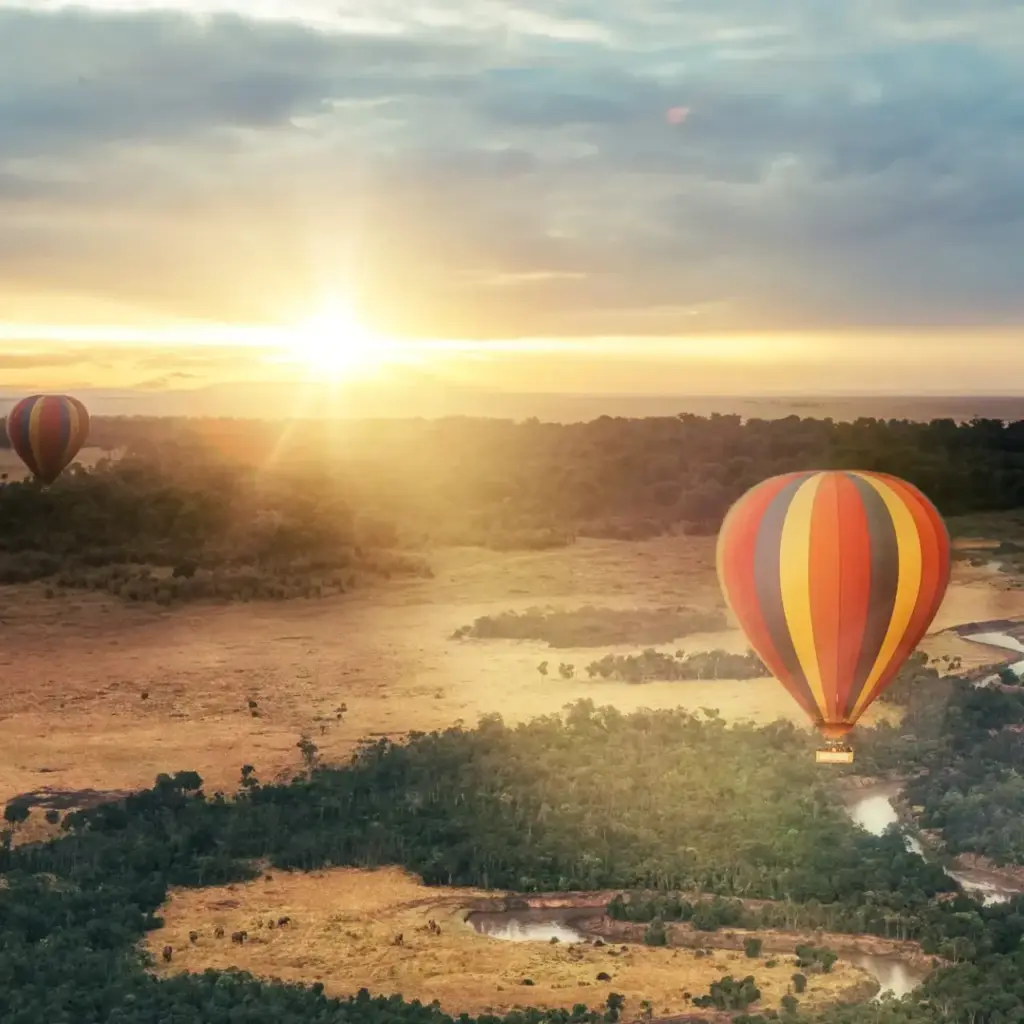
Cultural safaris centre a safari on genuine encounters with the people and living traditions of East Africa. Wildlife may still be part of the plan, but the emphasis shifts to communities, heritage, food, music and craft, and to the stories behind the landscapes you pass through. Done well, these safaris are respectful exchanges that leave income and understanding on both sides.
What a cultural safari can include
- Community visits and homestays, learning about farming, weaving, cooking or brewing, and sharing a meal with a family.
- Heritage sites and museums, from royal tombs and palaces to memorials and historic towns.
- Music and dance, performed by community groups and often followed by a chance to join in.
- Craft and markets, meeting the makers of baskets, beadwork, bark cloth and pottery.
- Food, including market walks, cooking lessons and farm visits.
Uganda
Uganda’s cultural highlights include the Batwa Cultural Experience near Bwindi and Mgahinga, the community-run Bigodi Wetland walk near Kibale, and the palaces and tombs of the Buganda Kingdom around Kampala. In the north-east, Karamoja offers a glimpse of pastoral traditions. Kampala also has the Uganda Museum and a lively arts and food scene.
Rwanda
Rwanda combines living culture with a powerful recent history. Iby’iwacu Cultural Village near Musanze presents Rwandan traditions and Intore dance, while the Kigali Genocide Memorial is a sober and essential place for understanding the country’s history and its recovery. Rwanda’s museums in Huye and Nyanza add depth about the older kingdom.
Kenya and Tanzania
In Kenya, Maasai and Samburu communities offer visits near the Maasai Mara and Samburu National Reserve, and the coast has Swahili heritage in Lamu and Mombasa. Tanzania adds the Hadzabe and Datoga around Lake Eyasi, Maasai villages near Ngorongoro and Stone Town in Zanzibar, a UNESCO World Heritage Site with a rich blend of African, Arab and Indian influences.
Visiting respectfully
The best cultural experiences are led or owned by the community itself, agreed in advance and paid for openly. Ask before photographing people, dress modestly in villages and at religious sites, and be careful with gifts, especially to children, because giving sweets or money can encourage begging. Learning a few words of the local language goes a long way, whether it is Luganda, Kinyarwanda or Swahili.
Avoiding staged experiences
Not every so-called cultural visit is worthwhile. A performance that treats people as exhibits, or a village where money vanishes into a middleman’s pocket, is worth skipping. We favour partners who are open about where your money goes, who share income with the wider community and who welcome questions. If something feels uncomfortable, tell us, and we will adjust.
Sensitive history
Some places, such as genocide memorials, carry heavy history. Visit them with time and quiet, follow guidance on photography and give yourself space afterwards. They are not entertainment, but many travellers find them among the most meaningful parts of a safari.
Combining culture with wildlife
Most travellers add one or two cultural experiences to a wildlife safari rather than dedicating a whole safari to them, although fully cultural itineraries can be shaped for those who prefer them. A market morning before a game drive, or a homestay after gorilla trekking, often becomes a highlight.
Food as a way in
Food is one of the easiest and most enjoyable ways into a culture. In Uganda you might try matoke, steamed green banana, with groundnut sauce, or a Rolex, an omelette rolled in chapati, from a street stall. Rwanda is known for brochettes and its coffee, Kenya for nyama choma and ugali, and Tanzania for pilau and Zanzibar’s spice-rich seafood curries. A market walk with a local cook followed by a cooking lesson is a memorable way to spend an afternoon.
Music, dance and festivals
Music is everywhere. Rwanda’s Intore dancers perform athletic, drum-driven routines, the Maasai are known for their jumping dances, and Buganda has a long tradition of royal drumming. If your dates line up, festivals add colour: Zanzibar’s Sauti za Busara music festival is usually held in February, and Rwanda holds an annual gorilla-naming ceremony, Kwita Izina. We can check current dates for you.
Homestays and longer visits
A night in a homestay offers a rare chance to see daily life up close: helping prepare supper, learning to draw water or dig cassava, and hearing families talk about their hopes for the future. Facilities are simple but clean, and hosts are usually keen to share. If you have a week or more, a homestay can be the most rewarding part of a safari, and it channels income directly to households.
Learning a few words
Greetings are the start of every conversation. A few words of Luganda, Kinyarwanda or Swahili, even badly pronounced, turn a polite visit into a warm exchange. Your guide will happily teach you, and people almost always respond with patience and delight.
How we choose partners
We look for experiences that are owned or led by the community, that are clear about where fees go and that give people a real say in how their culture is presented. We avoid staged performances and anything that treats people as an attraction. If a partner does not meet those standards, we do not include them, however convenient they might be.
Buying crafts well
Craft markets and workshops are a chance to bring home something made by hand. Buy directly from the makers where you can, pay a fair price rather than bargaining hard, and ask how an item was made and from what. Never buy anything made from ivory, animal skins or other wildlife products, which are illegal and harm the animals we come to see.
Planning your cultural safari
Tell us which traditions and places interest you, how much time you have and how comfortable you are with simple facilities. We will build the experiences into your route, choose community partners carefully and make sure your visit leaves something behind.
Available now
Safaris matching this
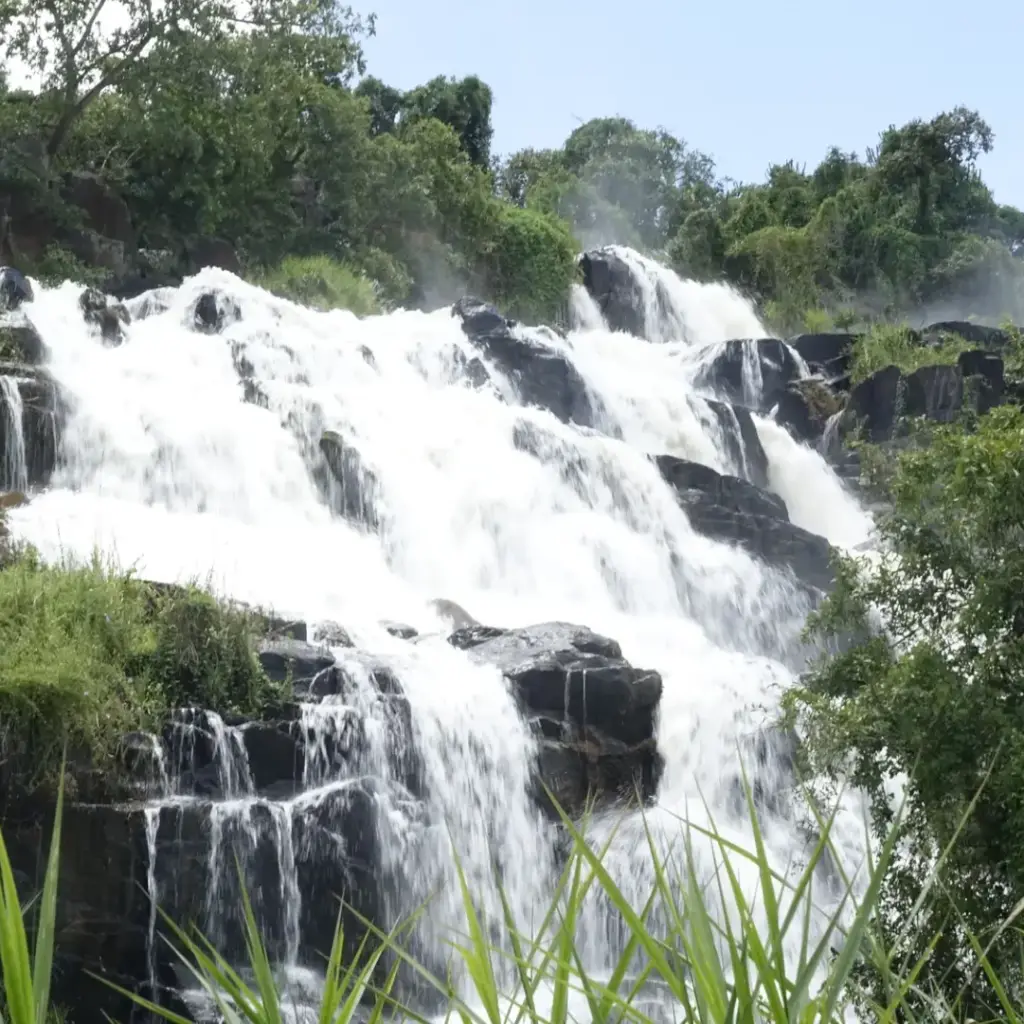
10 Day Karamoja Culture, Coffee and Wildlife
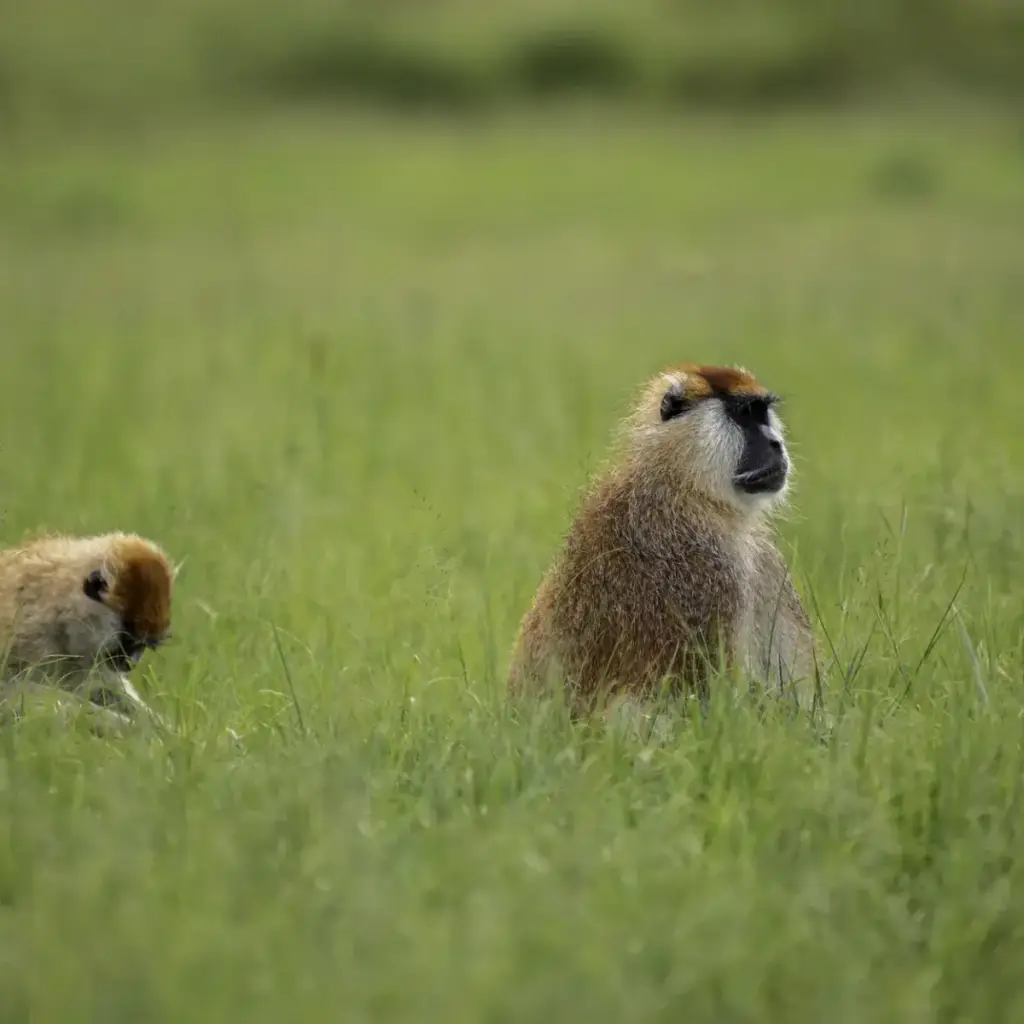
13 Day Uganda Culture, Chimps and Wildlife Safari
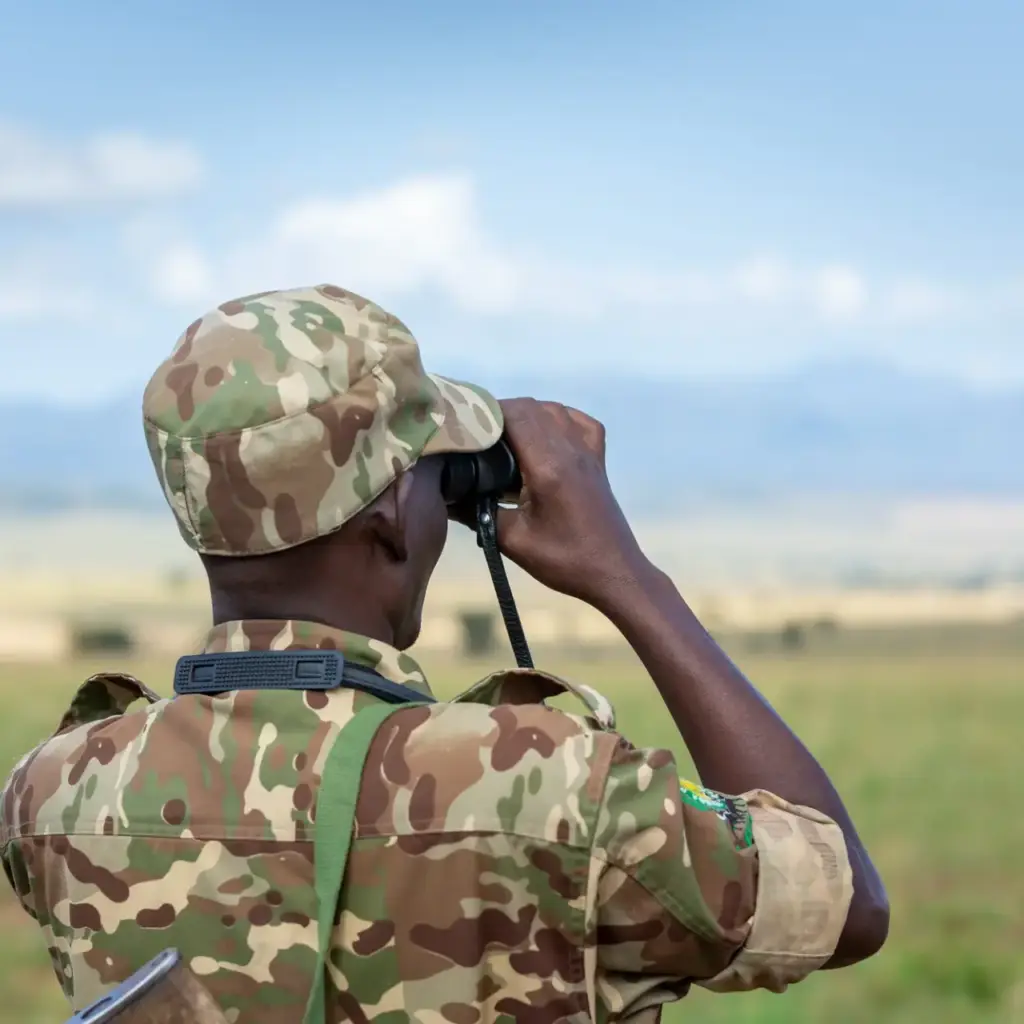
6 Day Karamoja Culture, Cattle Camp and Kidepo
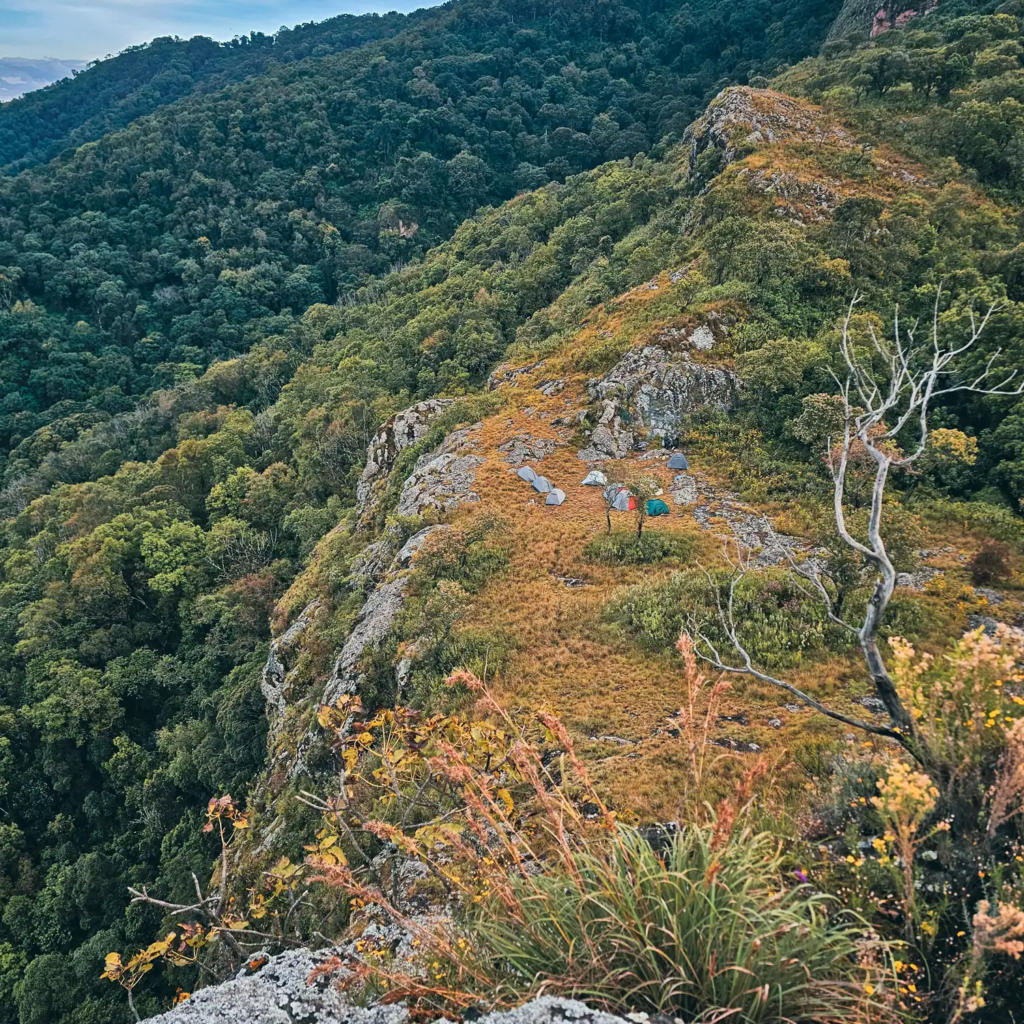 Multi-Country
16 Day Karamoja to Turkana Nomad Trail: Uganda and Kenya
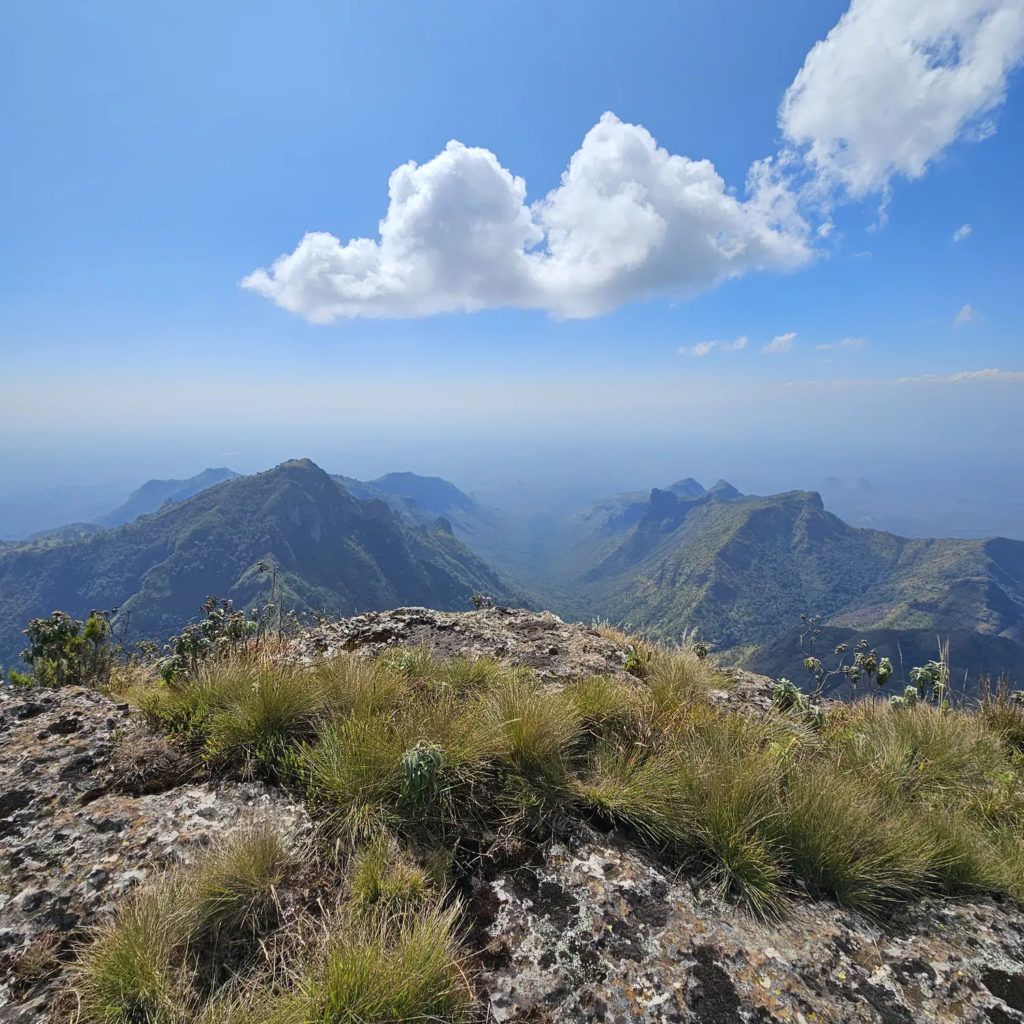 Multi-Country
6 Day Tanzania Wildlife and Hadzabe Culture Safari
From the Travel Guide
Related reading
East Africa Conservation Culture
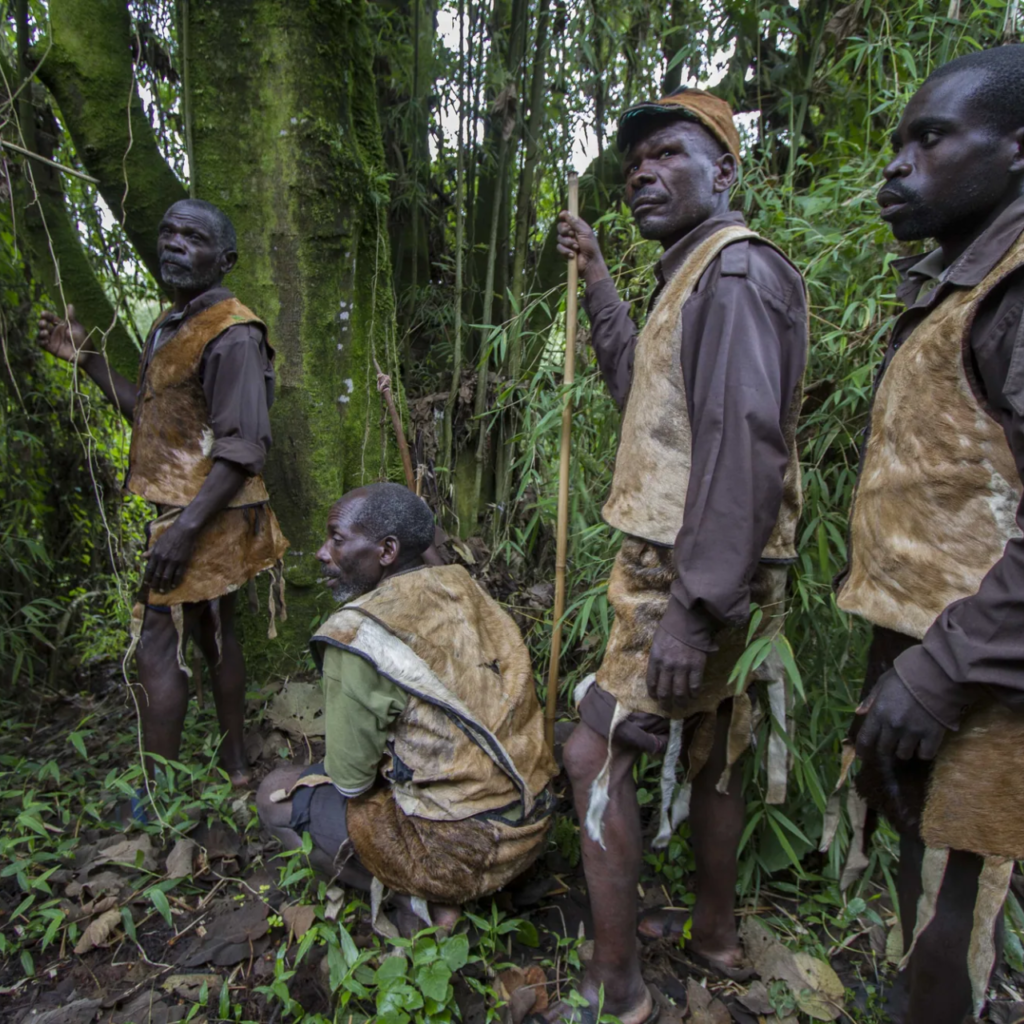
Batwa Cultural Experience in Uganda: What It Is and How to Choose
A forest walk with Batwa hosts, and how to do it respectfully.
Uganda Chimpanzees Communities
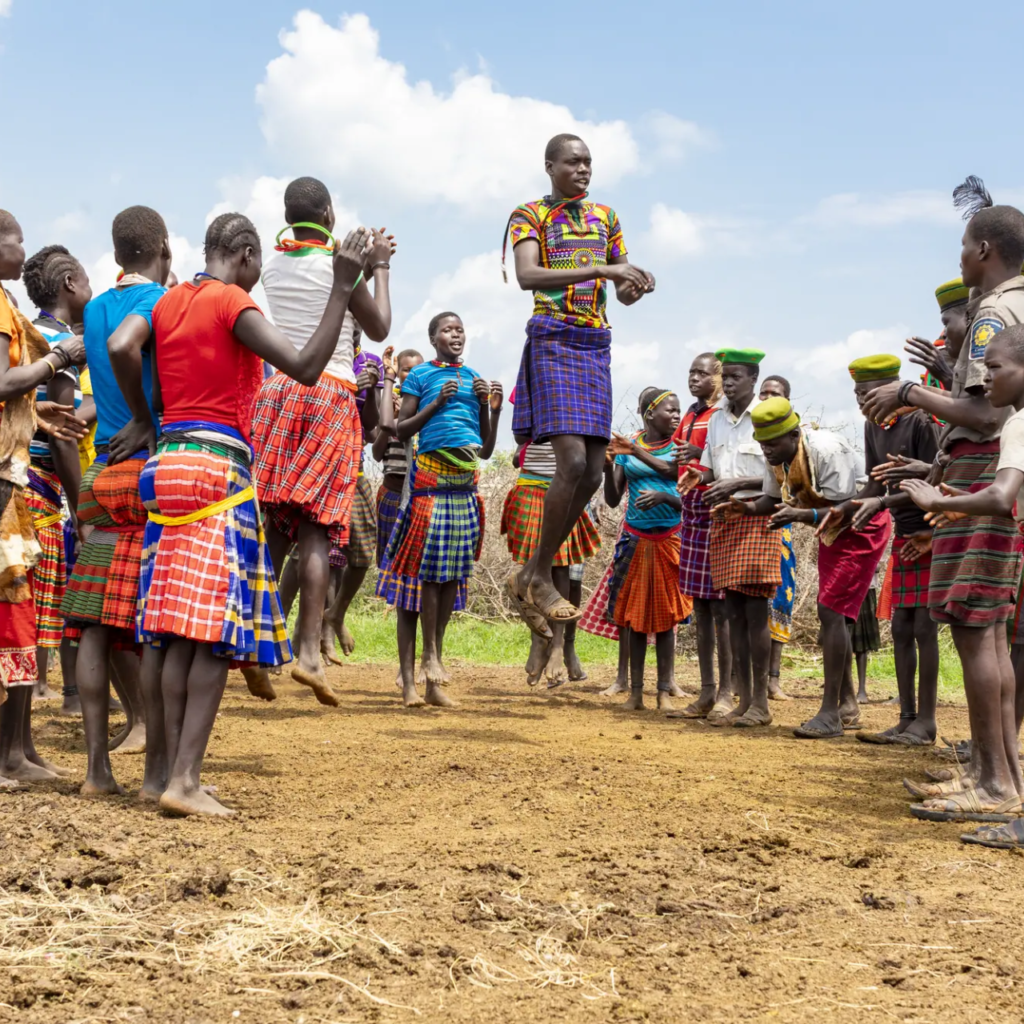
Cultural Safari Uganda: Batwa, Buganda and Karamoja
Forest people, kingdoms, markets and cattle herders, linked to the parks.
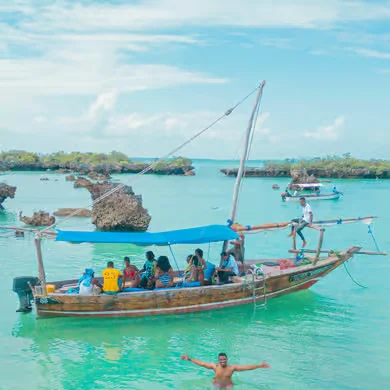
Cultural Safari Tanzania: Maasai, Mto wa Mbu and Stone Town
Maasai, Chagga and Swahili culture around the northern circuit and Zanzibar.