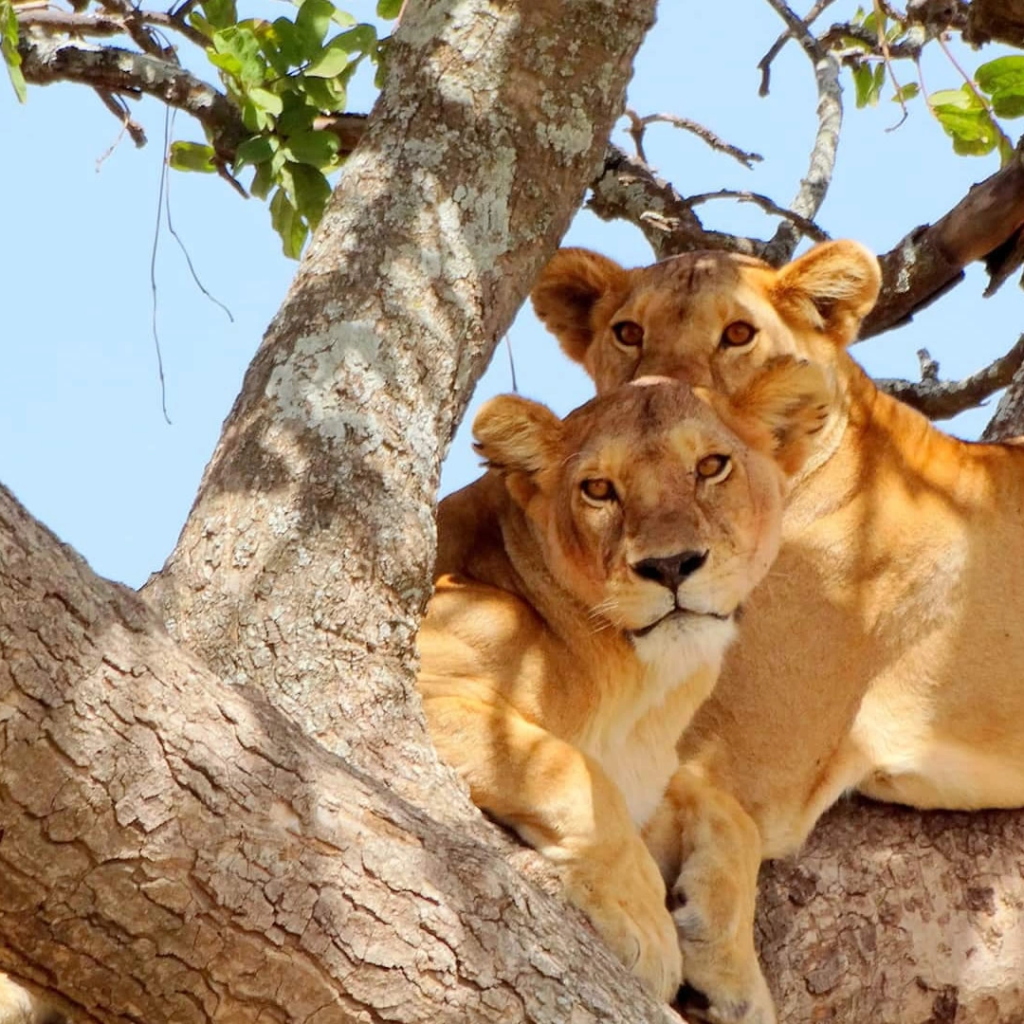
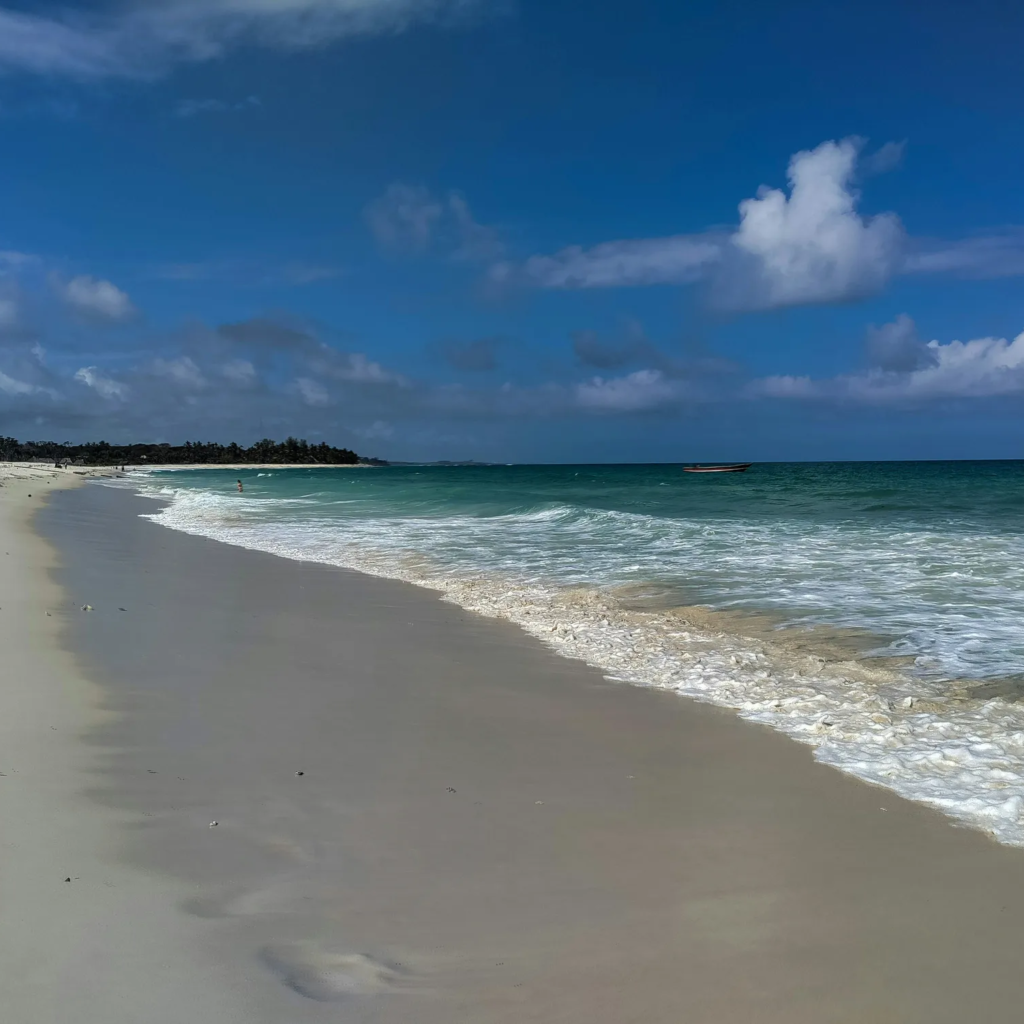
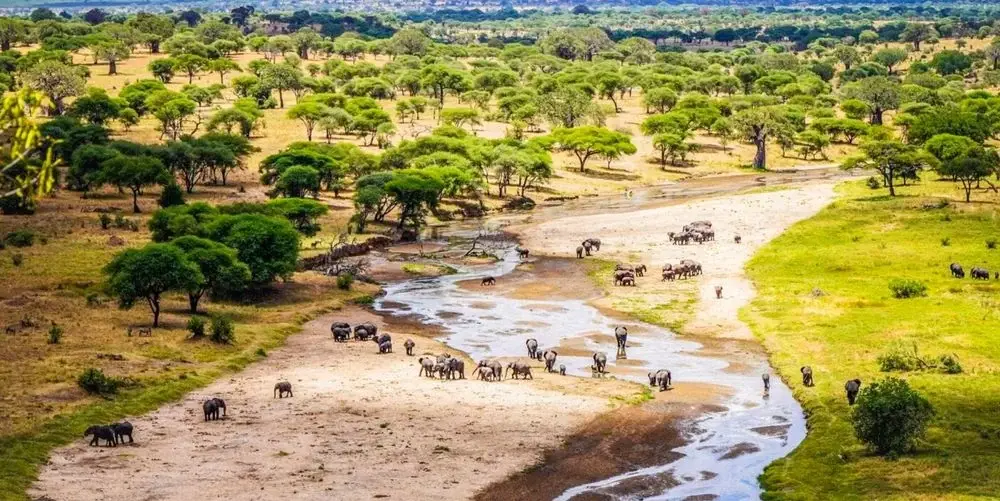
A cultural safari Tanzania itinerary joins the northern circuit wildlife with Maasai and Chagga communities, the farming town of Mto wa Mbu, careful visits near Lake Eyasi and the Swahili history of Stone Town in Zanzibar. Tanzania is large, so planning matters. This guide explains each experience, which ones need the most care, how they sit between the Serengeti, Ngorongoro and Tarangire and when to travel.
Why Tanzania suits a cultural safari
Tanzania has more than one hundred and twenty ethnic groups and families often belong to one group while speaking two or three languages The country has one shared national language, Swahili. Visitors meet it everywhere, from the greeting jambo to the phrases pole pole which means slowly and karibu which means welcome. The north combines Maasai, Chagga, Iraqw, Datoga and Hadzabe communities while the coast and Zanzibar hold Swahili, Arab and Indian influences from centuries of trade.
The northern circuit from Arusha through Tarangire, Manyara, Ngorongoro and the Serengeti passes through lived-in country so cultural stops are natural. Because distances are long, we choose a few good visits instead of one at every stop.
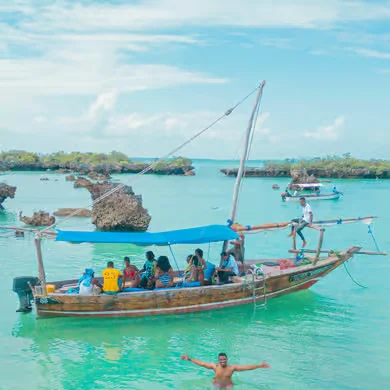
Maasai communities around Ngorongoro and the Serengeti
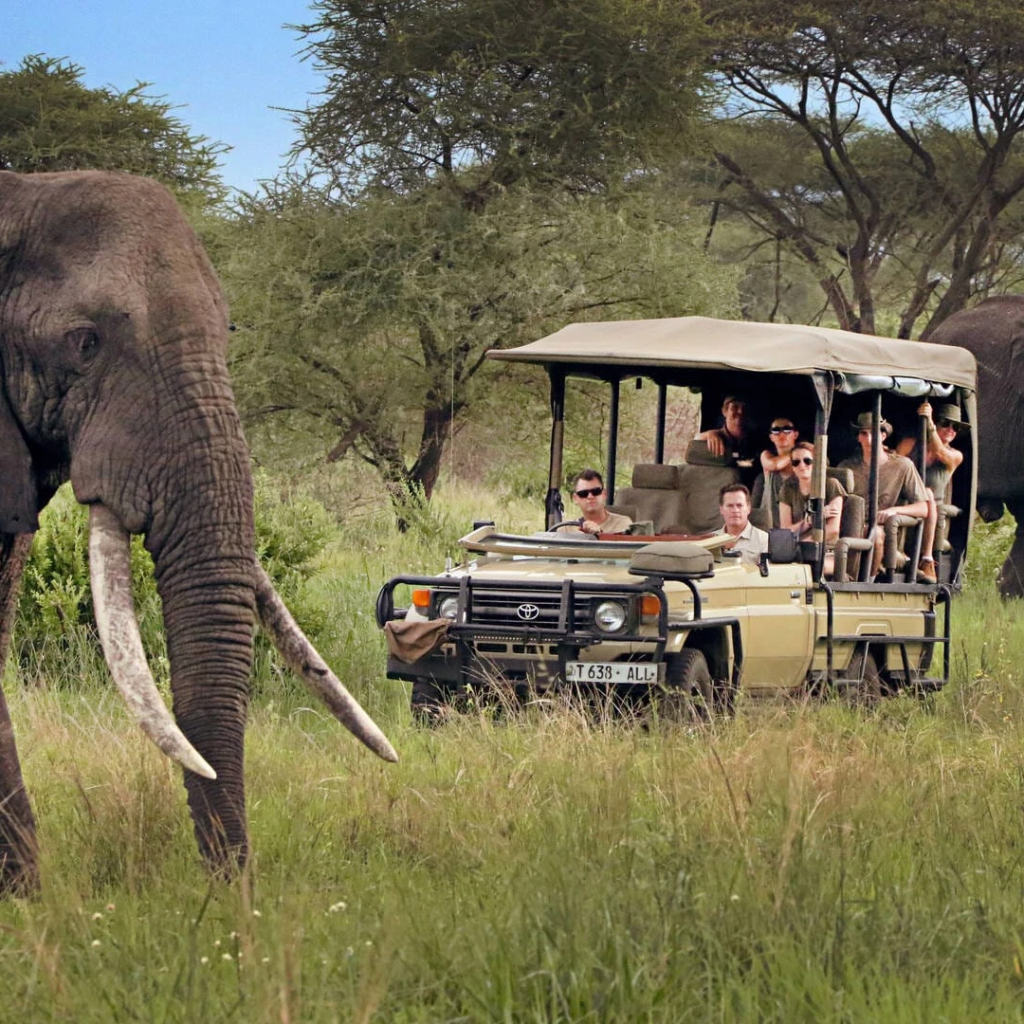
Maasai families live around Tarangire in the Ngorongoro Conservation Area and in the lands that border the Serengeti. The conservation area is unusual because people, livestock and wildlife share it and the future of how residents live there has been debated for years. Ask your guide for the present position and listen to different views.
A good Maasai visit follows the same principles as in Kenya. The community agrees the programme, fees are known in advance and a share goes to a village fund. Visits often include a walk with herders, a look at the homestead and an account of the age sets, with an invitation to join the jumping dance. Do not feel pressured to buy. Our guide to Maasai cultural visits on safari sets out the questions to ask before you book.
Mto wa Mbu, Lake Eyasi and the Hadzabe
Mto wa Mbu, near Lake Manyara is a busy market town where dozens of ethnic groups live together. The local cultural tourism programme offers bicycle rides through banana groves and rice fields with visits to a banana beer maker, woodcarvers and a painter finalized with a lunch at a family home. It is a good place to see everyday Tanzania and the income is shared in the village.
Lake Eyasi, located south of Ngorongoro is the home of the Hadzabe and the Datoga. The Hadzabe are a small community of hunter-gatherers who have lived in the area for a very long time, using their bows, honey and wild foods. The Datoga are pastoralists known for their blacksmiths and silver jewellery. Visits here need great care. The Hadzabe face pressure on their land and a badly run tourist visit can turn their daily life into a performance and bring alcohol and dependence with it.
Incase you want a tour, Offmap Safaris works directly with the Hadzabe through an agreed arrangement, who limits the number of visitors, who pays a fair fee to the community and not just to an intermediary, and who explains the rules in advance. Do not hand out gifts, food or money, do not ask people to stage hunts and do not film without permission. If in doubt choosing another experience is allowed, such as a Datoga forge or a Mto wa Mbu day. We would rather advise against a visit than arrange a poor one.
Chagga farms, Kilimanjaro and Olduvai
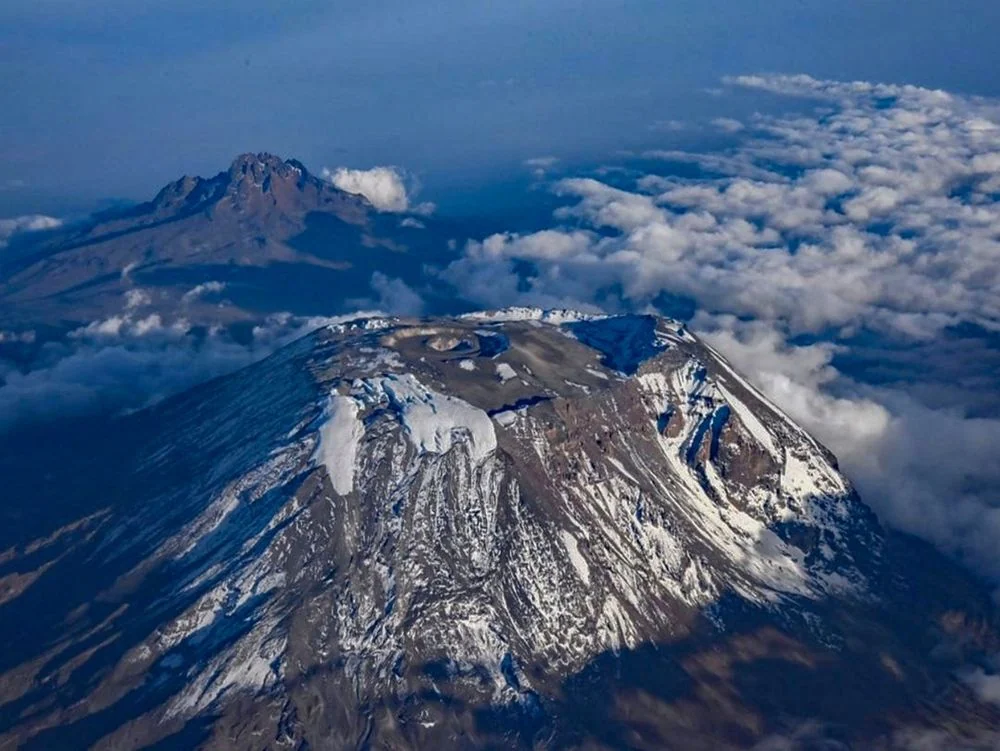
On the lower slopes of Kilimanjaro, Chagga farmers grow coffee, bananas and vegetables and a day around Marangu or Machame can include a walk past waterfalls, a coffee tasting from picking to cup and a meal in a family home. The Chagga have their own irrigation canals and a history of trade. Guides here are also climbers and many have stories from the mountain.
Many Chagga homes also host cooking sessions where visitors pound plantains and stew them with beef or beans in the dish known as mchemsho or learn to make the banana and millet beer that appears at celebrations. Ask whether the family or a company receives your fee, and choose the family.
Olduvai Gorge, on the road between Ngorongoro and the Serengeti is a window into human origins. A small museum on the rim shows fossils and tools and a guide explains the finds. It is a short stop that gives context to the landscape you cross.
Stone Town and Zanzibar heritage
Stone Town, the old quarter of Zanzibar City is a UNESCO World Heritage Site and the best single cultural stop in Tanzania. Narrow lanes lead past carved wooden doors, coral stone houses, mosques, Hindu temples and a cathedral. The Old Fort, Forodhani Gardens and the busy Darajani market give a sense of daily life. The House of Wonders, a former sultan’s palace which has been under repair are all sites are you disposal on a tour.
The island was a center of the spice and ivory trade and under the Omani sultans in the nineteenth century it became a major slave market. Zanzibar’s slave market was closed in 1873 and the Anglican cathedral stands on the site. Visiting the museum and the old slave chambers is sobering and our local guide gives the history with care.
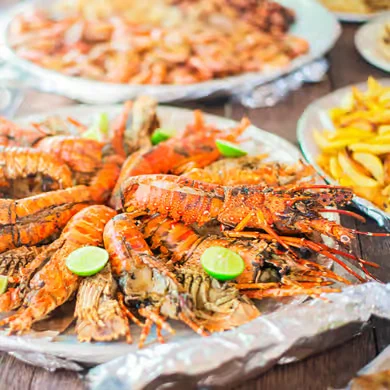
Outside the town, spice farm tours show cloves, vanilla, cinnamon and nutmeg growing and cooks explain how they are used. Swahili food, with biryani, urojo soup, grilled fish and coconut sauces is a pleasure to eat at the night market. Our guide to Stone Town gives a walking route. Bring a scarf for mosques and dress modestly since Zanzibar is mainly Muslim.
Combining culture with wildlife
A balanced Tanzania trip might start with Tarangire and Manyara including a Mto wa Mbu day, continue to Ngorongoro and the Serengeti with a Maasai visit then finish in Zanzibar. Between the safari and the coast, the flight from Arusha or the Serengeti to Zanzibar is short. Allow two nights in Stone Town before the beach so the history comes first.
Note for planning: from 1 October 2026 foreign visitors to mainland Tanzania are required to hold the government inbound travel insurance. Check the current requirement and the official guidance before you travel and see our guide to choosing between Tanzania and Kenya incase you are still deciding.
When to go, and practical tips
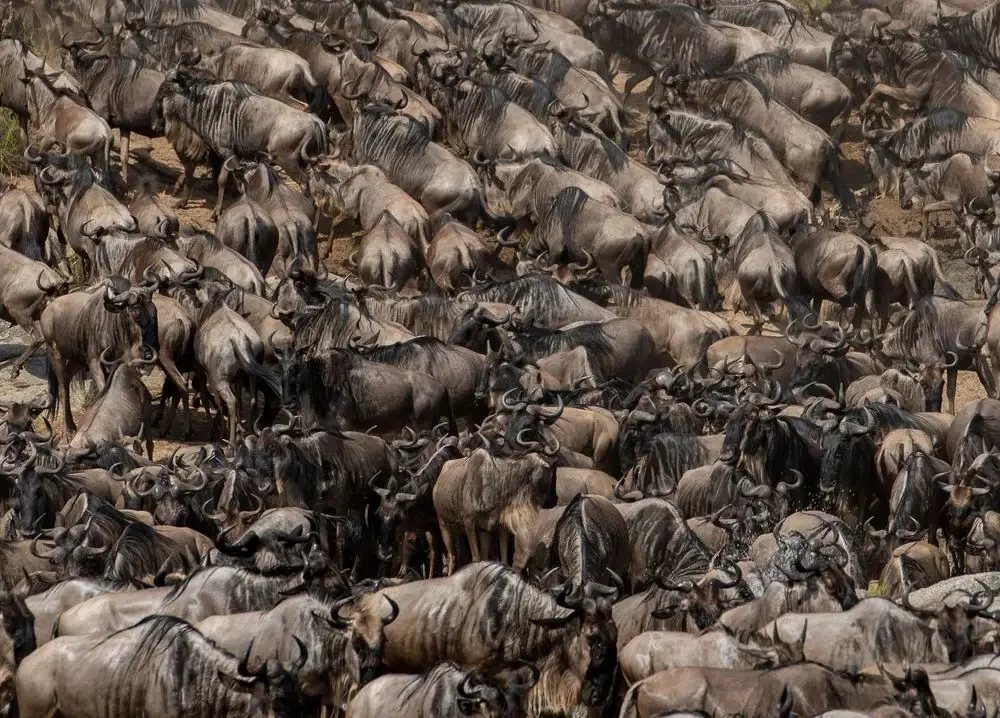
The dry season: June to October is best for wildlife and easy roads. The Great Migration herds are in the Serengeti most of the year and cross the Mara River into Kenya roughly July to October with timing that varies, so river crossings cannot be promised. Calving in the southern Serengeti and Ndutu is around January to March. The long rains, March to May, are quiet and green. Cultural visits run all year but Zanzibar is hot and humid in January and February.
Practical tips: dress modestly in towns and villages, with a scarf for mosques. Carry small notes, a hat, sunscreen and a light rain jacket. Ask before any photograph of a person and accept a refusal. Say karibu and asante. Do not give gifts to children. If you wish to help, let us arrange a donation to a school or clinic that has asked for support. Plan for slow travel in the north where a good road can still mean a long day and pack patience along with sunscreen.
We start with your dates and interests then choose lodges, guides and community hosts to suit you. We explain what is fixed and what can change then our team monitors and looks after the trip from the first message to the last transfer. Browse our Tanzania safaris, or tell us your plans on the Plan My Safari page.
Frequently asked questions
What cultural experiences can I have on a Tanzania safari?
You can visit Maasai communities, cycle through Mto wa Mbu, meet Chagga farmers on Kilimanjaro, learn at Olduvai Gorge and explore Stone Town in Zanzibar. Lake Eyasi visits need great care. Choose a few good experiences instead of one at every stop.
Is it right to visit the Hadzabe at Lake Eyasi?
Only with great care. The Hadzabe are a small hunter-gatherer community, and careless tourism can harm them. Choose an operator that works through an agreed arrangement, pays the community fairly, limits visitors and bans gifts. If you are unsure, pick a different cultural visit.
What should I see in Stone Town, Zanzibar?
Walk the lanes to see carved doors, the Old Fort, Forodhani Gardens, Darajani market, the cathedral on the old slave market site and mosques. A spice farm tour adds food and history. Check whether the House of Wonders is open, as it has been under repair.
Can I combine a cultural safari with Zanzibar beaches?
Yes. Many itineraries finish with two nights in Stone Town for history and then days on the beach. Short flights link Arusha and the Serengeti with Zanzibar. Dress modestly in town, as the island is mainly Muslim, and keep swimwear for the resort.
When is the best time for a cultural safari in Tanzania?
June to October is the dry season, best for wildlife and roads, and the Great Migration crosses into Kenya roughly July to October. January to March has calving in the south. March to May is wet and quiet. Cultural visits run all year.