
What a nature walk is
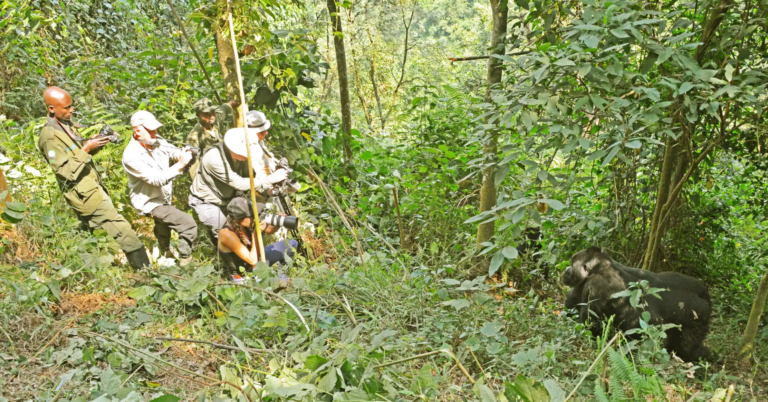
A nature walk is a guided stroll of an hour or two, sometimes half a day, through forest, wetland or hills. A local guide leads, pointing out birds, primates, plants and insects and explaining how the ecosystem fits together. The pace is unhurried, the paths are usually well trodden and you do not need any special fitness beyond comfortable walking. Walks can be tailored to your interests, from birds and butterflies to medicinal plants and photography.
Where to walk
- Bigodi Wetland Sanctuary, Uganda: a community-run boardwalk and trail near Kibale, excellent for monkeys, birds and butterflies.
- Kibale, Budongo and Mabira forests, Uganda: shaded forest walks with primates and forest birds.
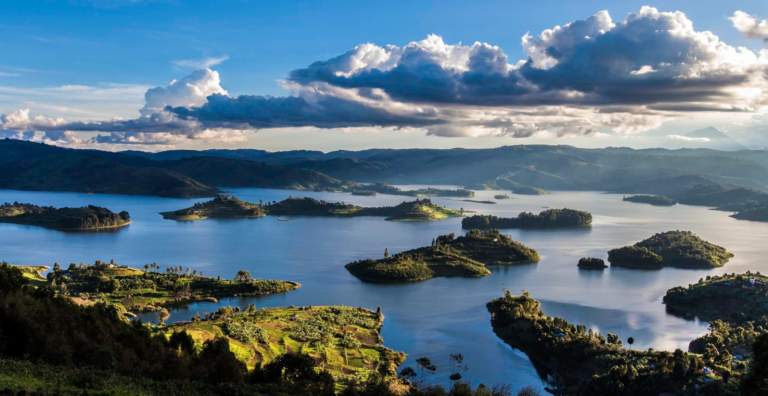
- Lake Bunyonyi, Uganda: walks along terraced hillsides and around the lake’s islands.
- Nyungwe Forest, Rwanda: a network of well-marked trails through montane forest, plus a canopy walkway.
- Hell’s Gate National Park, Kenya: dramatic gorges and cliffs that you can walk through.
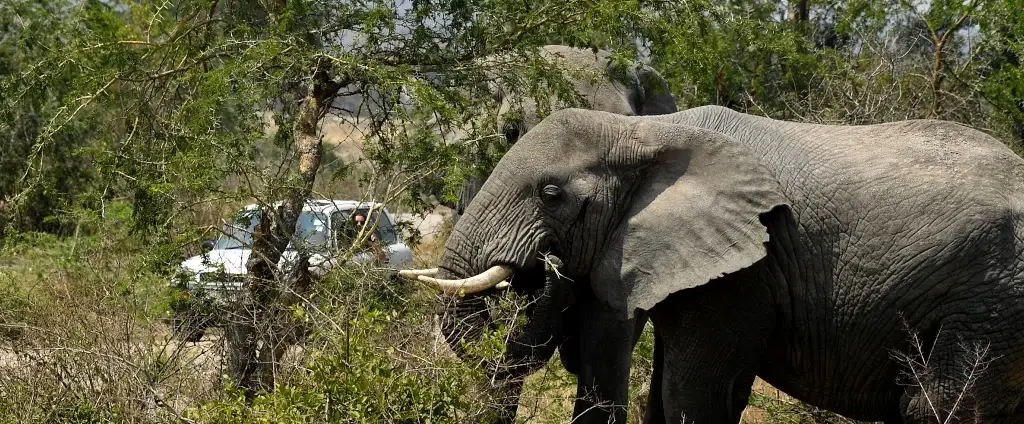
- Arusha National Park, Tanzania: guided walks among giraffes, buffalo and colobus monkeys, under Mount Meru.
Forest, wetland or hill?
Each habitat feels different. Forest walks are cool and green, with a chorus of birds and the chance of primates. Wetland walks are open and bright, with waterbirds and, in the best places, a chance of rare species. Hill walks give views over terraced farms and lakes and let you meet people going about their day. We match the habitat to your interests and the season.
Wildlife you might meet
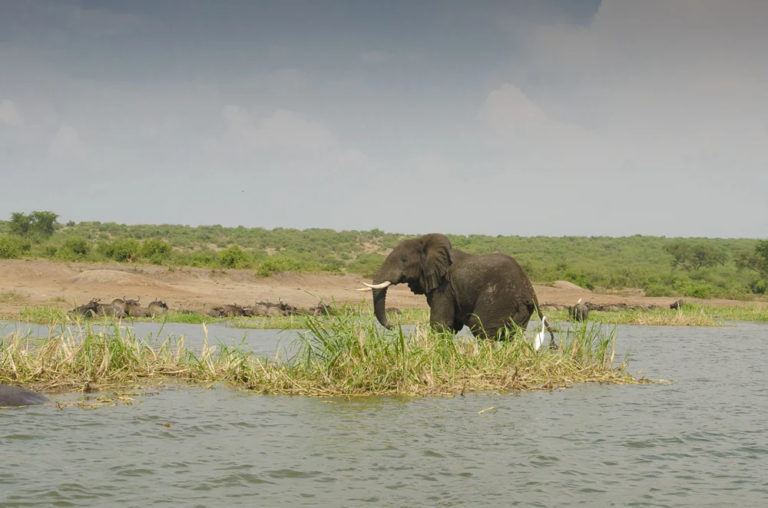
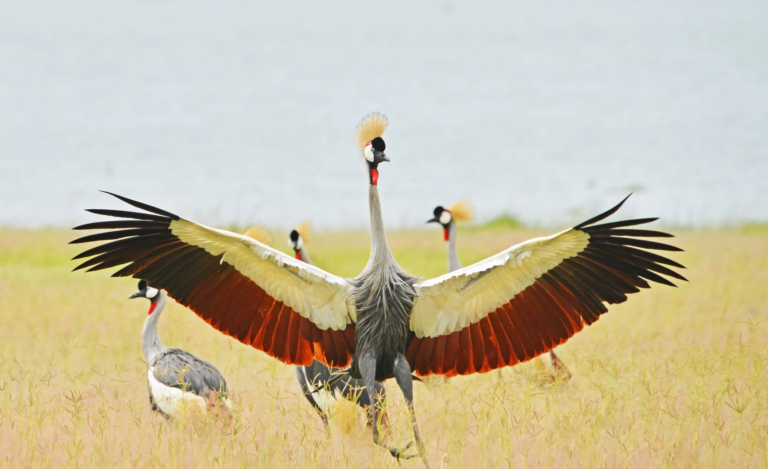
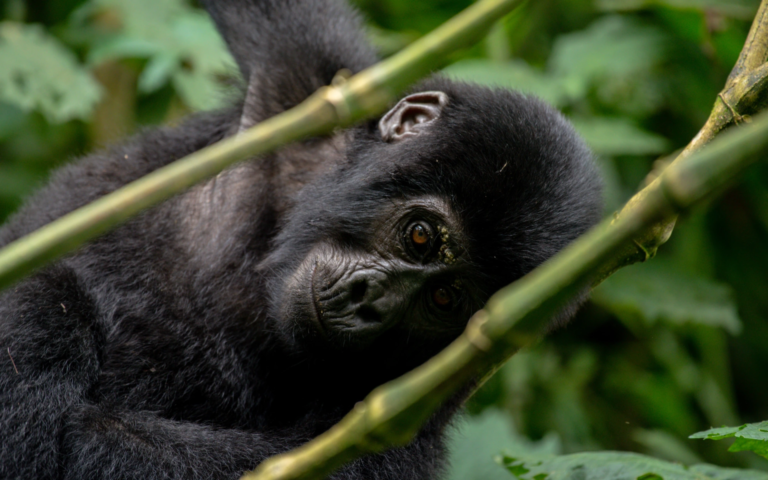
On a forest walk you might see red colobus, blue monkeys and black-and-white colobus, hornbills, turacos and forest butterflies. In wetlands you may find sitatunga, herons, kingfishers and, with luck, a shoebill. Walks in savannah parks, where they are allowed, are led by armed rangers and bring you closer to giraffe, zebra and antelope, though big predators are avoided. Your guide will tell you what is safe and what to do if an animal appears.
Best time to go
Walks are possible all year, with early morning the best time for wildlife and cool temperatures. The drier months, June to September and December to February, make trails firmer while the wet months bring lush growth and more butterflies, though paths can be slippery. A light waterproof jacket is worth carrying at any time.
What to wear and bring
- Comfortable walking shoes or light boots with grip
- Long trousers and a light long-sleeved shirt for insects and undergrowth
- A hat, sunscreen and insect repellent
- Water, binoculars and a camera
- A light rain jacket
Who nature walks suit
Nature walks suit families, older travellers, keen photographers and anyone who prefers a gentle pace. They are also useful on days when you would rather rest from vehicle travel. If you are more energetic, longer hikes and volcano climbs are available, and we can combine them on the same safari.
Supporting the community
Many of the best walks are run by local guides and community associations, so the fee you pay funds schools, conservation and jobs close to the forest or wetland. Choosing a community-led walk is one of the simplest ways to make your safari count.
A closer look: the Bigodi Wetland
Bigodi Wetland Sanctuary lies in the Magombe Swamp beside Kibale National Park. It is managed by a local community association, and money from visits helps pay for schools and health projects in the surrounding villages. A boardwalk and trails take you through papyrus, palms and forest edge where more than two hundred bird species have been recorded, alongside several monkey species and a rich variety of butterflies. It is a gentle, rewarding walk, and it shows how conservation can benefit the people living next to it.
Nyungwe’s trails and canopy walk
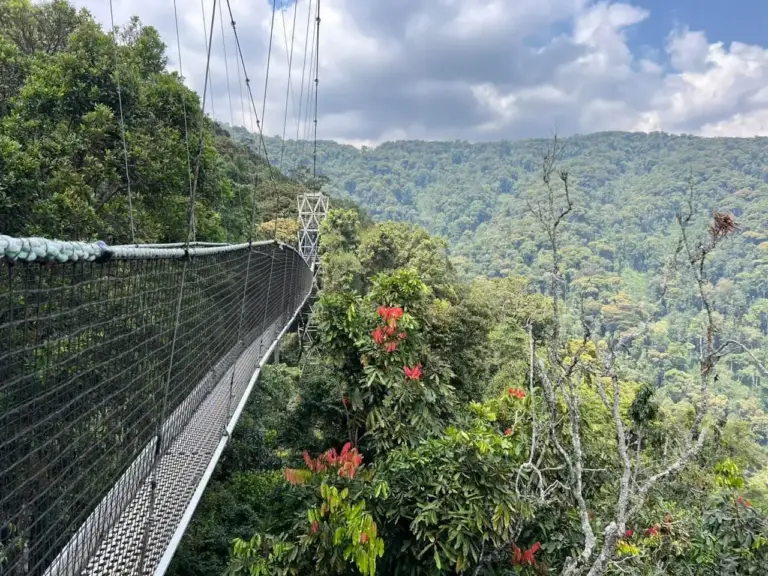
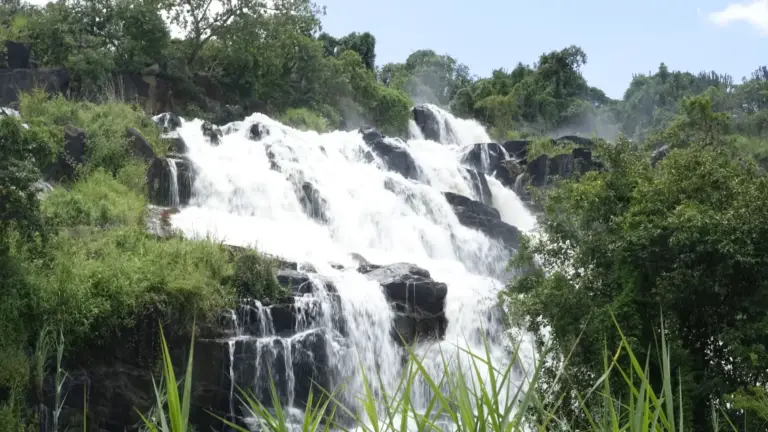
Nyungwe Forest is one of Africa’s oldest rainforests, with a network of well-marked trails leading to waterfalls, viewpoints and colobus troops. Its canopy walkway, a suspended bridge high above the forest floor, lets you look down on treetops and eye level with birds and monkeys, and it is one of the most memorable nature walks in the region. Rangers guide all walks, and shorter options suit those who do not like heights.
What a good guide notices
A skilled guide turns a walk into an education. They point out the tracks of a duiker in the mud, a termite mound taller than you, the leaves used as traditional medicine, and the puddles where butterflies gather to drink minerals. They can identify birds by call, tell you which fruit is ripe and which monkeys will come to it, and explain how the forest changes through the year. Ask questions freely; the best walks are conversations.
Photography and the small things
Nature walks are ideal for close-up photography: insects, fungi, orchids and leaf patterns reward patience. Bring a lens that focuses close, work in the softer light of morning, and be ready for surprises overhead. Above all, leave time to stop and simply listen, because the forest often does its best work when you are still.
Making the most of a nature walk
Walk slowly, listen for bird calls and stop where your guide stops. Carry binoculars if you have them and take a notebook. The best nature walks leave time for questions.
Short walks work well at the start or end of a travel day, and they are a good way to stretch after a long drive. Children enjoy spotting insects and tracks when a guide makes a game of it.
Planning your nature walk safari
Tell us your interests, your walking ability and the time you have. We will suggest the habitats and guides that suit you and fit the walks into your route, whether it is a quiet morning beside a wetland or a full day in the forest.