



In detail
Discover Rwanda.
Geography and landscape
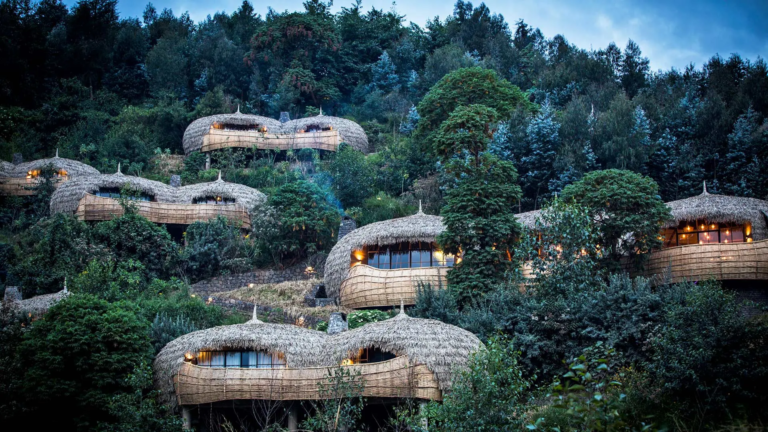
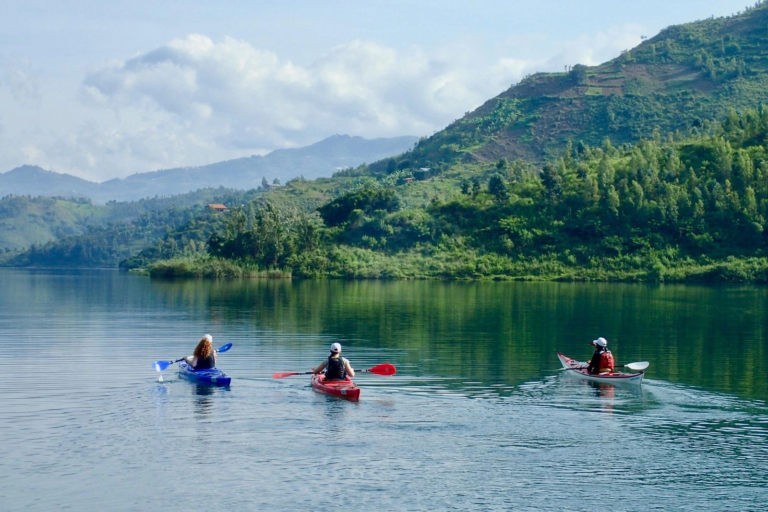
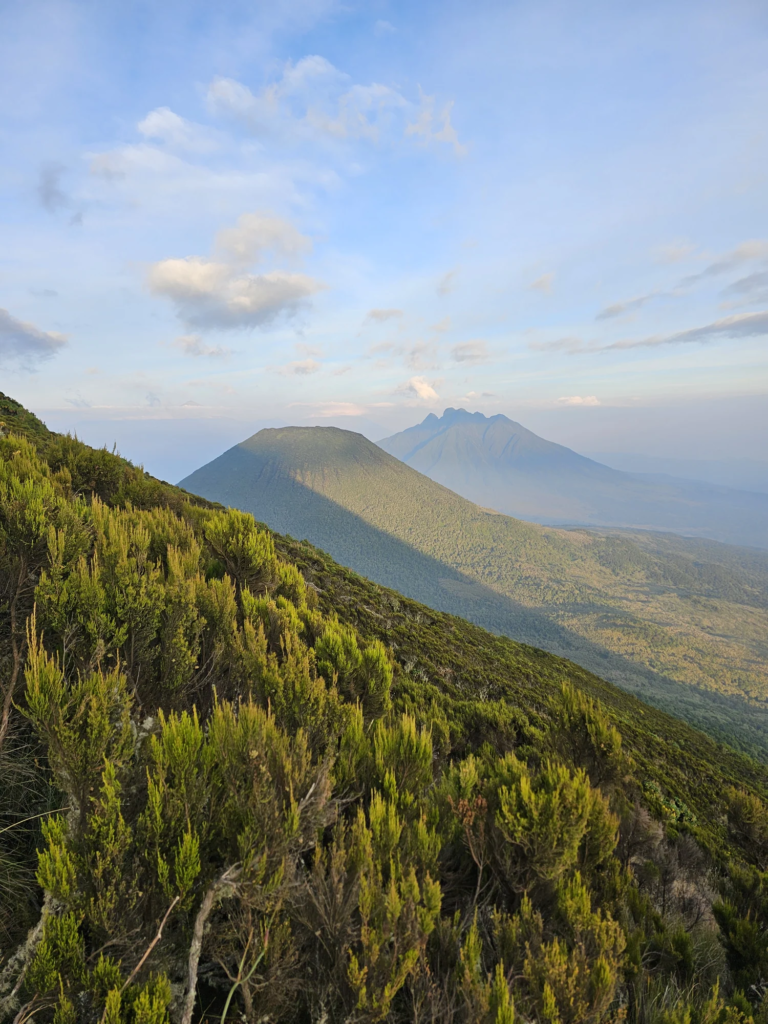
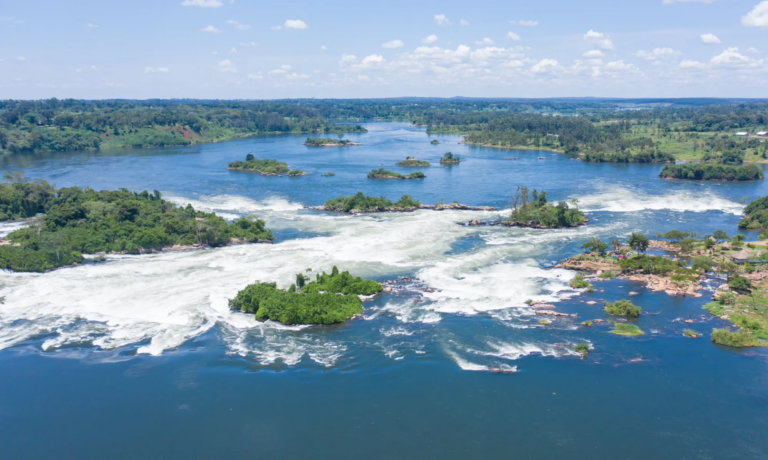
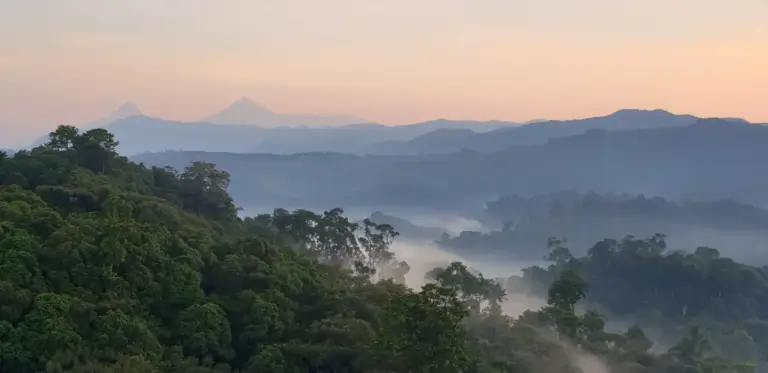
Rwanda is one of Africa’s smallest countries yet densely populated by area. Nicknamed “land of a thousand hills”, Rwanda’s terrain rises and falls almost continuously, from the shores of Lake Kivu, one of the African Great Lakes spanning along the western border with the Democratic Republic of Congo. It proceeds up through terraced hillsides and highland forest to the volcanic peaks of the Virunga Mountains in the northwest. This compact geography gives Rwanda a genuine advantage as a safari destination. Distances between its major attractions are short by regional standards, and Kigali, the capital, sits within a few hours’ drive of nearly everywhere travellers want to go.
National parks and protected areas
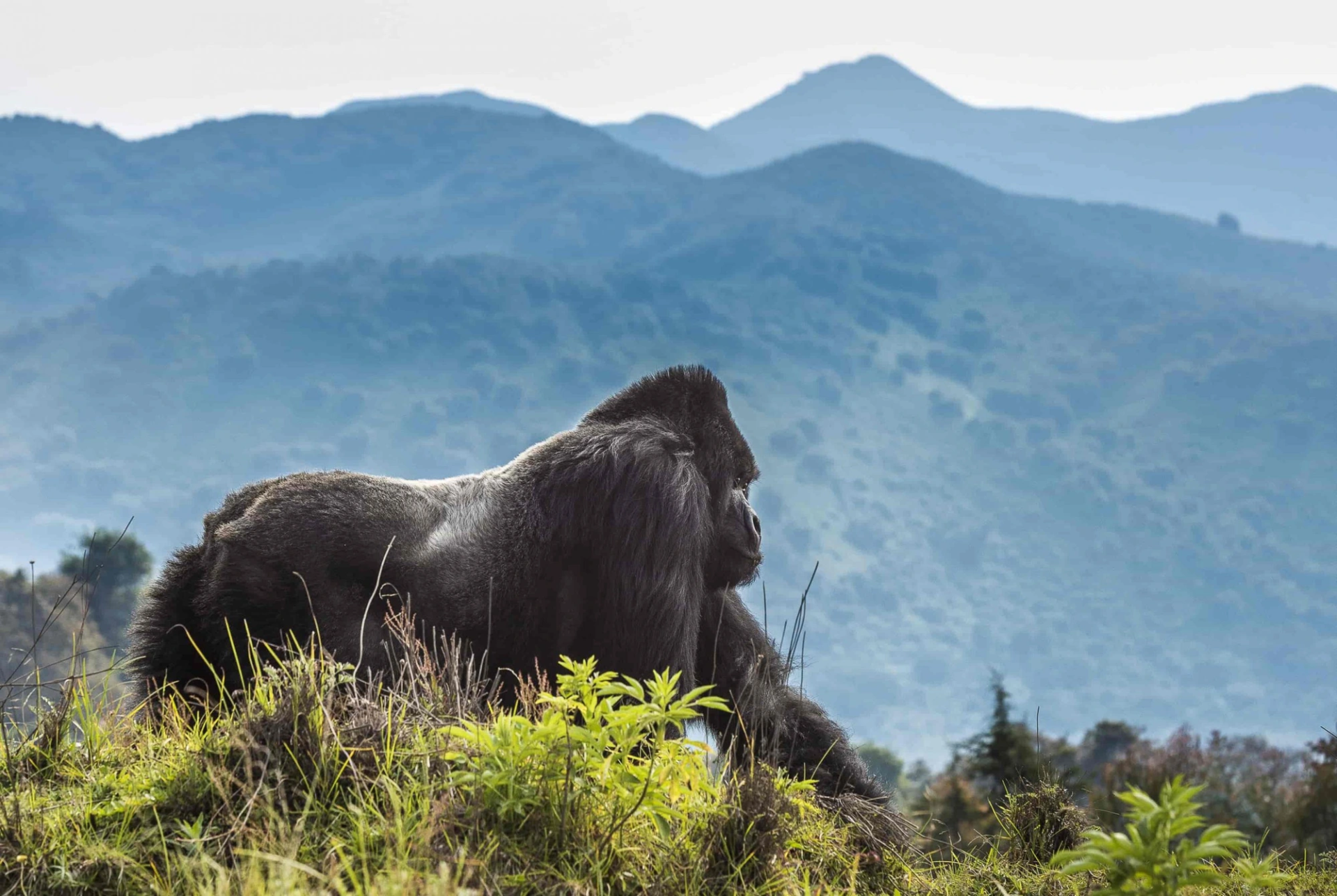
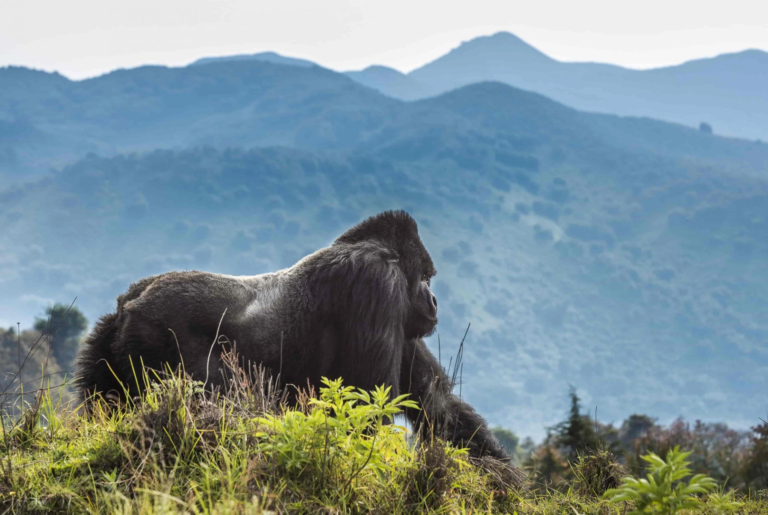
Rwanda protects its landscapes across four national parks. Volcanoes National Park, part of the wider Virunga Massif shared with Uganda and the DRC. The region is the country’s best-known protected area with featured experiences like mountain gorilla trekking, golden monkey tracking and a chain of climbable volcanic peaks.
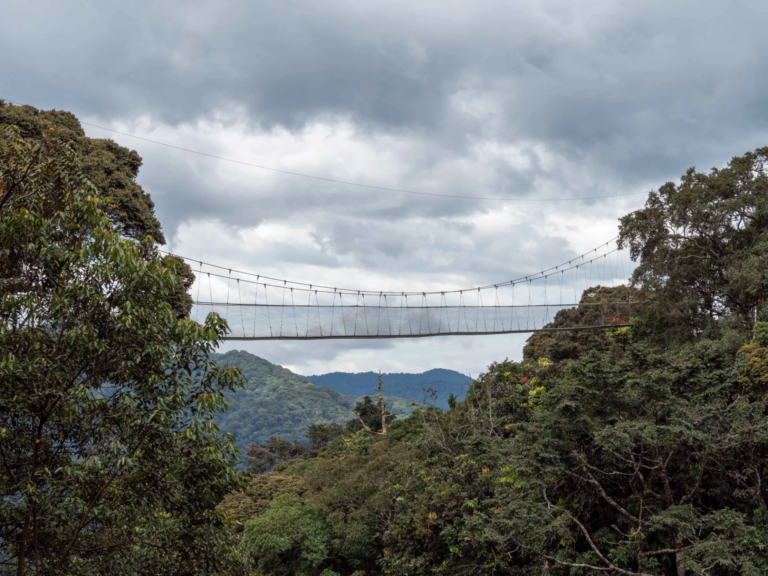
Nyungwe National Park, in the southwest, protects one of Africa’s oldest surviving rainforests and is home to chimpanzees and a canopy walkway.
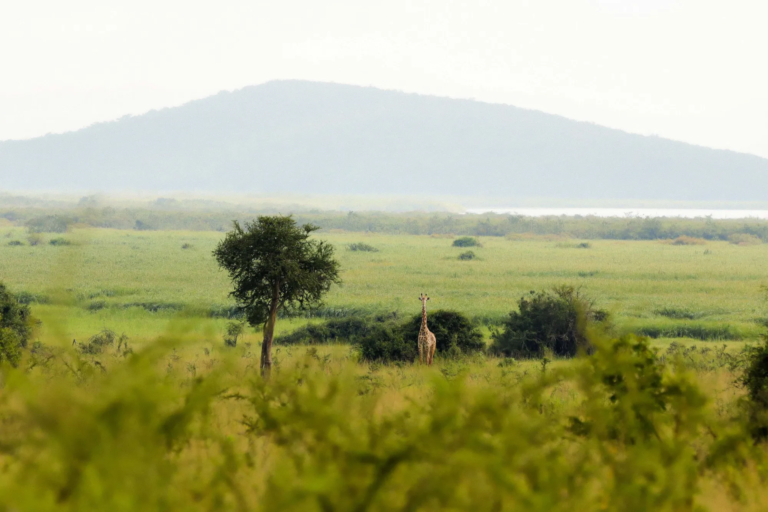
Akagera National Park, along the eastern border with Tanzania, is Rwanda’s savanna park, restored over recent decades to the point of once again holding the full Big Five.
The newest, Gishwati-Mukura National Park, protects a smaller area of montane forest in the northwest.
Wildlife
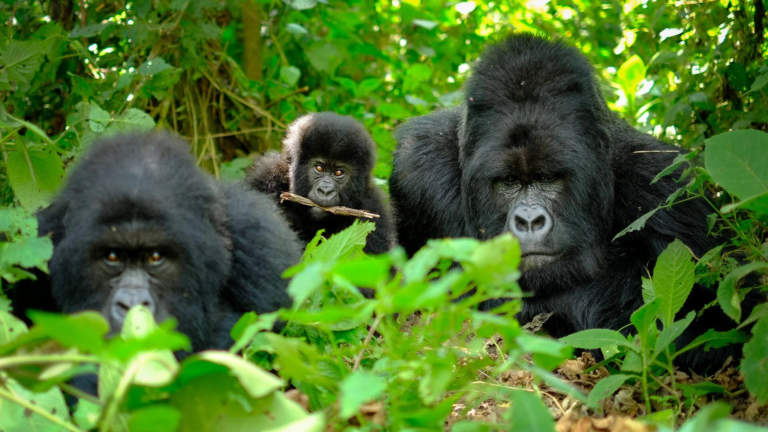
Mountain gorilla trekking in Volcanoes National Park is Rwanda’s signature wildlife experience attracting many travelers to the vast Virunga gorilla population shared with Uganda. Due to the country’s small size, all tourist sites are in close proximity from Kigali in under two – five hours. This makes Rwanda a genuinely realistic option even for a short safari.
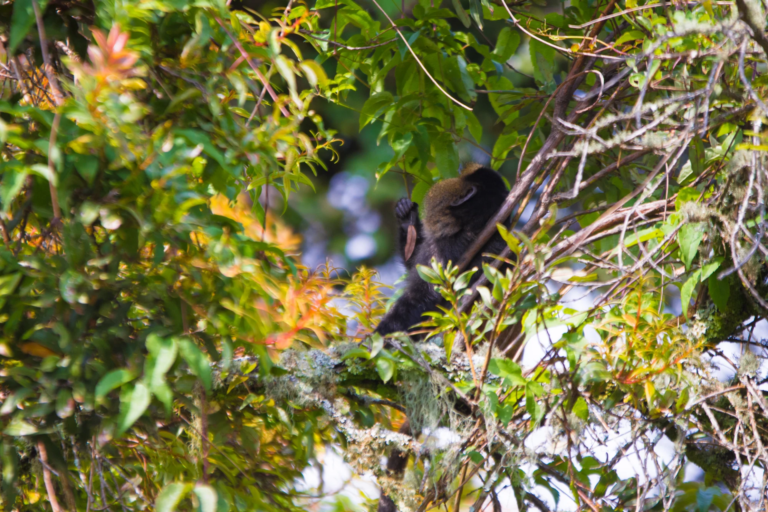
Golden monkey tracking in the same park offers a livelier, less physically demanding alternative or addition.
Nyungwe’s chimpanzee community, and its dozen or so other primate species, give Rwanda real depth beyond gorillas.
Akagera’s ongoing wildlife recovery including the reintroduction of lions and eastern black rhino after decades of absence has turned it back into a genuine Big Five destination.
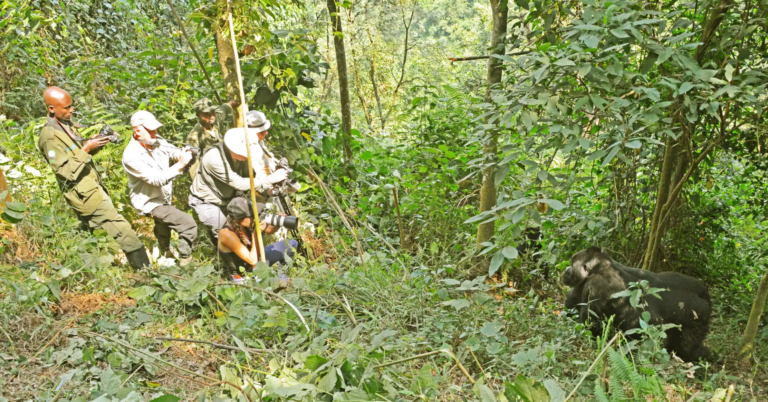
Gorilla and golden monkey trekking in detail
Rwanda’s gorilla trekking follows the same general format as Uganda’s, since both protect the same wider Virunga gorilla population.
1. A briefing at park headquarters, groups of a maximum of eight visitors accompanied by rangers and trackers.
2. Visitors have a walk of variable length and difficulty depending on where the family has moved too.
3. A strictly enforced one hour with the gorillas once found.
Volcanoes National Park’s trailheads sit closer to good roads, which generally makes the approach to the forest itself a little more straightforward.
Golden monkey tracking, in the bamboo forest lower on the same volcanoes, is shorter and less strenuous, and pairs well with gorilla trekking as a second activity on the same safari without needing a second permit-limited day.
Beyond the volcanoes: Nyungwe, Akagera and Kigali
Nyungwe’s canopy walkway, suspended above the forest floor, is one of the few of its kind in Africa and a genuinely different way to experience a rainforest. Alongside chimpanzee tracking and troops of habituated colobus monkeys numbering in the hundreds.
Akagera, on the opposite side of the country, offers a boat safari on Lake Ihema as well as conventional game drives. Adding a classic savanna day to a safari otherwise built around primates is an option.
In Kigali itself, the Kigali Genocide Memorial is a significant stop for most visitors. The city is calm and has an orderly character. Restrictions on items like plastic bags since 2008 has made the city one of Africa’s cleanest capitals. This has greatly influenced a strong first impression before travelers head into the hills.
Culture and people
Rwanda’s modern history, including the 1994 genocide against the Tutsi, is a part of the country most visitors engage with directly. Sites like the Kigali Genocide Memorial is among the most visited sites in the capital fully integrated in most itineraries.
Beyond this history, Rwanda’s culture is expressed through community-run tourism initiatives around Volcanoes National Park offering traditional dance and craft.
Best time to visit
As in Uganda, Rwanda’s gorilla trekking is possible year-round taking place in rainforest regardless of season. The drier months, roughly June to September and December to February, offer easier trekking conditions; the rest of the year brings lush scenery and fewer other travelers.
Getting there
International travelers arrive at Kigali International Airport. Volcanoes National Park is under two hours’ drive northwest of the capital, making Rwanda one of the most time-efficient gorilla trekking destinations in the region providing a realistic option even alongside a short city stay in Kigali.
Practical travel tips
- The Rwandan franc is the local currency; US dollars are widely accepted for tourism payments including park fees and permits, generally expected in good condition.
- Kinyarwanda, French and English are all official languages, with English increasingly the language of business and tourism.
- Plastic bags are banned in Rwanda; pack accordingly, as bags may be checked or removed on arrival.
- Rwanda’s compact size means road transfers between most attractions take a few hours at most, making it realistic to combine several parks even on a shorter safari.