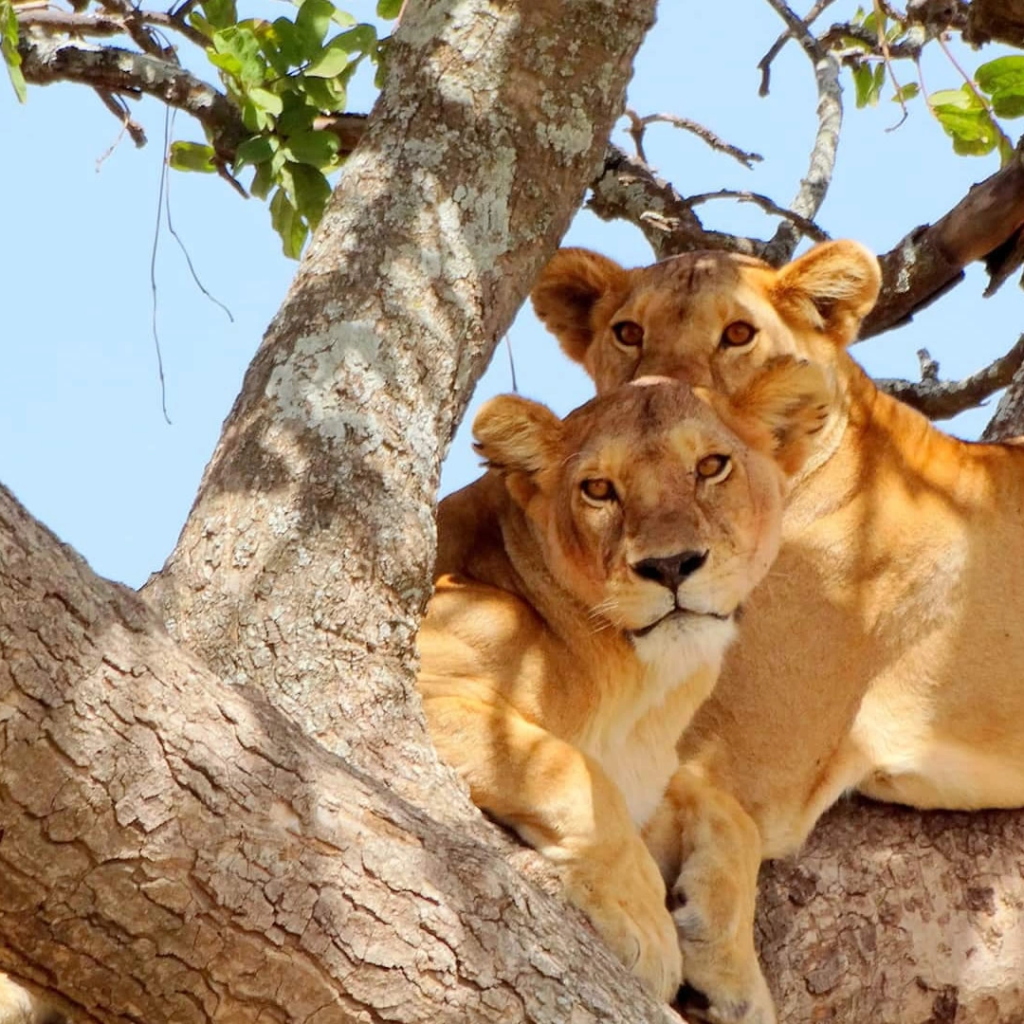
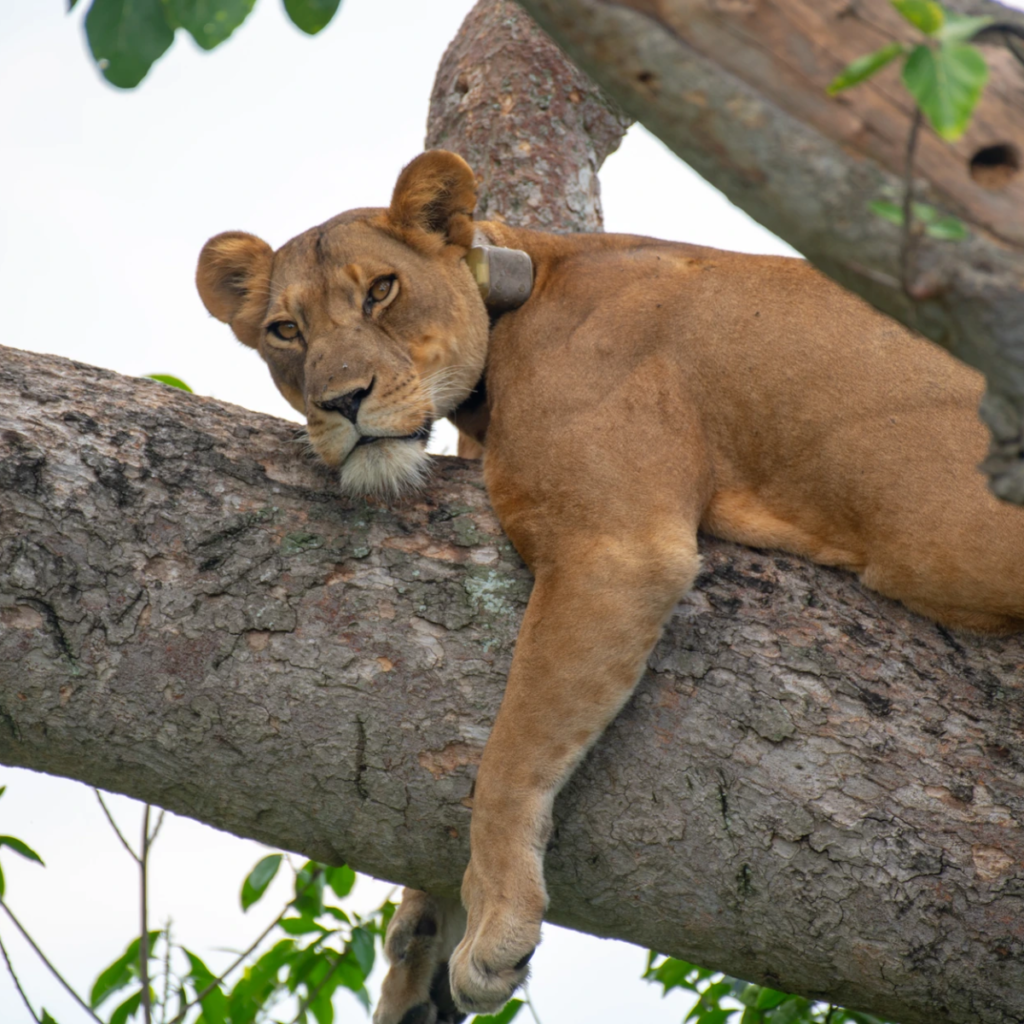
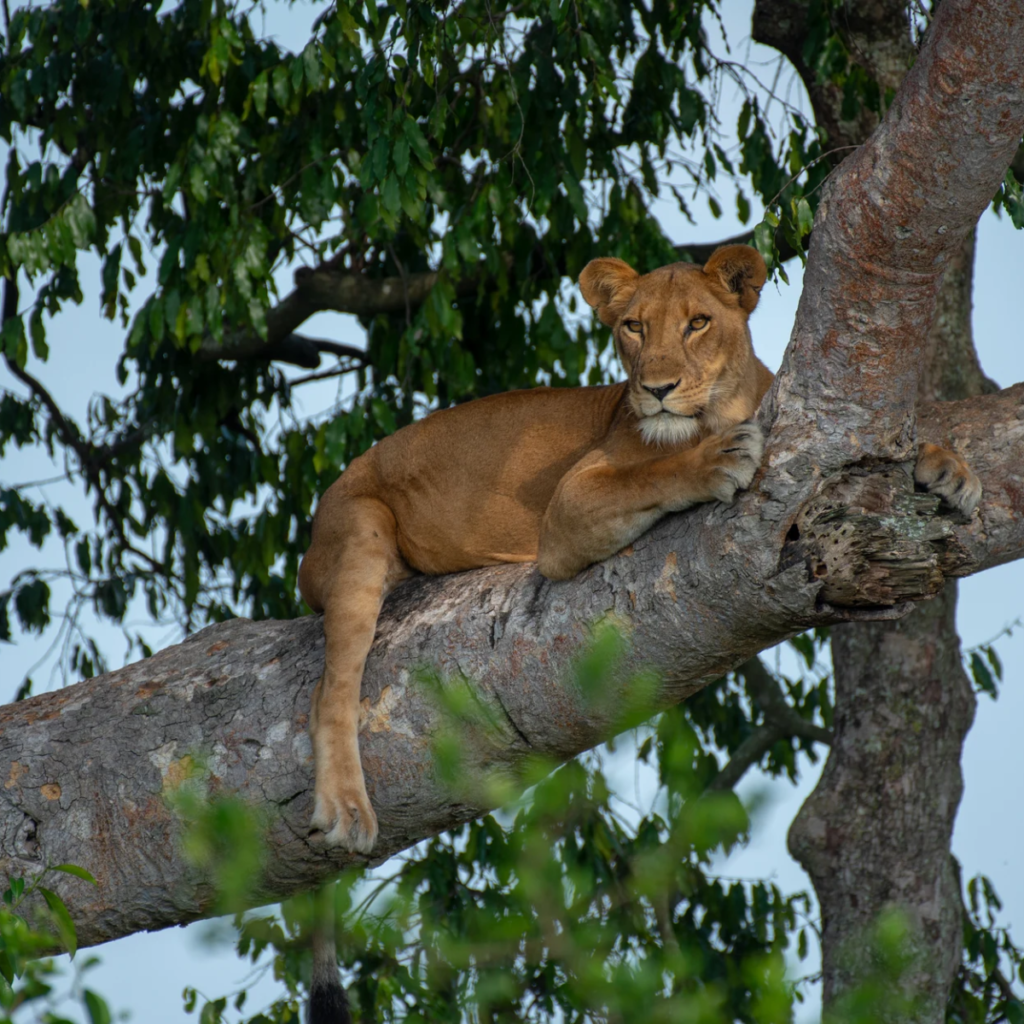
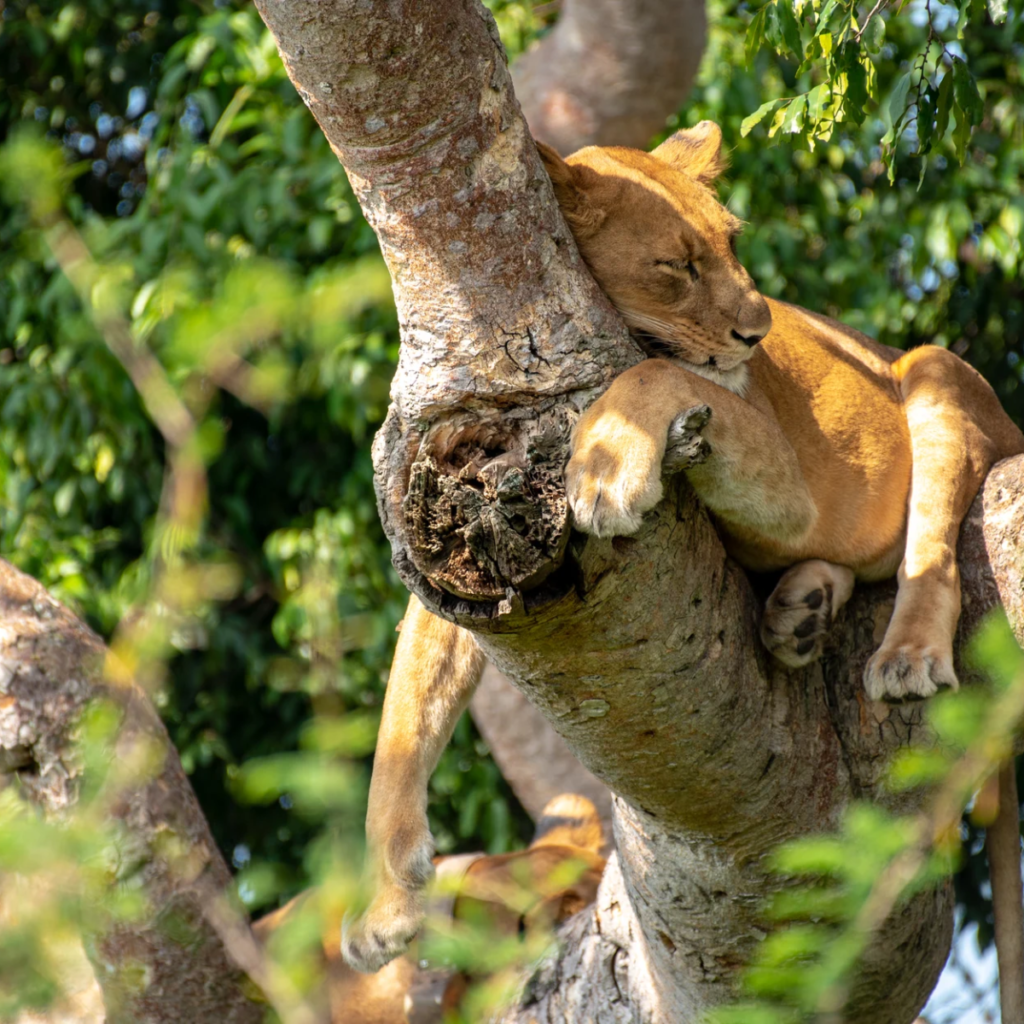
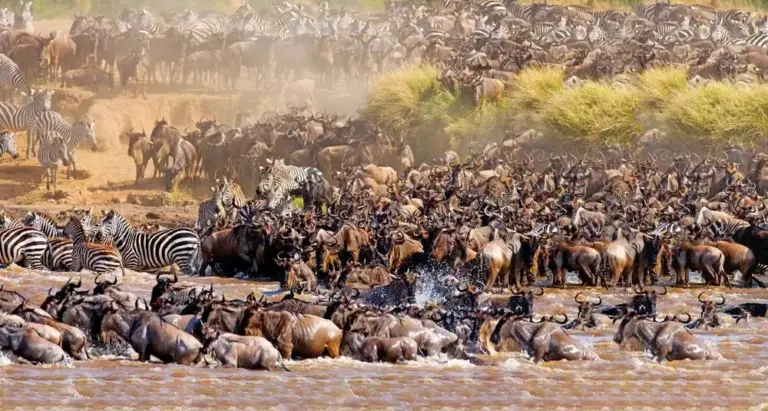
The Big Five is the most famous checklist in safari: lion, leopard, elephant, buffalo and rhino. The term began with hunters who ranked these five as the most dangerous animals to pursue on foot, and today it is a viewing goal for travellers who want a classic safari. Seeing the Big Five in East Africa is realistic if you choose the right parks, give yourself enough days and travel in the dry months. This guide explains where to see all five, which are the hardest to find and how we plan a Big Five safari in Kenya, Tanzania, Rwanda and Uganda.
What is the Big Five?
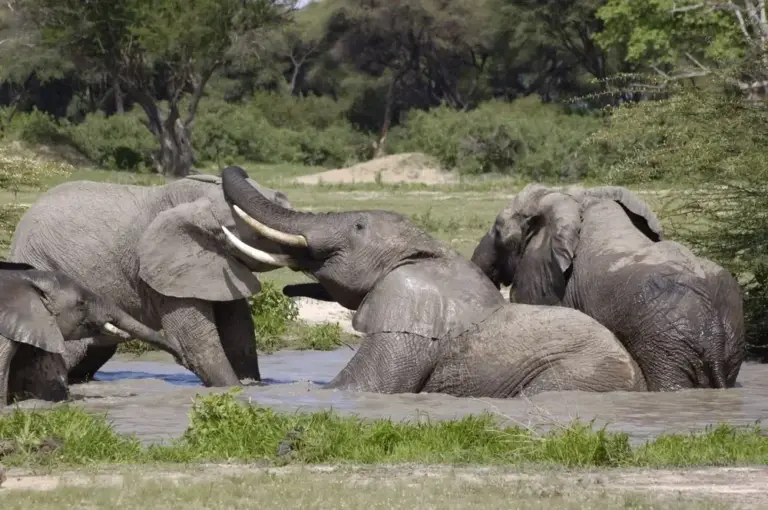
The Big Five are the African lion, the leopard, the African elephant, the Cape buffalo and the rhino, black or white. They are not a scientific group, and many other animals are just as impressive, but the checklist remains a popular way to measure a classic safari. Most travellers enjoy the list for the first few days and then find that the wider wildlife matters just as much.
Big Five safari in Kenya
Kenya is one of the most reliable countries for the Big Five. The Maasai Mara and the surrounding conservancies hold lions, leopards, elephants and buffalo in good numbers, with black rhinos present in small numbers. Lake Nakuru National Park and Ol Pejeta Conservancy are strong choices for rhinos, and Lewa Wildlife Conservancy adds black and white rhinos in a private conservancy setting. Combining the Mara with a rhino area gives the best chance of all five on one safari.
Big Five safari in Tanzania
In Tanzania, the Serengeti and the Ngorongoro Crater are the core of a Big Five route. The crater is one of the best places in East Africa to see black rhino, along with lions and large male elephants, while the Serengeti adds leopards, especially around Seronera, and enormous buffalo herds. Moru Kopjes in the Serengeti is also known for rhinos. Combine them with Tarangire for big elephant herds in the dry season.
Big Five safari in Rwanda
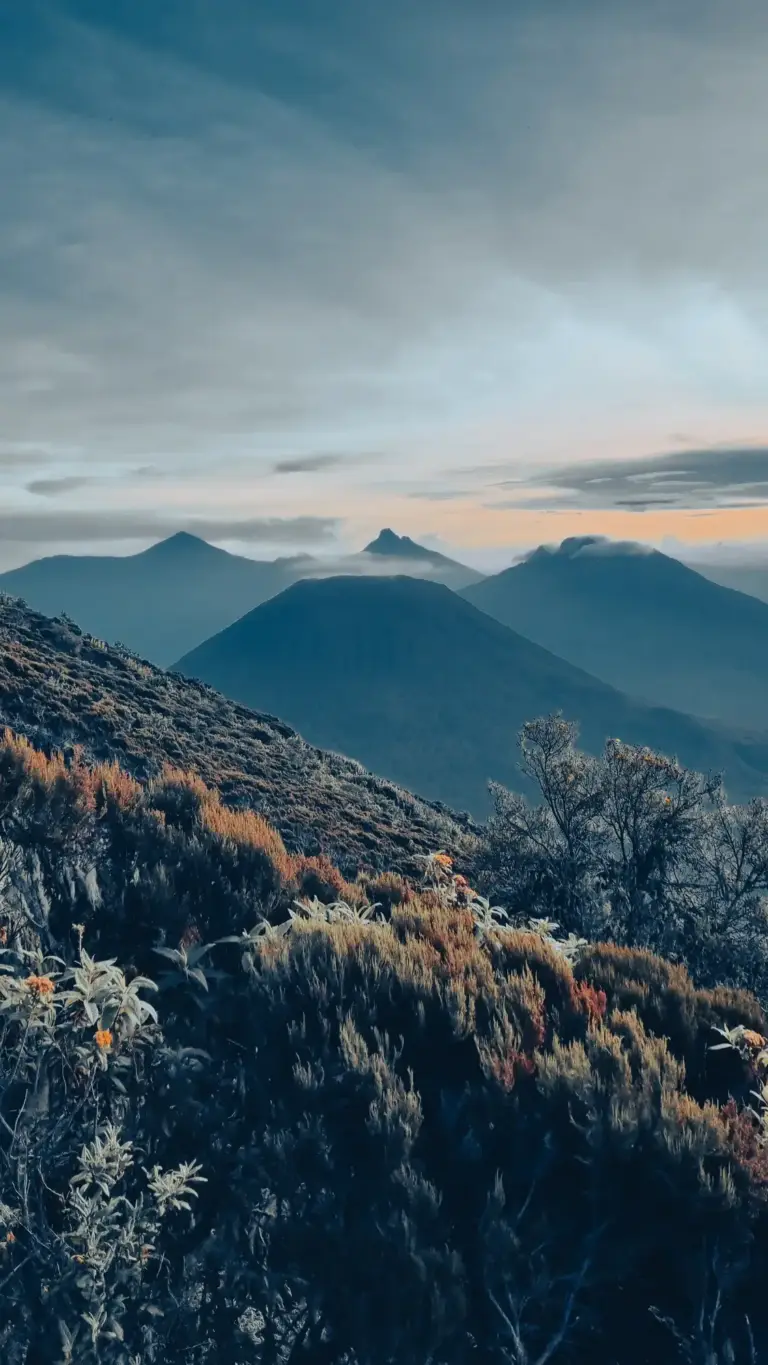
Akagera National Park in Rwanda is now a Big Five park. Lions were reintroduced in 2015 and rhinos have since returned, joining resident elephants, buffalo and leopards. Akagera is a compact, scenic savanna park that pairs naturally with gorilla trekking in the Volcanoes, so a Rwanda safari can deliver gorillas and the Big Five in one short trip.
Big Five safari in Uganda
Uganda is best known for gorillas and chimpanzees, but its savanna parks have excellent wildlife. Queen Elizabeth National Park, Murchison Falls and Kidepo hold lions, leopards, elephants and buffalo. Rhinos live at Ziwa Rhino Sanctuary, where you can track them on foot, so a Uganda route can reach all five with a short sanctuary visit and combine them with gorillas and chimpanzees.
Big Five by park: a quick guide
Maasai Mara: lion, leopard, elephant and buffalo are regular, with rhino possible. Ngorongoro Crater: lion, elephant, buffalo and black rhino are the highlights, with leopard less common. Serengeti: all but rhino are regular, with Moru Kopjes known for rhino. Akagera: all five are present after reintroductions. Lake Nakuru and Ol Pejeta: strong for rhinos, with lions, buffalo and leopards also present. Queen Elizabeth and Murchison Falls: lion, leopard, elephant and buffalo, with rhinos added through Ziwa.
Which of the Big Five is hardest to see?
Rhinos and leopards are the hardest. Rhinos are rare and protected, so seeing them depends on visiting the right areas. Leopards are solitary, nocturnal and well camouflaged, so patience and a skilled guide matter more than luck. Lions, elephants and buffalo are usually easier, though sightings still depend on season and area.
Best time for a Big Five safari
The dry months make wildlife easier to see, because animals gather near water and the vegetation thins. In East Africa that generally means roughly June to October and January to February, though conditions vary by region. During the wetter months the landscape is greener and quieter, and the Big Five can still be found, but sightings may take longer.
Big Five safari etiquette
Keep your distance, stay in the vehicle and follow your guide's instructions. Avoid loud noises and flash photography, and never crowd an animal for a better picture. Respectful viewing gives better sightings and protects the animals. We choose guides and camps that follow park rules and put wildlife first.
How we plan your Big Five route
We recommend at least five to seven nights in two or more parks, with experienced guides, a mix of morning and afternoon drives and time for the rest of the wildlife. We choose camps by location and avoid rushing between areas. Tell us what you most want to see and we will build a route that gives you the best odds without turning the safari into a checklist.
Combining the Big Five with other highlights
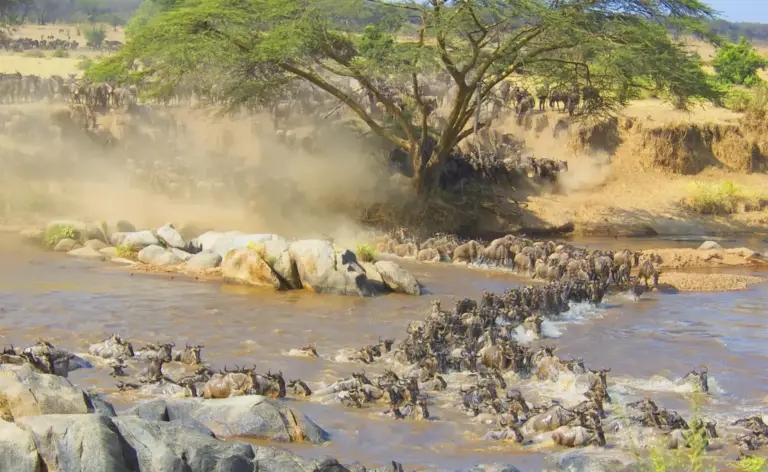
Many travellers combine a Big Five safari with gorilla trekking in Rwanda or Uganda, a beach stay in Zanzibar or the Great Migration in Tanzania and Kenya. These combinations give a complete East Africa trip, with the Big Five as one highlight among many. We handle flights, transfers, permits and lodges so the plan fits together smoothly.
At a glance
- Kenya: Maasai Mara, Lake Nakuru, Ol Pejeta, Lewa
- Tanzania: Serengeti and Ngorongoro Crater
- Rwanda: Akagera National Park
- Uganda: Queen Elizabeth, Murchison Falls, Kidepo plus Ziwa Rhino Sanctuary
Keep exploring
- Lions
- Leopards
- Elephants
- Rhinos
- Maasai Mara National Reserve
- Ngorongoro Conservation Area
- Akagera National Park
- Wildlife safaris
- Kenya safaris
- Tanzania safaris
Plan a safari around The Big Five in East Africa: Where to See Lion, Leopard, Elephant, Buffalo and Rhino
Tell us your dates and what you most want to see, and we’ll time your safari to match it as closely as nature allows. Talk to us, or browse our safari packages to see how a migration-timed itinerary is put together.
The Big Five in East Africa: Where to See Lion, Leopard, Elephant, Buffalo and Rhino