Great migration and gorilla safari is one of the finest wildlife routes in Africa. Over a million wildebeest with zebras and gazelles as they follow the rains through the Serengeti and the Masai Mara combined with a short flight away to where mountain gorillas live in Uganda. This guide explains how to combine the Great Migration with gorilla trekking, when to go, which parks to choose and how to plan the flights.
Where the Great Migration is each month
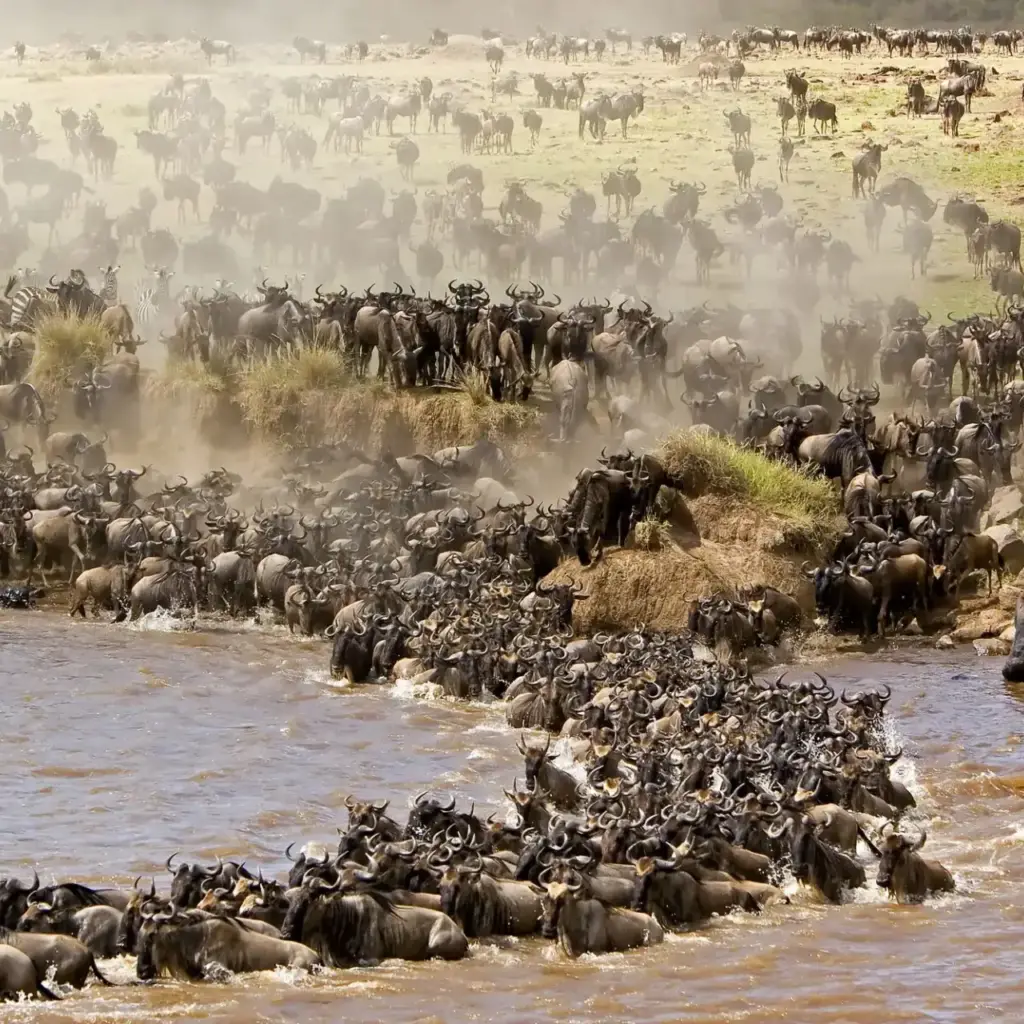
The herds move in a loop between Tanzania and Kenya. From January to March they are in the southern Serengeti and Ndutu, this is where calving takes place. In April and May they move north through the central Serengeti. In June and July they gather in the western corridor and the Grumeti River.
From July to October they reach the northern Serengeti and the Masai Mara where the Mara River crossings take place. In November and December they return south. These timings vary with the rains so we choose a camp near the herds rather than a fixed date.

Choosing the best months for both
The overlap of good migration and good gorilla months is June to September. The Mara River crossings are best from late July to September when the gorilla trails are driest from June to September. This is also the busiest and most expensive period, so booking early is the best option.
January and February suits the calving season in the south while Uganda is drier then too. March to May is quiet and green with lower prices though the trails in Uganda can be muddier due to the light rains. Our guide to the best time for gorilla trekking in Uganda explains the forest side.
The route: plains first, forest second
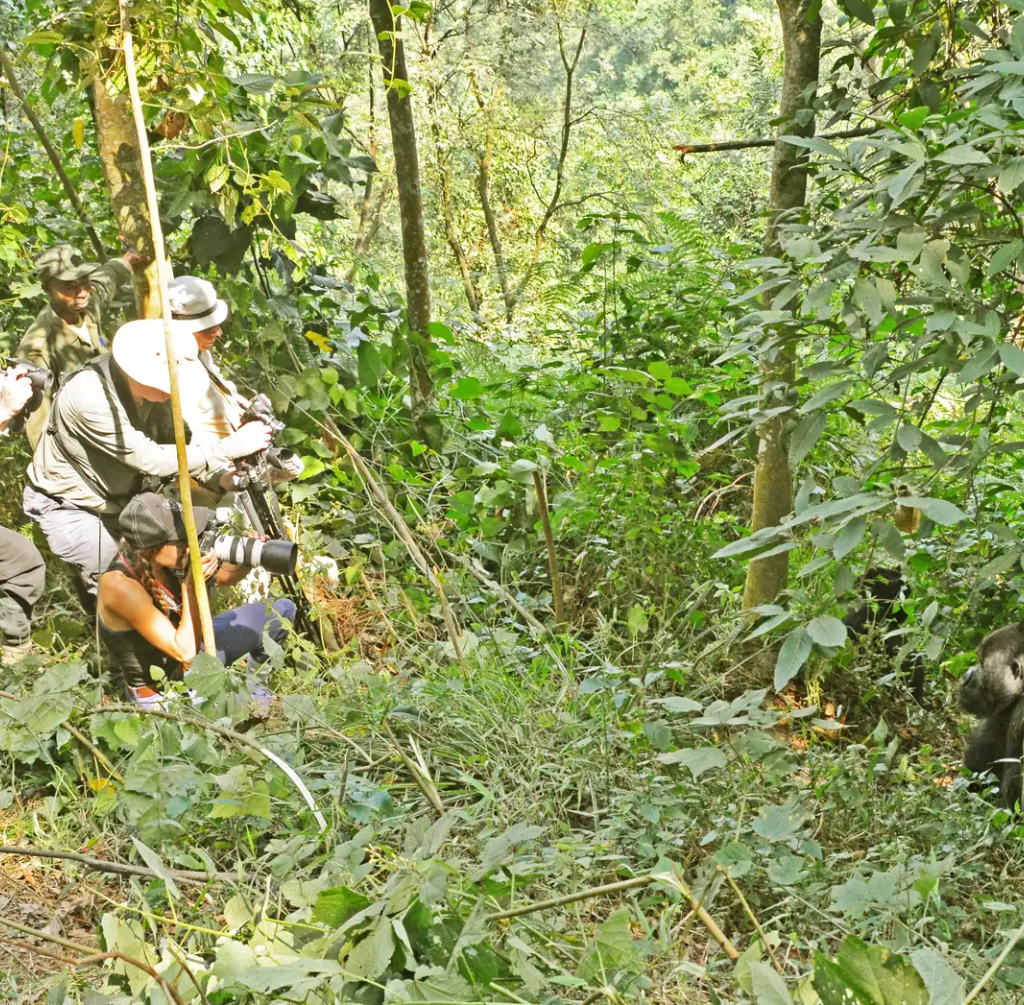
A common route starts in Nairobi or Kilimanjaro spending five to six nights in the Mara and Serengeti. Flies to Entebbe and on to Bwindi. This puts the demanding trek at the end with the soft landing of the plains at the start. A reverse route is possible if your Gorilla trekking permit date is fixed.
Plan two nights in each camp at least, and three in the Serengeti if you want to follow the herds. Add a balloon flight at dawn, which gives a view of the plains from above. Fly from the Mara or Serengeti to Entebbe through Nairobi or Kilimanjaro allowing a full day for the connection.

Camps that follow the herds
Mobile camps move with the herds, which keeps you near the action. Permanent camps near the Mara River and the northern Serengeti suit the crossing months. Luxury tented camps offer private decks, fine dining and guides who know the herds. Mid-range camps give a comfortable base at a lower price.
Our guide to a luxury safari in Tanzania covers the top camps and in Uganda, lodges near Bwindi complete the trip. We pick camps for the month of your visit since a camp in the wrong place wastes a night.
How many days you need
Ten days covers the Serengeti or Mara and a gorilla trek with flights. Twelve to fourteen days adds Ngorongoro, the Mara and a second savannah or chimpanzees in Kibale. Seventeen days gives a thorough tour of both countries with rest days.
What else you can see on the way
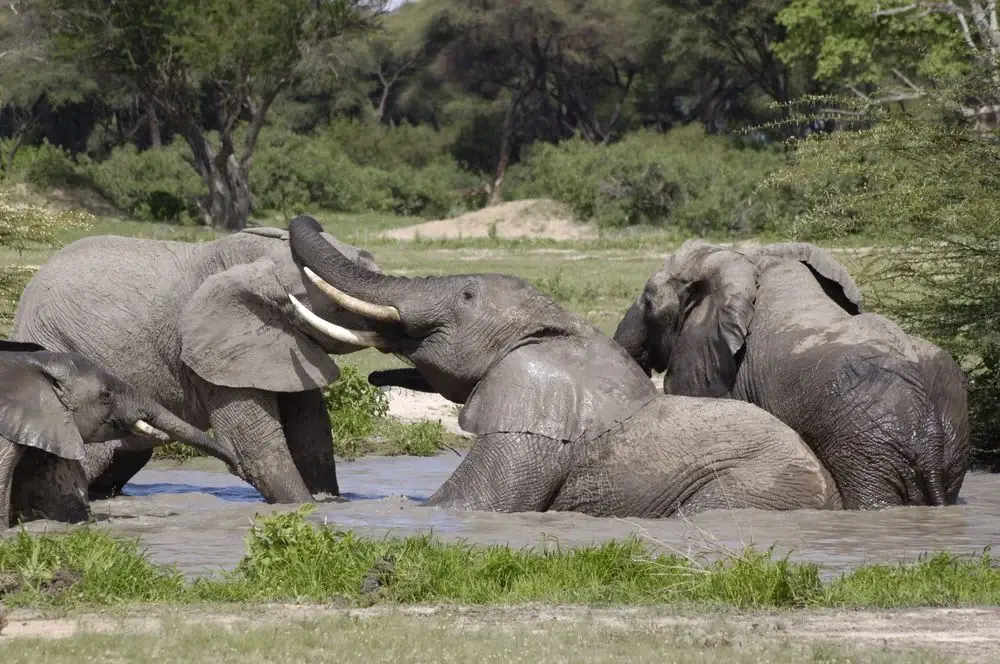
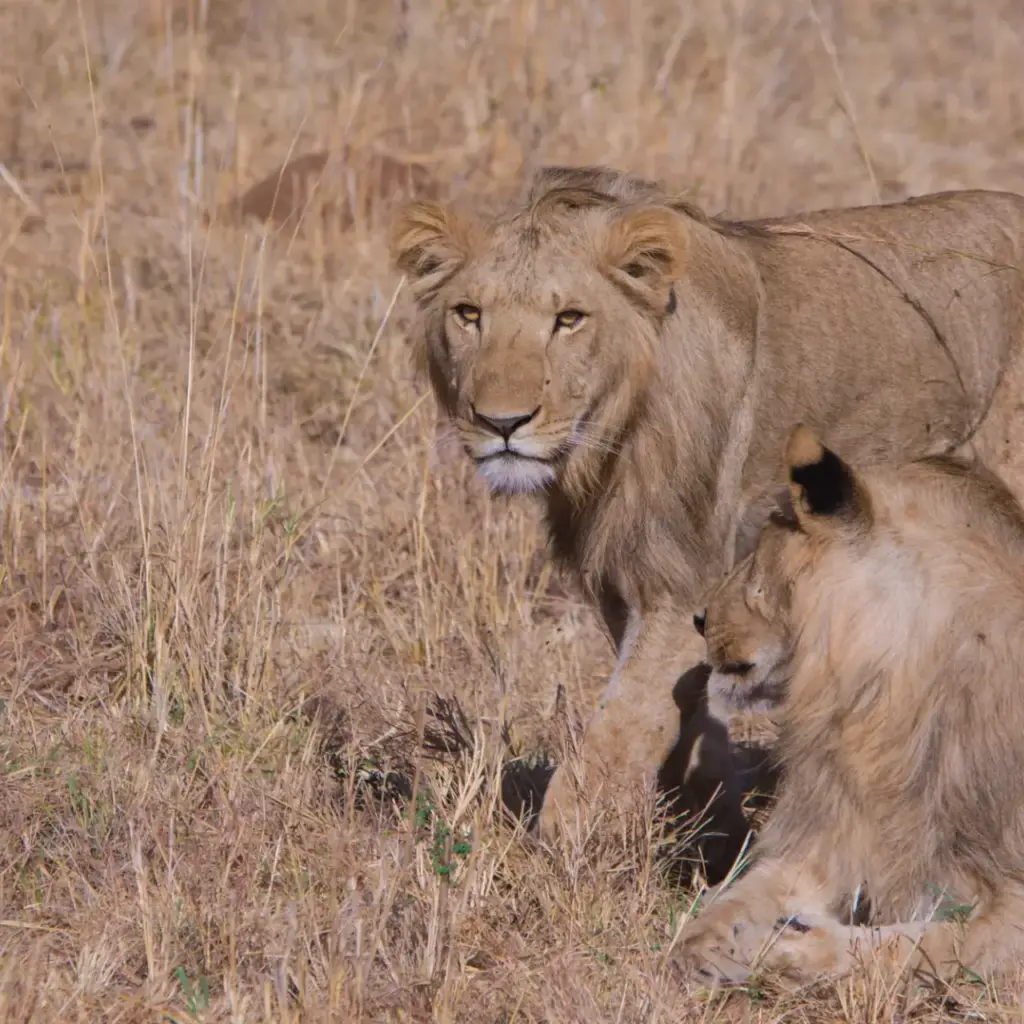
The Serengeti is more than the migration. Resident lions, leopards, cheetah and elephants are present all year and the kopjes, rocky outcrops give the cats a high perch. Ngorongoro Crater holds black rhinos, flamingos and a dense population of predators in a single volcanic bowl. Tarangire is as well known for elephants and baobab trees in the dry season.
In Uganda, the gorilla trek is joined by chimpanzees in Kibale, tree-climbing lions in Queen Elizabeth and the Nile at Murchison Falls. A plains and forest route lets you see a very wide range of wildlife in a short time while each day looks different from the last. We suggest a chimpanzee morning if you have the time, since it needs less effort than the gorillas.
Photographers should pack a long lens, a bean bag for the vehicle and spare batteries. Guides place the car for the light and we arrange early starts. The forest needs a fast lens and a high ISO so bring a flash-free setup and a rain cover.
Practical tips for the Great Migration and gorillas
River crossings cannot be predicted so plan at least three nights near the river. Bring binoculars, a long lens and a hat. Booking a gorilla trekking permit first is essential since they are limited. Pack for heat on the plains and cold in the forest. Don’t forget to use soft bags for small planes.
Insurance is important for a trip with flights and a non-refundable permit. Ask us about balloon flights, bush breakfasts and cultural visits. Keep a buffer day before your flight home.
We start with your dates and the permits then choose lodges, guides and in land flights to suit you. We explain what is fixed and what can change and one person looks after the trip from the first message to the last transfer. Gorilla permits are non-refundable, so we confirm dates and health first. Browse our Tanzania safaris, or tell us your plans on the Plan My Safari page.
5-Day Kenya Maasai Mara Migration Safari
The Great Migration in Kenya: When the Mara Comes Alive
5-Day Uganda Gorilla Trekking Safari
4-Day Rwanda Gorilla Trekking Safari
Frequently asked questions
Can I combine the Great Migration with gorilla trekking?
Yes. Many travellers spend five to six nights in the Serengeti or Masai Mara, then fly to Entebbe and on to Bwindi for the trek. The best overlap of months is June to September. We choose camps near the herds for your dates.
When is the best time for the migration and gorillas?
June to September. The herds are in the western Serengeti and the Mara in these months, and the gorilla trails are drier. It is the busiest and most expensive period, so book nine to twelve months ahead. January to February suits calving.
Where are the wildebeest in July, August and September?
They are mostly in the northern Serengeti and the Masai Mara, where the Mara River crossings take place. Timing depends on rainfall, so crossings are not certain. We plan at least three nights near the river to improve the odds.
How do I fly from the Serengeti to the gorillas?
Fly from an airstrip in the Serengeti to Kilimanjaro or Arusha, then to Entebbe, and on to Bwindi by plane or road. Allow a full day for the connection. From the Mara, you fly through Nairobi. We plan flights with comfortable layovers.
How many days do I need?
Ten days is the minimum for the migration and a gorilla trek. Twelve to fourteen days adds Ngorongoro or a second park. Seventeen days allows a relaxed pace with rest days. Distances are large, so we plan fewer parks on a short trip.