What habituation means
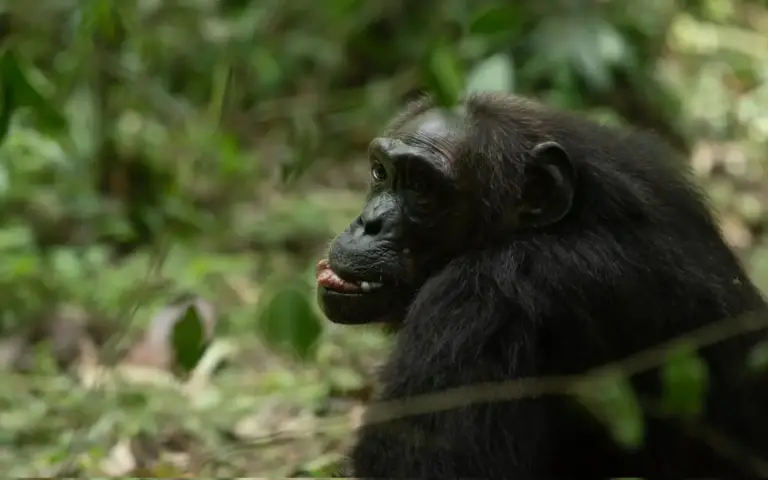
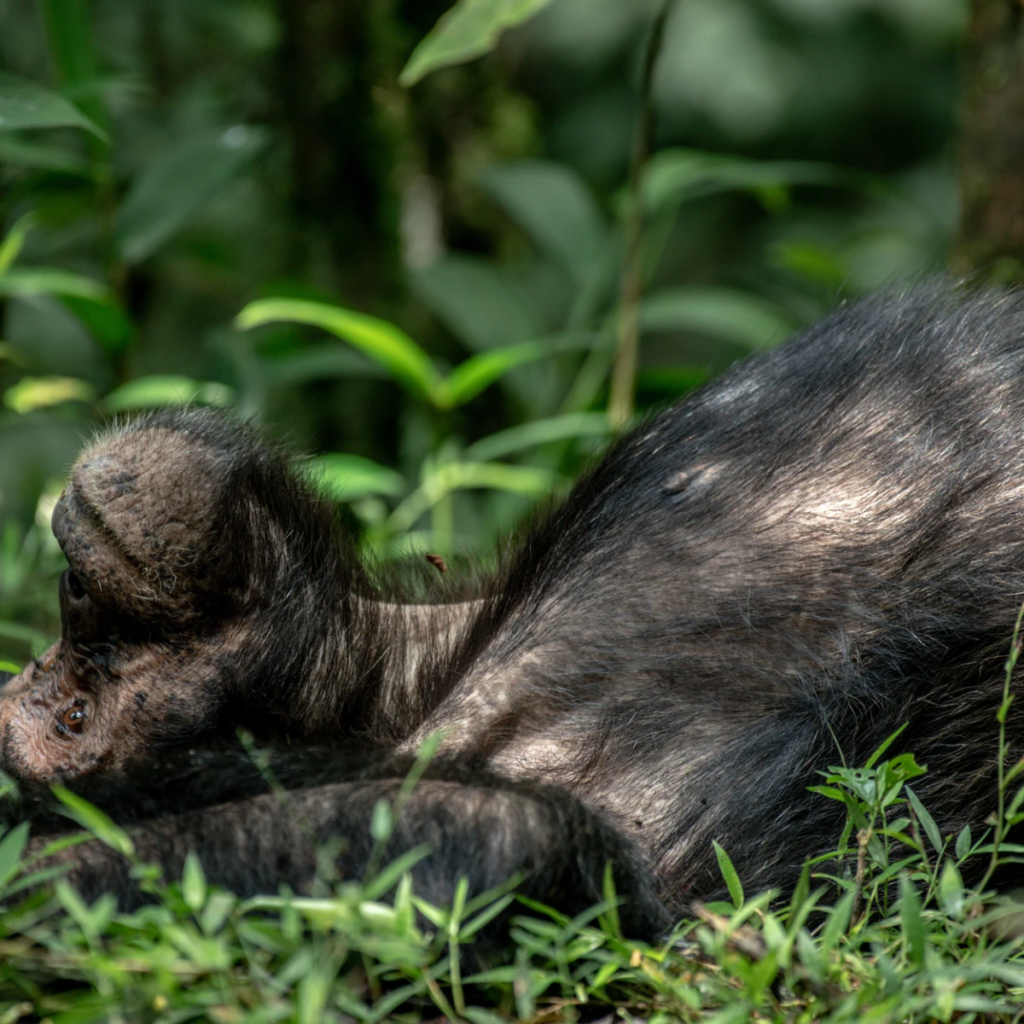
Wild chimpanzees are wary of humans and will keep away if they can. Habituation is the patient process of teaching a community that people are not a threat. Researchers and trackers follow the group every day at a calm, steady distance, shrinking the gap slowly over months and years, until the chimpanzees behave naturally with observers nearby. Visitors on a habituation experience join that routine, which is why the day is long and the encounter feels so different from a short walk.
Where it is offered
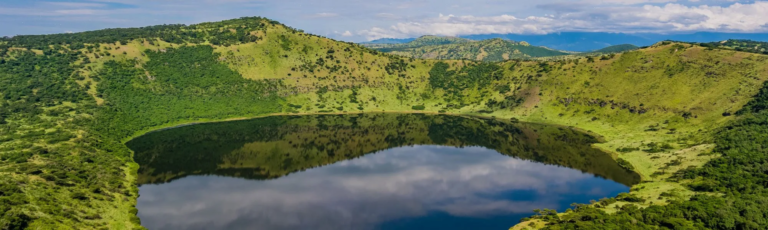
The best-known habituation experience is in Kibale National Park in western Uganda, near Fort Portal, one of the richest primate forests in Africa. Similar experiences may also be available at other Ugandan forests, including Budongo, where chimpanzee research has a long history. Availability depends on which communities are being habituated at the time so we confirm what is running when you book.
How the day unfolds
You meet the guides and trackers at first light, sometimes earlier, because the chimpanzees are most active in the morning, and you walk into the forest to the spot where the community nested. As the group wakes, you watch them move to their first fruiting trees, and you follow as they feed, travel and rest. Because habituation groups are still learning, the chimpanzees may be more nervous than a fully habituated community, and they may move fast through thick vegetation.
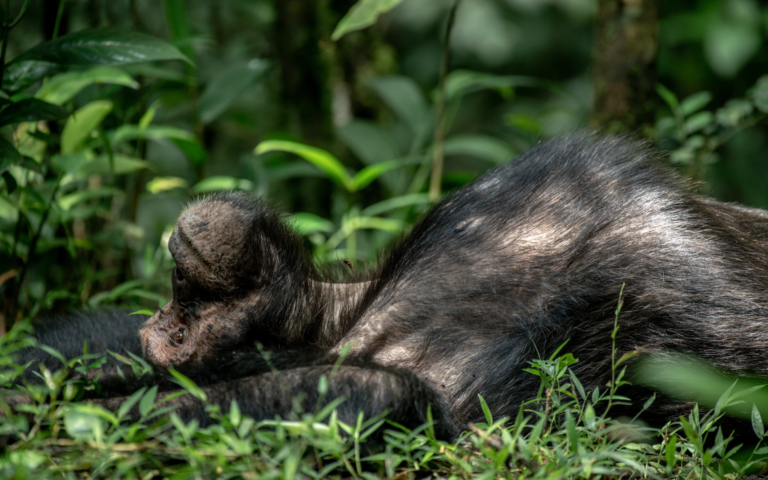
The day includes a break to eat a packed lunch in the forest, and you stay with the chimpanzees for many hours, often until they start building nests in the late afternoon. It is a full day of walking and watching, with periods of sitting and waiting. Expect to be tired, and to remember it for years.
What you will see
With hours of observation you notice things that a short visit misses: how a mother teaches her infant to crack a nut or fish for termites, the way males assert status through displays, the grooming networks that hold a community together, and the hoots and screams that carry through the forest as chimpanzees call to each other over long distances. You may also see the community split into smaller parties and gather again, a pattern typical of chimpanzee society.
How it differs from tracking
- Time: many hours with the chimpanzees rather than one.
- Group size: small, so the experience stays quiet and close.
- Fitness: more demanding, because the chimpanzees decide where the day goes.
- Age limit: higher than for standard tracking. Confirm this at booking.
- Cost: more than a tracking permit, and fees can change.
Practical guidance
Wear long trousers, a long-sleeved shirt, waterproof boots and a rain jacket and bring insect repellent, plenty of water and a small daypack. A camera with a fast lens helps under the canopy, and binoculars help you follow behaviour high in the trees. Keep your voice low, keep your distance, and never eat where the chimpanzees can see you. Anyone with a cold or other infectious illness may be asked to stay behind, because chimpanzees are vulnerable to human diseases.
Best time to go
The habituation experience runs all year. The drier months, June to September and December to February, make the forest floor easier to walk, while the wetter months bring lush forest and fewer visitors. Chimpanzees are found in Kibale in every season.
Chimpanzee society in brief
Chimpanzees live in communities of dozens of individuals that rarely gather in one place. Instead they form shifting parties, meeting and separating through the day, and the members of a community know each other well. A dominant male leads through a mix of strength and alliance while females form the long-term core of the group and raise infants who cling to their mothers for years. Watching these relationships develop over a full day is one of the reasons habituation is so rewarding.
Why it supports conservation
Chimpanzees are classed as endangered, and their forests are under pressure from farming, logging and snares set for other animals. Habituation supports protection in several ways: it funds park operations and community projects, it gives researchers a window into the community’s health and numbers, and the constant presence of trackers discourages illegal activity. Your fee is part of that arrangement.
Is it right for you?
Choose habituation if you enjoy long, quiet days outdoors, are comfortable walking through thick forest, and would rather understand a few individuals than tick off many species. If you prefer something shorter, standard chimpanzee tracking is easier and cheaper. If you have never seen great apes, a gorilla trek combined with a tracking outing gives a broad introduction, and you can add habituation on a later safari.
Preparing for a long day
You do not need to be an athlete, but you should be used to walking for hours over uneven ground. In the weeks before you travel, take some long walks in the boots you plan to wear, so that blisters do not spoil the day. Kibale lies at moderate altitude and is warm and humid. Drink plenty of water and carry electrolyte tablets, snacks and a light waterproof layer.
Habituation days are long so pace yourself. Eat a good breakfast, carry a packed lunch and snacks and rest at each stop. The chimpanzees will not wait for you, but the guides will adjust the speed to the group. Many guests find the last hour the most rewarding, because the group settles for an evening nest and the forest grows quiet and golden around you.
Planning your chimpanzee habituation safari
Places are few and fill quickly so we recommend booking several months ahead. Tell us your dates and your fitness, and we will arrange the permit, choose a lodge close to the forest and combine the experience with gorilla trekking, savannah game drives or a walk through the Bigodi Wetland.