

What a game drive involves
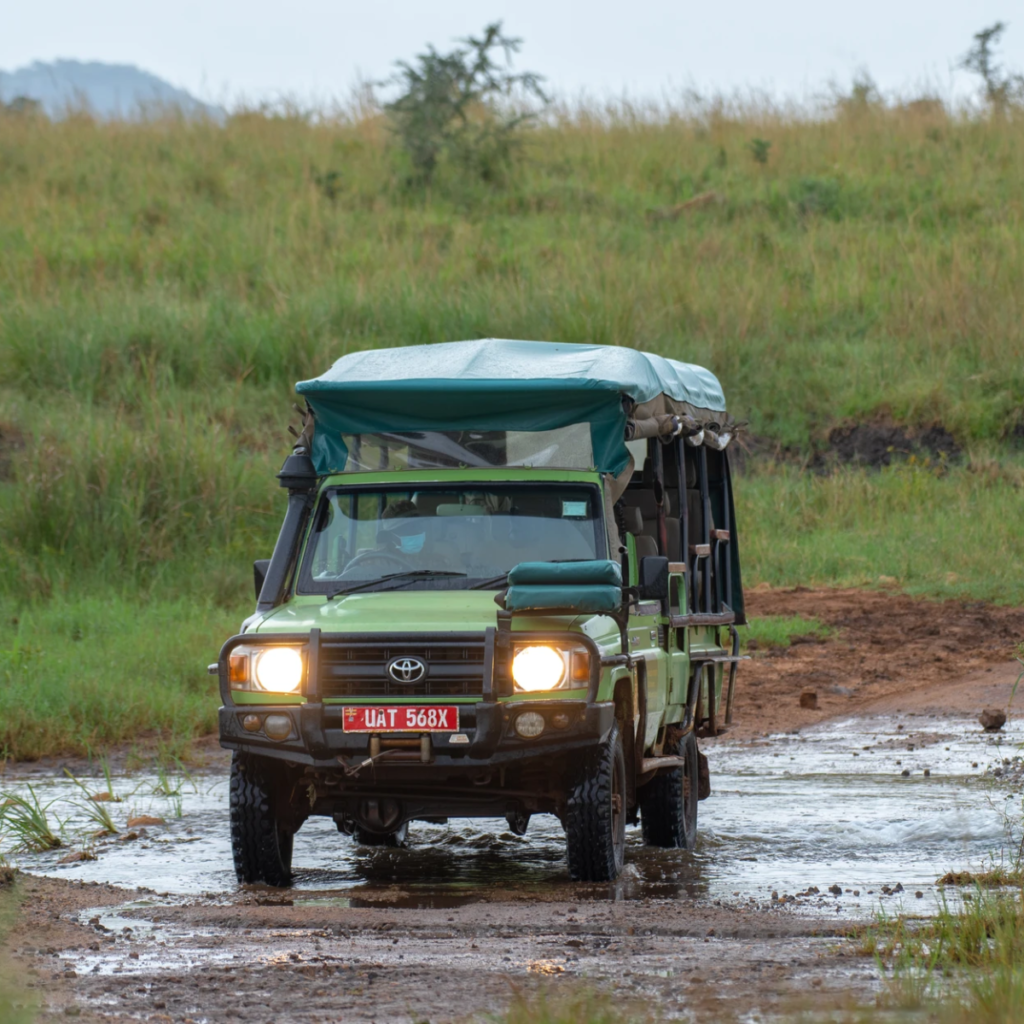
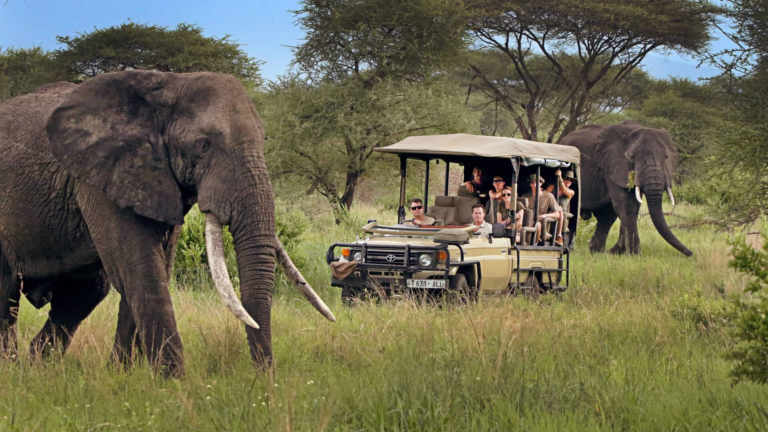
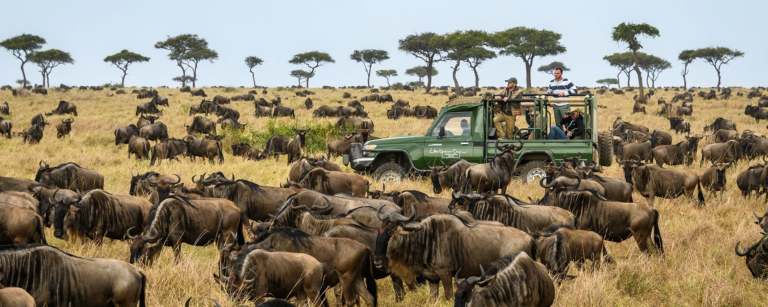
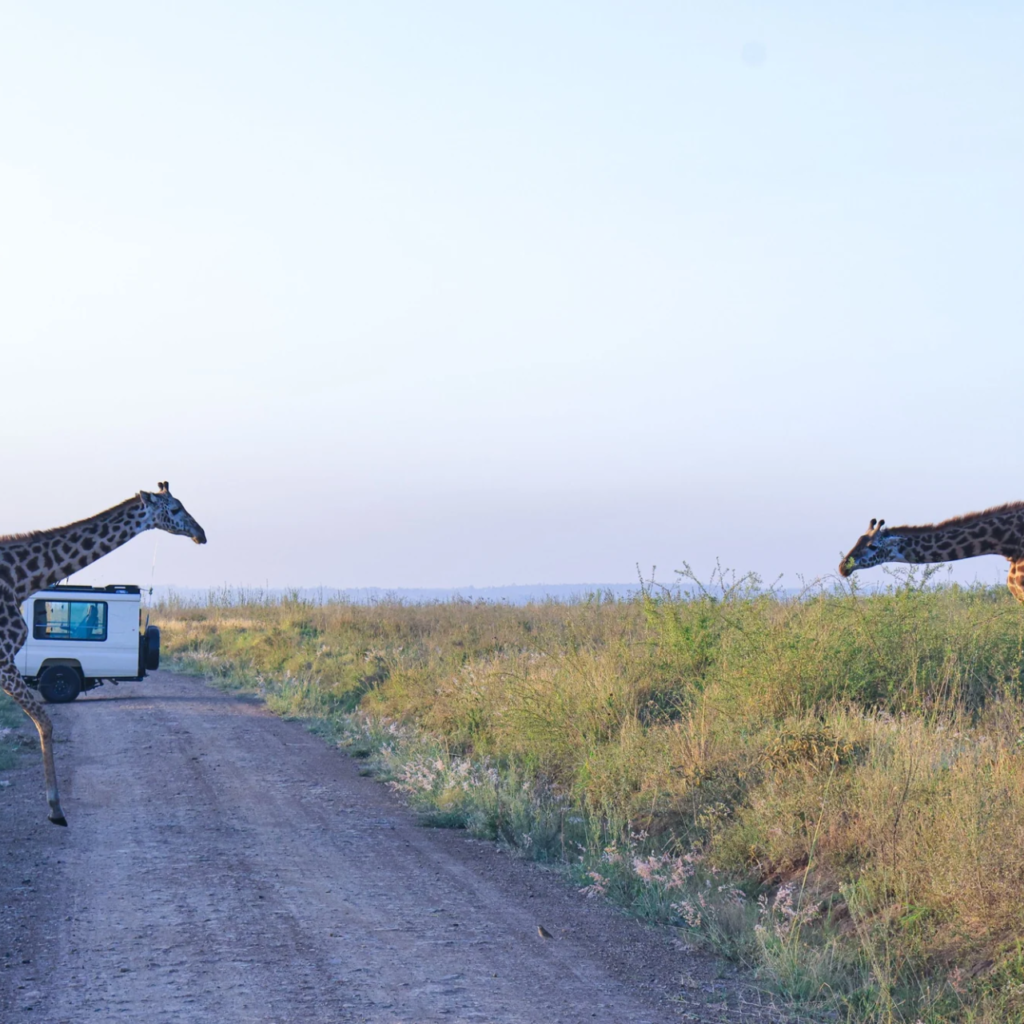
You travel in a specially adapted 4×4 with a raised or open roof and a window seat for every guest. Your driver-guide follows tracks, listens to alarm calls and shares information with other guides by radio, which is how big cats are often found. Most drives run at dawn and late afternoon, when animals are active and the light is soft and last three to four hours. A typical day has an early drive, a leisurely breakfast and midday rest at the lodge, and a second drive before dusk. Full-day drives with a picnic suit parks where distances are large.
Some lodges and private conservancies also offer night drives, which reveal leopards, genets, bushbabies and other nocturnal animals that daytime visitors rarely see.
Where to go
- Uganda: Queen Elizabeth National Park has open plains, crater lakes, the Kazinga Channel and the tree-climbing lions of Ishasha. Murchison Falls National Park offers giraffes, elephants and lions north of the Nile. Kidepo Valley is remote and spectacular, with cheetahs, ostriches and mountain scenery, and Lake Mburo has zebra, eland and impala.
- Rwanda: Akagera National Park combines savannah, lakes and papyrus swamps. Lions returned in 2015 and rhinos in 2017 so the park again offers the Big Five.
- Kenya: the Maasai Mara is famous for big cats and river crossings. Amboseli is known for elephants under Kilimanjaro, Tsavo for its red-dust elephants, and Samburu for northern species such as Grevy’s zebra and gerenuk.
- Tanzania: the Serengeti and Ngorongoro Crater are the classics, alongside Tarangire for elephants and baobabs, and Ruaha and Nyerere for wilder, quieter safaris.
The Great Migration
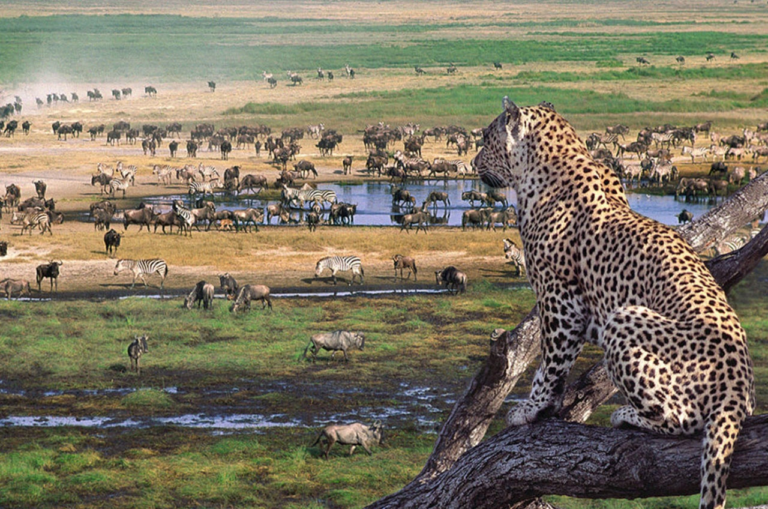
More than a million wildebeest, together with zebra and gazelle, follow the rains in a huge circle between the Serengeti in Tanzania and the Maasai Mara in Kenya. The dramatic river crossings in the Mara usually happen between July and October while calving on the southern Serengeti plains peaks around January and February. Timing varies with the rains so it is wise to plan by season and region rather than by a fixed date, and to allow several nights so that you are not depending on a single day.
What you can expect to see
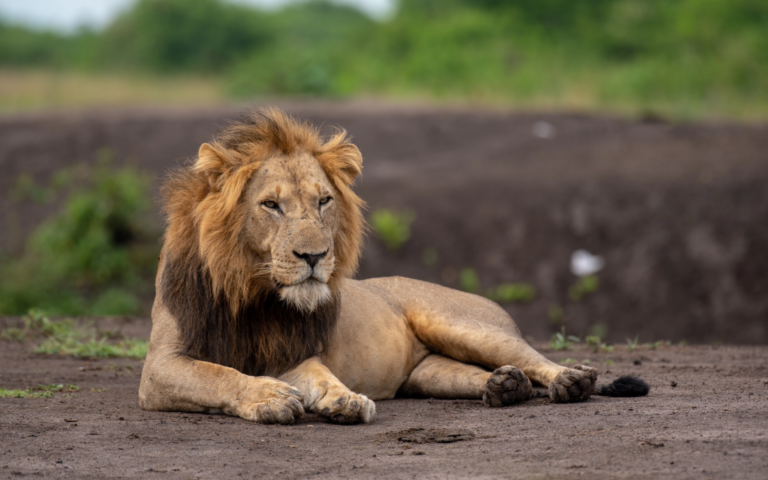
Lions, elephants, buffalo, giraffes, zebras, hippos and crocodiles are common in the main parks, with leopards and cheetahs rewarding patience. Antelope such as impala, topi, kob and waterbuck fill the plains, and birdlife is abundant. No guide can promise a particular animal, but a well-planned itinerary in the right season gives you the best chance, and the unexpected sighting often becomes the favourite.
Best time to go
The dry seasons, June to October and December to February, are best for wildlife viewing. Vegetation is thinner and animals gather near water so they are easier to find. The wetter months, March to May and November, bring lush landscapes, migrant birds, newborn animals and lower prices, although roads can be muddy and a few lodges close. Each destination has its own rhythm, and we match the timing to the animals you most want to see.
Getting the most from a drive
- Ask your guide questions; their knowledge is the best part of the drive.
- Bring binoculars, a hat, sunglasses and layers, because mornings are cool and dusty by midday.
- Be patient. Watching a lion pride wake, or a leopard settle in a tree, rewards those who stay put.
- Stay in the vehicle, keep your voice low and never encourage animals to approach.
- For photographs, rest your camera on a beanbag and keep a second lens ready.
Private vehicle or shared?
A private vehicle gives you control over the pace: you can linger with a sighting or move on when you choose. Shared vehicles cost less but follow a group’s timetable. Private conservancies, particularly in Kenya, allow off-road driving, night drives and guided walks that national parks do not, and they limit the number of vehicles at each sighting, which makes for quieter and more intimate viewing.
How long to stay
Allow at least two or three nights in each park. That gives you time for several drives, a change of scenery and the chance to see something you missed the first day. Moving every night is tiring and reduces time in the field.
Complementing drives with boats and walks
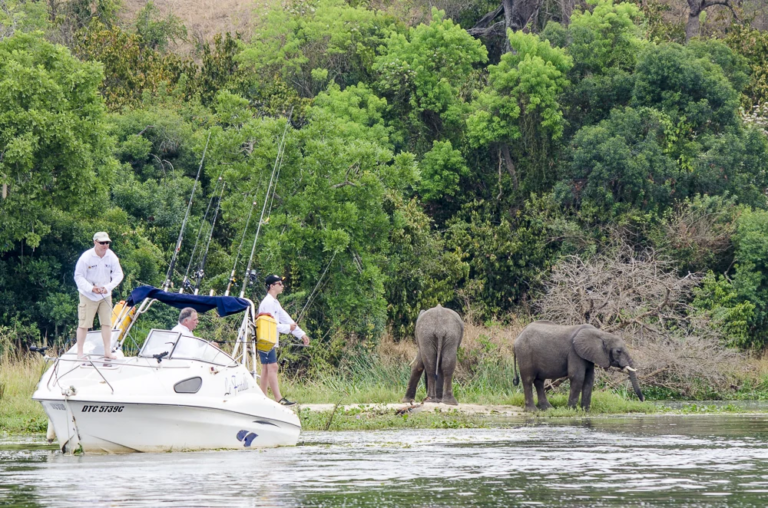
Vehicles are only one way to see wildlife. Boat safaris on the Kazinga Channel or the Nile below Murchison Falls bring you eye to eye with hippos, elephants drinking and enormous numbers of waterbirds, and they are gentler on the body after a bumpy morning. Guided walks, where parks allow them, add the smaller world of tracks, insects and plants. A mixture of all three gives a much fuller picture of a park than drives alone.
Etiquette and safety
Your guide decides how close is close enough, and the rules exist for your protection and the animals’ welfare. Stay seated, avoid sudden movements and never stand up through the roof if the vehicle is stopped near predators. Keep noise low, take your litter with you and follow park regulations on speed and off-road driving.
Reading the landscape from the vehicle
Good drivers teach you to look for behaviour rather than just animals. A line of vultures dropping from the sky points to a kill, a pair of ears above long grass can be a lion at rest, and alarm calls from impala or monkeys often announce a predator before you see it. Spending ten quiet minutes at a waterhole usually shows more than driving between sightings, since animals arrive on their own timetable.
Bring binoculars for each person, a bean bag or a soft scarf to steady a camera on the window frame, and a notebook for the species list. Many travellers find that the second and third drives in the same park are richer than the first, because your eyes and your guide’s understanding of your interests have both settled in.
Planning your game drive safari
Tell us the animals you most hope to see, the season you can travel in and how active you want to be. We will recommend the parks, lodges and vehicles that fit and combine game drives with gorilla trekking, boat cruises or walking safaris for a well-rounded safari.