The Masai Mara National Reserve is Kenya’s best known game reserve, a vast stretch of open grassland in the southwest bordering Tanzania’s Serengeti. It is famous for the river crossings of the wildebeest migration, usually seen from July to October and for some of the most reliable big cat viewing in Africa. This guide to the Masai Mara National Reserve covers when to go, what to see, the conservancies and where to stay.
Why the Masai Mara stands out
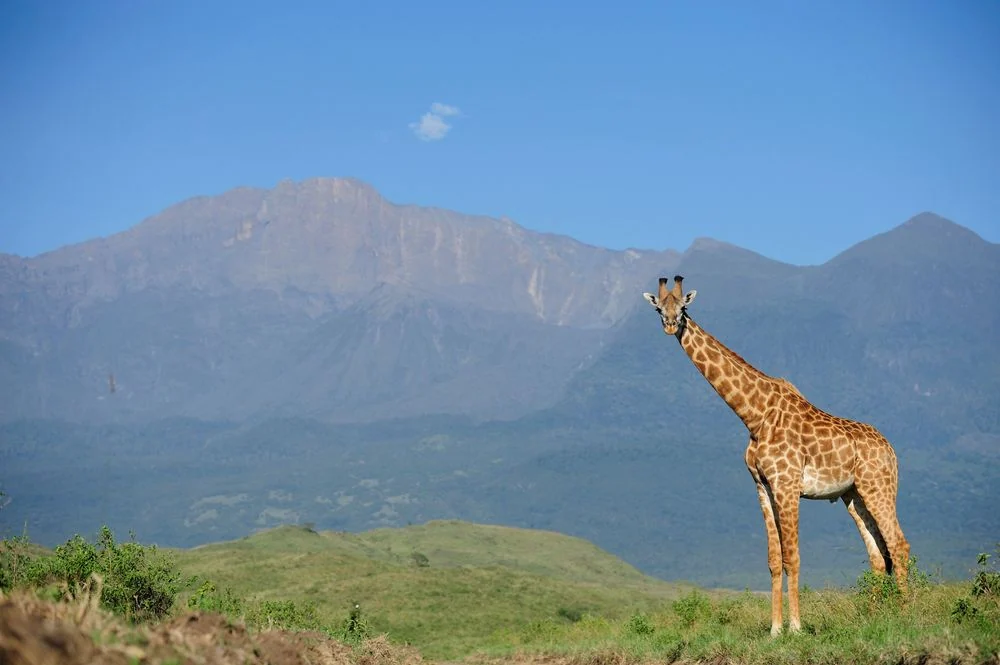
The Mara is the northern end of the same ecosystem as the Serengeti. Resident herds of zebra, topi, impala and giraffe live here all year and the grassland is open enough that predators are easy to find. Lions, leopards and cheetahs are all regularly seen and a morning drive can bring all three on a lucky day.
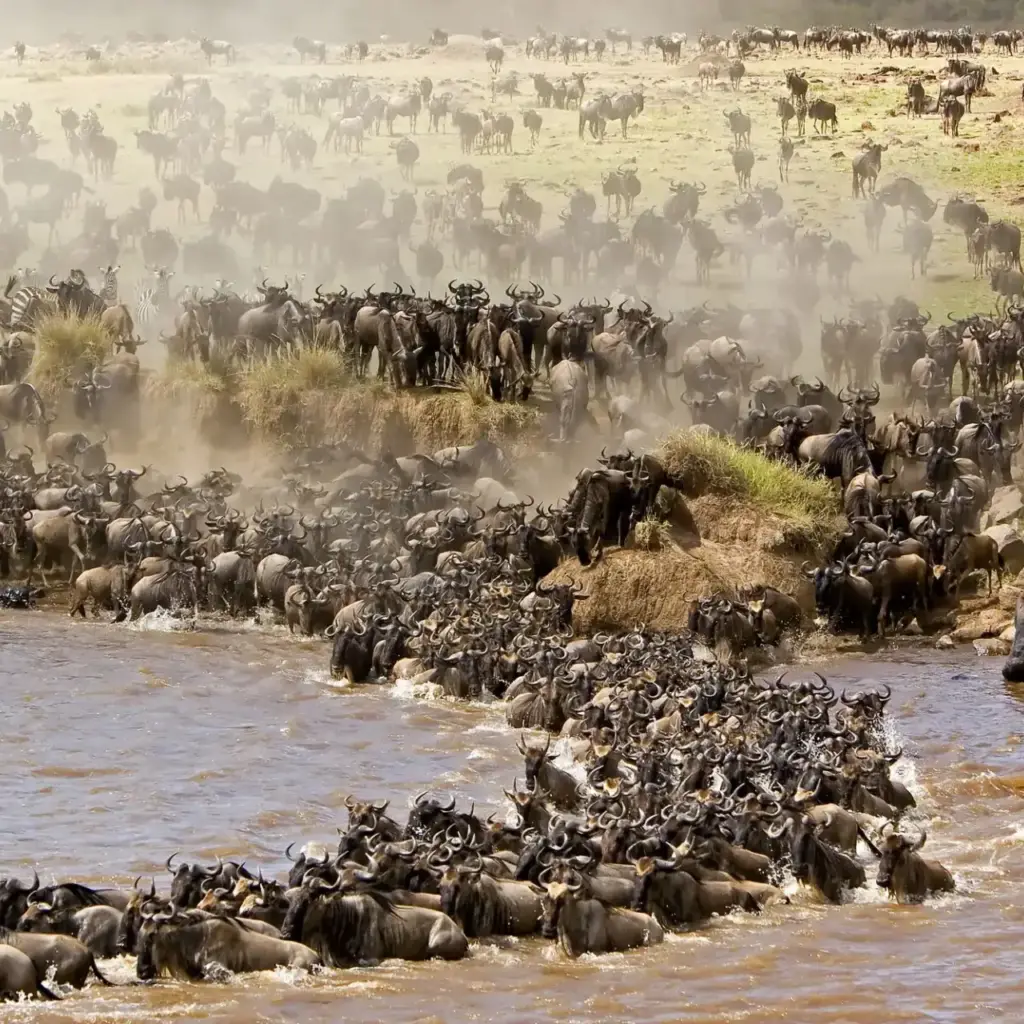
Between roughly July and October, the migration arrives. Wildebeest and zebra move north from Tanzania in their hundreds of thousands and the Mara and Talek rivers become the setting for dramatic crossings. Timing varies from year to year, so as Offmap Safaris, we cannot promise a crossing on a given day. Our guide to the Great Migration by month explains how the herds move.
The big cats and other wildlife
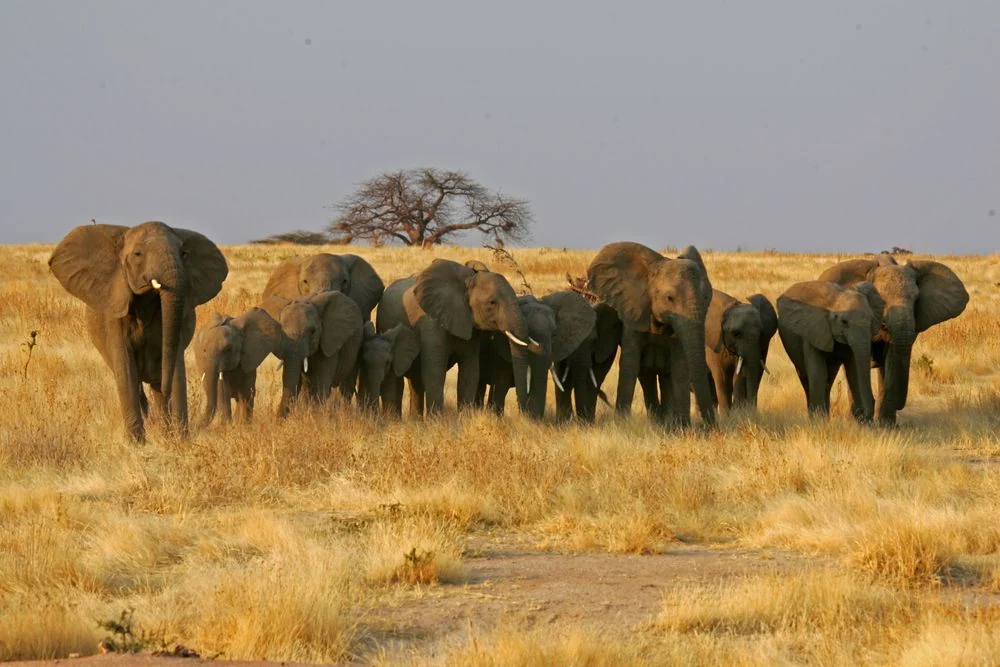
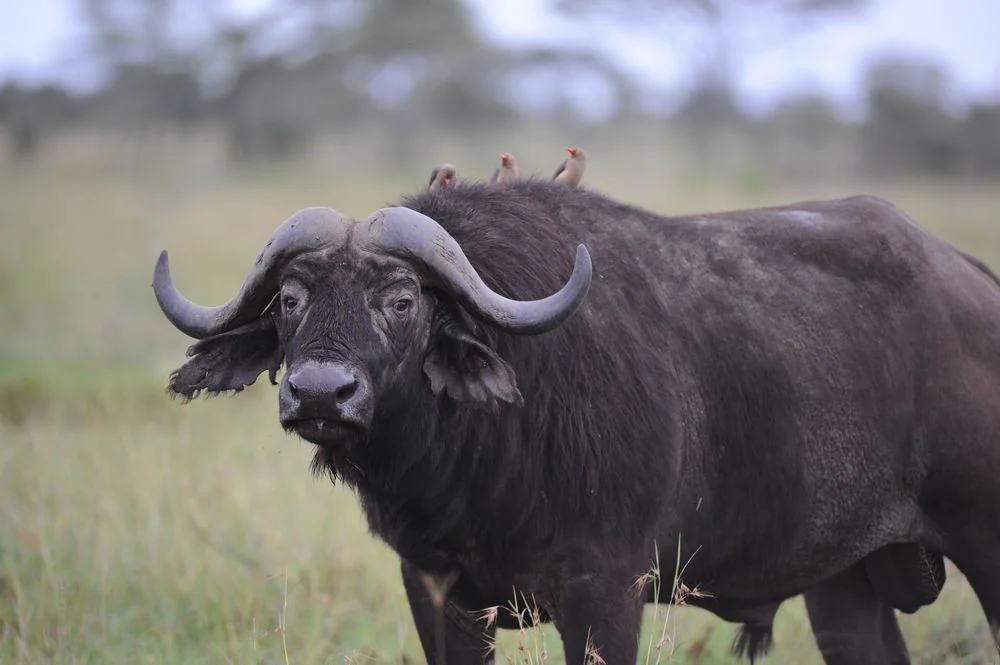
The Mara is one of the best tourist sites in Africa to watch lions which live in prides across the reserve. Cheetahs hunt on the open plains often using termite mounds or safari vehicles as lookouts while leopards rest in riverside trees and rocky outcrops. Elephants, buffalo, hippos, crocodiles and giraffes complete the list and black rhinos are present in small numbers.
Our safari guides in the Mara are skilled at reading behavior. They watch for alarm calls, follow tracks at dawn and park where a hunt is likely to develop. Patience is part of the experience and a long sighting at a pride or a cheetah family is often worth more than many short stops.
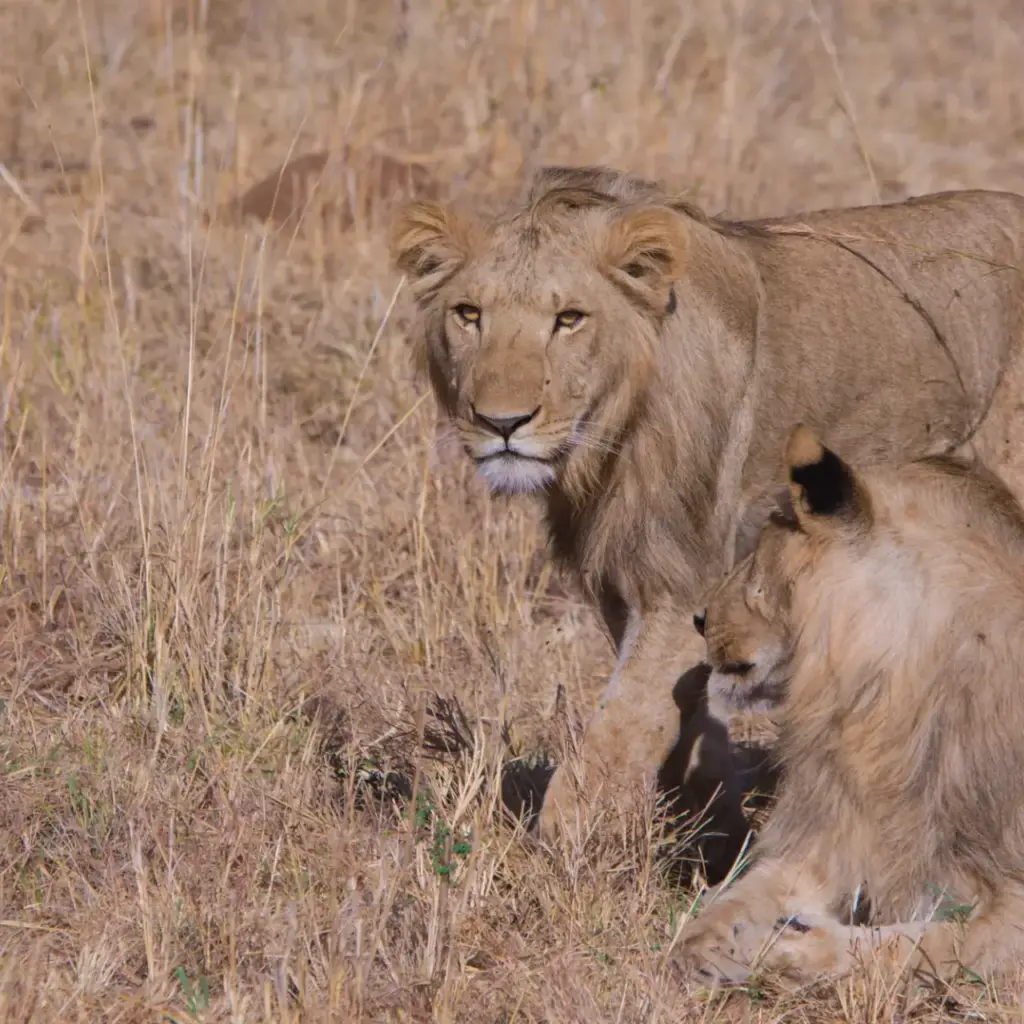
Reserve or conservancy
The national reserve is managed by the county authorities and it can be busy at peak times with many vehicles gathering at popular sightings. Around its edges lie private conservancies where land is leased from Maasai landowners and visitor numbers are limited. This usually means fewer vehicles at each sighting.
Conservancies often allow activities that the reserve does not such as night drives and guided walks and off-road driving is generally permitted where the rules allow. Many travelers combine a stay in a conservancy with a day or two inside the reserve to cross the river. Fees support the landowners and the community. We explain the choices when we quote.
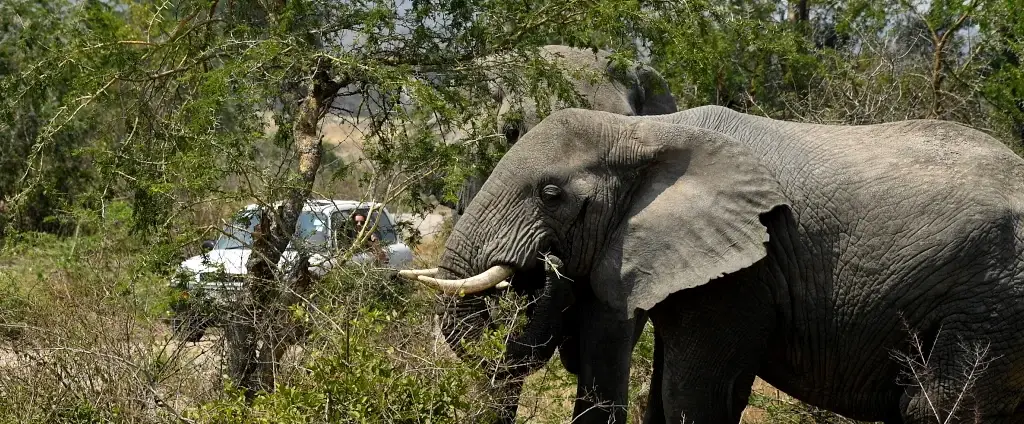
Balloon flights and Maasai culture
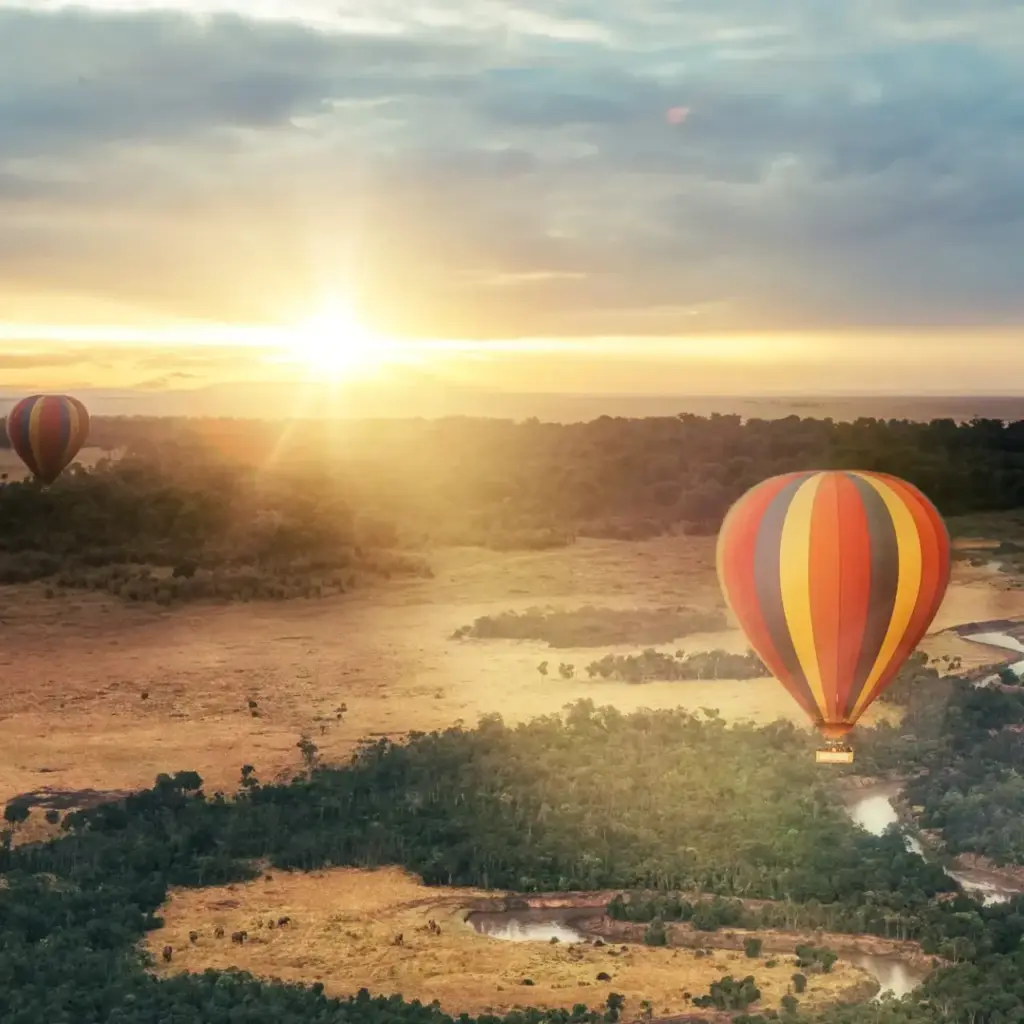
A hot air balloon flight at sunrise is one of the signature experiences in the Mara. You lift off in the half light, drift over the plains for about an hour and often finish with a champagne breakfast in the bush. It is booked in advance and subject to weather, so we advise reserving it early and planning it for a morning with no other fixed commitment.
The Maasai people live around the reserve and in the conservancies. Their cattle herding life is closely tied to the land. A visit to a village or a walk with a Maasai guide gives context to the landscape from medicinal plants to tracking skills. Choose visits that are arranged with the community and those that share fees fairly and ask before taking photographs of people.
Where to stay and how to get there
We get you to the Mara by road from Nairobi in about five to six hours or by a short scheduled inland flight to one of several airstrips which is faster and gives a view of the Rift Valley. Most guests combine the flight in with a road journey out or the reverse. Light aircraft have soft luggage limits, so see our Kenya safari packing list.
Accommodation ranges from classic tented camps on the river, to luxury lodges with private decks and mid-range camps with good guiding. Camps near the Mara River suit the migration season and conservancy camps suit those who want quiet. We choose a camp to match your dates, budget and the kind of wildlife you most want to see.
When to go and practical tips
July to October is the peak season for the river crossings, it is also the busiest and most expensive time so booking early is a priority. The Mara is good for game viewing in other months as well with fewer visitors, greener scenery and strong cat sightings. The long rains in April and May are the quietest period and some camps temporarily close.
Wear neutral colors, bring a warm layer for early drives and pack a hat, sunscreen and binoculars. Bring a camera with a long lens if you can and a dust cover. Plan at least three nights and four if you want a balloon flight and a crossing day. Check current rates as our quotes show everything that is included.
We start with your dates, then choose lodges, guides and transport to suit you. We explain what is fixed and what can change and our team monitors and looks after the trip from the first message to the last transfer. Browse our Kenya safaris, or tell us your plans on the Plan My Safari page.
The Great Migration in Kenya: When the Mara Comes Alive
Frequently asked questions
When is the best time to see the river crossings in the Masai Mara?
The crossings are usually seen from July to October, when the herds are in the Mara. Timing varies each year with rainfall and grass, so a crossing cannot be guaranteed on a given day. Staying three or more nights improves your chances.
What is the difference between the Masai Mara reserve and the conservancies?
The reserve is the national park area and can be busy at peak times. Conservancies are private lands leased from Maasai owners with limited vehicles. They often allow night drives and walks. Many travellers combine both for variety and a quieter experience.
How many days do I need in the Masai Mara?
Three nights is a sensible minimum, and four allows time for a balloon flight, a river crossing day and a quieter morning. Travellers who also visit a conservancy often stay five nights. We plan the length to suit your dates and priorities.
How do I get to the Masai Mara from Nairobi?
You can drive in about five to six hours, or take a short scheduled flight to a Mara airstrip, which saves time and shows the Rift Valley from above. Many travellers combine both. Light aircraft have soft bag limits, so pack accordingly.
Is a hot air balloon flight in the Mara worth it?
Many guests rate it as a highlight. You drift over the plains at sunrise for about an hour and often have a bush breakfast. It must be booked in advance and depends on the weather. It is an extra cost, so check current rates.