Nyungwe Forest’s canopy walkway
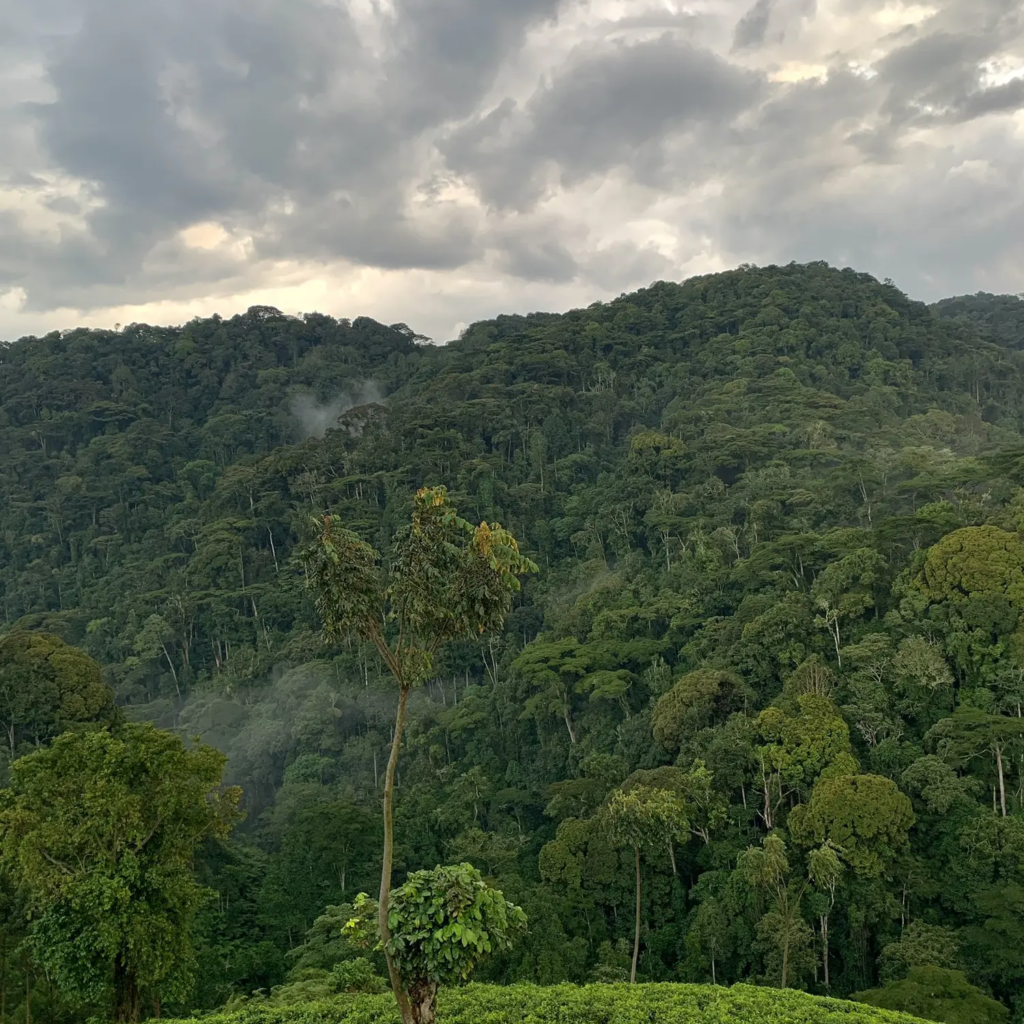
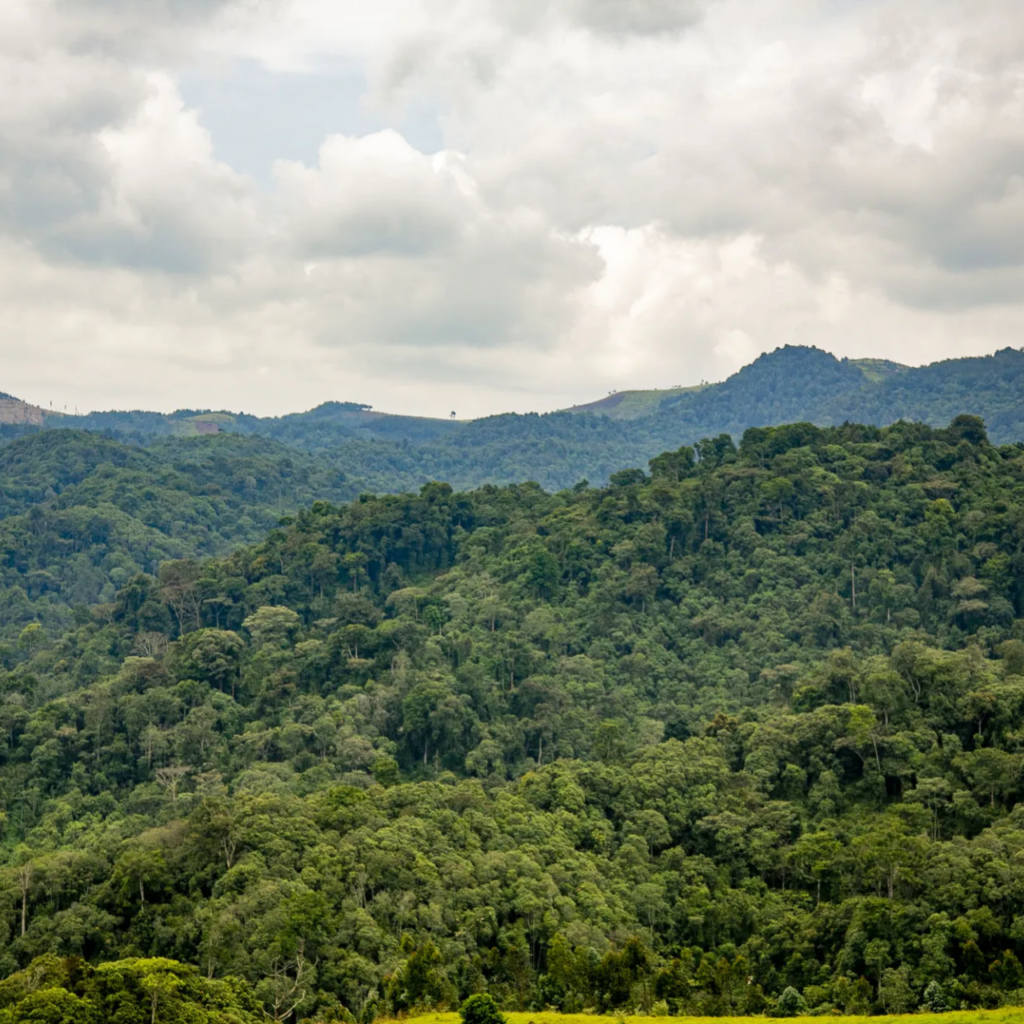
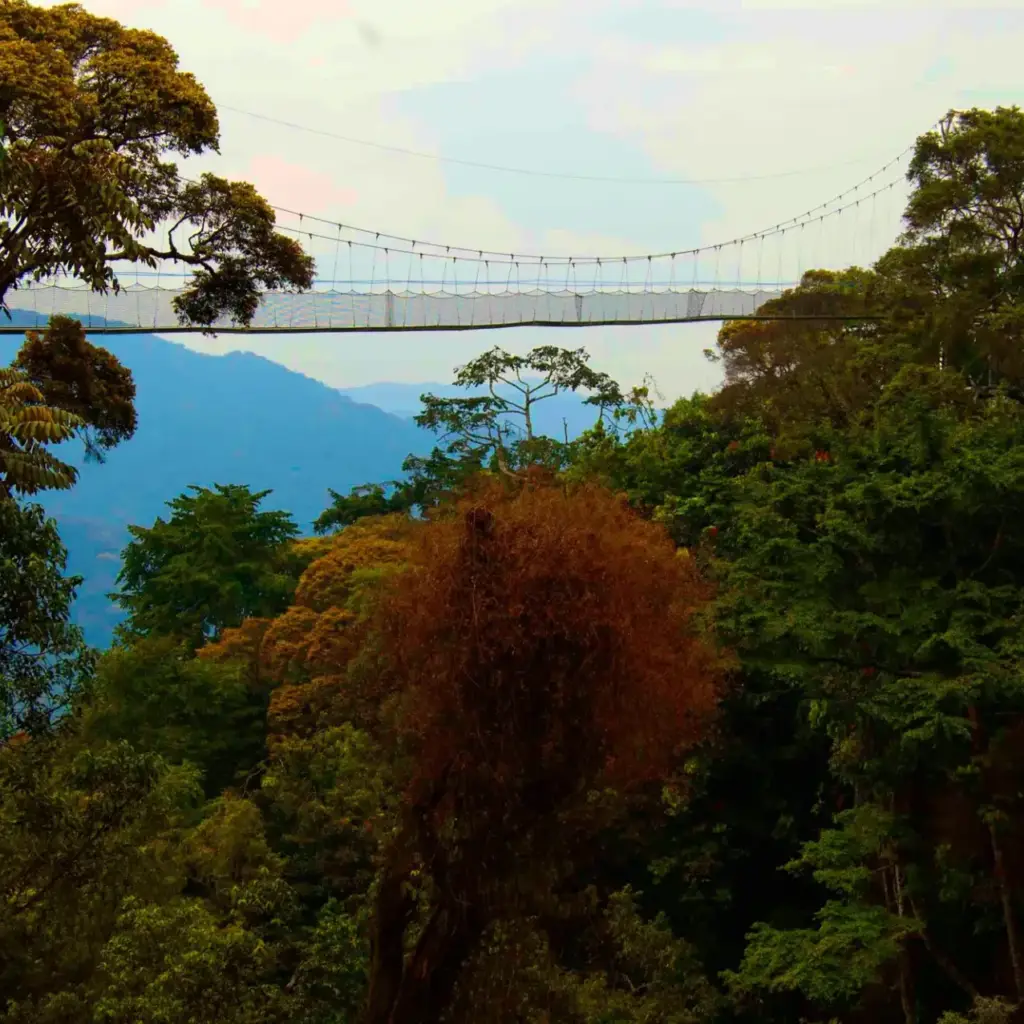
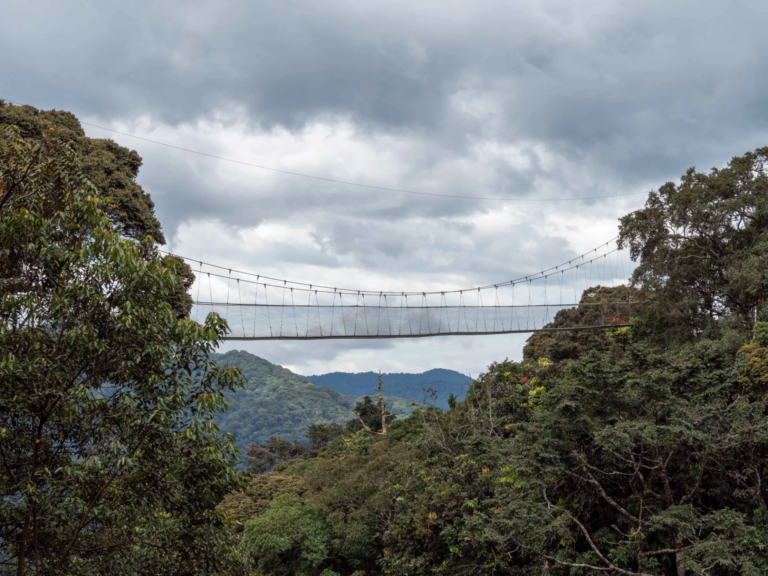
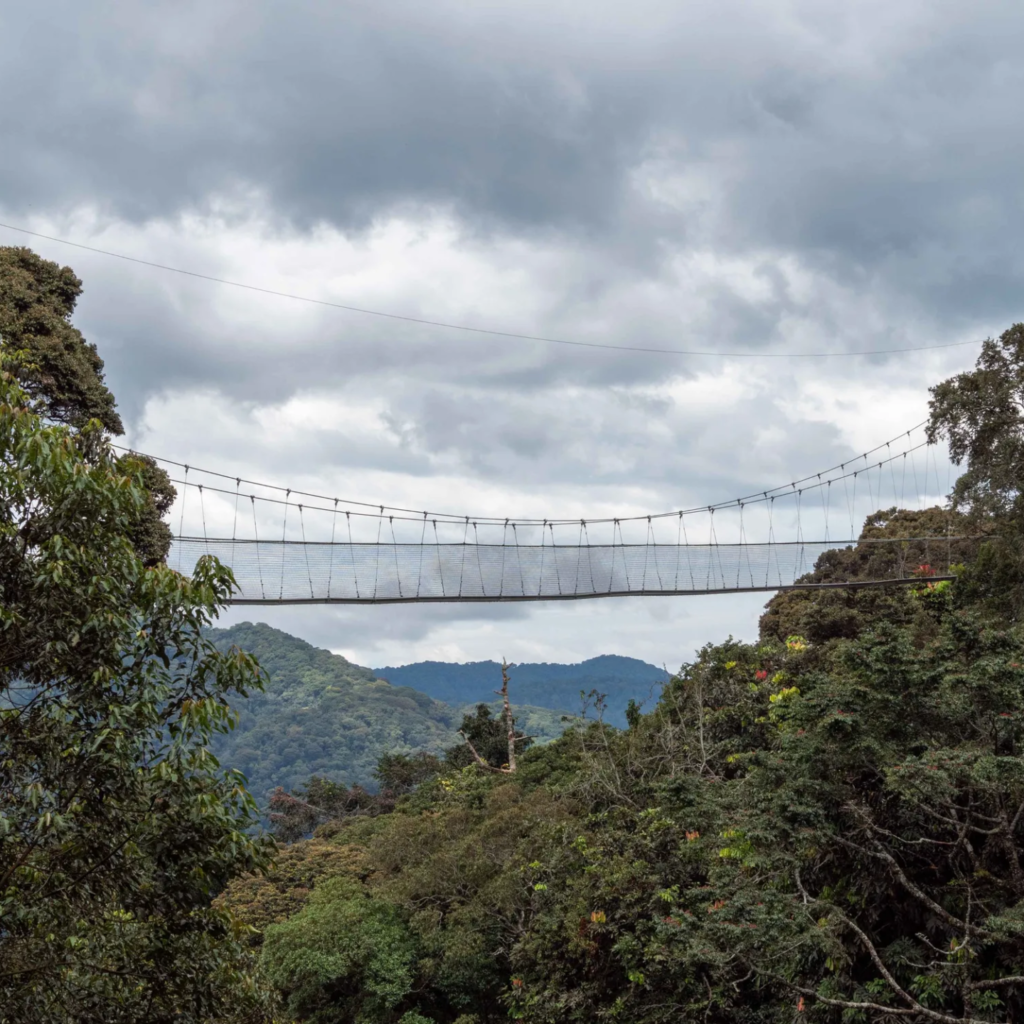
The region’s best-known canopy walk is the Nyungwe Canopy Walk, reached via the Igishigishigi trail from the Uwinka visitor centre inside Nyungwe National Park in southwestern Rwanda, one of Africa’s oldest and largest remaining montane rainforests. The walkway itself, a series of linked suspension sections roughly 160 metres long, hangs as high as 70 metres above the valley floor at its highest point, crossing a deep, forested ravine rather than running along a single ridge. It was built specifically for tourism, giving visitors a stable, railed platform rather than the swaying rope bridges found in some other canopy attractions.
What the walk feels like
Guides lead small groups across the walkway in a loop that typically takes 1.5 to 2 hours in total, including the approach hike through the forest to reach the structure and a return walk afterward. The steel cables and mesh flooring are engineer-rated for tourist use, but height is unmistakably part of the experience, and the walkway does sway gently underfoot in a way that some visitors enjoy and others find unnerving. Guides pace the crossing to suit the group and stop at intervals to point out canopy-dwelling wildlife visible from the platform.
What you’ll see
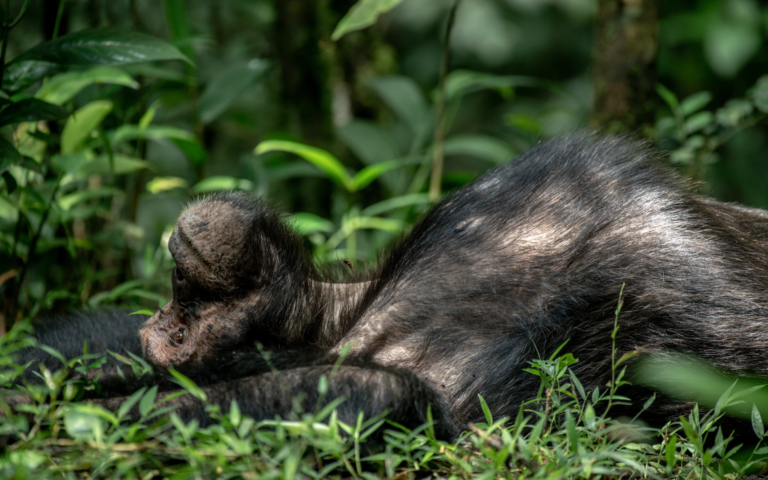
Nyungwe is home to 13 primate species, including chimpanzees, several colobus and mangabey species and l’Hoest’s monkeys, along with over 300 recorded bird species drawing serious birders from across the region. A canopy-level vantage point puts visitors at eye level with the same tree crowns these primates and birds use, rather than looking straight up through a gap in the leaves from the ground, which is usually the best a forest walk can offer.
Daily departures
The walkway runs on a fixed daily schedule rather than opening freely all day, with departures typically at 8am, 10am, 1pm and 3pm, timed to spread visitor groups out and give guides room to manage the crossing safely. Booking a specific slot in advance, particularly for the earlier, cooler and often quieter departures, is worth doing rather than arriving and hoping for space.
Combining it with Nyungwe’s other activities
Most visitors pair the canopy walk with one of Nyungwe’s other signature activities on the same visit, most often chimpanzee tracking or a guided nature walk to one of the park’s waterfalls, since all three draw on the same trail network and ranger station. A canopy walk alone takes a morning or afternoon, leaving room for a second activity the same day if an early start allows it.
Elevated forest views elsewhere in the region
Nyungwe’s walkway remains the only true suspended canopy walkway of its kind in East Africa, though other forests offer their own version of an elevated wildlife view: Kibale National Park‘s forest trails bring visitors close to habituated chimpanzee and colobus troops from ground level instead, while Mabira Forest’s zip-line course, further north in Uganda, gives a faster, adventure-sport take on canopy-level views rather than a slow, guided crossing. Each suits a different pace and appetite for height.
Practical notes
- A moderate level of fitness is needed for the approach hike, which includes some uphill sections before the walkway itself
- Height sensitivity is worth being honest about in advance; the walkway is a stable structure, but the exposure is real
- Rain gear is worth carrying, since Nyungwe’s forest canopy receives significant rainfall even outside the main wet season
- Sturdy, closed walking shoes with grip are recommended for the forest trail sections either side of the walkway
How the walkway is built
The structure uses a series of steel suspension cables anchored to towers built into the hillside at either end, with intermediate support points where the terrain allows, rather than a single unsupported span across the entire valley. A mesh and plank walking surface runs the length of the crossing, with waist-high cable railings the full way, and the design follows the same engineering principles used for canopy walkways in other tropical forest reserves worldwide, adapted here to Nyungwe’s steep valley topography.
The Igishigishigi trail
Reaching the walkway means following the Igishigishigi trail from the Uwinka visitor centre, a moderate hike through dense montane forest that itself offers a strong introduction to Nyungwe’s plant life, named for the tree fern species common along its length. The trail’s gradual climb and descent means the canopy walk is bookended by genuine forest hiking rather than a short stroll to a viewing platform, and the combination is generally considered one of the more complete forest experiences available in the park.
Best time to visit
Nyungwe’s two dry seasons, roughly June to September and mid-December to February, offer the most reliable underfoot conditions on the approach trail and the clearest long views from the walkway itself, though the crossing runs year-round regardless of season.
Planning your canopy walk
Tell us which Nyungwe activities interest you alongside the canopy walk, and we will book a departure slot that leaves room for chimpanzee tracking or a waterfall walk on the same visit.
Luxury Accommodation in Rwanda: Best Lodges for Gorillas, Nyungwe and Akagera
Photo Gallery