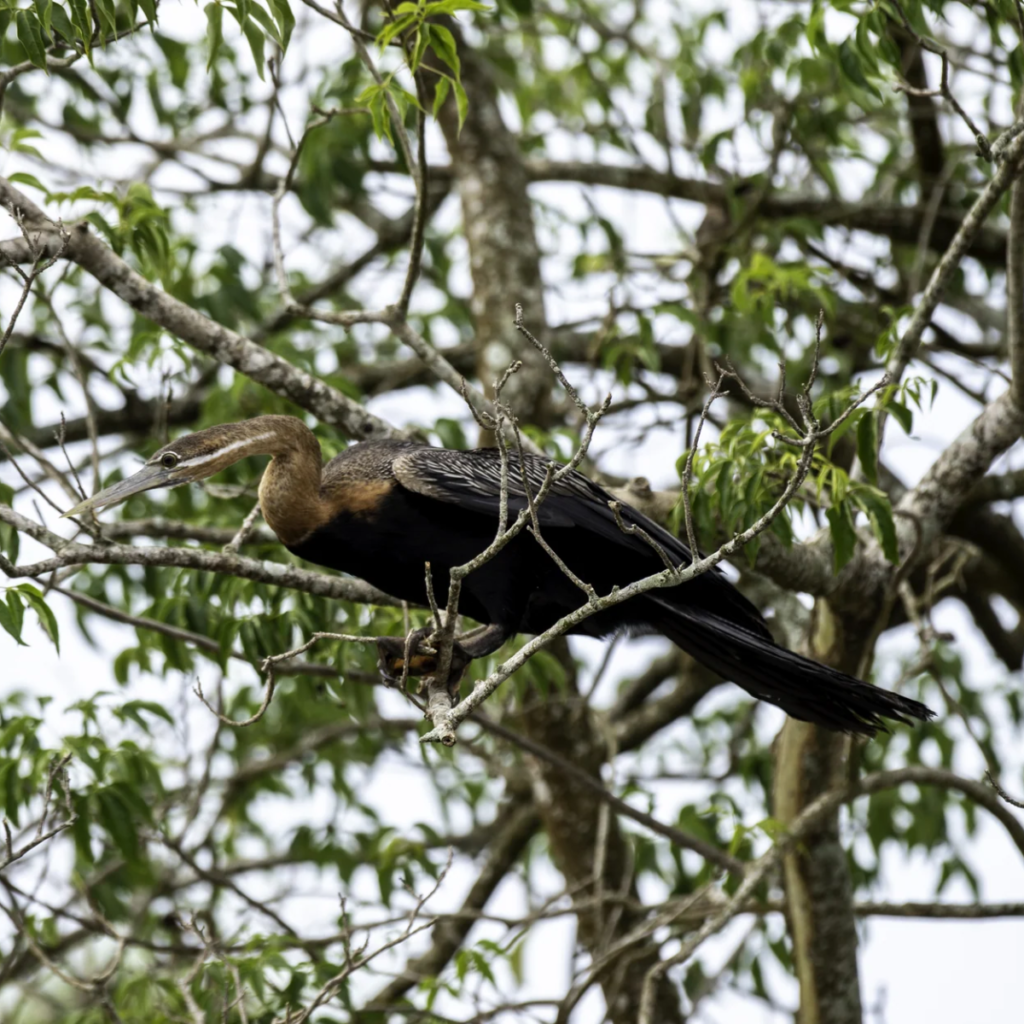
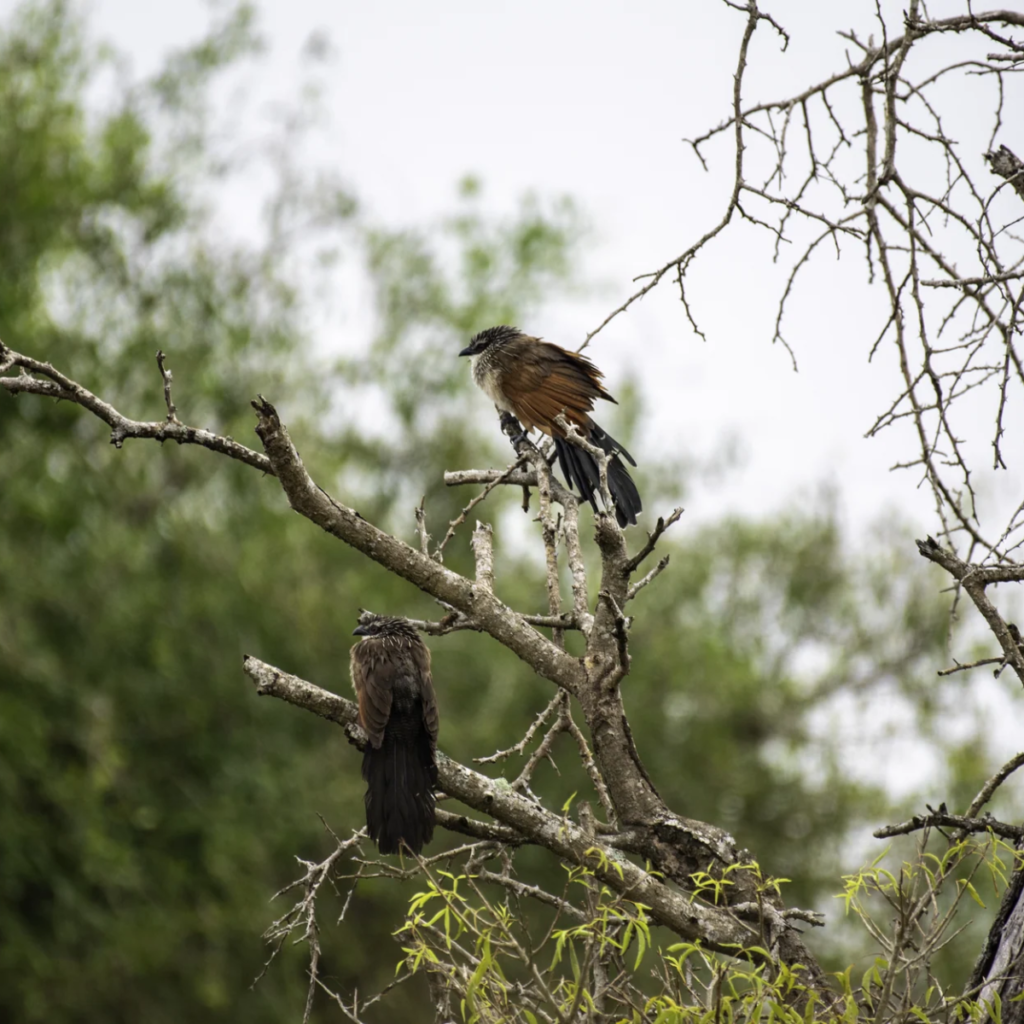
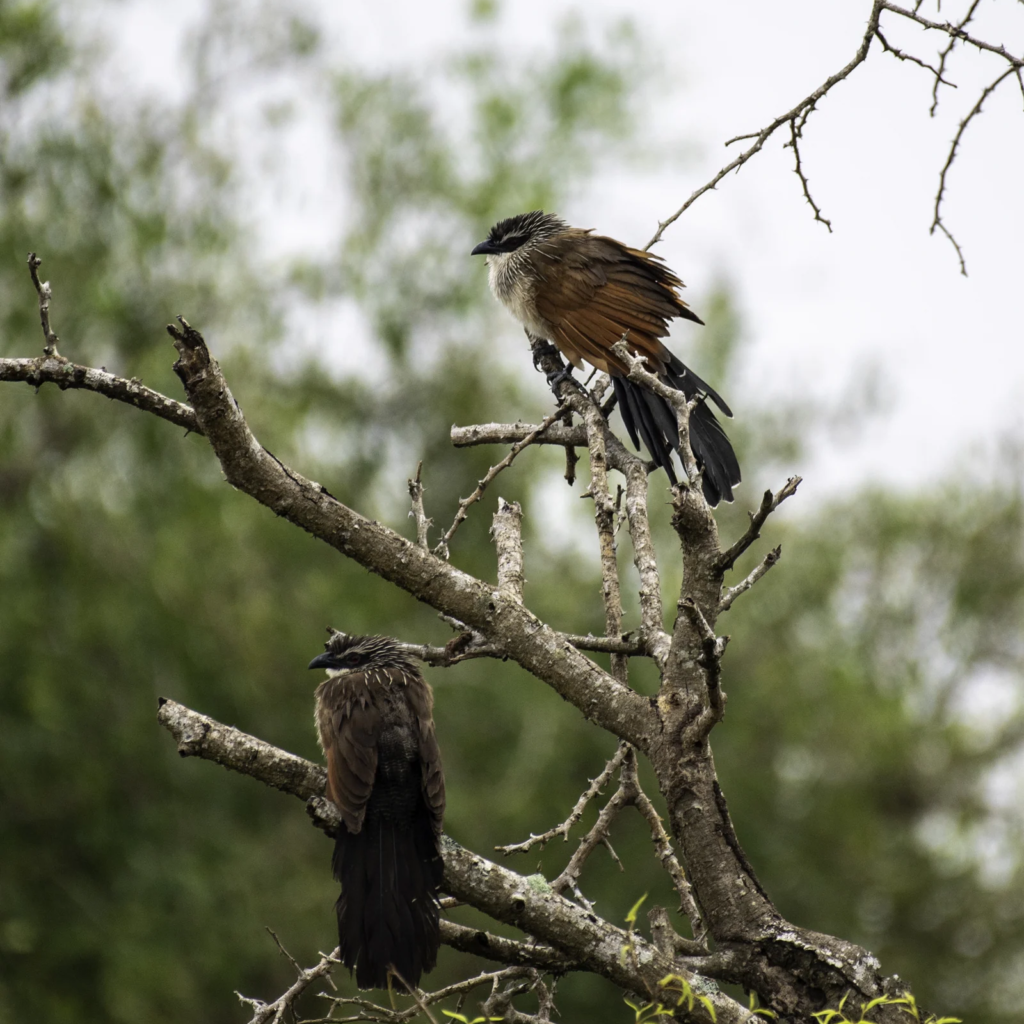
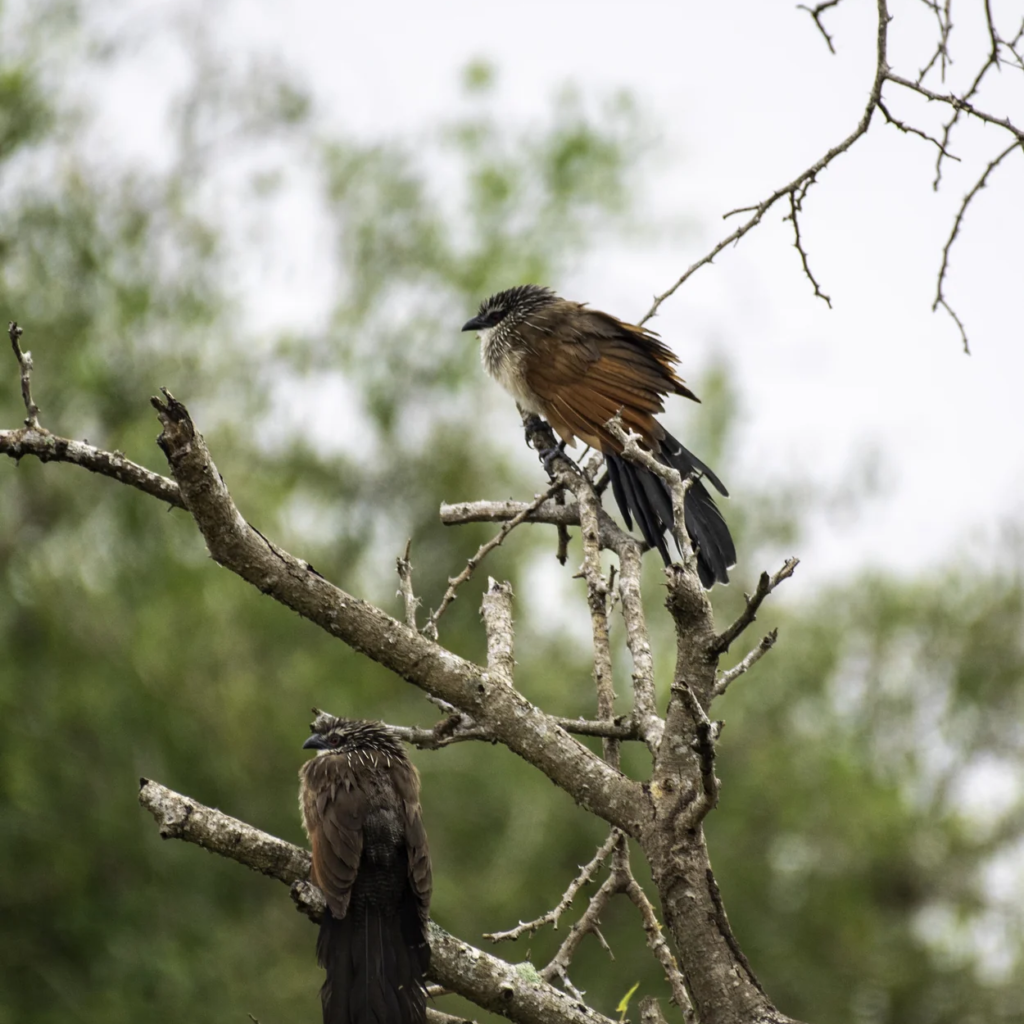
East Africa is one of the great birding destinations of the world, with well over a thousand species across forest, wetland, savanna and Rift Valley lake. You do not need to be a specialist to enjoy it. A handful of key birds are the ones travellers talk about long after the trip: the shoebill, the great blue turaco, the grey crowned crane, the African fish eagle and the flamingos of the Rift Valley. This guide covers the key birds of East Africa, where to find each one, the best seasons and how to plan a birding safari that also delivers the big wildlife.
Shoebill: the bird everyone wants
The shoebill is a huge, slow-moving wetland bird with a heavy, clog-shaped bill and an almost prehistoric stare. Uganda is the best country for a shoebill sighting. The Mabamba Swamp near Entebbe is the classic spot, reached by canoe with a local guide, and the Nile delta in Murchison Falls National Park is another strong area.
Shoebills stand motionless for long periods, so patience matters. Go early in the morning, dress for sun and mud, and let your guide read the papyrus. Our shoebill at Mabamba Swamp guide explains the canoe trip in detail.
Grey crowned crane, fish eagle and the big names
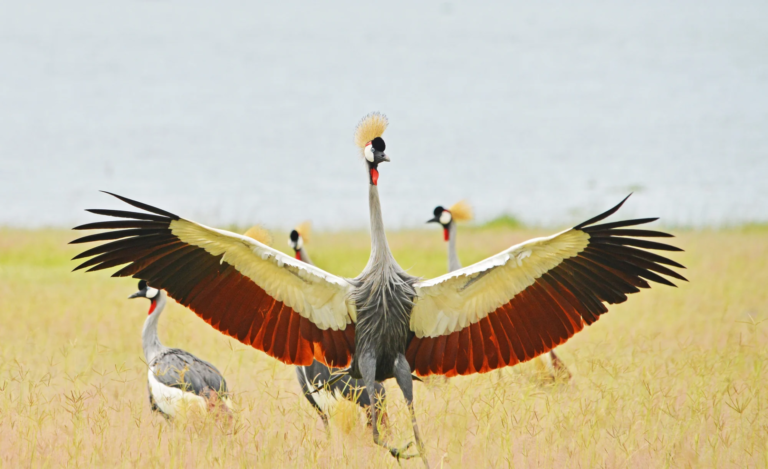
The grey crowned crane, Uganda's national bird, is easy to find in wetlands and open grassland across the region, and it is one of the most elegant birds you will see. The African fish eagle is the voice of every lake and river, with a cry that many travellers remember as the sound of Africa.
The lilac-breasted roller, Kenya's national bird, is one of the most colourful birds on any game drive. On the open plains of Kenya and Tanzania, look for the secretary bird, the ostrich and the kori bustard, all large and photogenic birds of the savanna.
Great blue turaco and forest specialists
The great blue turaco is a giant, blue-green forest bird, often seen in the canopy of Kibale, Bwindi and other Ugandan forests. Hornbills, barbets, sunbirds and many colourful forest species share the same habitat.
Forest birding rewards slow walking, good light and a skilled guide who knows calls. Kibale, Bwindi and Semuliki are the strongest forest birding areas in Uganda, and Nyungwe is the best in Rwanda.
Albertine Rift endemics
The Albertine Rift is a chain of mountain forests running through western Uganda, Rwanda and neighbouring countries, and many birds there live nowhere else. Species such as the Rwenzori turaco and other highland specialists are the main targets for serious birders.
Bwindi, Nyungwe and the Rwenzori Mountains are the key places. Many of these birds can be seen on the same trip as gorilla trekking, which makes primate and birding safaris an easy combination.
Flamingos and Rift Valley lakes
Kenya's Rift Valley lakes, including Nakuru and Bogoria, are known for flamingos, and Lake Natron in Tanzania is an important flamingo breeding area. Flamingo numbers move with water levels and algae, so we check current conditions before we plan. Even in low-flamingo years, the lakes hold pelicans, storks, fish eagles and many waterbirds.
Birding by country
Uganda is the headline birding country, with the shoebill, the great blue turaco and many Albertine Rift endemics. Rwanda is compact and excellent for montane forest birds in Nyungwe and for wetlands at Akagera. Kenya offers Rift Valley lakes, coastal species and savanna birds, with over a thousand species recorded. Tanzania adds the Northern Circuit, Lake Manyara, Tarangire and the lakes of the Rift Valley.
Combining countries on one trip increases your species total, and many of our birding routes pair two countries for exactly that reason.
Birding with wildlife: the best of both
You do not have to choose between birds and big game. A morning in the papyrus for a shoebill, an afternoon game drive for lions and an evening boat trip for hippos and fish eagles make a full day. We pace birding safaris so that serious birders get early starts and quiet hides, while others in the group enjoy the wider wildlife experience.
Best time for birding in East Africa
Birding is rewarding all year, but the drier months make forest walks and wetland trips easier. From roughly November to April, European migrants add to the resident species and bring the highest species counts. Seasons differ by region, so we match your travel dates to the right areas. See our guide to the best time for birding in East Africa for a month by month view.
Planning a birding safari
The best birding safaris combine specialist guiding with great wildlife, so you can look for a shoebill in the morning and watch lions in the afternoon. Tell us which birds matter most and how serious you are, and we will build a route that balances hides, forest walks and game drives.
What to pack for birding
Bring binoculars with good light gathering, a field guide or a birding app, neutral-coloured clothing, a hat, sun protection and a waterproof layer for forest mornings. A long lens helps for photography, but patience helps more. Your guide will usually carry a spotting scope for the best hides and swamps.
At a glance
- Shoebill: Mabamba Swamp or Murchison Falls
- Albertine Rift endemics: Bwindi, Nyungwe, Rwenzori
- Flamingos: Rift Valley lakes in Kenya and Tanzania
- Most species counts: roughly November to April
Keep exploring
- Birding safaris
- Birding in Uganda
- Birding in Rwanda
- Birding in Kenya
- Birding in Tanzania
- Bird watching experiences
- Wildlife safaris
- Uganda safaris
Plan a safari around Key Birds of East Africa: Shoebill, Turacos, Cranes and More
Tell us your dates and what you most want to see, and we’ll time your safari to match it as closely as nature allows. Talk to us, or browse our safari packages to see how a migration-timed itinerary is put together.
Key Birds of East Africa: Shoebill, Turacos, Cranes and More