The best time for birding in East Africa depends on what you want to see. Birding is rewarding in every month, but the seasons shape which migrants are present, how easy the trails are and when many resident species breed. This guide to the best time for birding in East Africa explains the pattern in Uganda, Rwanda, Kenya and Tanzania, with advice on matching dates to the sites and species that matter to you.
When is the best time for birding?
For most birders, the dry months give the easiest trips. In Uganda, Rwanda and Kenya these are roughly June to September and December to February and in Tanzania: June to October. Roads and forest trails are easier and many parks are simple to reach.
The wetter months are good for birds too. Migrants from Europe and Asia arrive from around October and stay to about April which adds dozens of species. Resident birds breed after the rains, males often show brighter plumage and the forests are green. The trade-off is mud, showers and some harder driving. Rainfall varies from year to year so treat the months as a guide.
East Africa has two rainy periods in most places: the long rains from about March to May and the short rains from about October to November. Between them are dry periods. The pattern shifts with altitude and region. The equator crosses Uganda and Kenya, so rain is spread more widely there than in southern Tanzania which has one main wet season from about November to April.
Climate patterns have also become less predictable in recent years. A dry month may bring rain and a wet month may stay dry. Rely on local guidance close to travel and build slack into the plan.
What do migrants and breeding change?
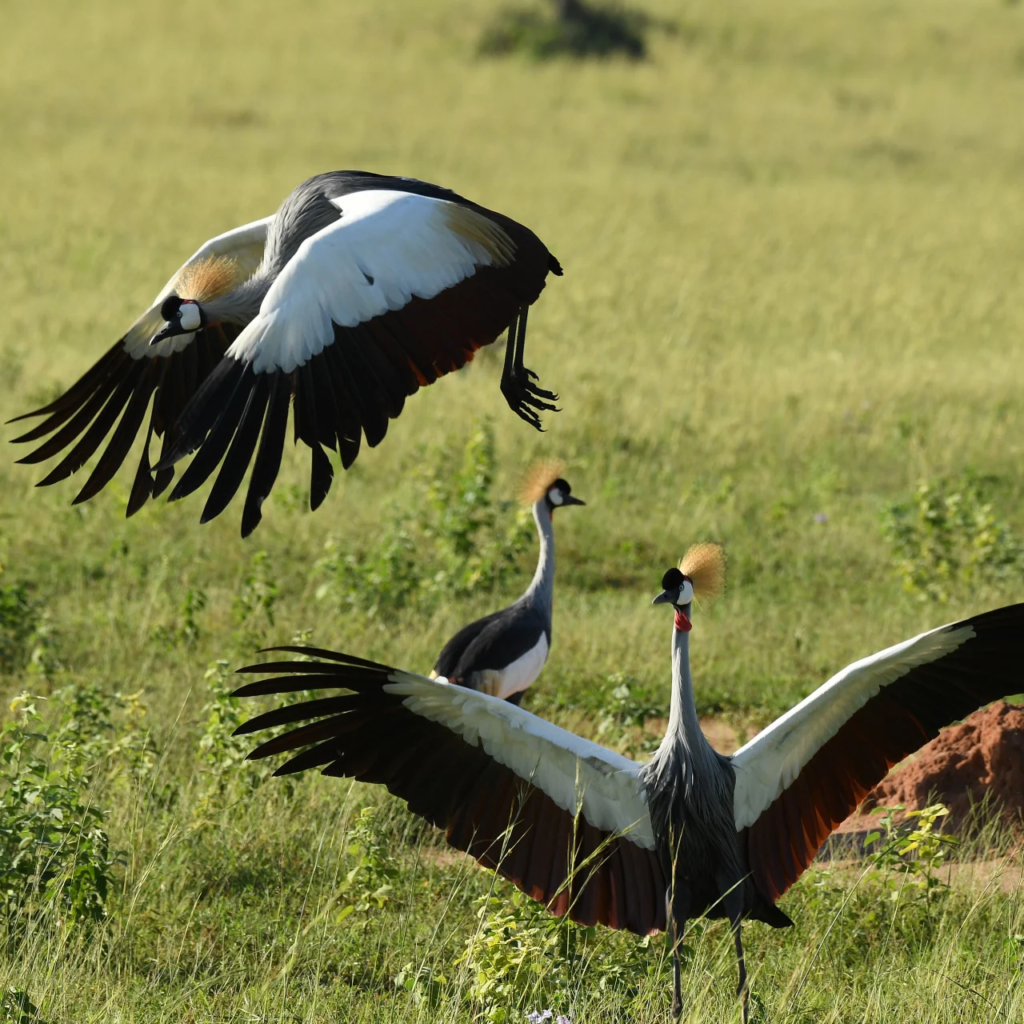
Palearctic migrants, birds that breed in Europe and Asia, arrive from around September and October and leave by about April. They include warblers, swallows, waders, raptors and others. They add to the lists on the lakes and in the savannah. Birders from Europe often enjoy seeing familiar species in a tropical setting.
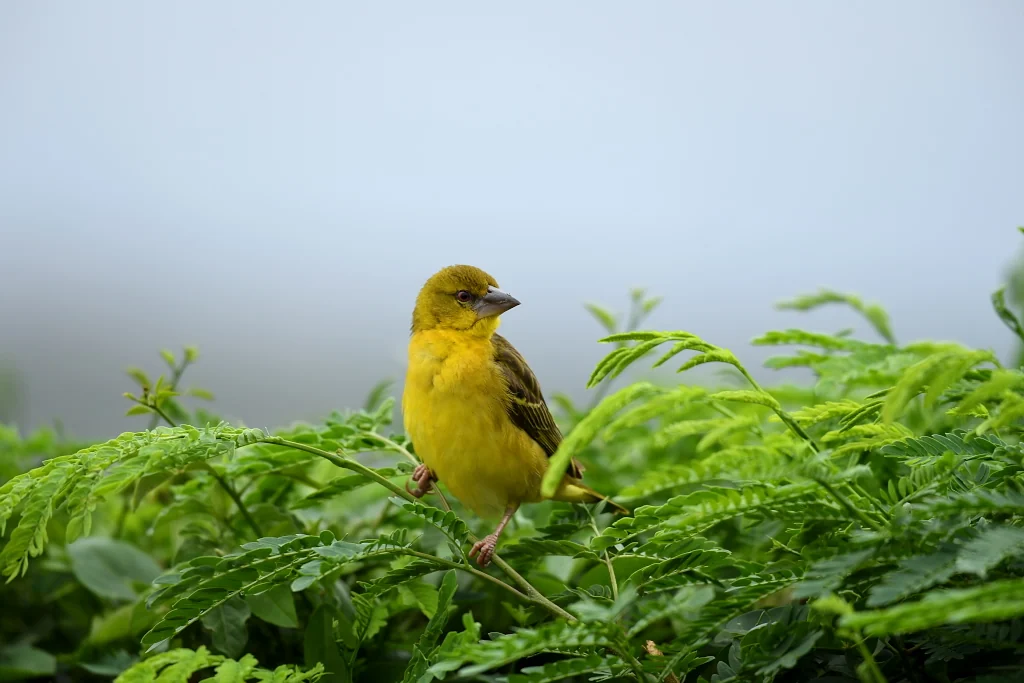
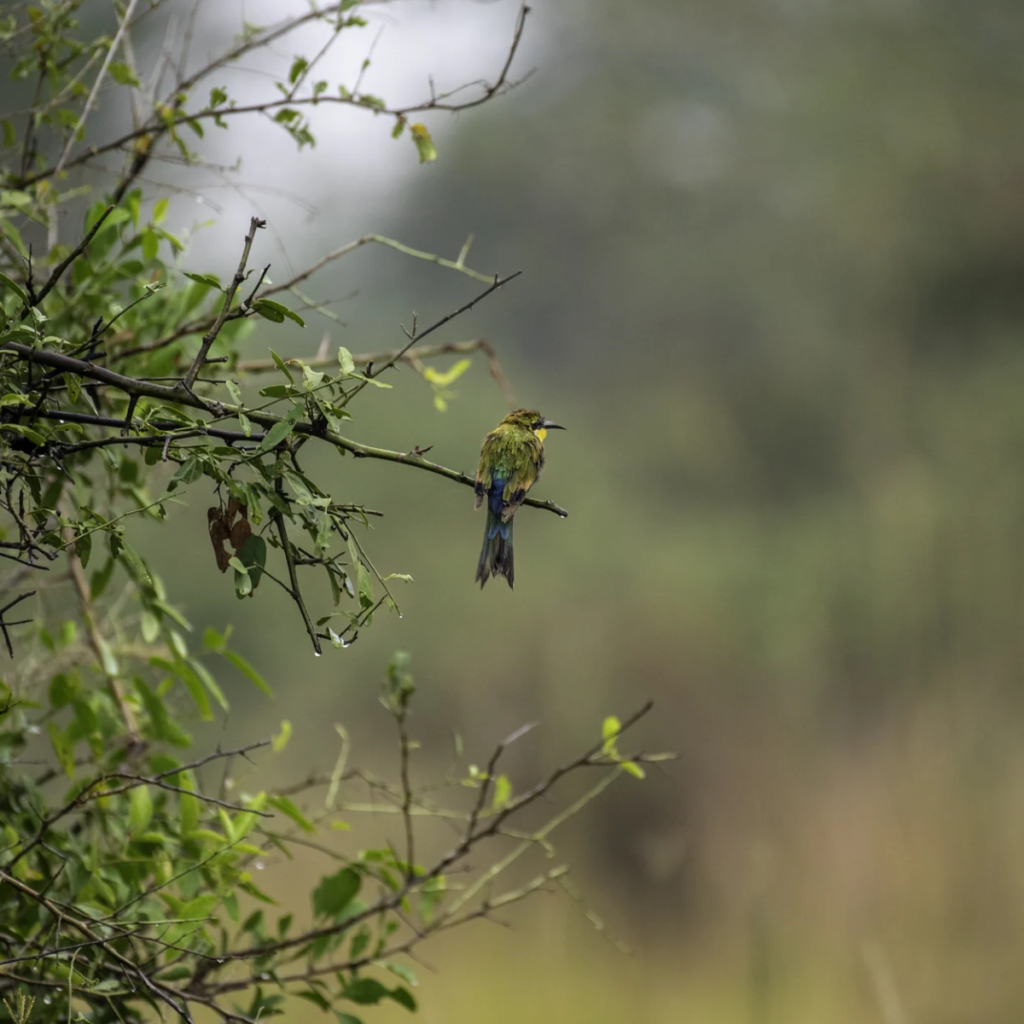
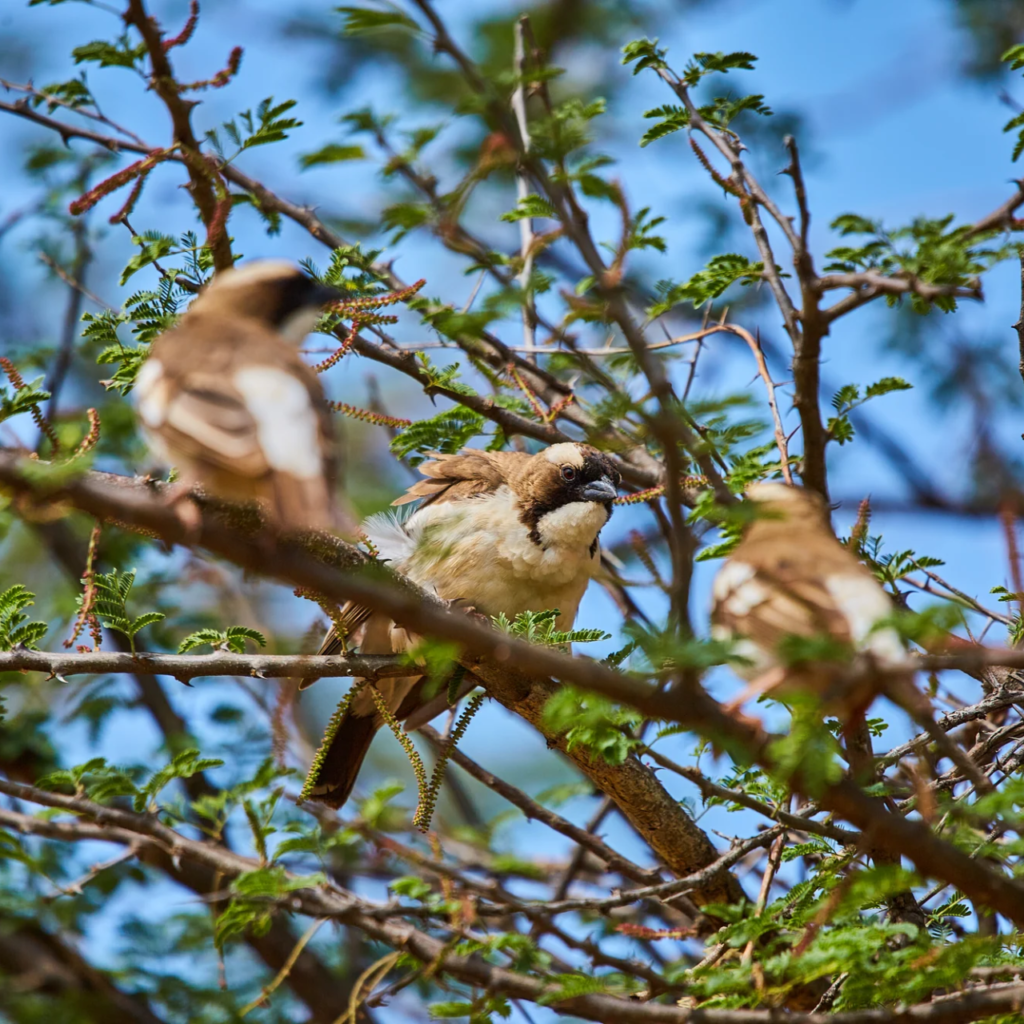
Resident birds follow their own rhythms. Many weavers, bee-eaters and sunbirds breed during or after the rains, when food is abundant. Some species are easier to see when displaying. Our guides know which species are in breeding mode and they can tell you what to expect.
Waterbirds respond to water levels. After heavy rain, temporary pools and flooded grassland attract herons, storks and ducks which spread out across the landscape. In dry months, they concentrate on permanent lakes, rivers and swamps which makes them easier to find but fewer in number across the countryside. Neither pattern is better and each rewards a different kind of trip.
Birding seasons in Uganda
Uganda has two dry periods: June to September and December to February and two wetter ones. Forest trails at Bwindi and Mgahinga are easier in the dry months, and savannah parks are good in the dry months for game. The shoebill at Mabamba Swamp can be seen throughout the year. Our guide to the best time to visit Uganda covers the weather in detail and our guide to the shoebill at Mabamba Swamp covers the canoe trip.
The wet months are green and active with breeding birds and migrants from about October. They suit birders who do not mind showers. Forest walking can be muddy, so carry waterproof shoes.
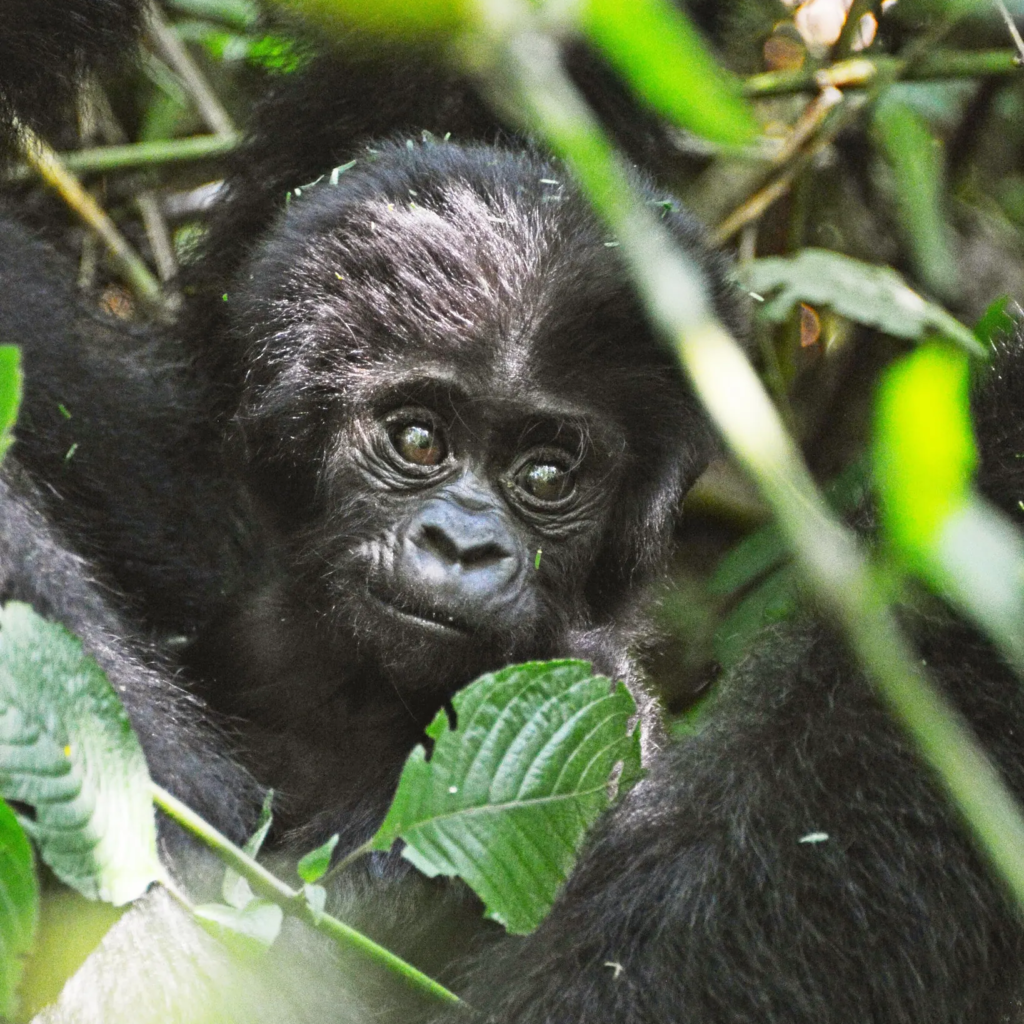
Gorilla and chimpanzee trekking is possible all year in Uganda with permits that are non-refundable and booked first. Birders who add a trek usually choose the drier months for the steep trails then plan the birding days around the permit date.
Birding seasons in Rwanda
Rwanda’s dry months are roughly June to September and December to February. Nyungwe is wet and cool in any month as it is a high rainforest, so a rain jacket is essential in all seasons. The dry months make trails easier and the drive from Kigali is smoother. The general climate guide for Rwanda covers the weather in more detail.
Akagera is best in the dry months for game. For birders, the wetlands are lively after the rains, with breeding activity and migrants from around October.
Because Rwanda is small, you can change plans easily if the weather turns. A wet morning in Nyungwe can become a drive to a drier lakeside and an early start in Akagera can make up the time. That flexibility is a quiet advantage for birders.
Birding seasons in Kenya
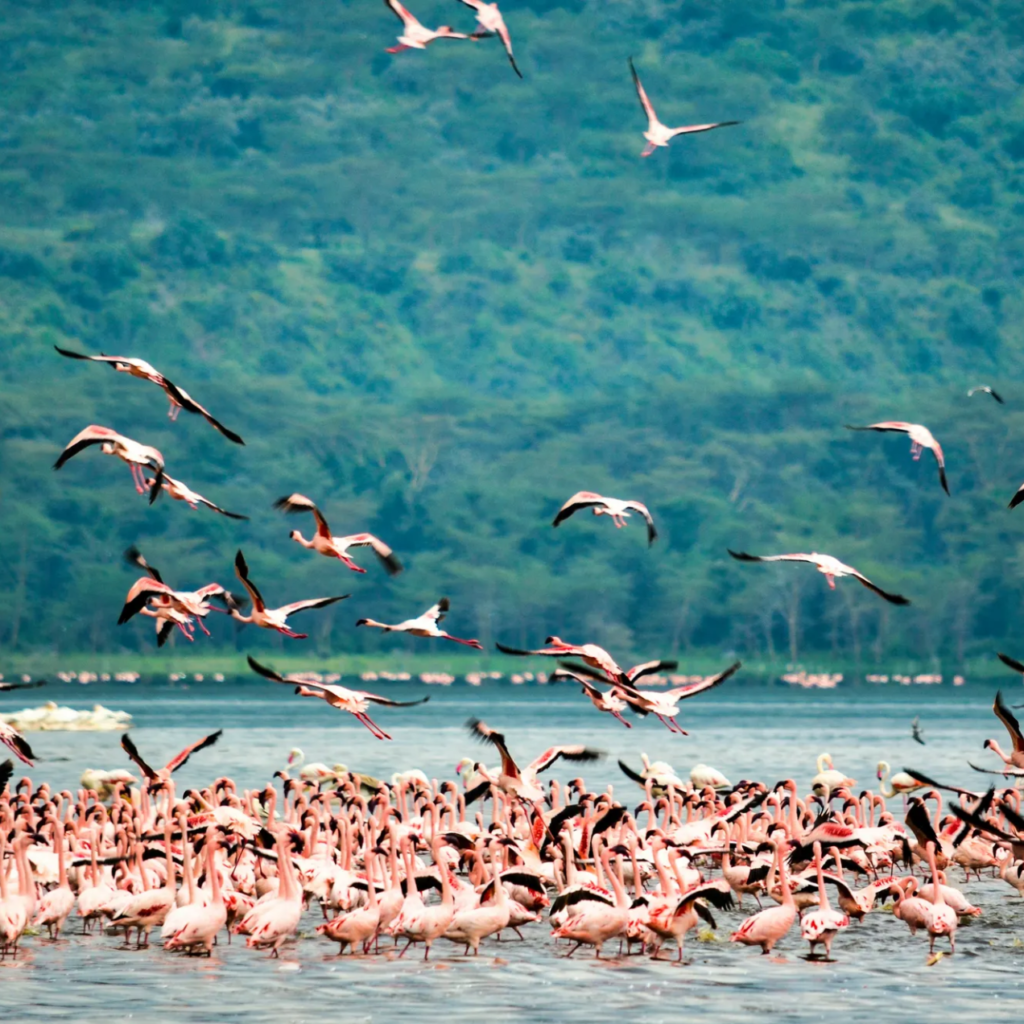
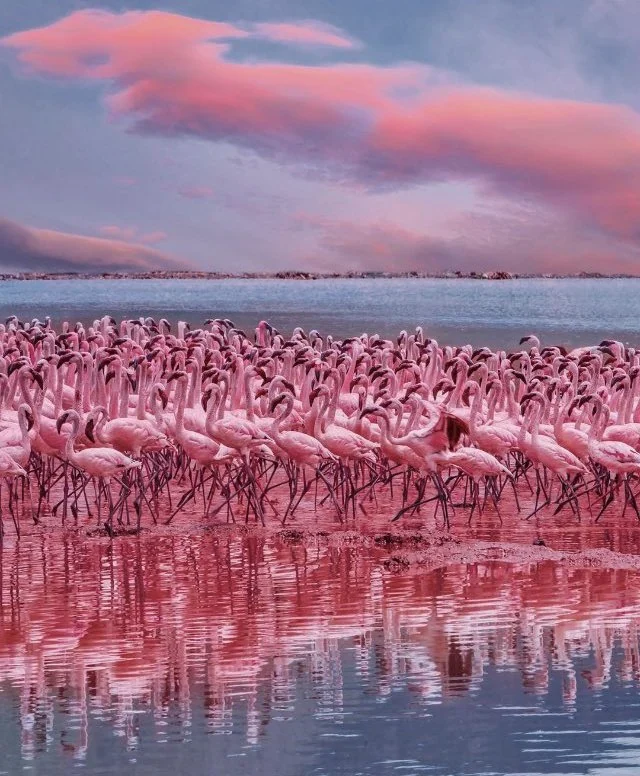
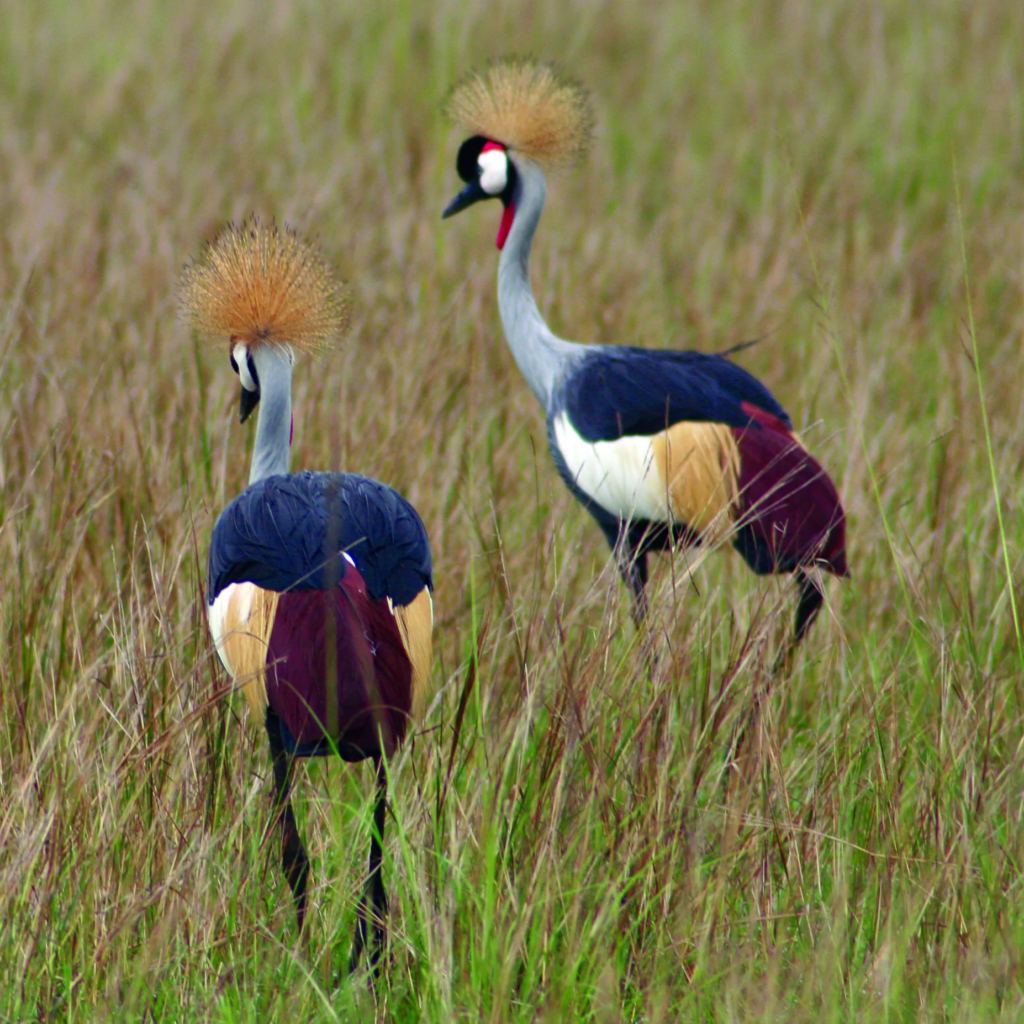
Kenya’s dry months are roughly June to October and January to February. The Rift Valley lakes change with the weather and flamingo numbers at the soda lakes vary with water levels, so ask your guide what is on the lakes. Migrants arrive from around October. The coast and lakes are busy with waders and raptors. Our guide to the best time to visit Kenya explains the seasons.
Kakamega and Arabuko Sokoke are wet forests, so birding is possible all year though paths are easier in the drier months. Samburu is dry for most of the year and its specialist birds are resident.
The coast has its own pattern with rains around April and May, and again in the later months. Arabuko Sokoke is best when the forest is not at its wettest but it is worth a visit in any month with a guide. Ask us for the latest advice when you book.
Birding seasons in Tanzania
Tanzania’s northern circuit is driest from about June to October which gives good game viewing and firm roads. The wet season: November to April brings migrants and breeding birds, with short rains in November and December and long rains in March to May. The south has a single wet season and some camps temporarily close in the wettest months. Our guide to the best time to visit Tanzania covers the details.
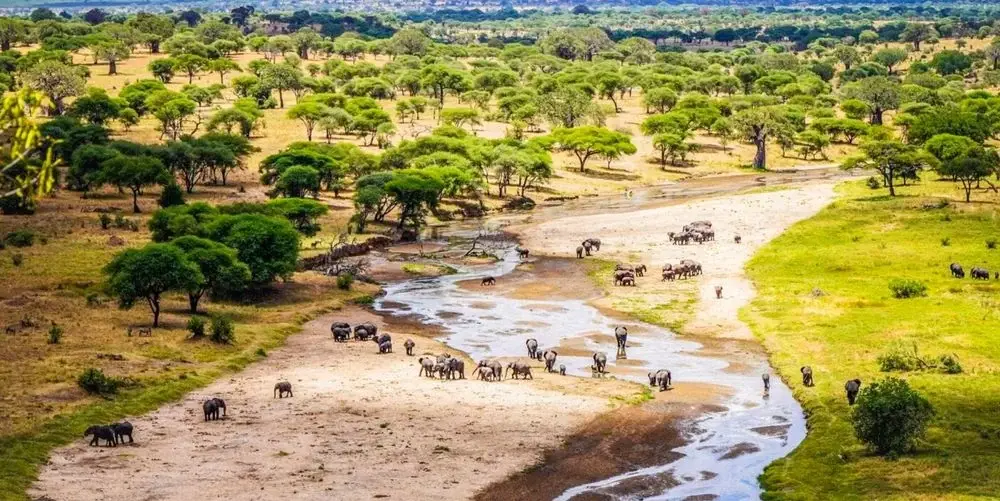
Tarangire is best for birds in the green season when migrants arrive and many species breed. The dry season is best for elephants and easy roads.
The Serengeti follows the migration of wildebeest and zebra, which affects where large raptors and scavengers gather. Birding is good in every part of the park so you can choose the area by game rather than by birds. The Usambaras and Udzungwas are wetter with mist, and the drier months make walks easier.
Practical tips for choosing your dates
Choose by priority. If a forest endemic is your goal, aim for the drier months and allow extra time. If migrants and breeding activity matters more, aim for November to March. If you prefer a quiet time, the green season has fewer visitors.
Carry binoculars, a map app, a hat, a rain jacket and waterproof shoes in any month. Ask us about conditions close to travel and build a spare half day into key sites. Tell us the species you hope to find and we plan around them, though no sighting can be guaranteed.
We start with your dates and the birds you most want then choose lodges, guides and transport around them. We explain what is fixed and what can change and our team monitors and looks after the safari from the first message to the last transfer. Browse our Uganda safaris, or tell us your plans on the Plan My Safari page.
Frequently asked questions
What is the best month for birding in East Africa?
There is no single best month. The dry months, June to September and December to February in Uganda, Rwanda and Kenya, make travel easiest. November to March adds migrants and breeding activity. Choose by the sites and species that matter most to you.
When do migratory birds arrive in East Africa?
Migrants from Europe and Asia arrive from around September and October and leave by about April. They add warblers, waders, swallows and raptors to the resident list. Timing varies with the weather each year, so we advise rather than promise specific arrivals.
Is the rainy season good for birding?
Yes, it can be. Many resident birds breed after the rains, migrants are present, and forests are green and active. The trade-off is mud, showers and harder driving. Waterproof shoes and a rain jacket make the trip comfortable.
Can I see the shoebill at any time of year?
The shoebill is present in every month at Mabamba Swamp near Entebbe, and mornings are best. Water levels and recent movements affect where birds feed, so local guide knowledge matters more than the calendar. No sighting is guaranteed.
When is the best time for birding in Kenya and Tanzania?
Both are easiest from June to October. Kenya also has a drier spell in January and February. Migrants arrive from around October, and the green season brings breeding activity. Flamingo numbers at the soda lakes vary with water levels in both countries.