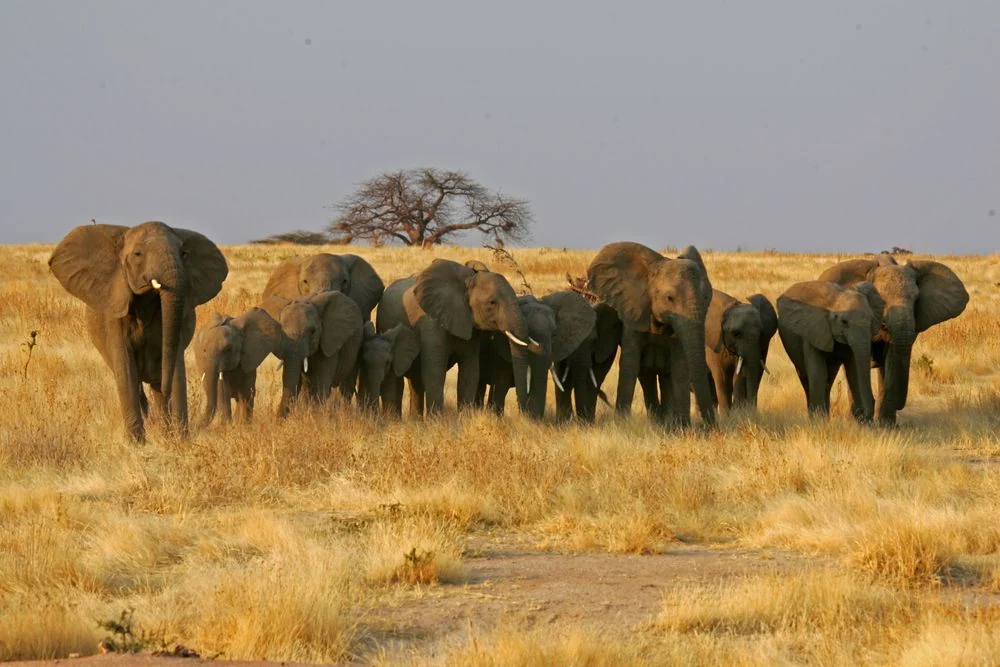
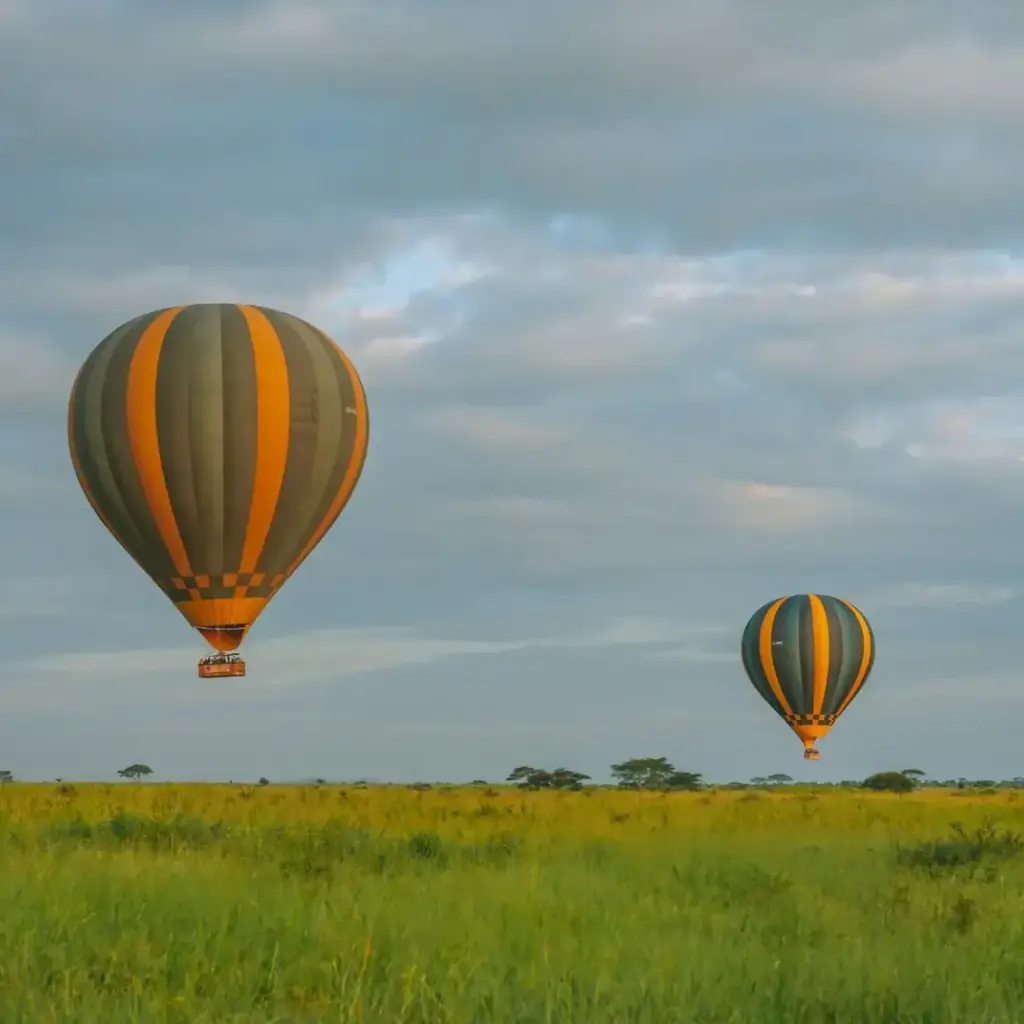
A Rwanda, Kenya and Tanzania gorilla safari links three of the best wildlife regions in East Africa on one loop: mountain gorillas in Volcanoes National Park, lions in the Masai Mara and the herds of the Serengeti. Kigali, Nairobi and Kilimanjaro are connected by regular flights and the route can be done in twelve to fourteen days. This guide shows a sample day by day plan, the order of the legs, visas, health rules and the cost drivers.
Why start with Rwanda
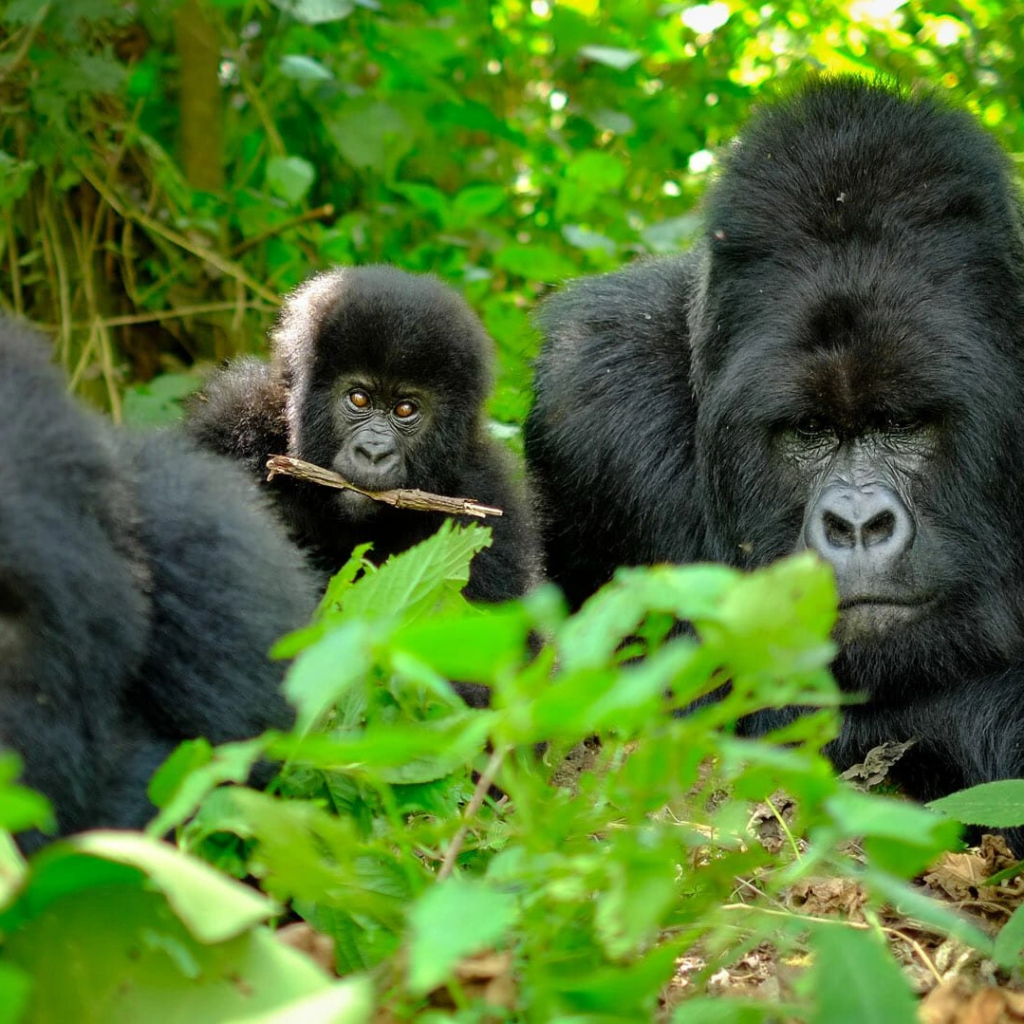
The gorilla leg is the one with the least flexibility so it makes sense to anchor the safari to it. Rwanda releases a limited number of permits each day and a fixed permit date is the first thing we confirm. The park is a short drive from Kigali so you can arrive, trek the next morning and be on a plane to Nairobi that afternoon or the following day.
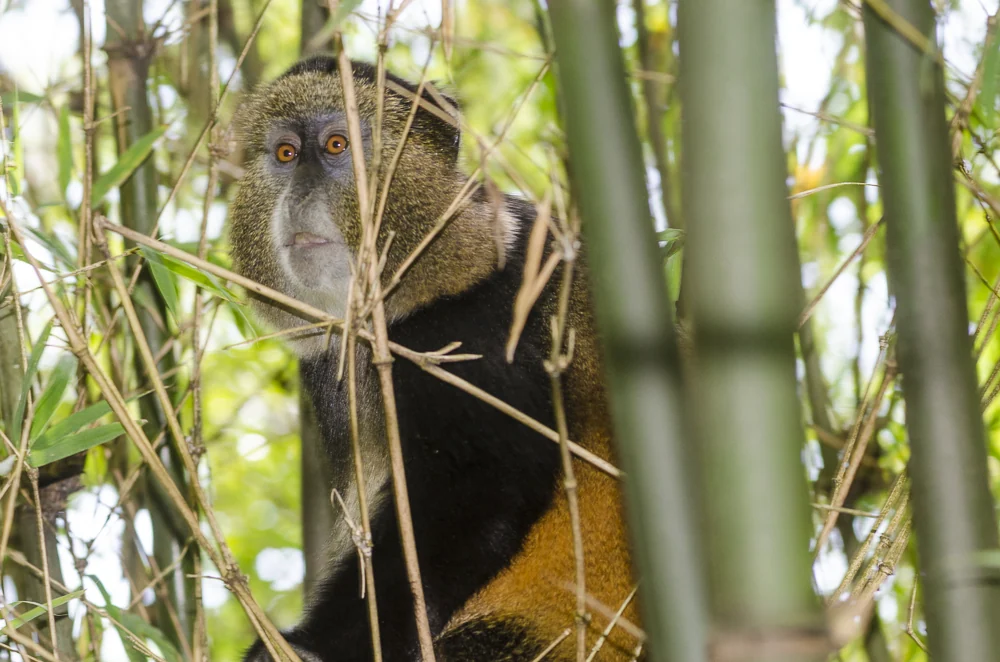
Volcanoes National Park is also a comfortable place to begin a long trip. Lodges are close to the park boundary, the roads are in good condition and the first day is spent on a short transfer rather than a long haul across a country. For the three-country version, this leaves you fresh for the longer game drives that follow. Our guide to Volcanoes National Park explains the families, the hikes and the golden monkeys.
A sample fourteen day route
This is one pattern we use, and we change it to your dates, interests and budget.
- Days 1 to 3: Arrive in Kigali, transfer to Volcanoes National Park then trek to the gorillas on day 2 with golden monkeys or a crater hike on day 3.
- Days 4 to 7: Fly from Kigali to Nairobi then a light aircraft to the Masai Mara for three nights of game drives.
- Days 8 to 11: Cross to Tanzania by air and spend three nights in the northern Serengeti or central plains.
- Days 12 to 13: Ngorongoro Crater for a night and a full morning in the crater, proceed to Arusha or Kilimanjaro.
- Day 14: Fly home from either.
A shorter twelve day version drops Ngorongoro and a longer version adds Amboseli with its views of Kilimanjaro or Tarangire with its elephants and baobabs. A route with three countries is easier when each stop is two or three nights so we resist adding a fourth park to a short trip.
Moving between the three countries
Inland flights do the work. From Kigali, you generally connect through Nairobi to reach the Mara, since the Mara airstrips are served from Wilson airport in Nairobi. Routes vary by season and airline so we check each one. From the Mara, you can cross to the Serengeti by light aircraft with a customs stop or by returning to Nairobi then flying to Kilimanjaro or Arusha. The overland crossing at Isebania is possible but slow and we rarely use it.
Expect each leg to take most of a day, once check-in, security and transfers are counted. We usually avoid a long flight and a game drive on the same day because a missed link can push the whole plan back. Luggage limits on light aircraft are tight, often fifteen to twenty kilograms in a soft bag so we confirm them before you pack.
If you prefer fewer flights, there is a different route. Fly into Nairobi first, take the Mara and Serengeti then end in Rwanda with the gorillas by flying from Kilimanjaro to Kigali through a hub. Our guide to choosing between Tanzania and Kenya helps you weigh the two plains if you can only visit one.
Permits, visas and insurance
The gorilla permit comes first. Permits are non-refundable and if you postpone the trip you must buy new ones, so please confirm your dates before we make the payment. We then book flights and camps around the permit. The minimum age for trekking is 15.
On visas, the East Africa Tourist Visa covers Uganda, Rwanda and Kenya, which is helpful for the first two legs of this route. It does not cover Tanzania so you need a separate Tanzanian visa, applied for online in most cases. Requirements depend on nationality and change so check the official immigration portals of Rwanda, Kenya and Tanzania before you book.
Tanzania (mainland) requires visitors to hold the government inbound travel insurance from 1 October 2026 and we explain how it works when we quote. You should also carry private travel insurance. Read the policy for permit cancellation, medical care, evacuation, adventure activities, pre-existing conditions and age limits. Offmap Safaris is not an insurer and cannot advise on a policy.
Health, climate and best time
Yellow fever certificate rules depend on where you travel from and through. Kenya and Tanzania can ask for a certificate from travellers arriving from a country with a risk of yellow fever and the vaccine is recommended for health in any case. Check the current rules for your own route and see a doctor or travel health clinic six to eight weeks before you travel. Malaria is present at lower altitudes including the Mara and Serengeti, though the high volcano slopes have a lower risk. Ask your doctor about prophylaxis, and use repellent and long sleeves in the evening. Offmap is not a medical provider.
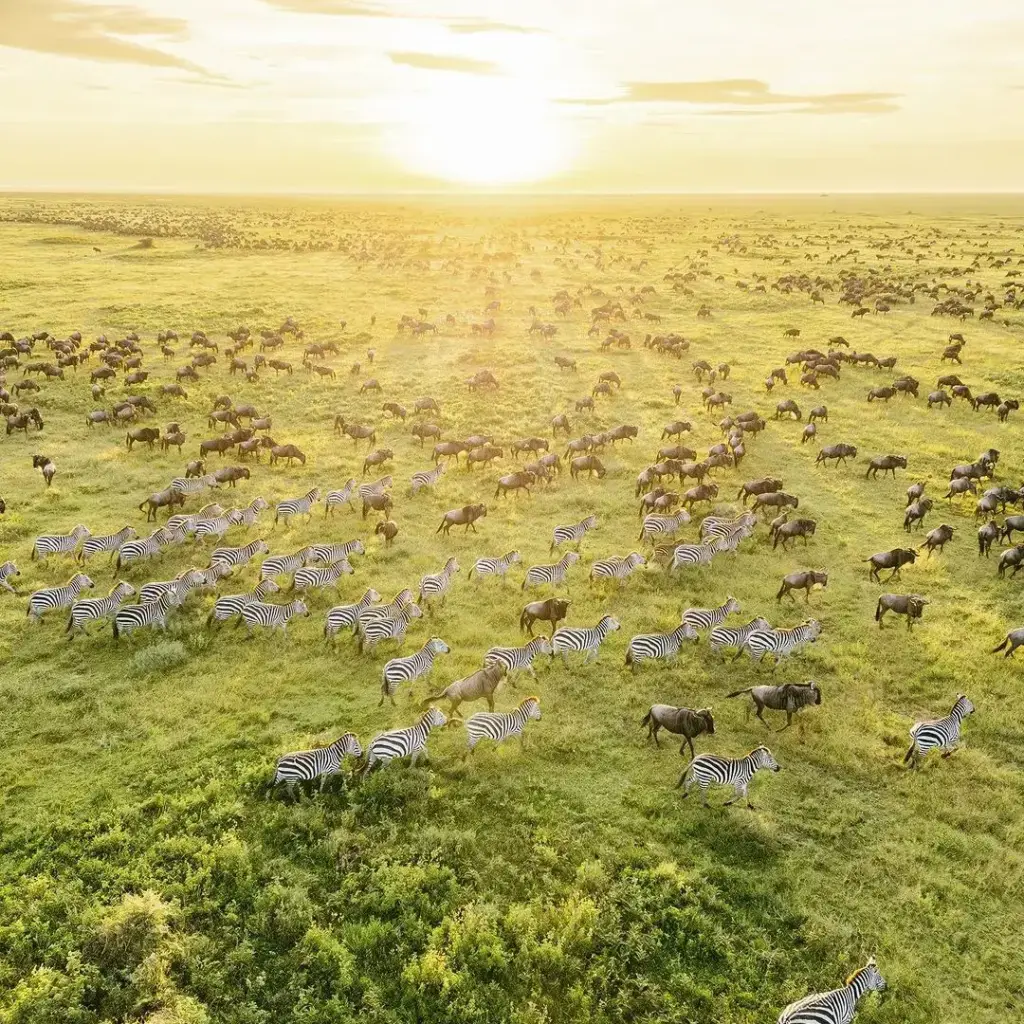
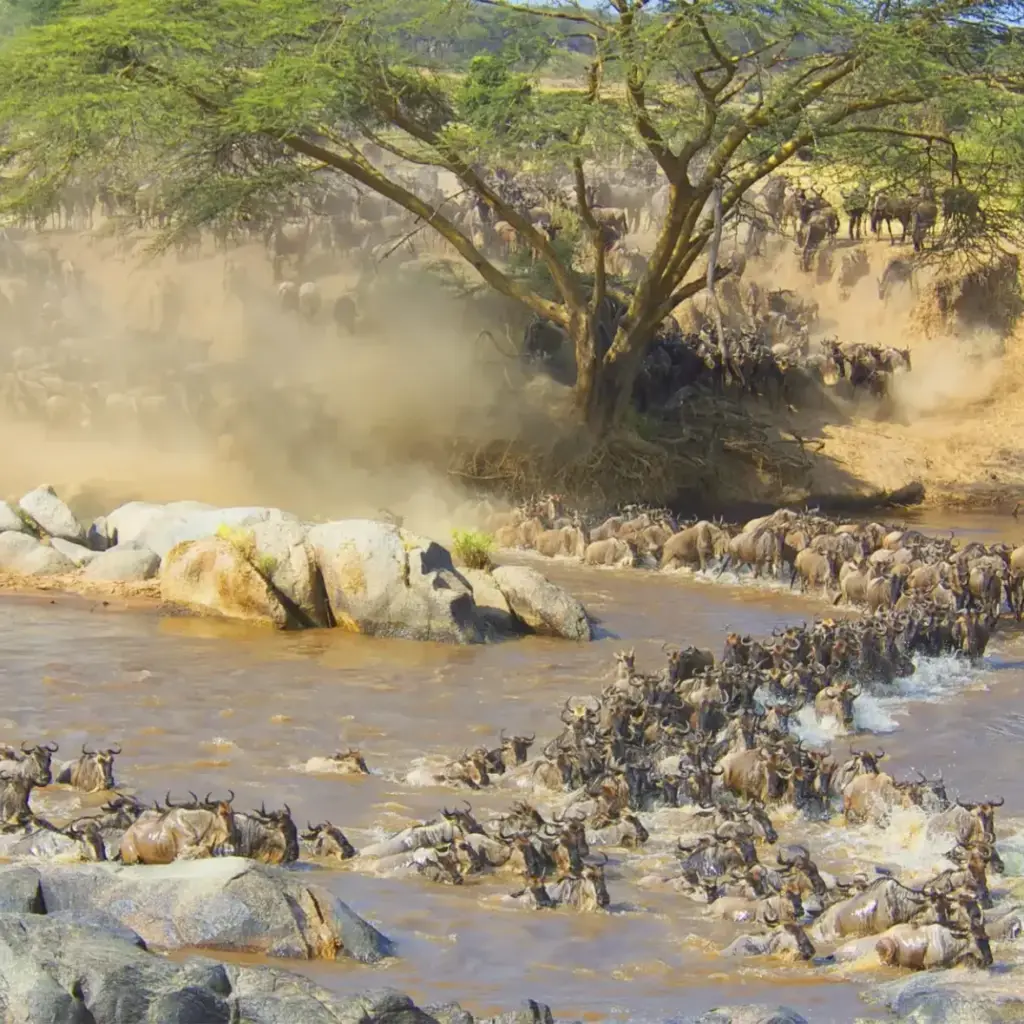
The best months overlap from June to September with firm trails in Rwanda and the river crossings in the Mara. Crossings are unpredictable and we never promise one. December to March brings greener plains with calving in the south of the Serengeti from about January to March and still, reasonable weather for the trek. April and May are the long rains with fewer visitors, lower rates and muddier trails. Our guide to the best time to visit Rwanda explains the forest side.
What drives the cost
We do not publish prices here because the total changes with the season, the tier and the flights. The main drivers are the gorilla permits, park and conservancy fees in Kenya and Tanzania, the number of light aircraft legs, the lodge tier and whether the vehicle is private. Please check current rates with us. Quotes are in US dollars with no VAT and they show exactly what is and is not included.
Mid-range camps give a comfortable trip at a fair level. Luxury camps add private decks, spa tents and smaller numbers which suits couples and special occasions. A mix is common with a luxury camp in the Mara and mid-range lodges elsewhere. We can quote two tiers side by side so you see the difference in lodges, vehicles and flights.
Practical tips for the three-country route
Pack in layers. The volcano slopes are cool and wet, the plains are hot by day and cold at dawn and Ngorongoro Crater rim can be chilly. Bring waterproof layers and boots for the trek, neutral clothes for game drives, a hat, sunscreen and a warm top. A soft bag, a small daypack and a dust cover for the camera are more useful than a hard suitcase.
Keep your permit confirmation, passports, visas and insurance documents in your hand luggage. Allow a margin at the end of the trip and tell us about any health or fitness concerns before booking the trek. Do not schedule a hard hike and a long flight on the same day and allow at least two nights in each stop so that you can rest. Ask for a clear list of every flight, transfer and rest day.
If you want a ready-made starting point, our 14 day plains and primates safari follows this kind of loop and we adapt the order to start or finish in Rwanda.
We start with your dates and your permit day, then choose lodges, guides, flights and transfers around it. We explain what is fixed and what can change and our team monitors and looks after the trip from the first message to the last transfer. Browse our Rwanda safaris, or tell us your plans on the Plan My Safari page.
Frequently asked questions
How many days do I need for Rwanda, Kenya and Tanzania?
Twelve days is the minimum and feels full. Fourteen days is comfortable, with two or three nights in each stop and a rest day after the trek. Longer trips can add Amboseli, Tarangire or Akagera. We give the real travel times before you decide.
Can I fly from Kigali to the Masai Mara?
Not directly. Most travellers fly Kigali to Nairobi, then take a light aircraft from Wilson airport to a Mara airstrip. Routes vary by airline and season, so check before booking. We plan the connection so that you do not lose a full day.
Do I need two visas for this trip?
Probably. The East Africa Tourist Visa covers Uganda, Rwanda and Kenya but not Tanzania, so you need a separate Tanzanian visa. Rules depend on nationality and change. Check the official immigration portals of each country before you book.
Should I do the gorillas first or last?
Gorillas first suits a fixed permit date and puts the hardest day early. Gorillas last lets you warm up on game drives and rest in Kigali at the end. Either works, and we choose by permit date, the migration and your fitness.
Are gorilla permits refundable if my plans change?
No. Gorilla permits are non-refundable, and if you postpone you must buy new ones. Confirm your dates before paying, buy the permit first and consider insurance that covers permit cancellation. Read the policy carefully. The minimum trekking age is 15.