Uganda has recorded 1,073 bird species within a country roughly the size of the United Kingdom: around 50% of Africa’s total bird diversity and 11% of all bird species on Earth, concentrated into an unusually small area. That density, more than the headline number alone, is what makes Uganda one of the world’s genuinely great birding destinations.
Key facts
- 1,073 recorded species: roughly 50% of Africa’s bird species and 11% of the world’s
- Bwindi Impenetrable National Park has been rated Africa’s number one birding site by the African Bird Club
- Mabamba Bay Wetland, on Lake Victoria near Entebbe, is the single best place in Uganda to see the shoebill
- The Royal Mile in Budongo Forest is widely regarded as Uganda’s best forest birding trail
- Uganda holds a small number of near-endemic species, including the Karamoja Apalis
Top birding sites
Mabamba Bay Wetland: the premier shoebill site in East Africa, reached by a short boat ride from Entebbe, and often combined with an arrival or departure day. Bwindi Impenetrable National Park: exceptional Albertine Rift forest birding alongside its gorilla trekking, with species such as the African green broadbill and Rwenzori turaco. Budongo Forest (near Murchison Falls); the Royal Mile trail is a classic for the green-breasted pitta and a long list of forest specials. Semuliki National Park: Uganda’s outpost of true Central African lowland forest birds found nowhere else in the country. Queen Elizabeth National Park and Kidepo Valley National Park: strong savanna and wetland birding alongside the main wildlife draws. Lake Mburo National Park: easy, accessible birding close to Kampala.
Star species
The shoebill, an enormous, prehistoric-looking stork found in Uganda’s papyrus swamps, tops most birders’ lists, alongside the green-breasted pitta, Rwenzori turaco, African green broadbill and the Karamoja Apalis.
When to go
Birding is good year-round, since Uganda’s forest species don’t migrate with the seasons, though November to April adds a wave of Palearctic migrants to the resident list, broadening what’s possible on any single safari.
Why Uganda is a world-class birding destination
Uganda has more than a thousand bird species in a country about the size of the United Kingdom, from papyrus swamps to rainforest, savanna and mountain slopes. The variety makes it one of the most rewarding birding countries in Africa, and it is also one of the easiest to combine with gorillas, chimpanzees and big game.
Mabamba Swamp and the shoebill
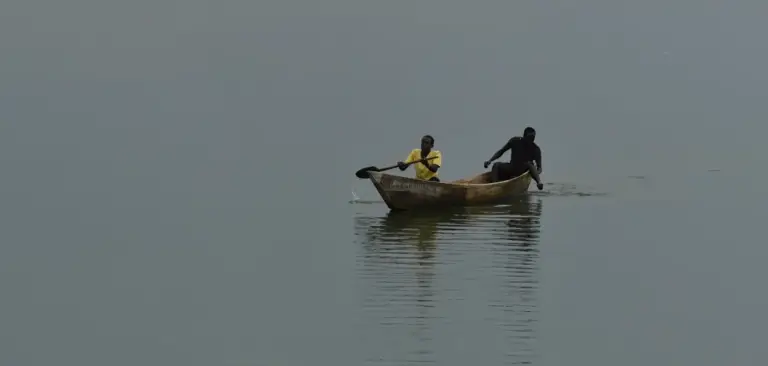
Mabamba Swamp, close to Entebbe, is the most reliable place in Africa to see a shoebill. You travel by canoe through channels of papyrus with a local guide, and the huge bird often stands motionless nearby. Early morning trips give the best light and the best chance, and it is an easy first or last day of a Uganda trip. See our key birds guide.
Forest birding: Kibale, Bwindi, Semuliki
Kibale offers great blue turacos, green-breasted pittas in season and many forest species, with chimpanzees as a bonus. Bwindi and Ruhija are the best places for Albertine Rift endemics. Semuliki National Park, on the Congo border, adds lowland forest birds found nowhere else in Uganda, including hornbills, flycatchers and the African green broadbill.
Savanna and lake birding
Queen Elizabeth National Park offers a huge bird list, with the Kazinga Channel and Lake George holding waterbirds and raptors. Murchison Falls combines Nile birds, the shoebill and savanna species. Lake Mburo adds species such as the red-faced barbet and the African finfoot. Kidepo in the far north has dry-country birds found nowhere else in Uganda.
Birding and gorilla safaris combined
A birding safari and a gorilla safari fit well together. Bwindi gives both gorillas and endemics, and Kibale gives chimpanzees and forest birds. We arrange early starts for birders and flexible plans for non-birders, and our guides can adjust the pace to suit mixed groups. See our birding safaris page.
Birding by season in Uganda
Uganda is good for birding all year. The drier months, roughly June to September and December to February, are easiest for forest walks and roads. The wetter months bring lush vegetation and breeding birds, and from roughly November to April, European and Asian migrants add to the species lists. We set the route to match the birds you want most.
Birding guides, hides and logistics
Local birding guides know calls, territories and the best times for each site, and they are worth far more than any app. We arrange early starts, picnic breakfasts, canoe trips in the swamps and walking time in the forests. Bring binoculars, a field guide, a waterproof layer and comfortable boots. See our Uganda safaris page for ready routes.
Uganda birding checklist: the species to look for
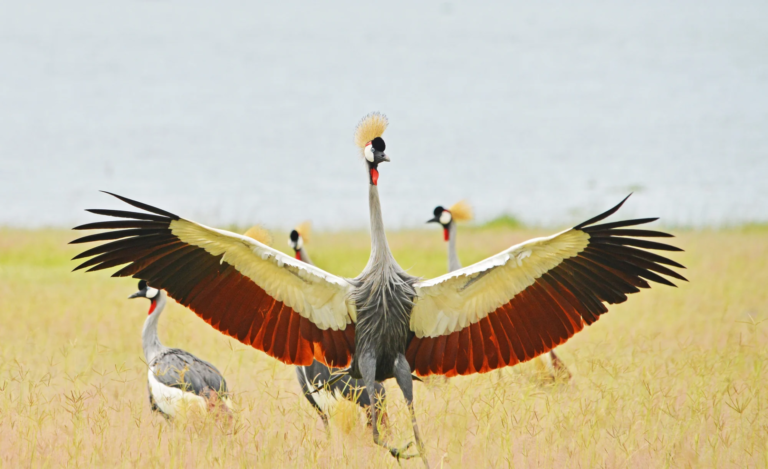
Top targets for most visitors are the shoebill, the great blue turaco, the grey crowned crane, the African fish eagle and the African green broadbill. Serious birders also look for Albertine Rift endemics in Bwindi and Ruhija, forest specialists in Semuliki and Kibale and dry-country birds in Kidepo. A good guide will help you build a target list based on your experience and the sites you visit.
Sample 10 day Uganda birding route
Start with the shoebill at Mabamba Swamp near Entebbe, then travel to Murchison Falls for the Nile delta and savanna birds. Move to Kibale for forest birds and chimpanzees, continue to Queen Elizabeth for the Kazinga Channel and Ishasha, then finish in Bwindi or Ruhija for Albertine Rift endemics and gorillas. The route covers swamp, forest, savanna and mountain habitats and gives a species list of several hundred.
Planning a birding safari in Uganda
Plan eight to ten days to combine forest, wetland and savanna birding, with a specialist guide and early starts. Shoebill trips, Bwindi endemics and the Albertine Rift species are the headline targets. Combine with mountain gorillas and chimpanzees for a complete trip.
Plan your Uganda birding safari
Birding can be a dedicated specialist safari or woven into a wider wildlife and gorilla trekking itinerary. Visit Plan My African Safari, message us on WhatsApp at +256 701 243 304, or email [email protected], or see our wider Birding Safaris page for bookable itineraries.