
Learning to kayak on the Nile
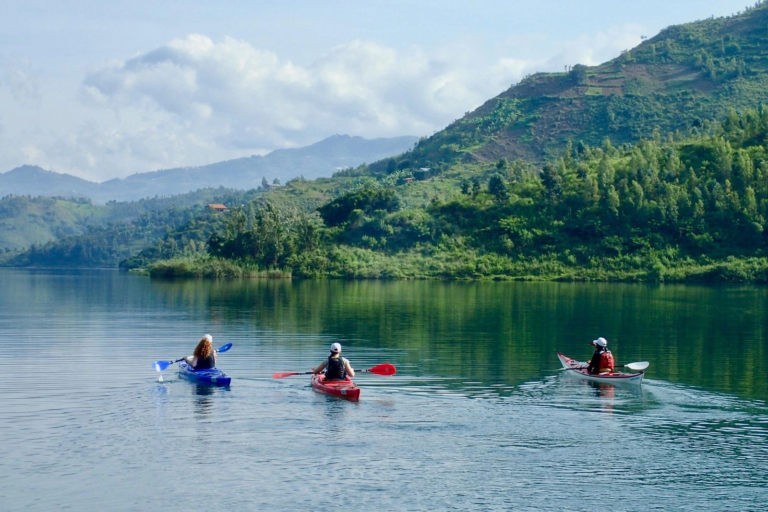
Several operators around Jinja run beginner kayaking courses that start on flat water before progressing to small, controlled rapids as skills develop, typically over one to several days depending on how far a participant wants to progress. These courses cover the fundamentals: paddle strokes, how to read moving water, and the roll, the technique for righting an upturned kayak without exiting it, which is the single skill that separates a confident whitewater kayaker from a nervous one.
Whitewater kayaking for experienced paddlers
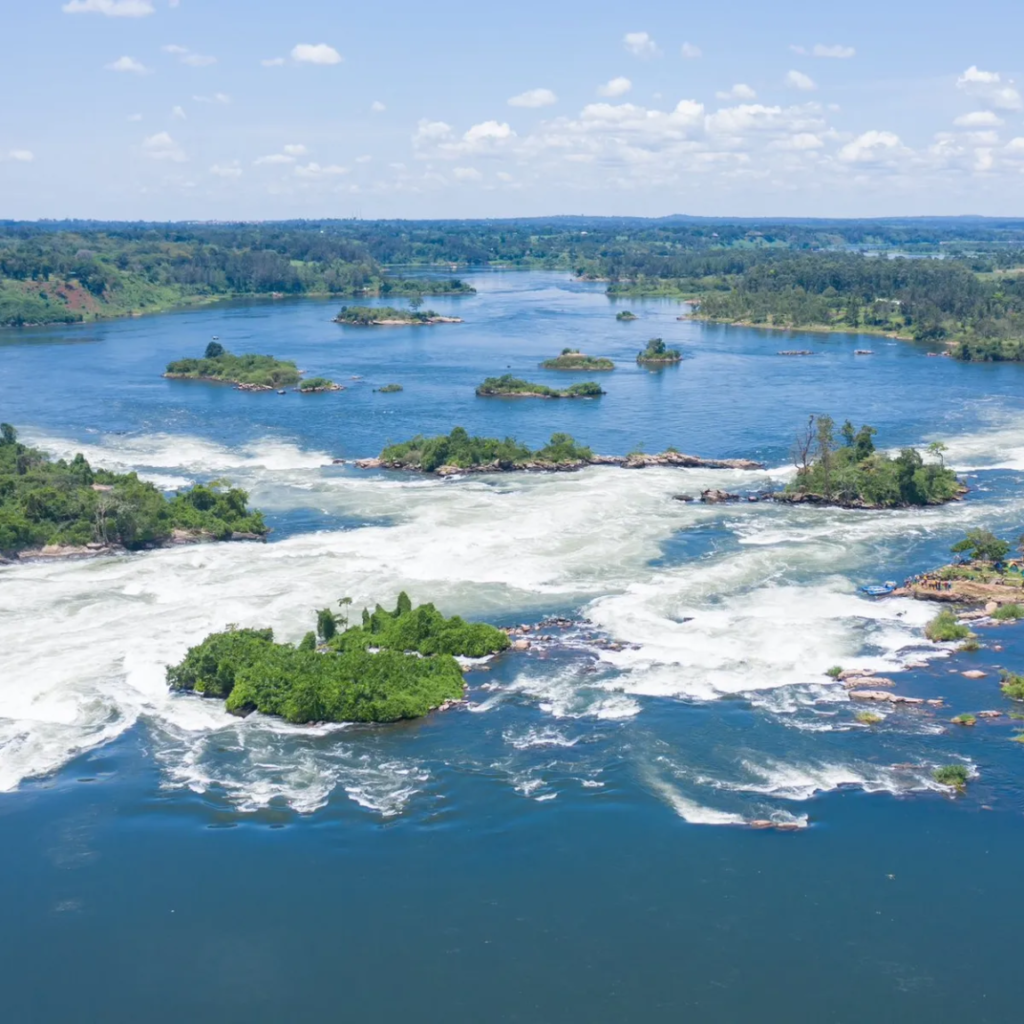
For paddlers who already kayak, the same stretch of river used for rafting, including named rapids below Bujagali Falls, offers genuine grade 3 to 5 whitewater in a single kayak rather than a raft. This is a serious step up from guided rafting, demanding real paddling competence and ideally some prior whitewater kayaking experience, and it is usually arranged with a specialist kayak school or guide rather than a general rafting operator.
Safety kayaking and support roles
Kayaks play a second role on the river beyond recreational paddling: safety kayakers accompany every rafting group, positioned to reach swimmers quickly if a raft flips on one of the bigger rapids. Some visiting kayakers with strong existing skills volunteer or train informally alongside these safety teams during a longer stay in Jinja, gaining a different perspective on the same rapids they might otherwise raft.
Equipment and personal gear
Reputable schools supply a properly fitted kayak, spray skirt, paddle, helmet and buoyancy aid for every session, adjusted to a paddler’s size and experience level rather than issued generically. Visiting paddlers with their own preferred kayak or paddle are welcome to bring them, subject to airline transport limits, though most beginners find the supplied equipment perfectly adequate for a first introduction to the sport.
Calmer paddling options
Not all kayaking around Jinja involves whitewater. Flatwater stretches near the Source of the Nile, where the river leaves Lake Victoria, and sections of open lake nearby offer a gentler paddle suited to families or anyone who wants time on the water without rapids, often combined with birdwatching along the shoreline.
Multi-day kayak progression courses
Paddlers with more time available can work through a structured multi-day progression, adding a new skill or a slightly harder rapid each day rather than attempting everything in a single session. This approach suits anyone serious about leaving Jinja as a competent whitewater kayaker rather than someone who has simply tried the activity once, and instructors will typically recommend a pace based on how quickly a given paddler picks up the roll and basic river-reading skills.
What a kayaking day involves
A beginner day typically starts with dry-land instruction on paddle grip and the wet exit, the safe way to leave an upturned kayak, before moving into shallow water to practise. Progression to small rapids happens only once an instructor is satisfied with basic control, and groups are kept small so instructors can give individual attention. Equipment, including kayak, paddle, helmet and buoyancy aid, is supplied throughout.
Fitness and safety notes
- Reasonable swimming ability and comfort being submerged briefly are essential, given the roll technique involves controlled upside-down time
- Helmets and buoyancy aids are mandatory on any moving-water session
- Beginner courses are physically demanding on the shoulders and core; expect some muscle soreness after a first full day
- Experienced paddlers should bring or confirm access to a properly fitted whitewater kayak rather than assuming general equipment will suffice on the harder rapids
Combining kayaking with a wider stay
Jinja’s kayaking scene sits alongside rafting, bungee jumping and quad biking on the same stretch of river, so a multi-day stay can mix a kayaking course with gentler activities on alternate days. Many visitors treat a few days of kayak instruction as the centrepiece of a Jinja stay, with rafting or a boat cruise added around it.
Choosing an instructor or guide
Given the genuine risk involved in whitewater paddling, choosing an instructor or guide with recognised kayak coaching credentials and a track record specifically on the Jinja stretch of the Nile matters more here than for most beginner-friendly activities. A good instructor adjusts pace to the individual paddler rather than pushing a fixed group schedule, particularly important for anyone learning the roll for the first time under real river conditions rather than a swimming pool.
Progression and confidence on the water
Kayaking on the Nile is taught in stages. Beginners start on calm water to learn the paddle stroke, the wet exit and how to read the current. Once confident, they move to gentle rapids with a guide beside them. Experienced paddlers can run harder sections or practice playboating at known waves.
Instruction is clear and patient, and nobody runs a rapid before they are ready.
Gear, fitness and clothing
A helmet, buoyancy aid and spray skirt are essential and operators supply them. Wear a rash vest or quick drying top, shorts, and shoes that can get wet. Sun protection matters on the river. Bring a hat, sunglasses with a strap and waterproof sunscreen.
Good shoulder and core strength make long days easier. Rest days between paddling days help muscles recover.
If you are travelling with a non paddling partner, many operators offer a boat or a riverbank seat so they can follow the day. Evenings are for stretching, a meal by the river and an early night before the next session.
Planning your kayaking days
Tell us your paddling experience, whether you are starting from scratch or already comfortable in a whitewater kayak, and how many days you would like to spend on the water, and we will match you with the right course or guide in Jinja.