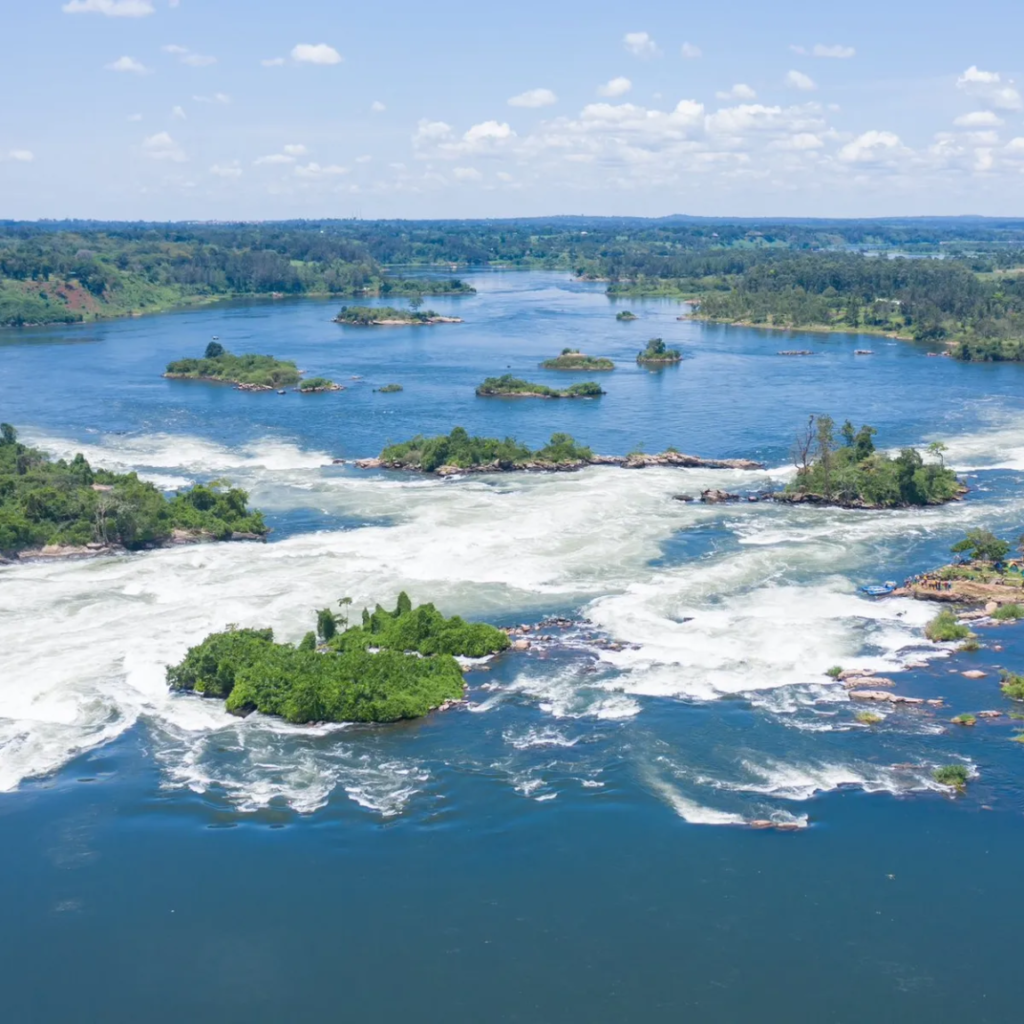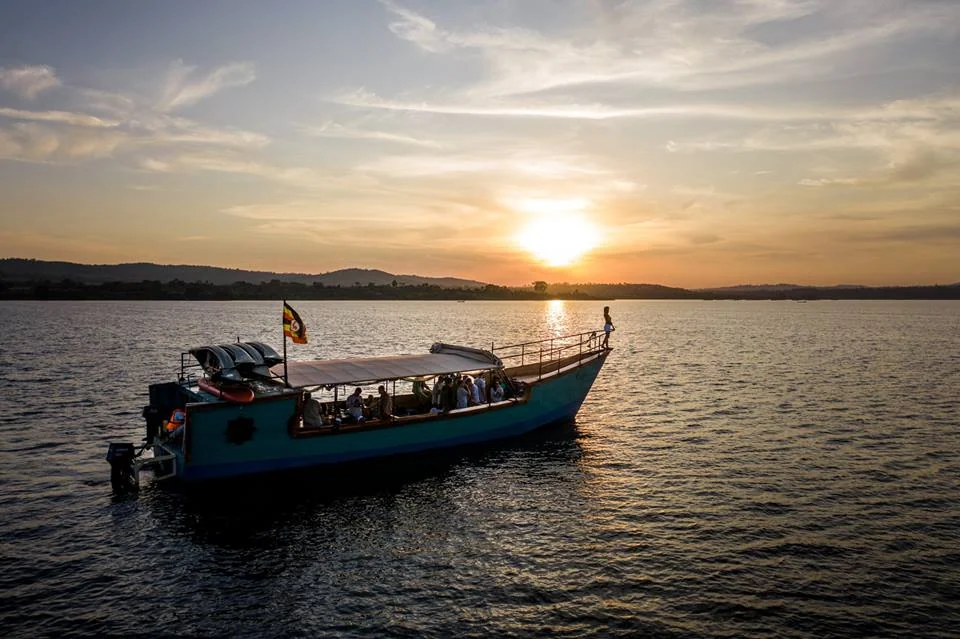
Kalangala is the name of a district, a small island town and, for most Ugandans, a feeling: the feeling of leaving Kampala behind for a weekend of water, sky and slow days. The district is made up entirely of the Ssese Islands, an archipelago of 84 islands scattered across the north-western corner of Lake Victoria. There is not a metre of mainland in it. Everything in Kalangala, from the ferry to the fish supper, arrives by water.
For a traveller on a safari through Uganda, the islands are the perfect counterweight to the gorilla forests and savannah parks. You will not find lions here. You will find white-sand beaches, forest trails alive with hornbills and monkeys, fishing villages where canoes are still carved by hand, and a landscape that Baganda tradition calls the Islands of the Gods.
The archipelago at a glance
The Ssese Islands sit in two main groups, divided by the Koome Channel. The south-western group takes its name from Bugala Island, by far the largest, at over 40 kilometres long and making up more than half of the archipelago’s land. Kalangala town, the district headquarters, is on Bugala, roughly 51 kilometres across the water from Entebbe. The north-eastern group is named for Koome Island. About half of the 84 islands are inhabited; many of the rest are simply forest, rock and birds.
Almost everything a visitor does happens on Bugala, because it has the roads, the beach lodges and the ferry landings. The smaller islands, such as Bubembe, Bukasa, Koome and Banda, are reached by boat and reward those who want something quieter and less developed.
The Islands of the Gods
Long before it was a weekend destination, Ssese was one of the most important spiritual centres of the region. The Bassese, the Bantu-speaking people of the islands, are closely related to the Baganda and the Basoga. According to some oral traditions of Buganda, Kintu, the founder of the kingdom, arrived by way of these islands. In the days of the kabakas, the kings of Buganda travelled here to pay tribute to the balubaale, the great spirits, whose main shrines were on the islands.
- Mukasa, the spirit of Lake Victoria, is associated with Bubembe Island.
- Musisi, spirit of earthquakes, and Wanema, associated with physical disabilities, have shrines on Bukasa Island.
The explorer Henry Morton Stanley wrote that the islanders were the principal canoe builders and the greater number of the sailors of Mutesa’s empire. Today the shrines are quiet, and the spiritual heritage is best approached the way you would approach any sacred place: with a local guide, with respect, and without expectations of spectacle. Ask us to arrange a visit through a community guide who can explain what you are seeing.
What to do
Beaches and lake time
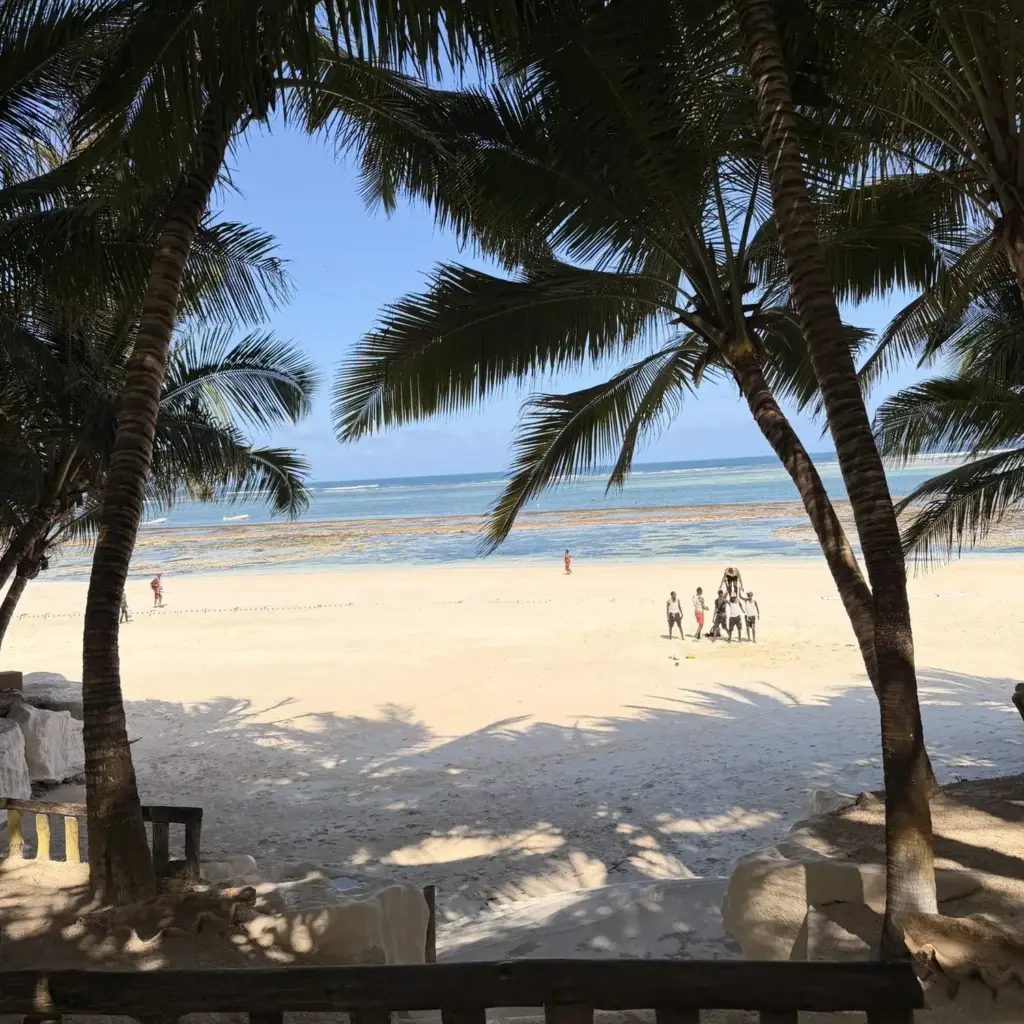
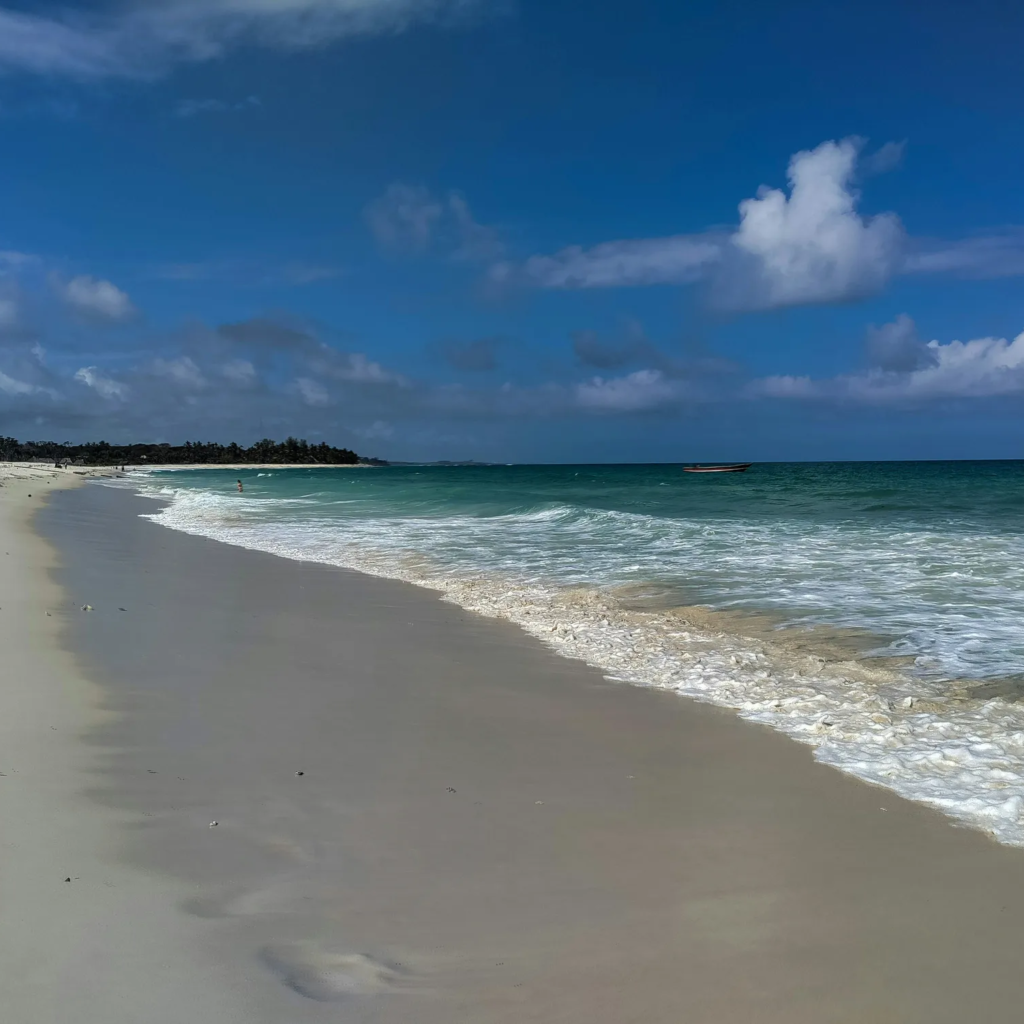
The beaches along Bugala’s bays are the reason most people come. Days here follow a gentle rhythm: a late breakfast, a walk along the sand, a boat ride, a long lunch of fresh fish, and a sunset that turns the lake copper and pink. It is a place to do less and notice more.
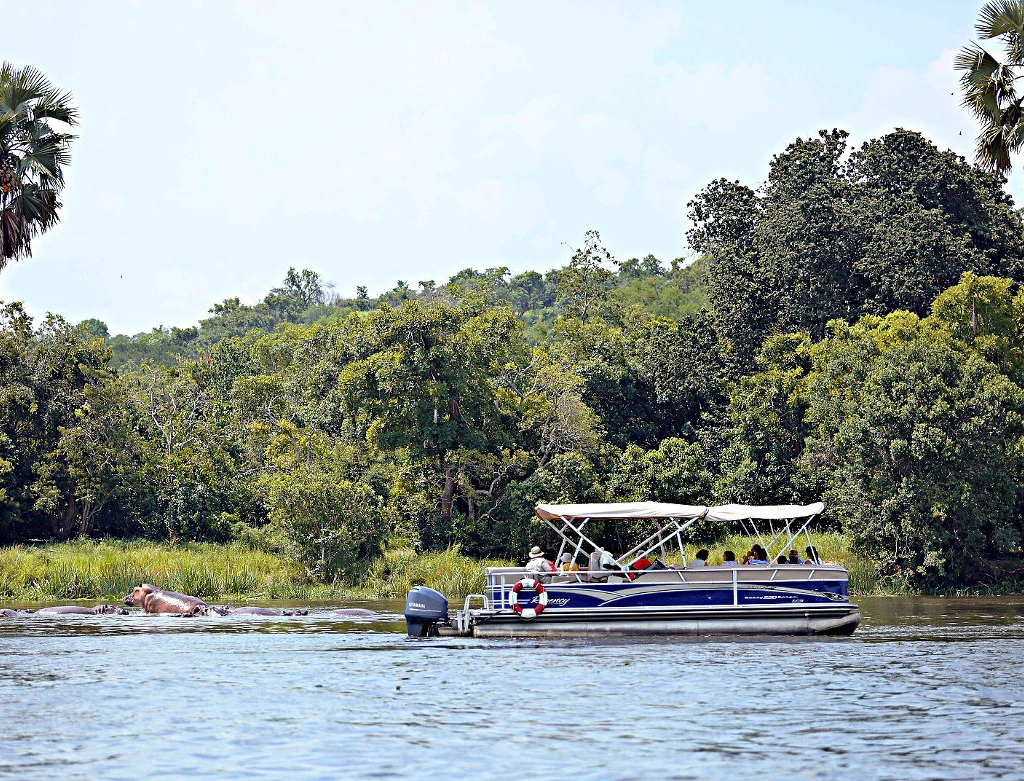
A word about swimming. Lake Victoria is beautiful, but it is not a swimming pool. The lake carries bilharzia (schistosomiasis), and hippos and Nile crocodiles live around some of the islands. Swim only where your lodge or guide says it is safe, which is usually a specific, managed beach, and never at dawn, dusk or at the edge of reeds.
Boat cruises and canoe rides
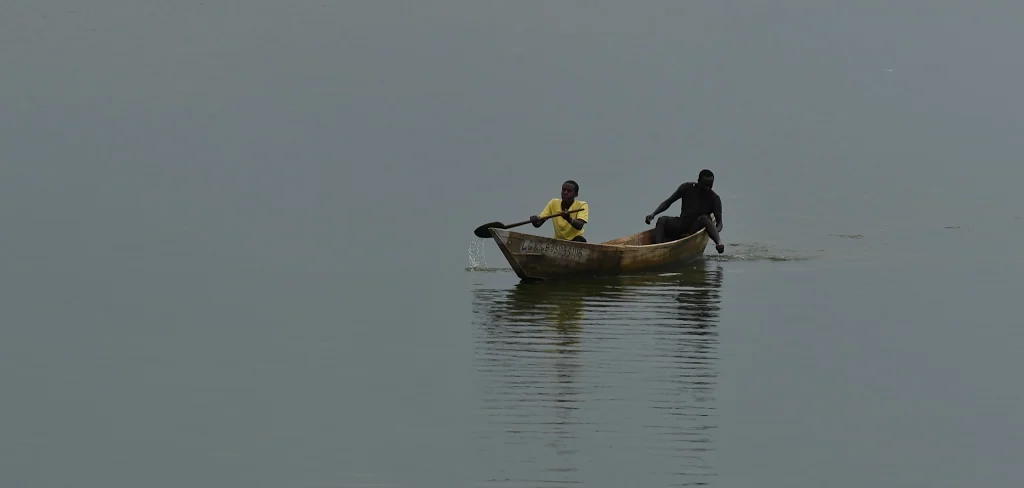
Wooden canoes and motor launches can be hired for sunrise paddles, sunset cruises and crossings between islands. A cruise is the best way to see the birds of the shoreline and the shape of the archipelago. Always ask for a life jacket and choose licensed operators, since small overloaded boats and sudden lake storms are a genuine risk.
Forest walks and wildlife
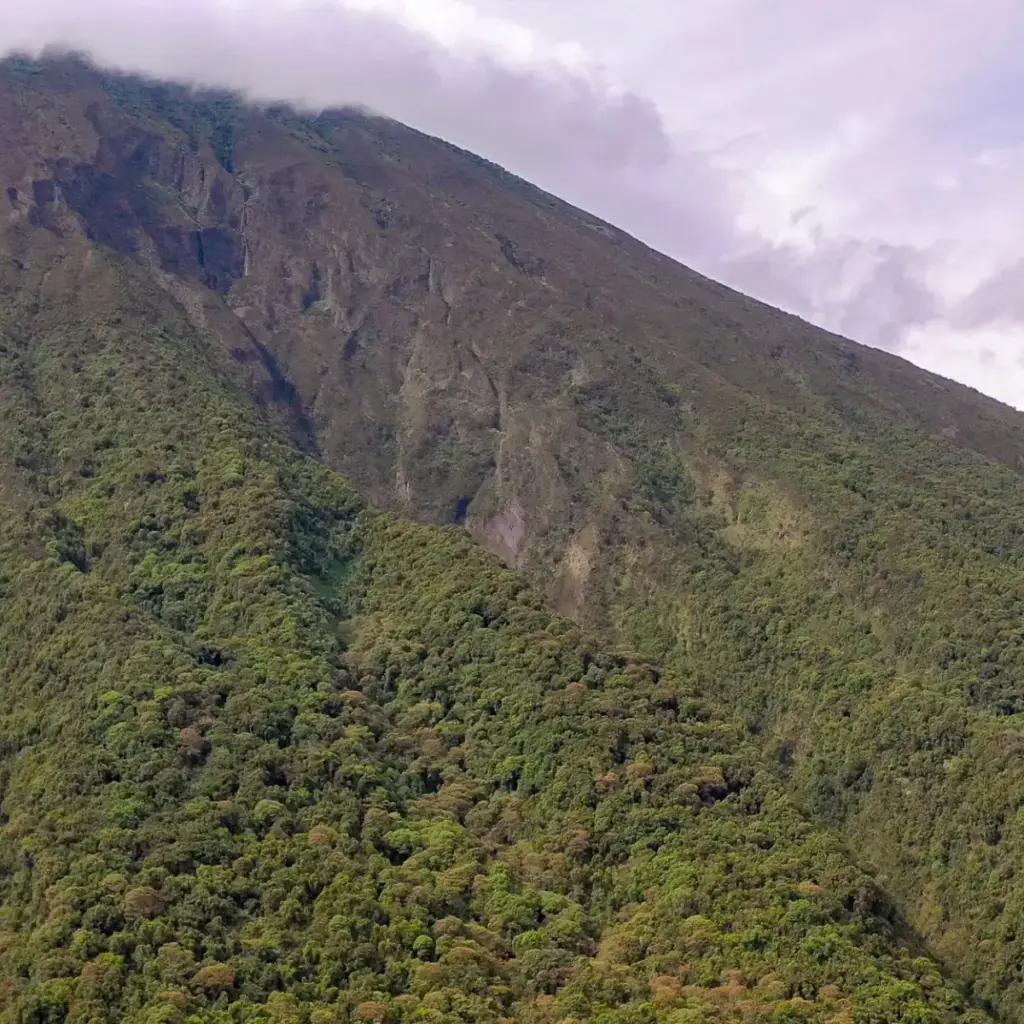
Bugala keeps patches of tropical forest, and because the island was cut off from the mainland long ago, it has evolved a few species of its own: an endemic creek rat and three endemic butterflies are recorded. The animal you are most likely to meet is the vervet monkey, especially around Lutoboka and Kalangala. Bushbuck and black-and-white colobus monkeys live here too, though they are seldom seen.
Birdwatching
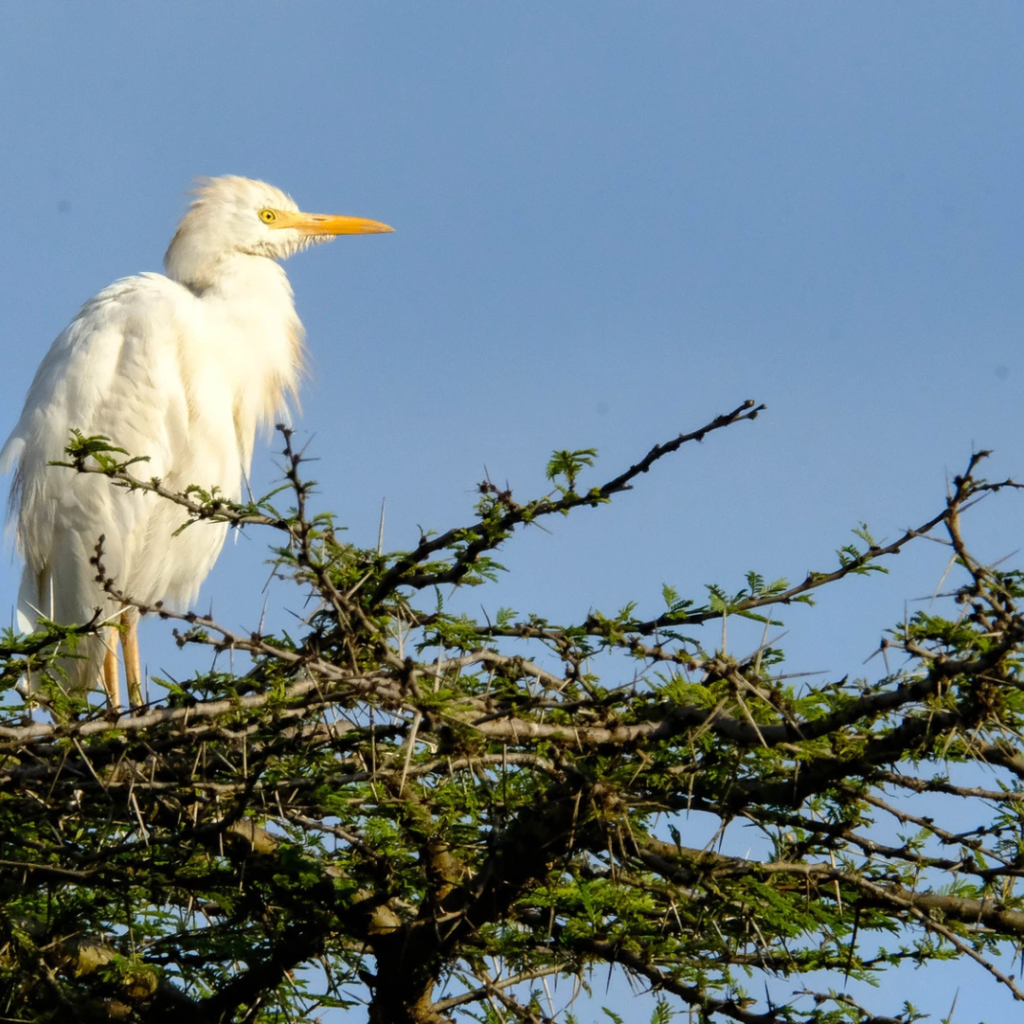
Birdlife is prolific. Forest species include hornbills, barbets, turacos, robin-chats, flycatchers and weavers, and three of the easiest to enjoy are the jewel-like pygmy kingfisher, the brown-throated wattle-eye and the paradise flycatcher. On the water, African fish eagles and palm-nut vultures are regular sights, and large breeding colonies of little egrets and great cormorants gather in bays such as Lutoboka. The Ssese Islands make a fine add-on for a birding safari, and can be paired with the shoebill at Mabamba Swamp on the mainland.
Fishing and fishing villages
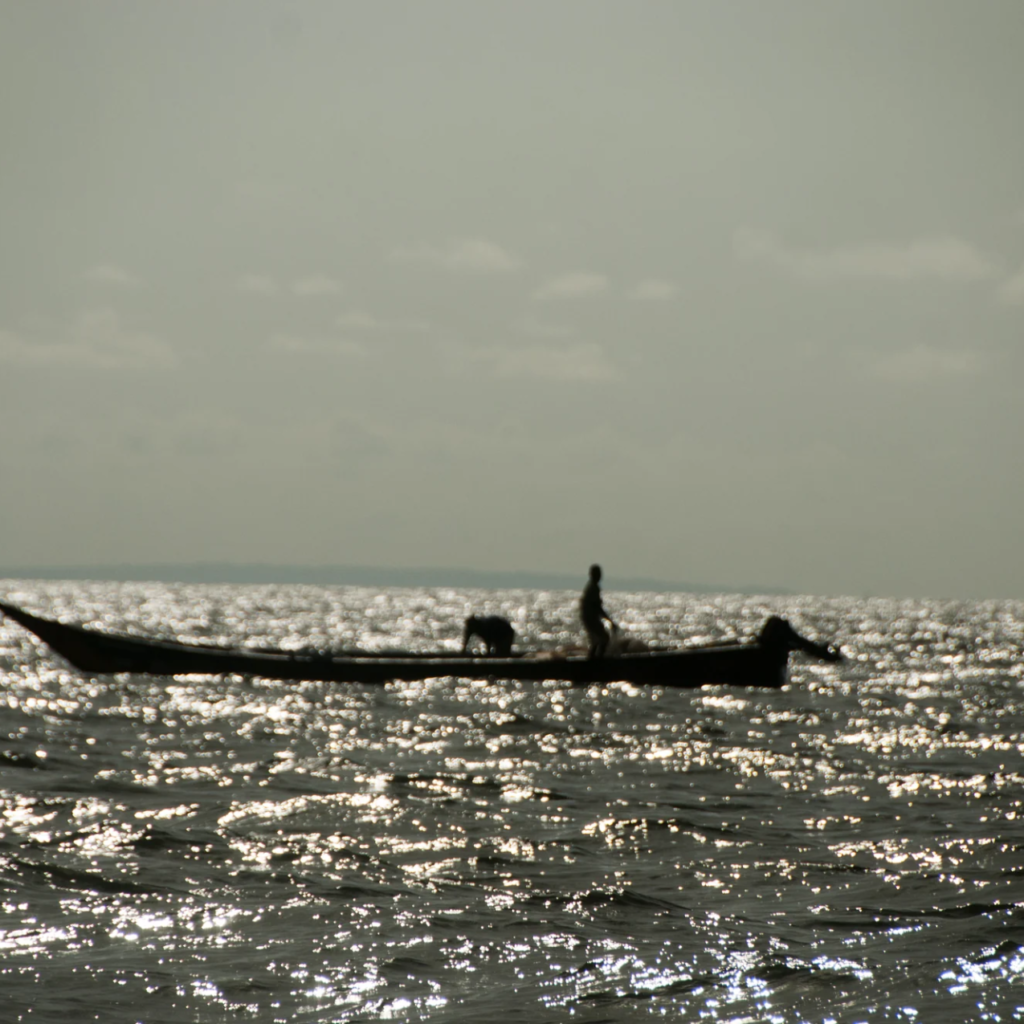
Fishing is the backbone of island life, and the huge Nile perch is the prize. A visit to a landing site at dawn, when boats return and the catch is sorted, is one of the most authentic experiences on the islands. Sport fishing outings can be arranged. Please be aware that overfishing is a real concern across Lake Victoria, and a good guide will talk with you honestly about it.
Island life and culture
Spend time with the community: watch a canoe being carved, walk between villages on foot or by bicycle, and taste the local cooking. Your guide can introduce you to caves and landing sites with historic associations, from places connected with early explorers to landings used by the first Catholic missionaries.
The changing island
Ssese is not untouched. Large oil-palm plantations have been established on Bugala Island, and the same forests that shelter monkeys and birds are also under pressure from farming and logging. Tourism is growing, but infrastructure is still modest and improving slowly. This is part of the honest story of the islands, and part of why choosing lodges and guides who care about the forest and the lake matters.
How to get there
There are two main routes, and schedules and boats change, so we confirm them at the time of booking.
- From Entebbe (Nakiwogo landing site): the large car-and-passenger ferry MV Kalangala sails to Lutoboka Bay on Bugala Island. It takes about three and a half hours, usually leaving in the early afternoon, and vehicles need to be booked in advance. Two faster, more comfortable boats, MV Vanessa and MV Nathalie, cover the crossing in about an hour and a quarter on set days, and need to be pre-booked.
- From Bukakata, near Masaka: two vehicle ferries, MV Pearl and MV Ssese, cross to Bugala Island in roughly 30 to 50 minutes, several times a day. You drive from Kampala to Masaka and on to Bukakata, which takes around two and a half hours to reach the landing. This is the easiest route if you are travelling by road to or from western Uganda.
- By small boat or charter: wooden boats run from Kasenyi, near Entebbe, to Banda Island, and chartered flights are possible for those short on time.
Once on Bugala, shared taxis run along the island road, boda bodas (motorcycle taxis) are everywhere, and bicycles can be hired. Lake crossings can be rough in stormy weather and ferries can be delayed or replaced by smaller boats, so we build a buffer day around the islands wherever we can.
When to go
The islands can be visited all year. The drier months, roughly June to August and December to February, usually bring calmer water, clearer days and easier ferry crossings. In the rainy seasons the lake can be choppy, the forest is at its greenest and the birdlife is busy. Weekends and public holidays can be crowded with visitors from Kampala, so a midweek stay is quieter.
Planning tips
- Time: two nights is the minimum to justify the crossing; three or four lets you slow down.
- Money and supplies: carry cash and any medication you need. On the smaller islands you may need to bring some of your own food.
- Health: use repellent, avoid swimming in unmanaged water, and see our Health & Safety page for malaria and bilharzia advice.
- Insurance: make sure your travel insurance covers boat travel. See our Terms & Conditions.
Fitting the Ssese Islands into your safari
The islands work well at the start or end of a safari, after Entebbe and before a long flight, or as a rest between gorilla trekking in the south-west and game viewing in the north. They combine naturally with Entebbe, the Mabamba Swamp, Ngamba Island Chimpanzee Sanctuary and Buganda’s royal heritage sites, and they suit couples, families and anyone who wants a slow, restorative few days.
Because every safari we plan is private and tailor-made, you can use the islands however suits you: a sunset weekend, a birdwatching stay or a creative retreat by the water. Start planning your safari, message us on WhatsApp +256 701 243 304, or email [email protected]. Please also read our Responsible Travel page for how to visit the lake and the forest well.