Nile perch: the main draw
The Nile perch is Lake Victoria and the Nile’s largest predatory fish, capable of reaching close to two metres in length and 200 kilograms in weight, though a typical catch on rod and reel runs considerably smaller. Introduced into Lake Victoria in the 1950s, the species reshaped the lake’s ecology dramatically, driving many native cichlid species toward extinction, a history that anglers and conservationists alike still discuss on the water. Today it attracts sport fishers specifically because it strikes hard at artificial lures, making it a exciting fish to catch rather than simply a large one.
Where the fishing happens
The stretch of the Nile around Jinja, where the river leaves Lake Victoria, is Uganda’s most established sport-fishing base, with boat operators running half-day and full-day outings from town. Further downstream and upstream, sections of the river within and around Murchison Falls National Park add tiger fish to the possible catch, a smaller but famously aggressive predator prized for its fight rather than its size. Lake Albert and the open waters of Lake Victoria itself offer further options, particularly for operators based further along the shoreline.
Tiger fish: a different kind of catch
Where Nile perch reward patience and heavier tackle, tiger fish are known for explosive strikes and repeated jumps once hooked, closer in style to the sport fishing associated with rivers elsewhere in Africa. They are typically caught on lighter line and smaller lures than Nile perch, and many anglers rate the fight itself, rather than the fish’s size, as the real appeal.
How a fishing outing works
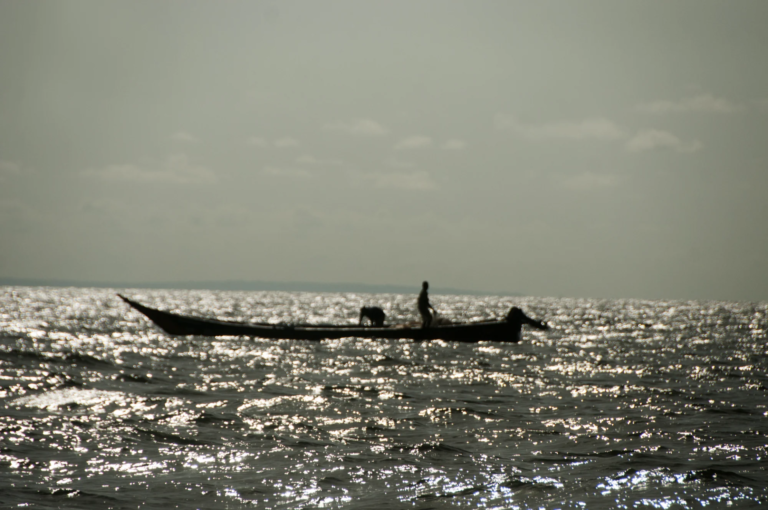
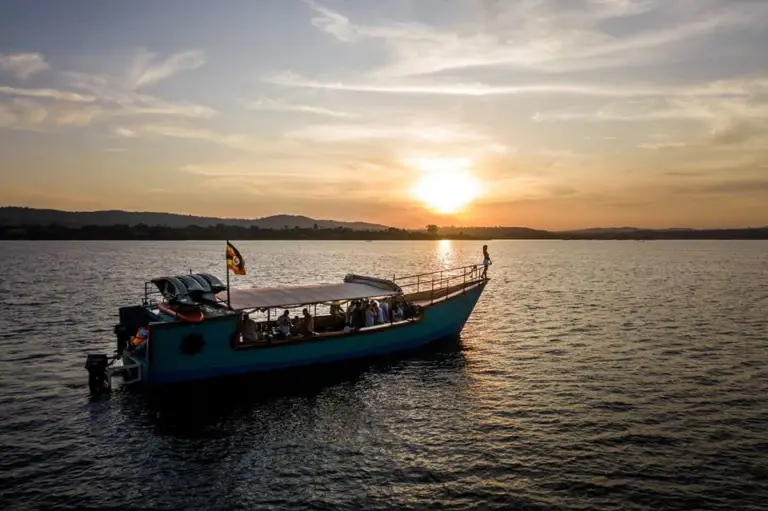
Most outings run from a small motorboat with a local skipper and guide who knows the current fishing grounds, typically for a half-day or full-day booking. Tackle is usually supplied, though anglers who travel with their own preferred rods and lures are welcome to bring them, subject to airline baggage rules. Catch-and-release is standard practice for most sport fishing operators, both to conserve fish stocks and because Nile perch of any real size are impractical to keep. Local regulations govern minimum sizes, protected breeding periods and permitted gear, and a reputable operator will handle compliance without the angler needing to research it independently.
Lake Turkana’s giant Nile perch
Kenya’s remote Lake Turkana, the world’s largest permanent desert lake, has long had a reputation among specialist anglers for exceptionally large Nile perch, a result of the lake’s isolation and limited fishing pressure compared with the heavily worked waters of Lake Victoria. Reaching it requires considerably more planning than a Jinja outing, given its remote northern Kenya location, and it suits anglers specifically seeking a genuine wilderness fishing setting over convenience.
A relaxed addition, not the main event
Fishing works best as a half-day or full-day addition to a wider itinerary rather than the sole focus of a safari, particularly for travellers who want one slower, quieter day amid more active game-drive or trekking days elsewhere in their route. Jinja in particular combines easily with white-water rafting and other Nile activities on the same visit, so a fishing outing can be one of several water-based options rather than a standalone booking.
Conservation and catch-and-release
The Nile perch’s own history in Lake Victoria is a reminder of how dramatically a single introduced predator can reshape an ecosystem, and modern sport fishing operators generally treat that history as a reason for careful practice rather than a footnote. Catch-and-release, proper hook removal technique and respecting closed breeding seasons all help keep both Nile perch and tiger fish populations healthy for the anglers who follow. Reputable guides will explain these practices as a matter of course rather than something a visiting angler needs to request.
What to expect on the water
- Half-day outings typically run four to five hours; full-day outings closer to eight
- Sun protection matters more than most anglers expect: hat, sunscreen and polarised sunglasses are worth packing
- Life jackets are standard equipment and should always be worn, even for experienced anglers
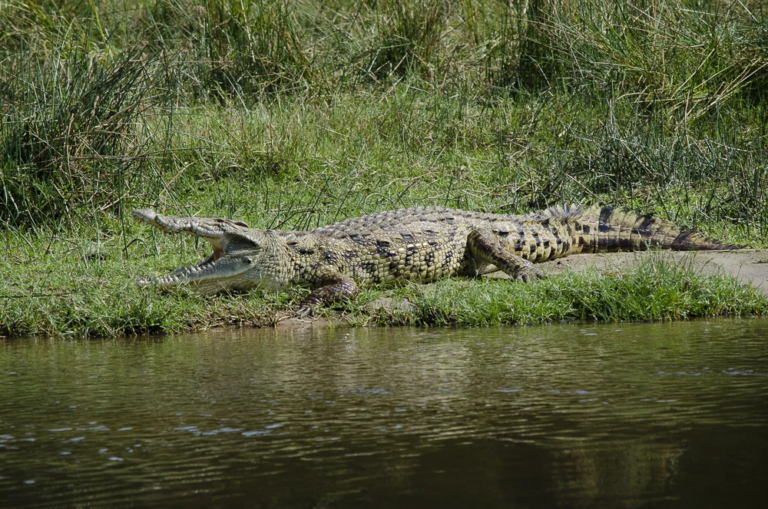
- Hippos and crocodiles share these waters so boats keep a respectful distance and skippers know where to avoid
Combining fishing with other Nile activities
Jinja’s stretch of the Nile is East Africa’s established base for water-based activity more broadly, and a fishing outing there sits naturally alongside white-water rafting, kayaking and gentler boat cruises on the same visit. Splitting a multi-day stay between an active day on the rapids and a slower day with a rod in hand lets travellers experience the same river from two very different angles without needing to choose only one.
When to go
Fishing is possible year-round, though water clarity and fish activity shift with the seasons. Many operators consider the drier months easier for consistent conditions while the rains can raise water levels and change where fish concentrate. A local skipper’s current knowledge of conditions matters more than any fixed calendar rule.
Fishing with a guide
A guide makes a fishing trip far more enjoyable. They know where the fish gather, which lures to use and how to handle a big catch, and they supply rods, tackle and boats. Beginners are welcome, and guides are patient. Experienced anglers can ask for heavier tackle and longer days on the water.
Rules and respect
Follow local regulations, use barbless hooks if asked and release fish quickly and carefully. Respect protected areas and the rights of local fishing communities, who rely on the water for their livelihoods. Always wear a life jacket on a small boat and carry sun protection, water and snacks.
Planning your fishing outing
Tell us if fishing interests you and where in your itinerary it would fit best, and we will match you with a reputable local operator and check current access, regulations and conditions before you go.