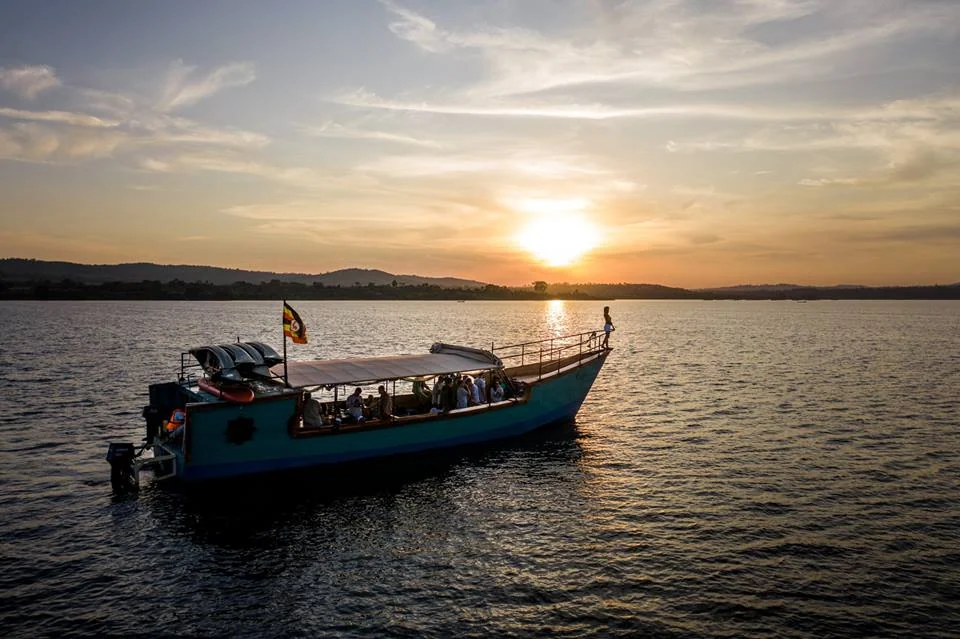
Lake Victoria is not a place you visit so much as a presence that runs through a whole region. It is the largest lake in Africa, the largest tropical lake in the world and, by surface area, the second-largest freshwater lake on Earth after Lake Superior. It touches three countries, feeds the River Nile, and shapes the lives of tens of millions of people who fish it, farm around it, sail across it and tell stories about it.
On a safari through Uganda, Kenya or Tanzania you will meet the lake again and again, at the Entebbe waterfront, at the source of the Nile in Jinja, in the ferries of Kisumu and Mwanza and on the island forests of Ssese and Rubondo. This page is a guide to the lake as a whole, and to the ways you can experience it.
The lake in numbers
- Surface area: about 59,947 square kilometres, larger than Croatia and only a little smaller than Sri Lanka.
- Depth: shallow for its size, with an average of about 40 metres and a maximum of around 80 metres.
- Shoreline: more than 7,000 kilometres when every bay and inlet is counted.
- Elevation: about 1,135 metres above sea level.
- Ownership: Tanzania holds about 49 per cent of the lake, Uganda about 45 per cent and Kenya about 6 per cent. Its wider catchment also takes in Rwanda and Burundi.
- Islands: hundreds, including Ukerewe in Tanzania, the Ssese Islands in Uganda, and Rusinga and Mfangano in Kenya.
The lake is young in geological terms, formed some 400,000 years ago when the tilting of the Earth’s crust along the Great Rift Valley backed up westward-flowing rivers. Cores taken from its bed suggest it has dried out completely more than once, most recently about 17,000 years ago. Most of its water, around 80 per cent, comes straight from the rain.
Names and history
The lake has many names. Baganda call it Nnalubaale, the home of the spirits; the Luo of Kenya call it Nam Lolwe; in Swahili it is Ziwa Nyanza. The name Victoria was given by the British explorer John Hanning Speke, who reached its southern shore in 1858 with Richard Burton, and named it for his queen. Speke believed he had found the source of the Nile, a claim that started one of the most famous quarrels in exploration. It was confirmed in the 1870s, when Henry Morton Stanley circumnavigated the lake and reported the great outflow on its northern shore.
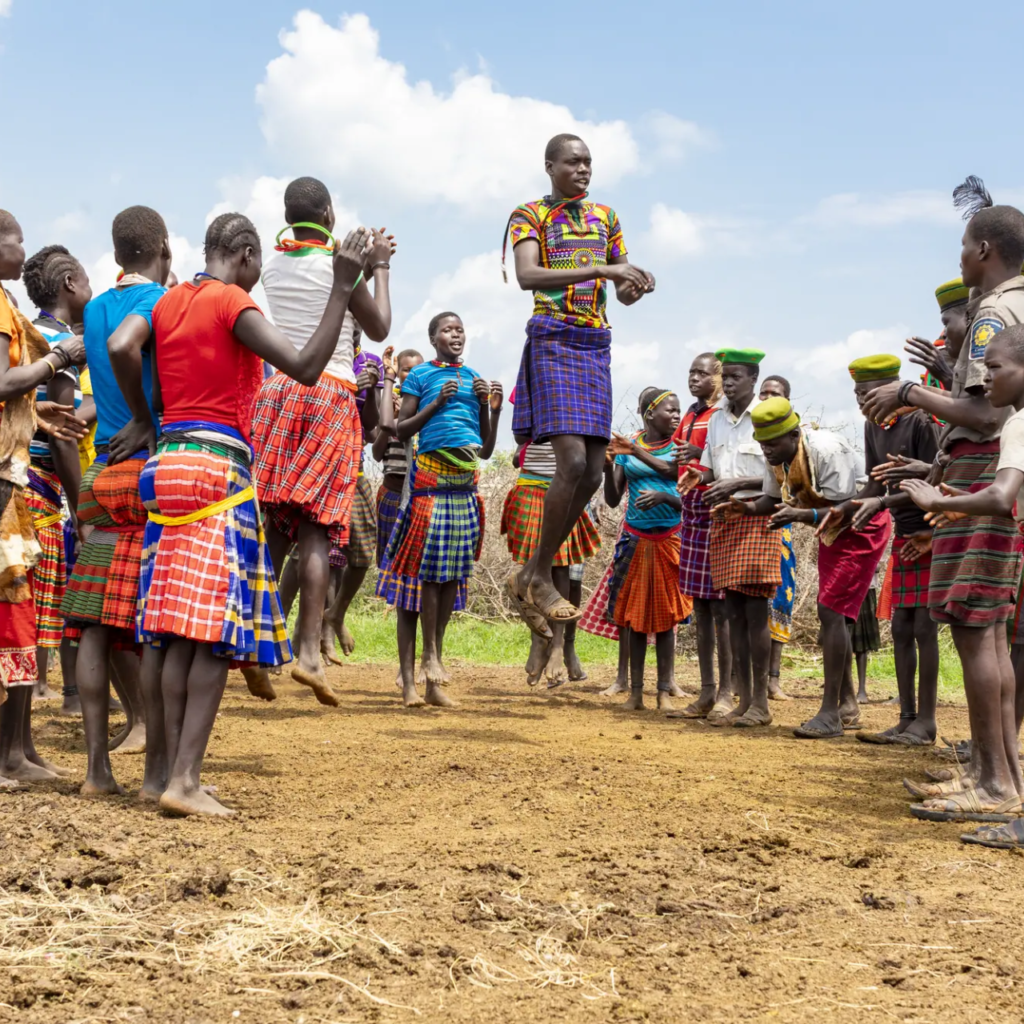
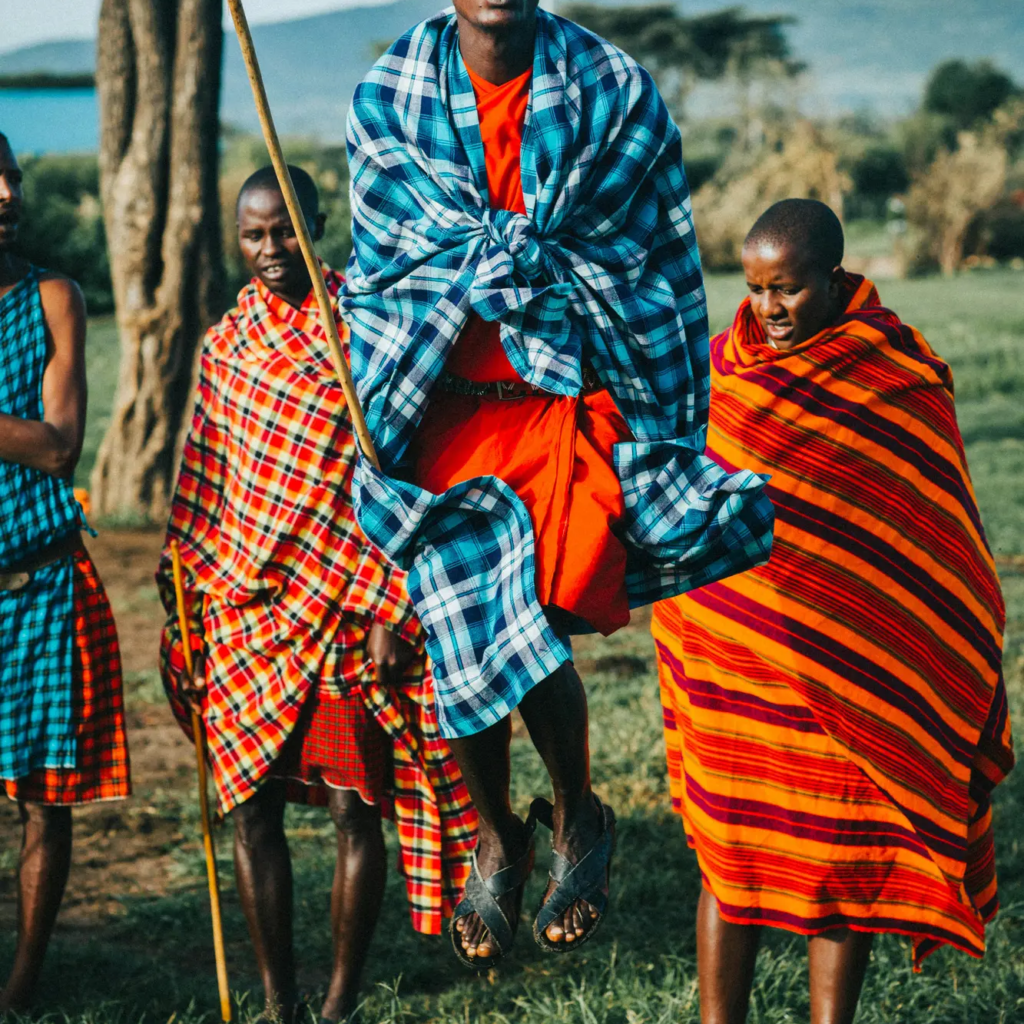
Long before Europeans arrived, the lake was a highway. Trade, migration and the spread of kingdoms all followed its shores, and the peoples of the lake, among them the Baganda, Basoga, Bahaya, Luo, Sukuma and Kuria, developed rich fishing, farming and boat-building cultures that are still visible today.
The source of the Nile
Lake Victoria has just one outflow, near Jinja in Uganda, where the Victoria Nile begins its long run north. For thousands of years the water spilled over a natural rock weir at Ripon Falls. In the 1950s the falls were submerged by the construction of the Owen Falls Dam, now the Nalubaale hydropower station, and a second station, Kiira, was added in 2002. Visitors to Jinja can still take a boat to the point where the river leaves the lake, and it remains one of the most memorable half-days on a Ugandan safari, especially when combined with white-water rafting, kayaking or a quiet sundowner cruise.
Wildlife of the lake
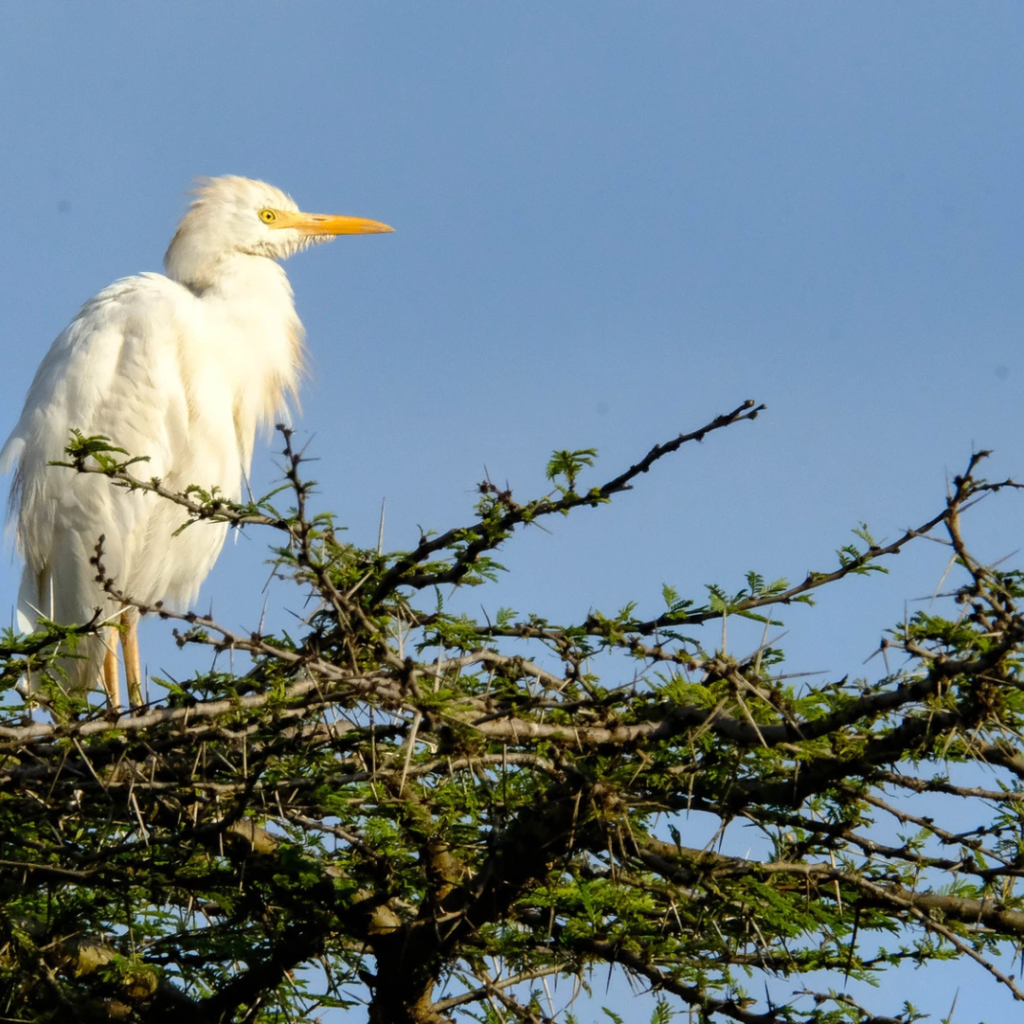
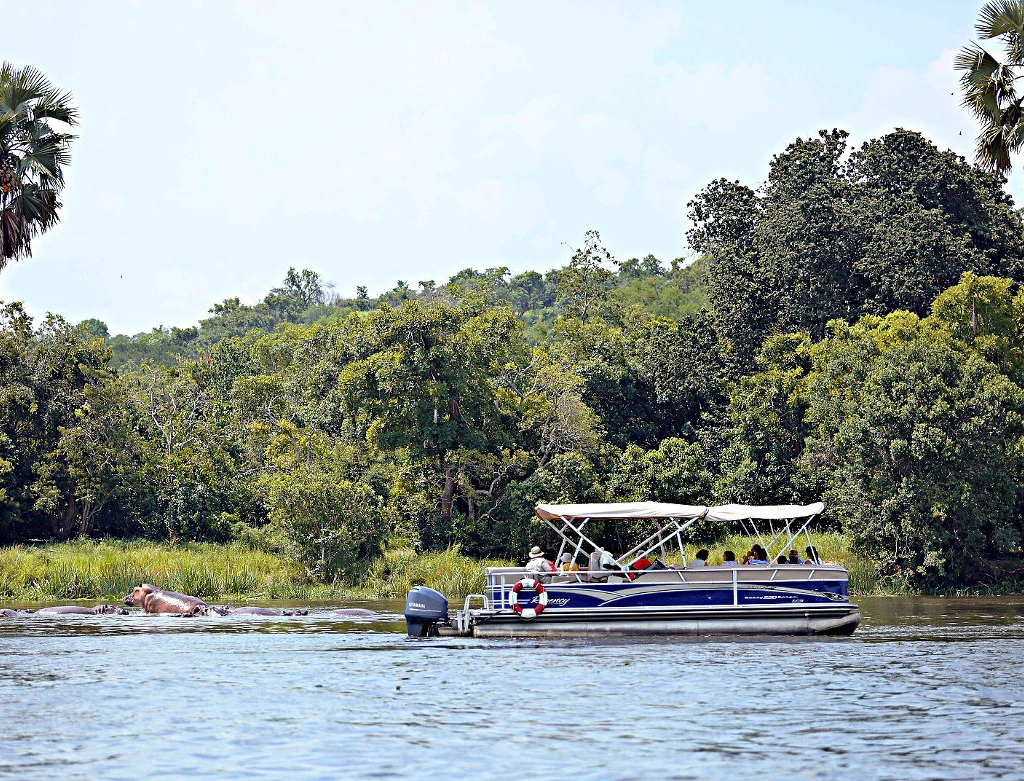
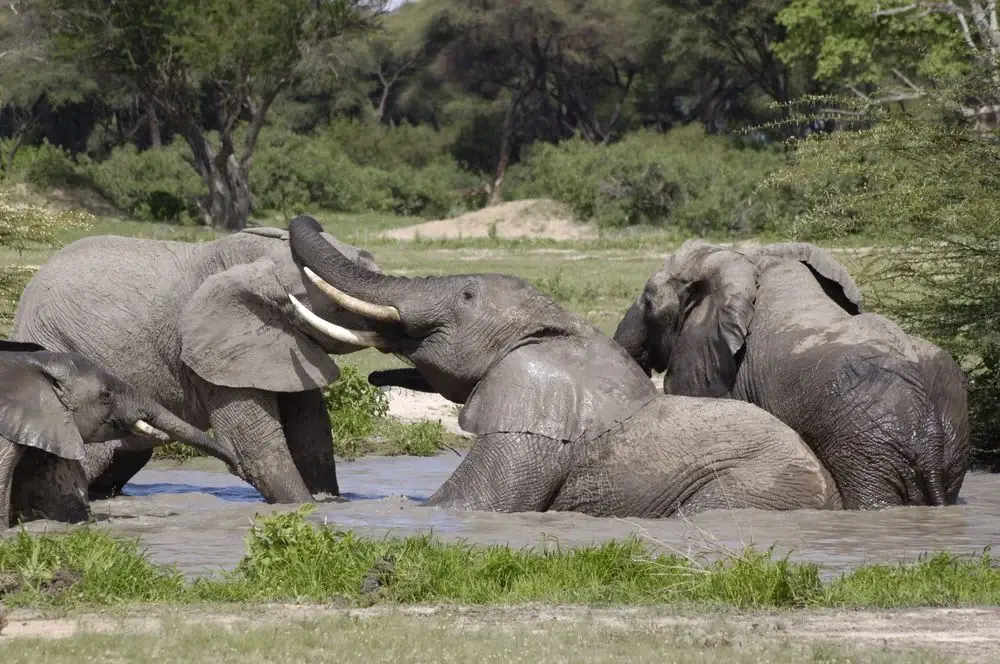
The lake’s shores and wetlands are home to hippos, otters, sitatunga antelope, marsh mongooses, Nile crocodiles and a rich birdlife led by the African fish eagle. Papyrus swamps fringe the northern shore, and the shoebill, one of Africa’s most sought-after birds, can be found in the Mabamba Swamp near Entebbe.
Underwater, Lake Victoria once held one of the most extraordinary fish communities anywhere. More than 500 species of haplochromine cichlids, almost all found nowhere else, evolved in the lake in a burst of evolution over the last 15,000 years. Then came the introduction of the Nile perch in the 1950s, together with pollution and other changes. It is estimated that at least 200 of the cichlid species have been lost, in what has been called one of the most dramatic human-caused extinctions in any ecosystem. Some species have since been rediscovered, and conservation work continues.
People and livelihoods
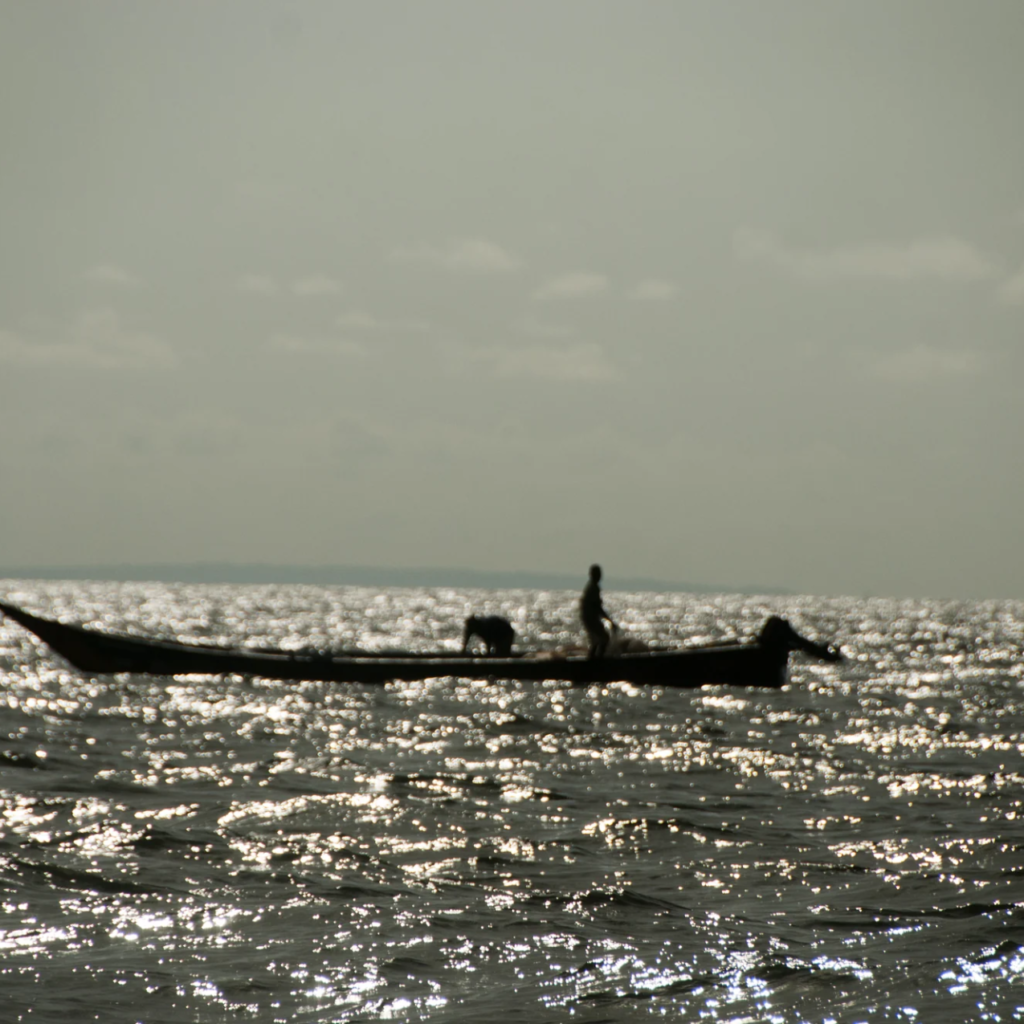
The lake supports Africa’s largest inland fishery. Nile perch, Nile tilapia and the small silver fish called mukene in Uganda, omena in Kenya and dagaa in Tanzania feed families and supply export markets. Fishing communities live in landing sites along the shore, and a dawn visit as the boats come in is one of the best ways to understand the lake. Around 45 million people live in its catchment.
Ways to experience Lake Victoria
In Uganda
- Entebbe: the botanical gardens and the lakefront, the Uganda Wildlife Education Centre, and a gentle start or end to a safari.
- Mabamba Swamp: a canoe search for the shoebill on the lake’s northern shore.
- Ngamba Island: the chimpanzee sanctuary, reached by boat from Entebbe.
- Ssese Islands (Kalangala): beaches, forest and the spiritual heritage of the lake. See our Responsible Travel page before you go.
- Jinja: the source of the Nile, rafting, kayaking, cycling and sunset cruises.
- Kampala: Port Bell and the wider city, which climbs the hills above the lake.
In Kenya
- Kisumu: Kenya’s lakeside city, with its markets, hippo-watching and sunset boat rides on the Winam Gulf.
- Rusinga and Mfangano Islands: fossil sites of world scientific importance on Rusinga, and ancient rock art on Mfangano, reached by boat from Homa Bay.
In Tanzania
- Mwanza: a hillside city of granite boulders on the southern shore, gateway to the Serengeti.
- Rubondo Island National Park: a forested island park of chimpanzees, sitatunga and abundant birdlife, quiet and remote.
- Ukerewe Island: the largest island in the lake, with village life and a slow pace.
- Bukoba: the Haya heartland on the western shore, with coffee hills and old lake-trading towns.
Crossing the lake
Ferries have connected the lake’s ports since the early 1900s, linking towns such as Mwanza, Bukoba, Kisumu and Entebbe. Travel by water is part of the region’s character, but it also needs care: passenger boats have been involved in serious accidents in the past, and storms can rise quickly. We use reputable operators, insist on life jackets and build buffer time around any crossing.
Health, safety and the state of the lake
- Bilharzia: the parasite is present in the lake. Avoid swimming, wading or washing in unmanaged shallow water, especially near reeds and landing sites.
- Wildlife: hippos and crocodiles are found in many bays. Do not swim without guidance.
- Malaria: the risk is year-round around the lake. Read our Health & Safety page.
- Environment: the lake faces pollution, overfishing and the spread of water hyacinth, and its level has risen in recent years, flooding some lakeside communities. Choose lodges that treat their waste, avoid plastic and support local guides.
When to go
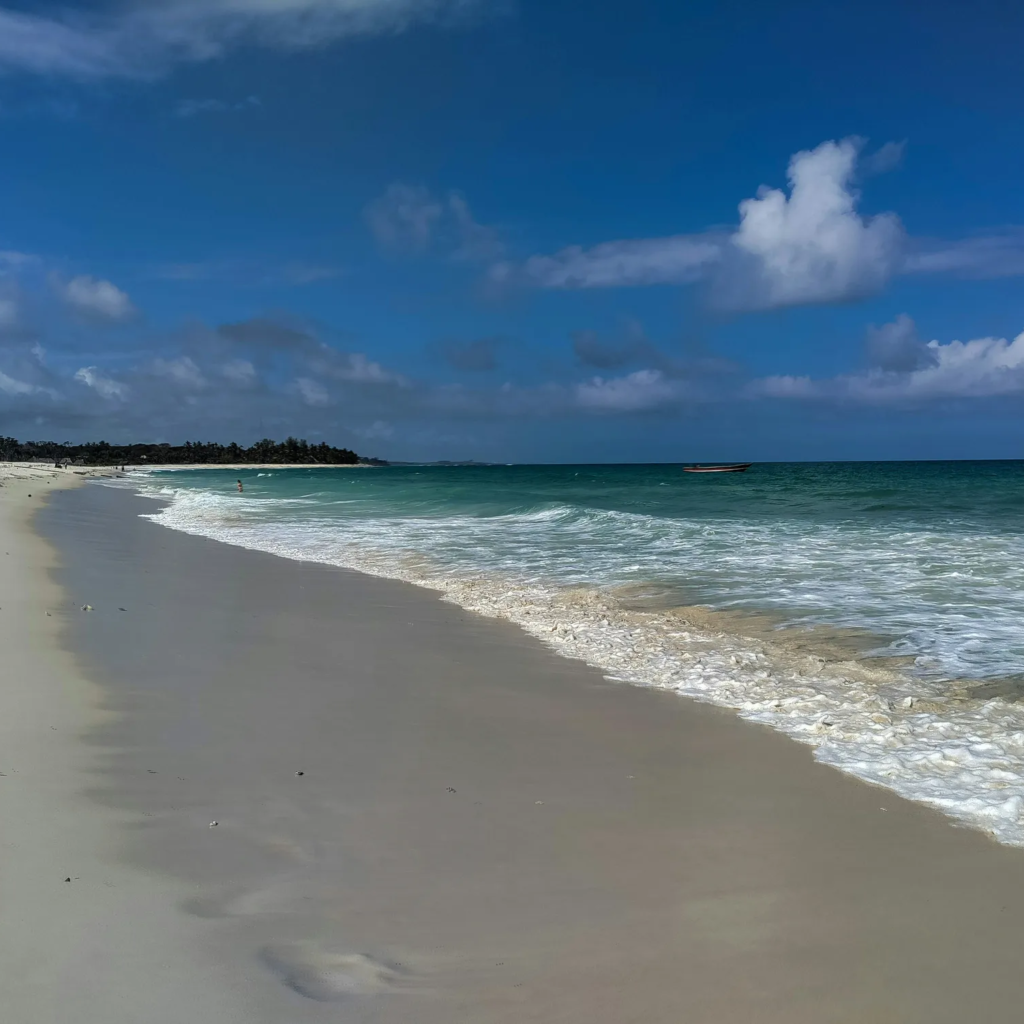
The lake can be enjoyed at any time of year, and it makes its own weather, so afternoon storms are common. Drier months tend to bring calmer water and clearer views, while the rainy seasons make the shores lush and green and are good for birds. Your itinerary matters more than the month: different shores of the lake have different seasons.
Planning a Lake Victoria safari
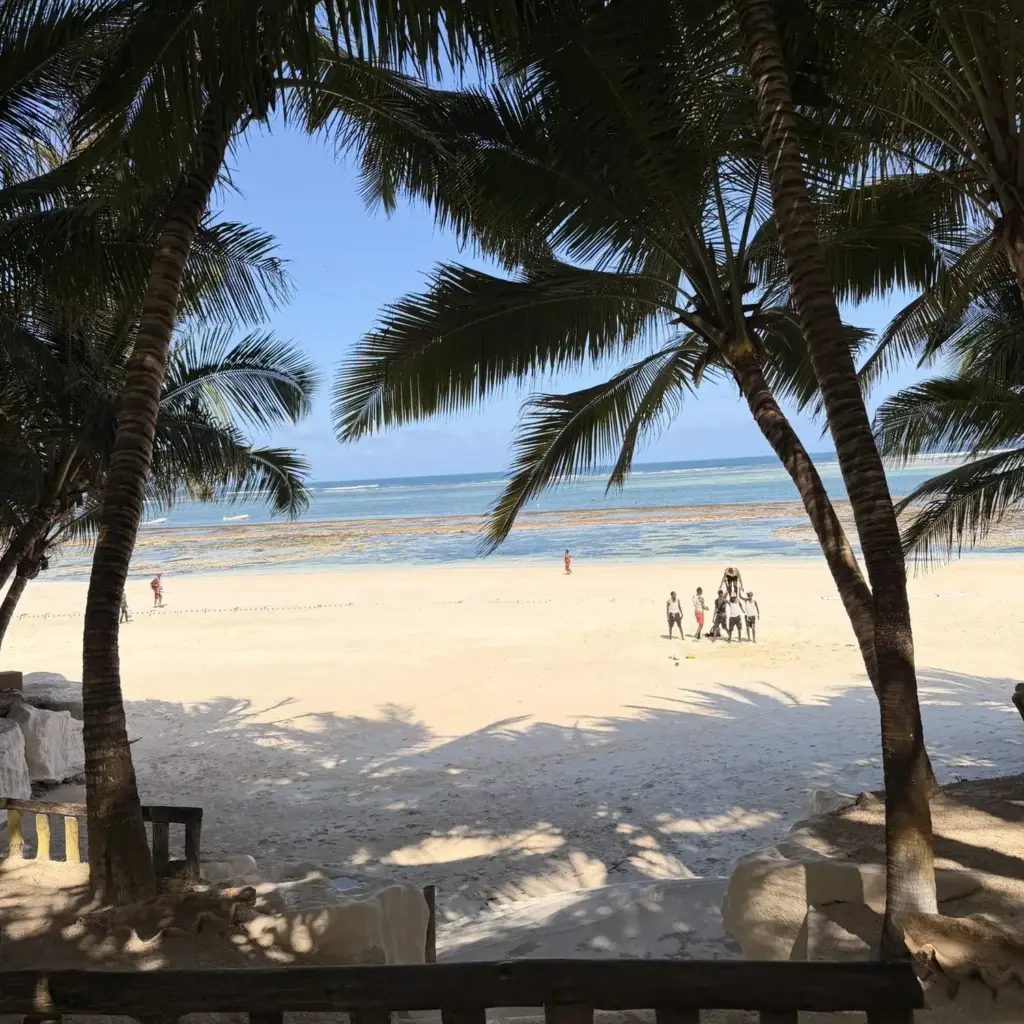
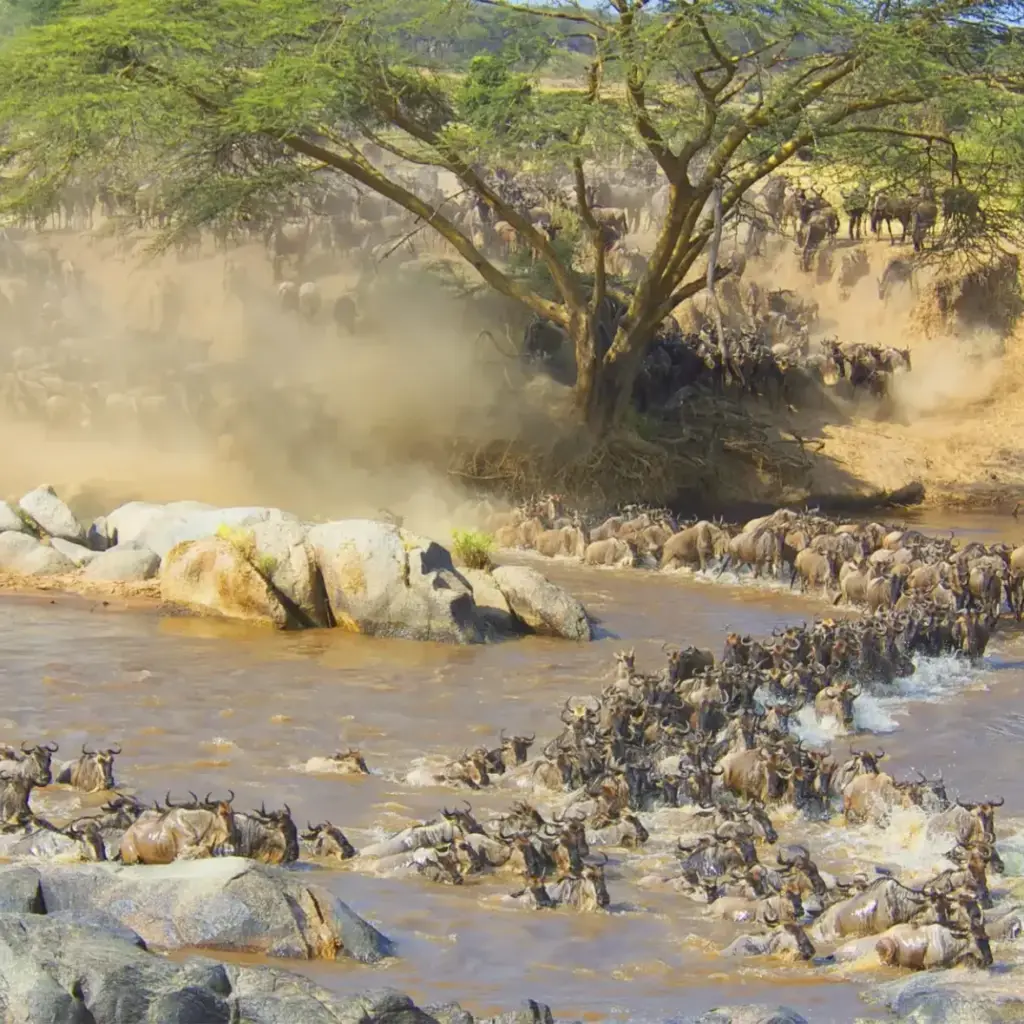
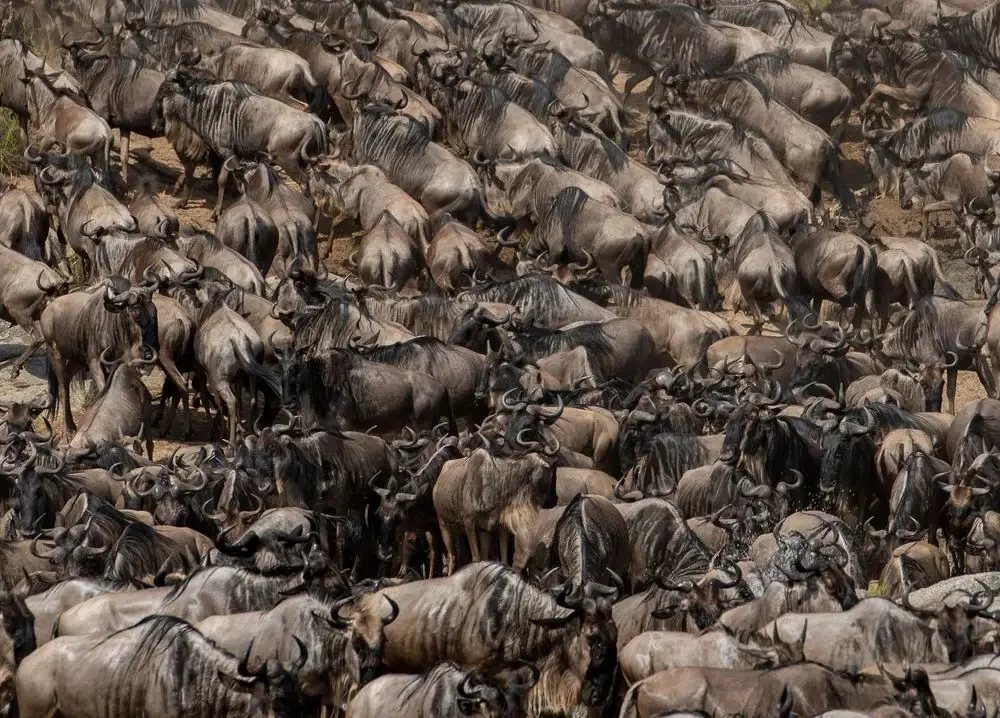
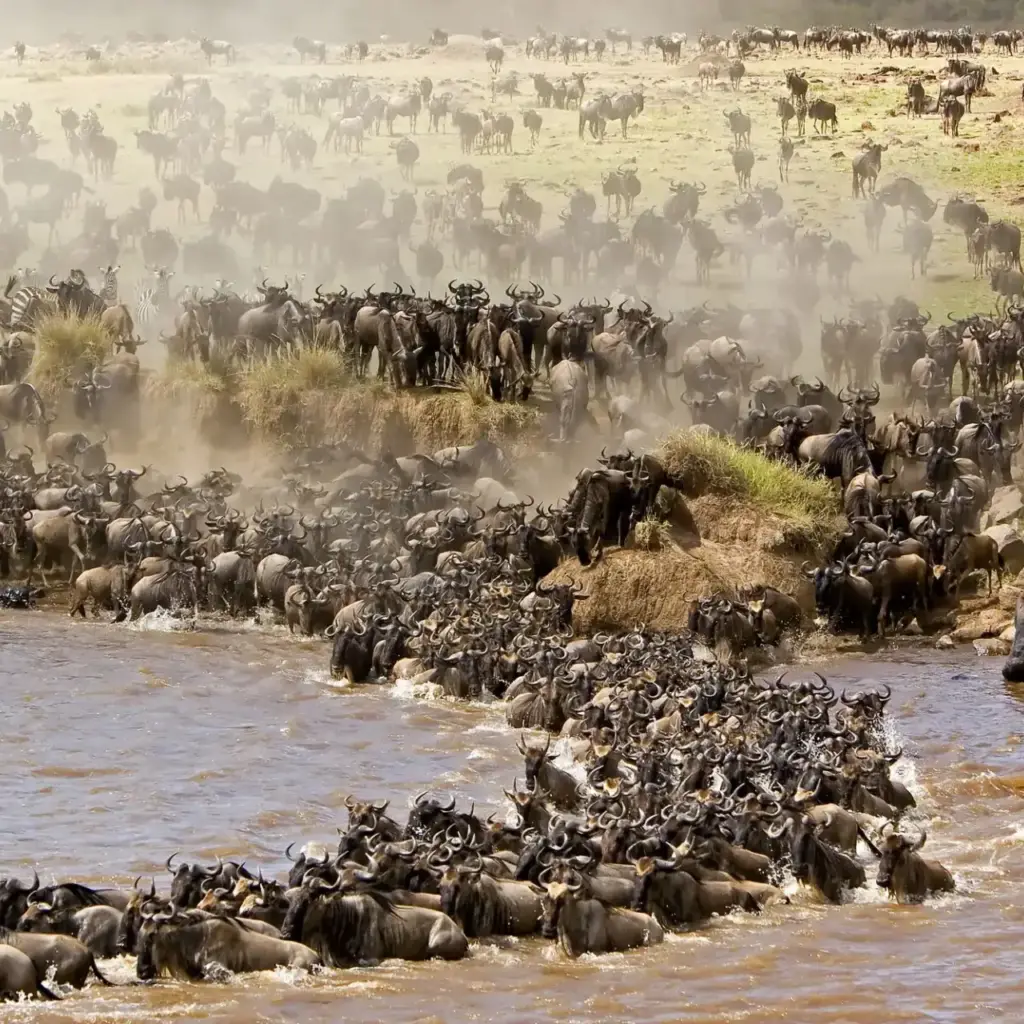
The lake rarely stands alone; it links safaris. You can pair it with gorilla trekking, savannah game drives and the Great Migration, and a lake stay is a natural rest between them. The Uganda, Kenya and Tanzania shores each have a different character: the Ugandan shore is green, hilly and close to the capital; the Kenyan shore is warm, open and full of Luo culture; the Tanzanian shore is wide, remote and tied to the Serengeti.
Tell us what you would like to see and we will design the route. Plan your safari, message WhatsApp +256 701 243 304 or write to [email protected]. Check Visa & Entry Requirements if your route crosses borders on the lake.