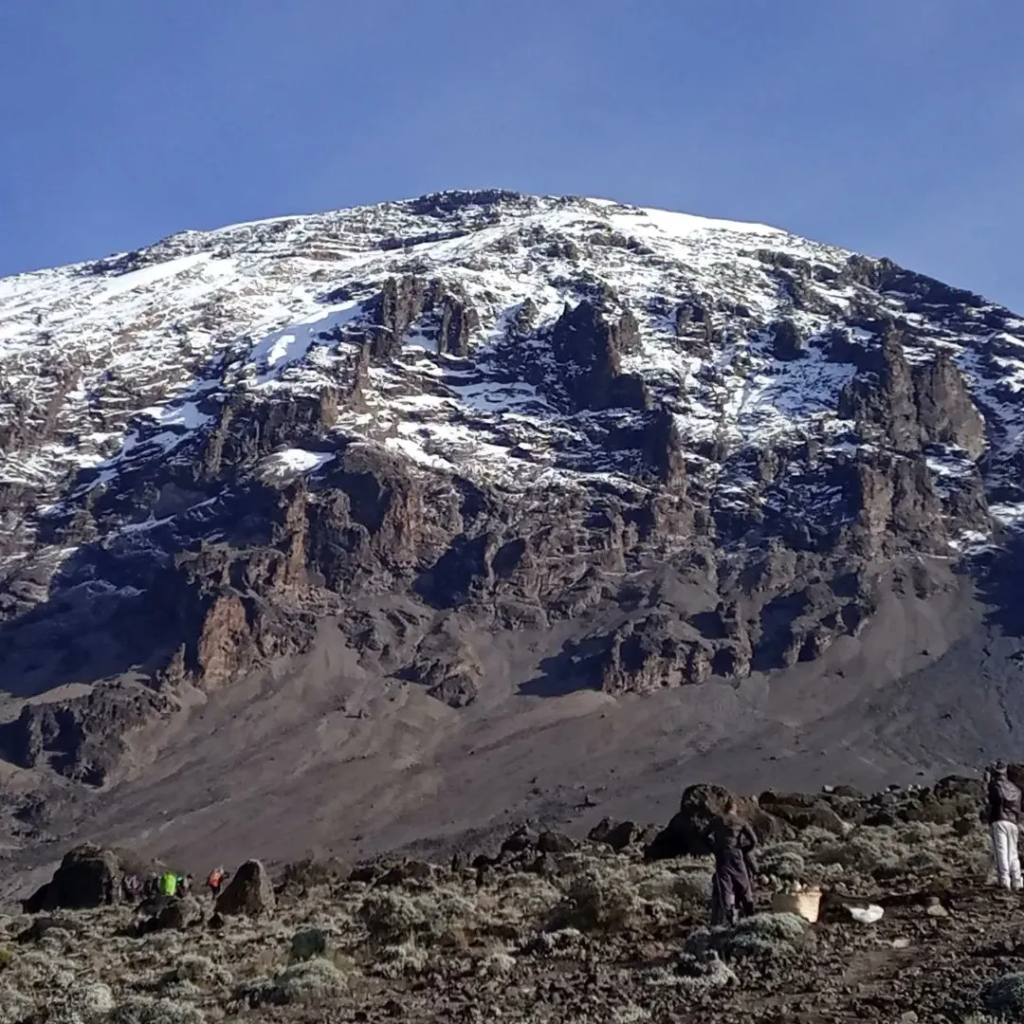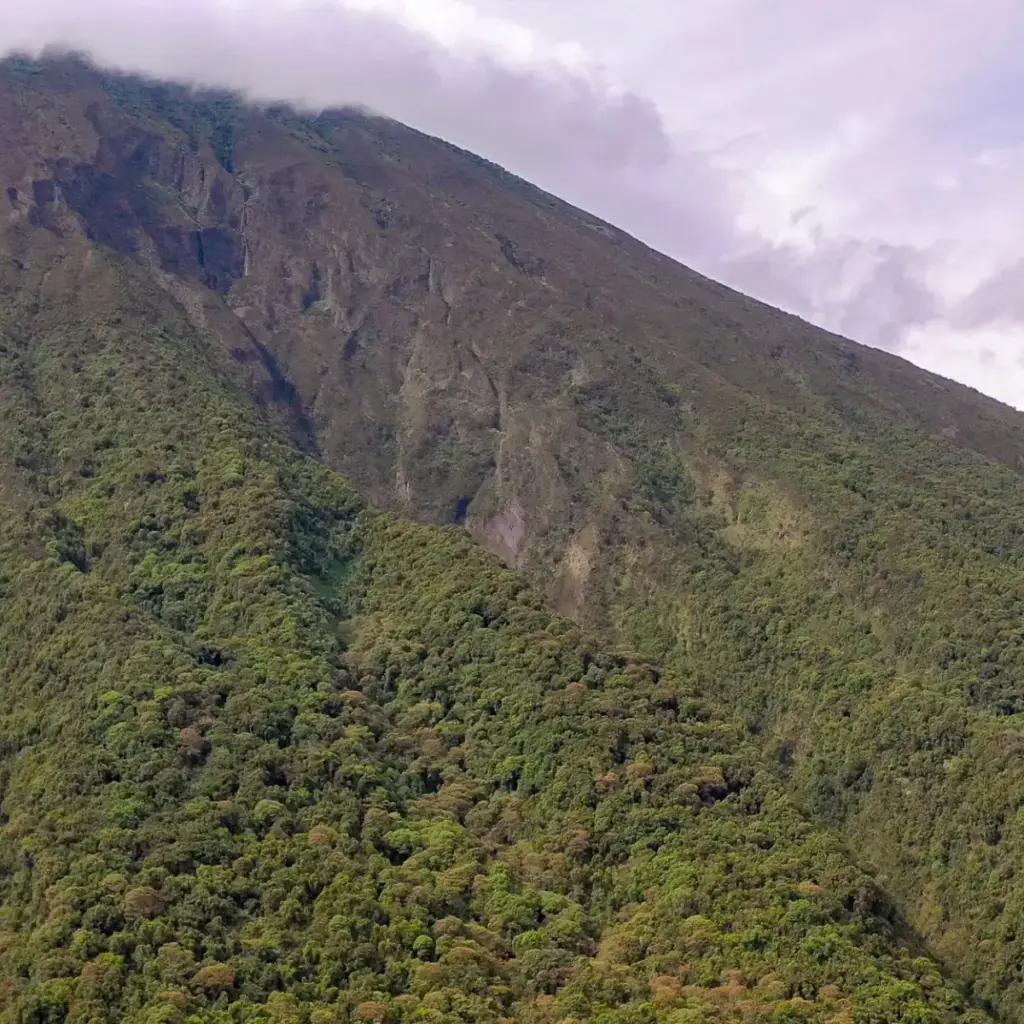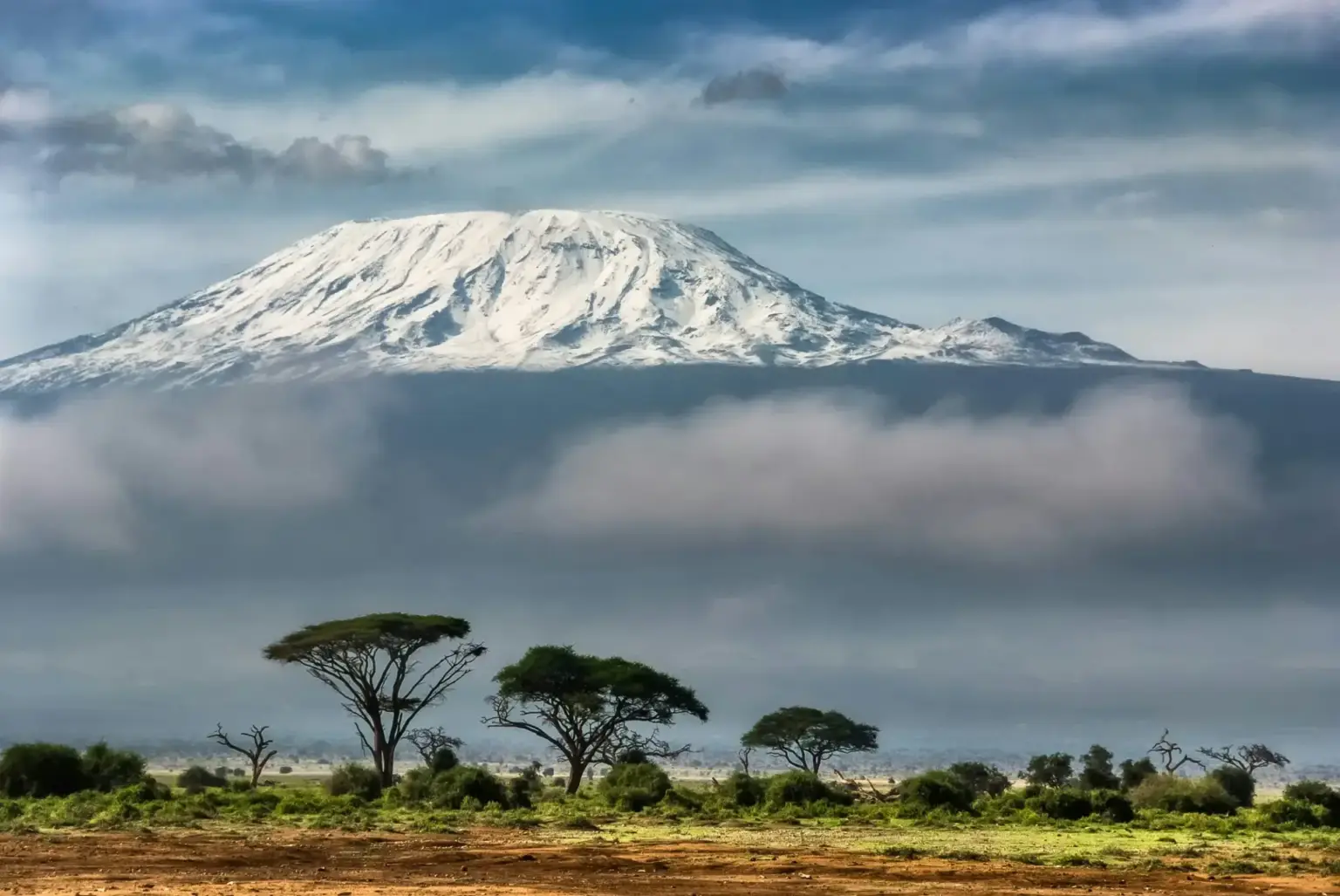
Mount Kilimanjaro can be climbed by several official routes, each offering a different balance of scenery, crowding, duration and chance of reaching the summit. Choosing the right route is one of the most important decisions in planning a Kilimanjaro climb, since success rates vary considerably depending on how much time is allowed for acclimatisation.
The routes at a glance
- Marangu Route: the only route with hut accommodation, typically climbed in 5 to 6 days; despite its reputation as the “easy” route, its shorter duration gives it some of the lowest summit success rates
- Machame Route: a popular 6 to 7 day route known for scenic variety, with meaningfully higher success rates on the 7-day option than the 6-day version
- Rongai Route: approached from the mountain’s quieter northern side, typically 6 to 7 days, with success rates similar to Machame
- Lemosho Route: an 8-day route considered one of the most scenic, with some of the highest success rates among standard routes
Why route length matters
Altitude sickness is the main reason climbers fail to reach Kilimanjaro’s summit, and the single biggest factor in avoiding it is time spent acclimatising. Shorter routes like the standard Marangu itinerary see notably lower success rates than longer routes such as Lemosho or the Northern Circuit, which allow the body more time to adjust to decreasing oxygen levels as the days pass. Overall summit success rates across all routes have improved substantially over the past two decades, largely because climbers increasingly choose longer itineraries.
Choosing a route
Marangu suits climbers who want hut accommodation rather than camping, though its shorter standard itinerary is not necessarily easier on the body. Machame and Rongai offer a good balance of scenery, moderate group sizes and reasonable duration. Lemosho and longer itineraries are generally recommended for climbers prioritising summit success over speed or cost, since the extra days for acclimatisation make a measurable difference.
Things to consider
- Longer routes cost more but meaningfully improve the odds of reaching the summit
- Physical fitness matters less than acclimatisation time for most climbers
- Guides and porters are mandatory on all routes, arranged through a licensed operator
- Weather and route conditions can vary by season, so timing is worth discussing with your operator
Practical information
- Most routes start from towns near Moshi or Arusha, reached by road from Kilimanjaro International Airport
- The best climbing seasons are typically January to March and June to October, avoiding the long and short rains
- Proper acclimatisation, appropriate gear and a reputable operator matter more for success than the specific route chosen
Choosing the right Kilimanjaro route is about matching your time, budget and priorities to realistic summit chances. Offmap Safaris can help select and arrange the route that best fits your plans. To start planning, visit Plan My African Safari, message us on WhatsApp at +256 701 243 304, or email [email protected]. See also our notes on health and safety and responsible travel.