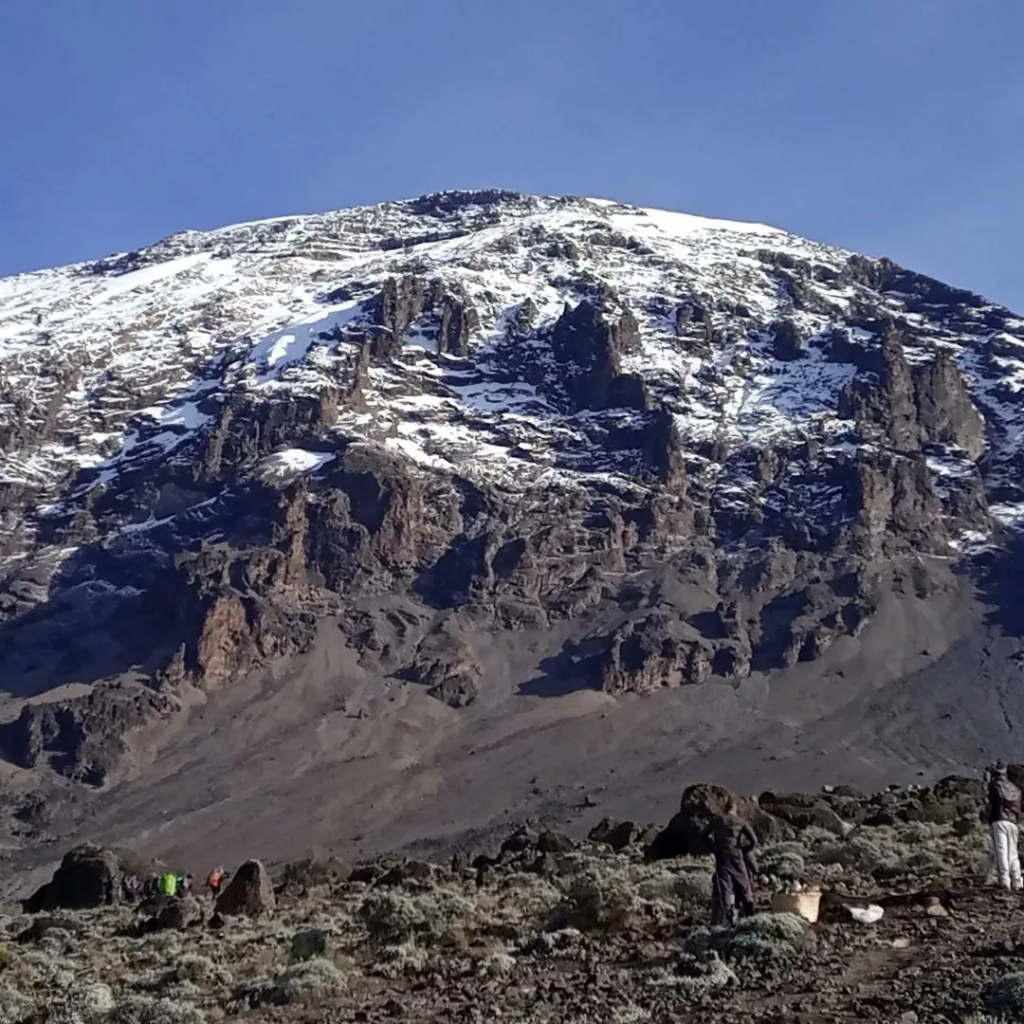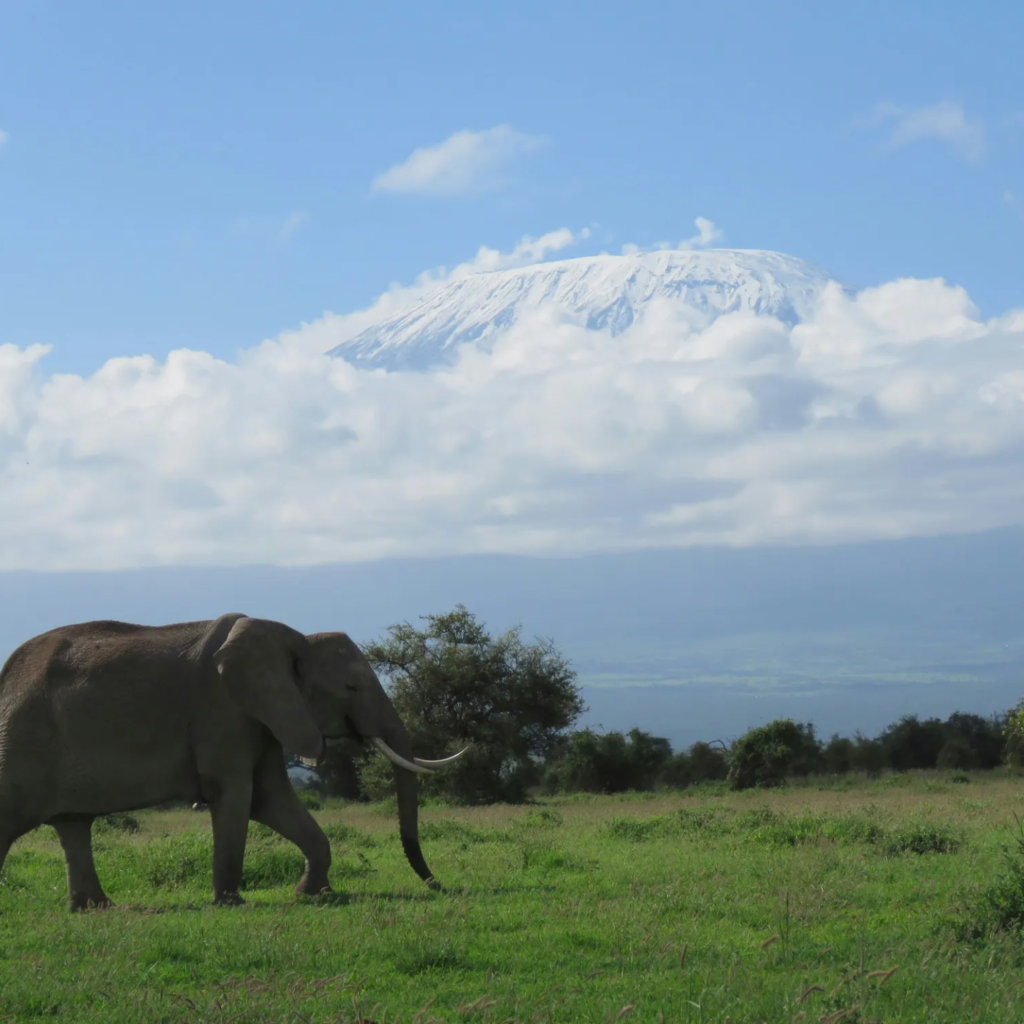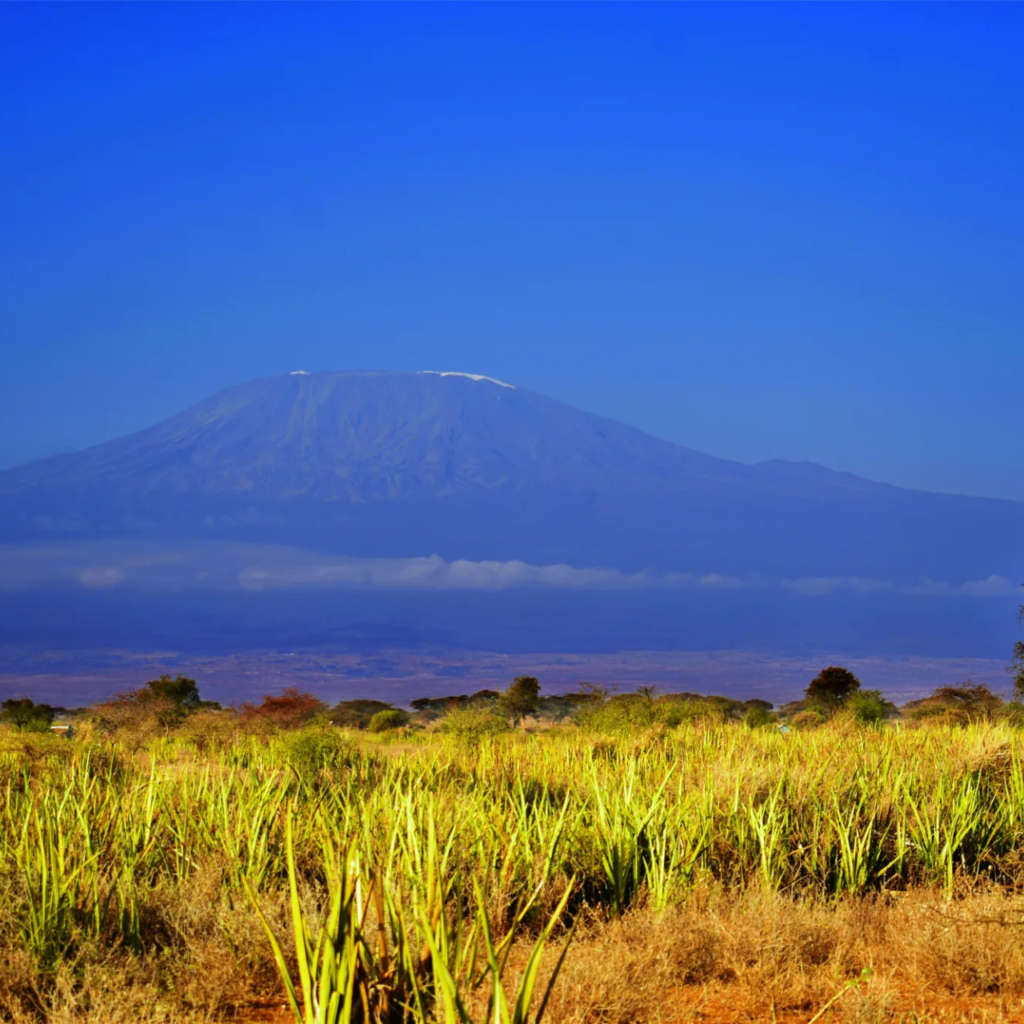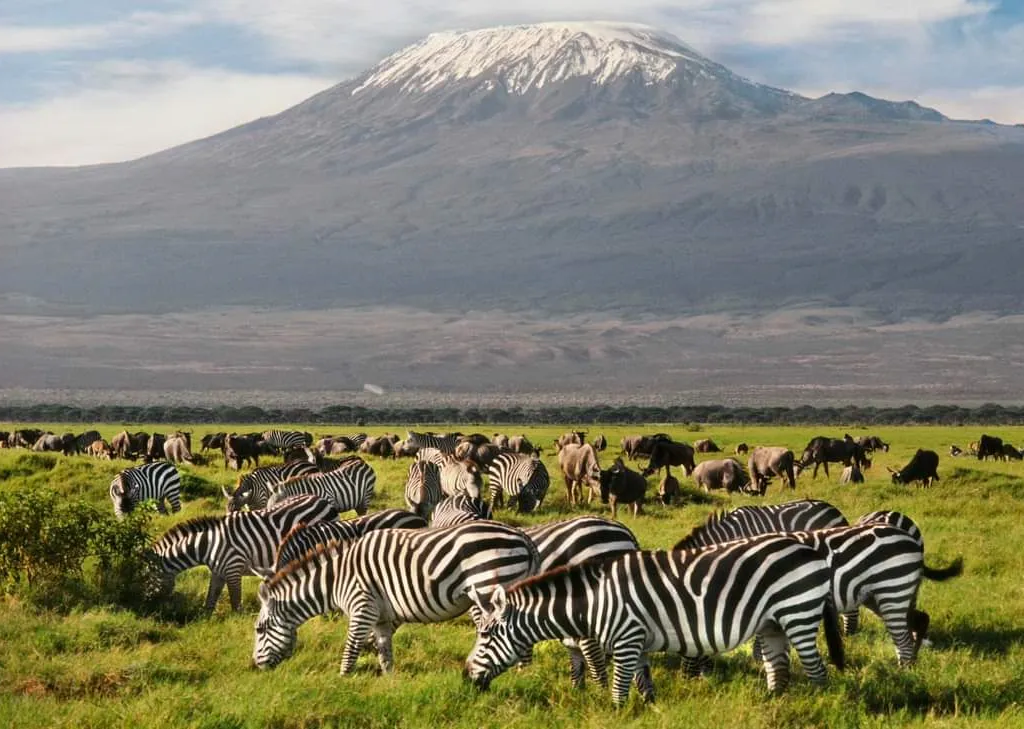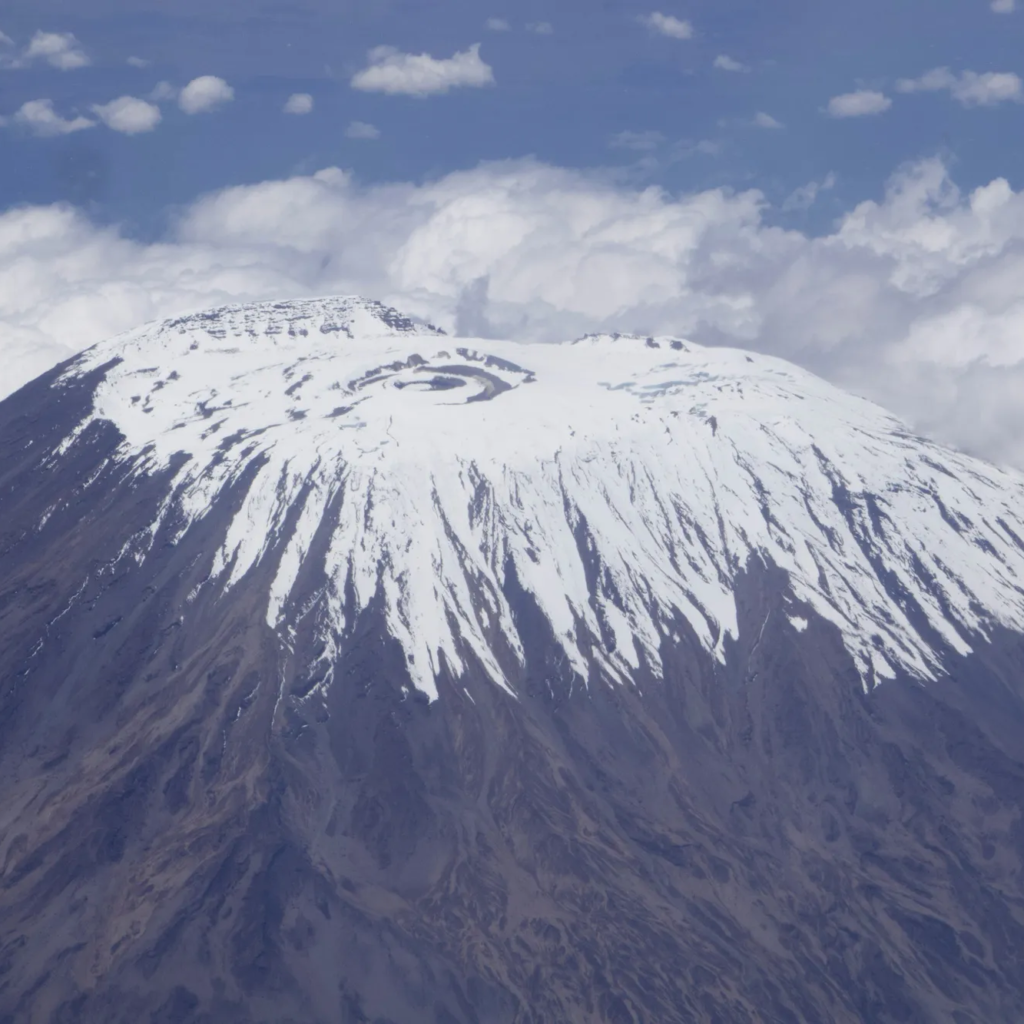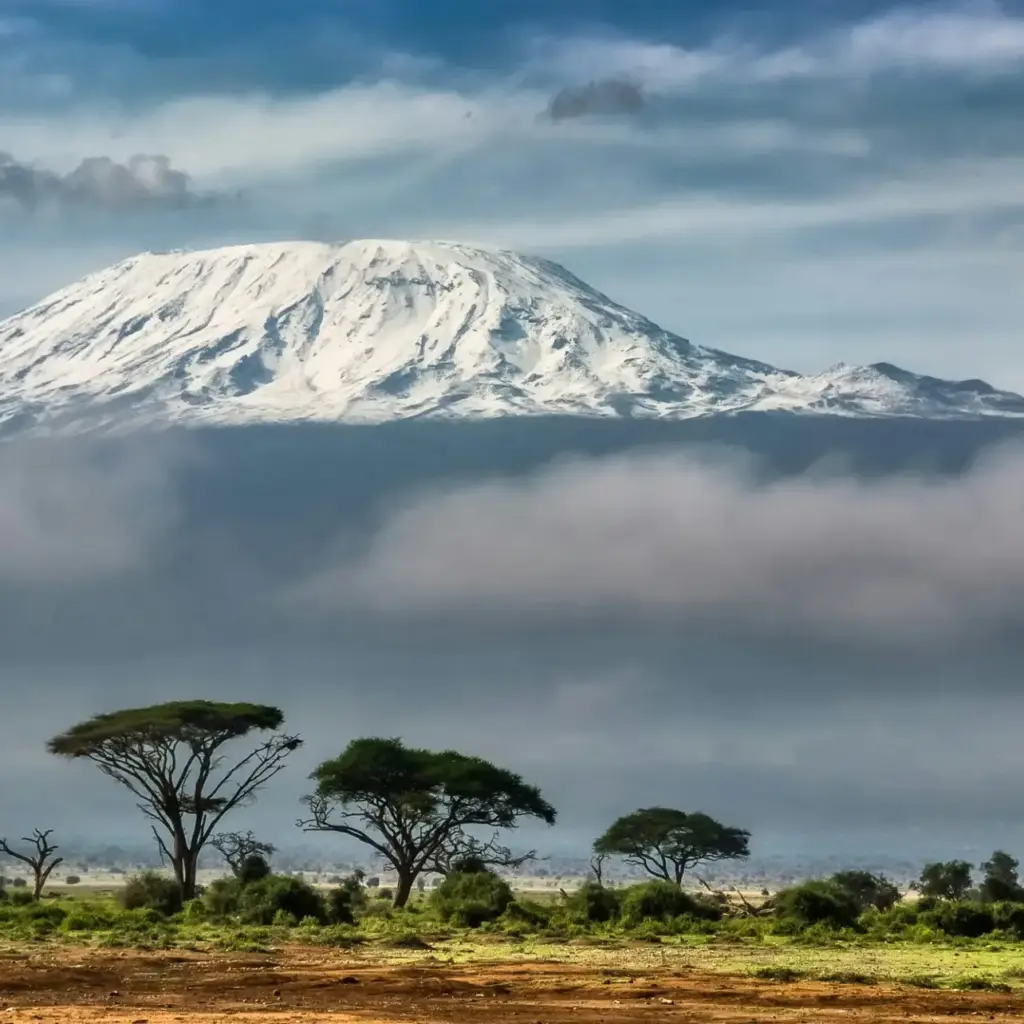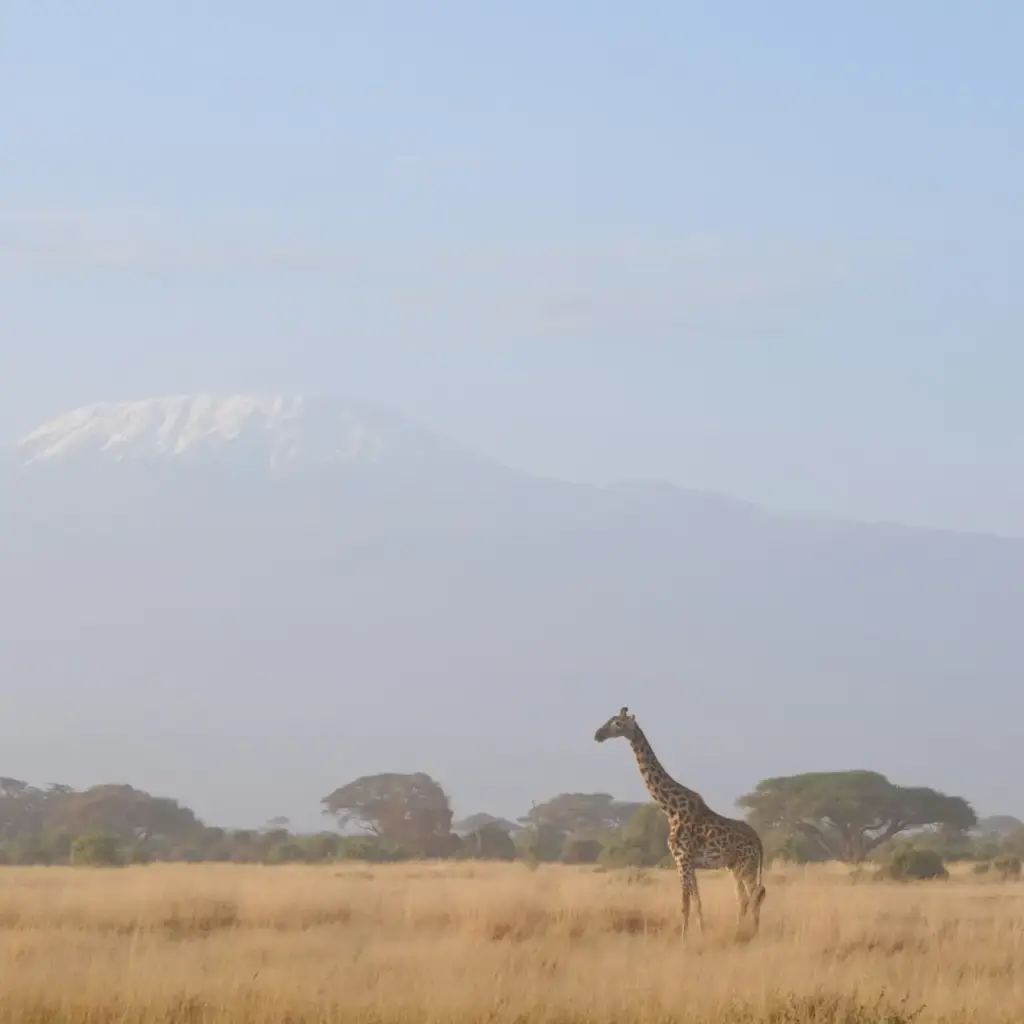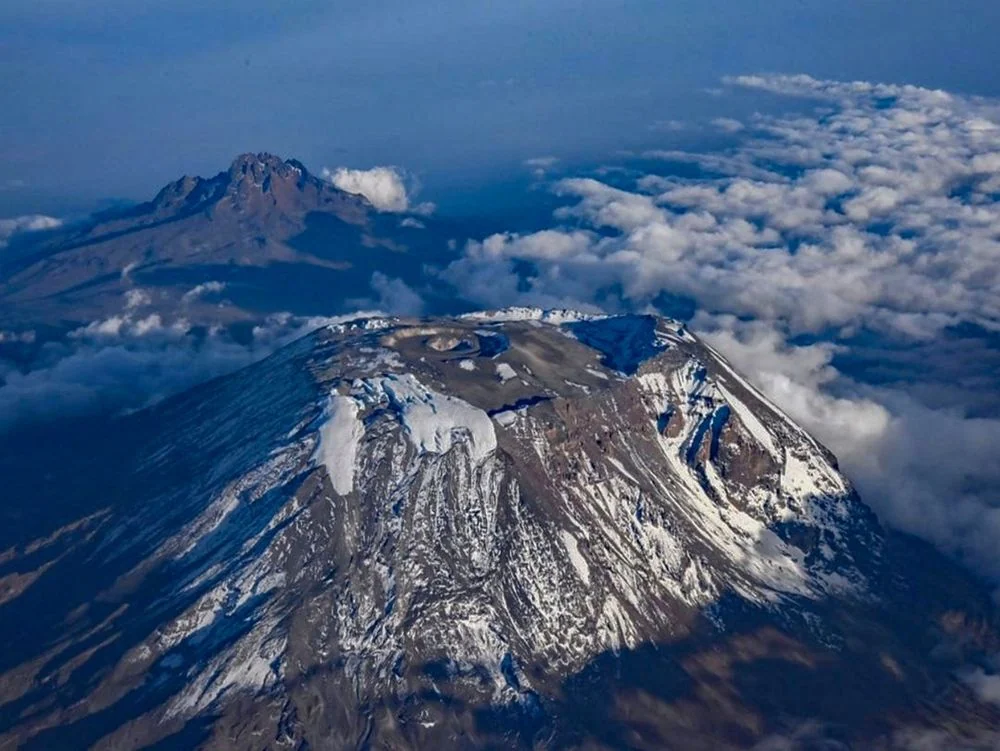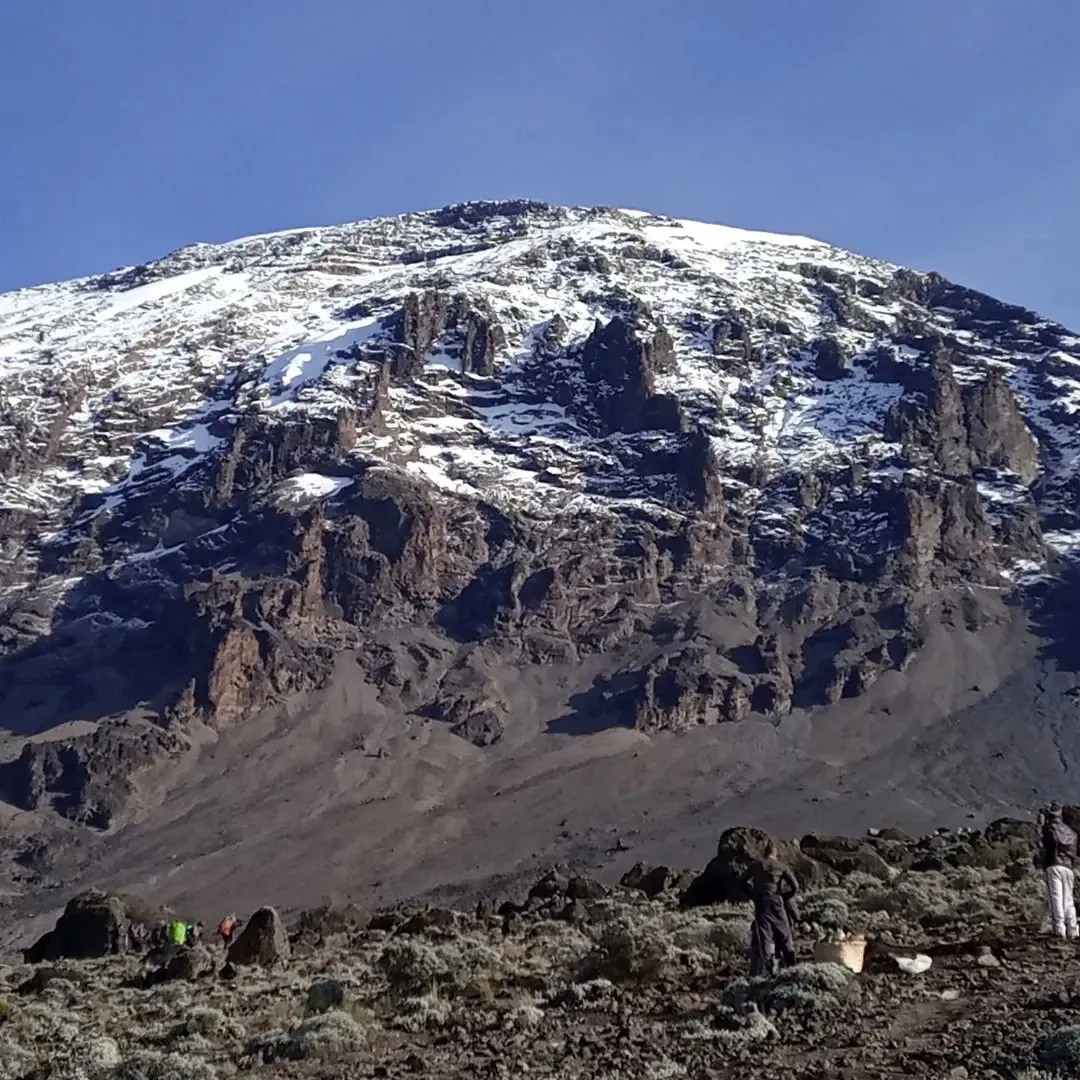
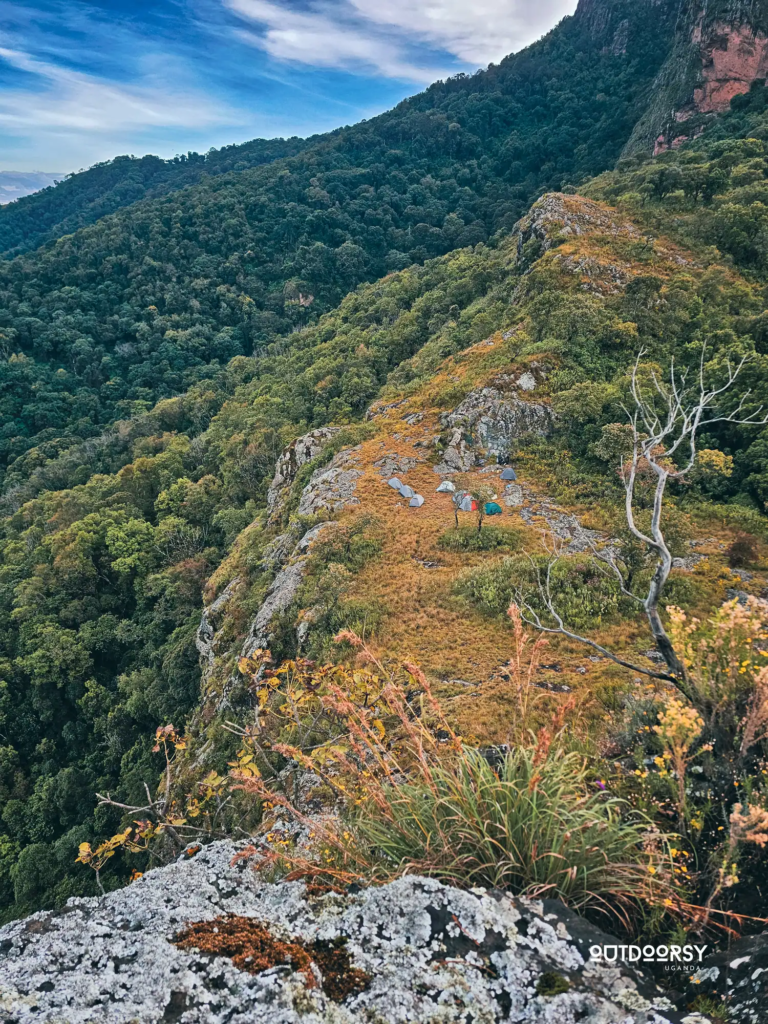
Kilimanjaro, Tanzania
Kilimanjaro is Africa's highest mountain at 5,895 metres, and its summit, Uhuru Peak, is one of the most famous trekking goals in the world. Several routes reach the top, including Machame, Lemosho, Rongai, Marangu, Umbwe and the Northern Circuit. Longer routes give better acclimatisation and higher success rates. Read our Kilimanjaro climbing routes guide for route-by-route detail.
Mount Meru, Tanzania
Mount Meru, at 4,566 metres, rises above Arusha National Park and is usually climbed in three to four days with an armed ranger. It is steeper and quieter than Kilimanjaro, with spectacular views of the crater and, on a clear morning, of Kilimanjaro itself. It also makes an excellent acclimatisation climb before attempting Kilimanjaro. See our Mount Meru trek guide.
The Rwenzori Mountains, Uganda
The Rwenzori Mountains, often called the Mountains of the Moon, are a glaciated range on the Uganda and Congo border, with Margherita Peak on Mount Stanley reaching 5,109 metres. The treks pass through bamboo, giant heather and moss-draped forest, with lakes and snow peaks above. It is wilder and wetter than Kilimanjaro, and it suits trekkers who want a quieter route. See our Rwenzori trekking routes.
Mount Kenya
Mount Kenya is Africa's second highest mountain, with Batian at 5,199 metres. Point Lenana, at 4,985 metres, is a popular trekking peak that does not need technical climbing, while Batian and Nelion need rock climbing skills. The routes pass through alpine moorland and glacial valleys, and the mountain is a UNESCO World Heritage Site.
Other mountains worth knowing
Ol Doinyo Lengai in Tanzania is an active volcano in the Rift Valley, usually climbed at night to reach the summit by dawn. Mount Longonot in Kenya is a short, rewarding hike around a volcanic crater. The Usambara Mountains in Tanzania and the Aberdares and Cherangani Hills in Kenya offer gentler walking. These smaller climbs suit travellers who want a mountain day without a multi-day commitment.
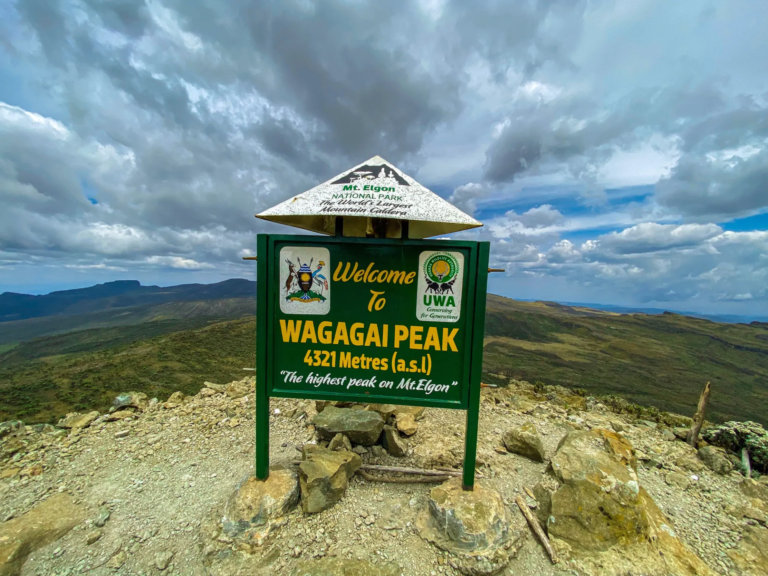
Mount Elgon, Uganda and Kenya
Mount Elgon is an extinct volcano on the Uganda and Kenya border, with Wagagai peak at 4,321 metres and one of the largest volcanic calderas in the world. Hikes range from short walks to multi-day treks, with caves, waterfalls, hot springs and a gentler, quieter feel than higher peaks. See our Mount Elgon hiking trails.
Virunga volcano hikes: Bisoke, Karisimbi and Mgahinga
Rwanda's Mount Bisoke, at around 3,700 metres, is a rewarding day hike to a crater lake. Mount Karisimbi, at 4,507 metres, is the highest of the Virunga volcanoes and is usually climbed as a two-day trek with an overnight camp. In Uganda's Mgahinga Gorilla National Park, the volcanoes Sabyinyo, Gahinga and Muhabura offer day hikes with forest and views. These climbs pair naturally with gorilla trekking in Volcanoes and Mgahinga.
Choosing the right mountain
Match the mountain to your fitness, time and interests. Kilimanjaro rewards a well-paced multi-day trek. The Rwenzori suit travellers who want a quieter, wilder route. Bisoke and Elgon work as day or short overnight hikes, Meru is a good warm-up, and Mount Kenya suits experienced trekkers. Tell us your experience and we will recommend a route.
Altitude and preparation
Altitude is the main challenge on higher peaks. Slow ascents, hydration, enough acclimatisation days and listening to your guide reduce risk. Train with long hikes and stair work for several weeks before you go and carry layers for every climate zone. Travel insurance that covers trekking and evacuation is essential.
Best time to climb in East Africa
The best months follow the dry seasons. For Kilimanjaro and Meru that is roughly January to March and June to October. For the Rwenzori and Mount Elgon it is roughly December to February and June to August. For Rwanda's volcanoes, the dry months from June to September and December to February are easiest, though mist and rain can occur at any time. Conditions change from year to year so we check before we plan.
Combining a climb with a safari
A common plan is a mountain trek followed by a few days of wildlife, so tired legs can rest in a vehicle. Climb Kilimanjaro or Meru and then visit the Serengeti, or hike the Virunga volcanoes and add gorilla trekking in the same area. We arrange guides and porters through licensed operators and plan the extra days that make summits more likely.
Mountain climbing safety and guides
Use licensed guides and porters, check that your operator follows park rules and fair porter treatment and carry essential gear, including a headlamp, layers, rain protection and sun protection. A good guide watches for altitude sickness, sets a slow pace and makes the call to turn back when needed. Ask about emergency evacuation cover and confirm that your insurance includes it before you go.
At a glance
- Allow acclimatisation days on higher mountains
- Pack layers for every climate zone
- Travel insurance that covers trekking is essential
- Combine a climb with gorilla trekking or a wildlife safari
Keep exploring
- Kilimanjaro climbing routes
- Mount Meru trek
- Rwenzori trekking routes
- Mount Elgon hiking trails
- Mount Bisoke
- Mount Karisimbi
- Mountain trekking experiences
- Adventure safaris
- Tanzania safaris
- Uganda safaris
Plan a safari around Mountain Climbing in East Africa: Kilimanjaro, Rwenzori, Mount Kenya and More
Tell us your dates and what you most want to see, and we’ll time your safari to match it as closely as nature allows. Talk to us, or browse our safari packages to see how a migration-timed itinerary is put together.
Mountain Climbing in East Africa: Kilimanjaro, Rwenzori, Mount Kenya and More