19 Day Luxury Tanzania Grand Safari: Crater, Calving Plains and Ruaha
Empakaai and Ngorongoro, four nights at Ndutu, four in the central Serengeti and six in Ruaha.
Go beyond the expected.
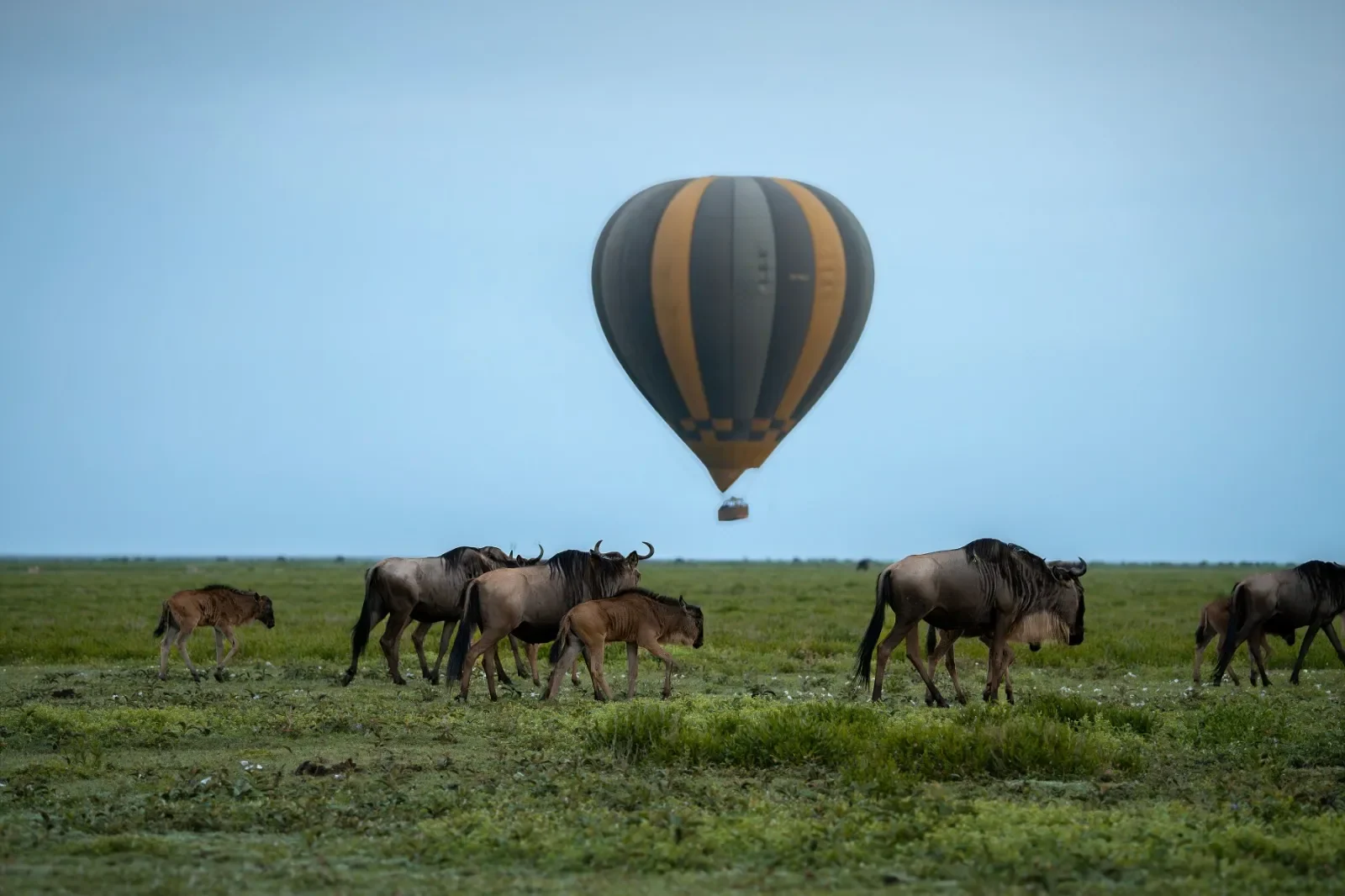
A long luxury safari for people who want time. Hike Empakaai Crater, descend into Ngorongoro, spend four nights at Ndutu for the calving plains, four in the Seronera valley and six in remote Ruaha.
- Empakaai Crater hike
- Ngorongoro Crater floor
- Four nights at Ndutu in calving season
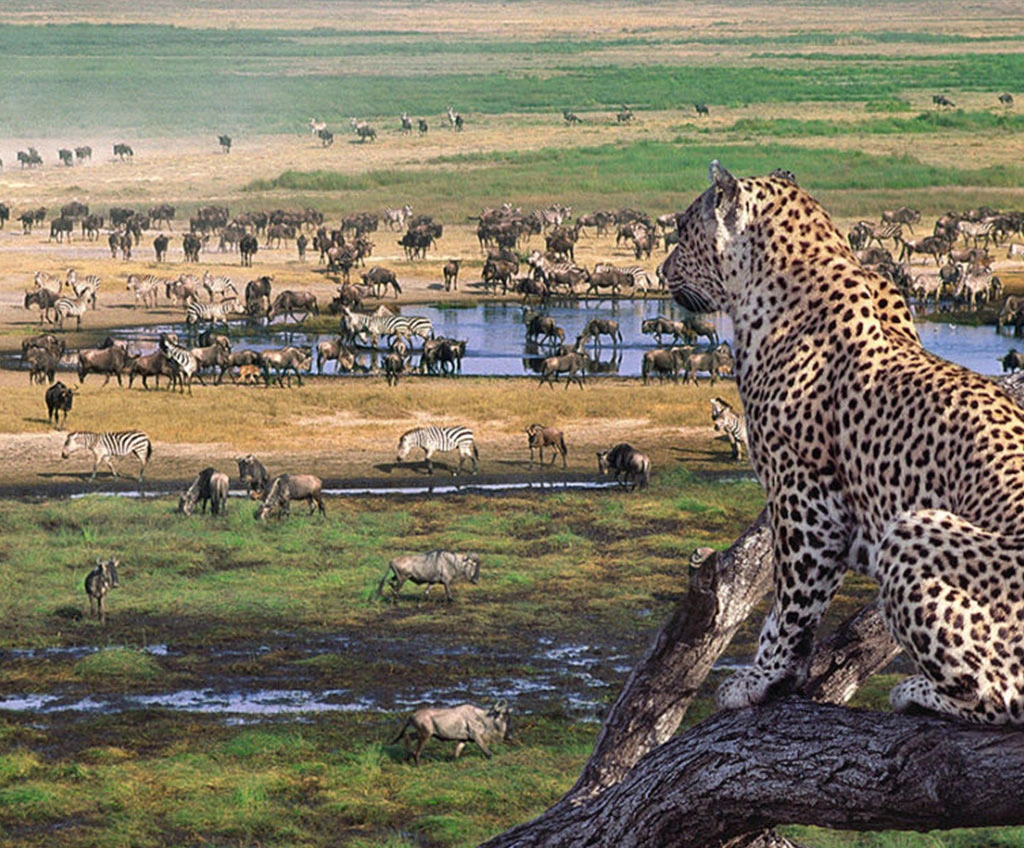
- Central Serengeti leopard country
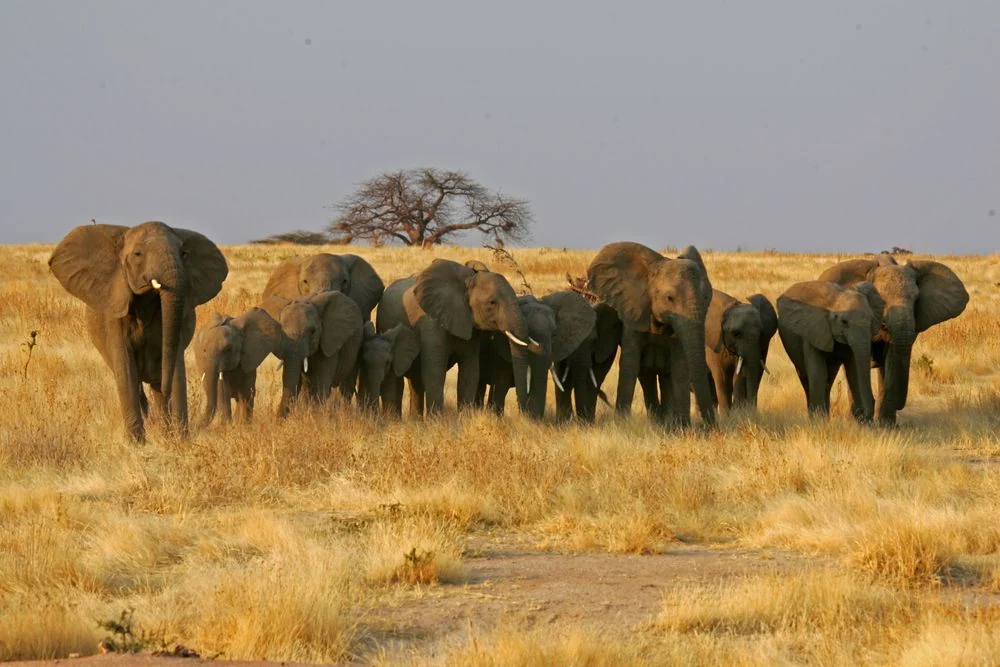
- Six nights in Ruaha for wild dogs and elephants
What's included
Included
- Airport transfers
- Private pop-up roof 4x4 safari vehicle with driver-guide
- Accommodation and meals as specified
- Park and reserve entrance fees for the activities listed
- Flights as listed (Serengeti to Ruaha, Ruaha to Arusha)
Not included
- International flights
- Visa fees
- Travel insurance
- Tips and gratuities
- Personal expenses
- Alcoholic beverages
Confirm current park fees, permit availability, accommodation and pricing before booking, since these can change with season and demand. Access to remote areas should be confirmed before travel.
Day by day
Day 1 Arrival in Arusha
Arusha
Arrive at Kilimanjaro Airport and transfer to a hotel in Arusha.
Day 2 Empakaai Crater walk
Ngorongoro Conservation Area
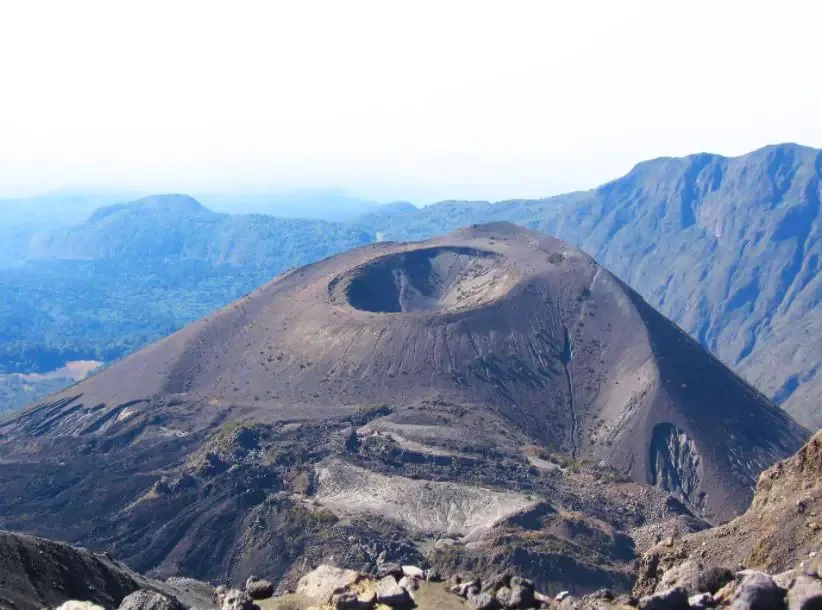
After a short briefing, drive to the Conservation Area and walk down to Empakaai Crater with an armed ranger, past strangler figs and birdlife to a flamingo lake.
Day 3 Ngorongoro Crater
Ngorongoro Crater
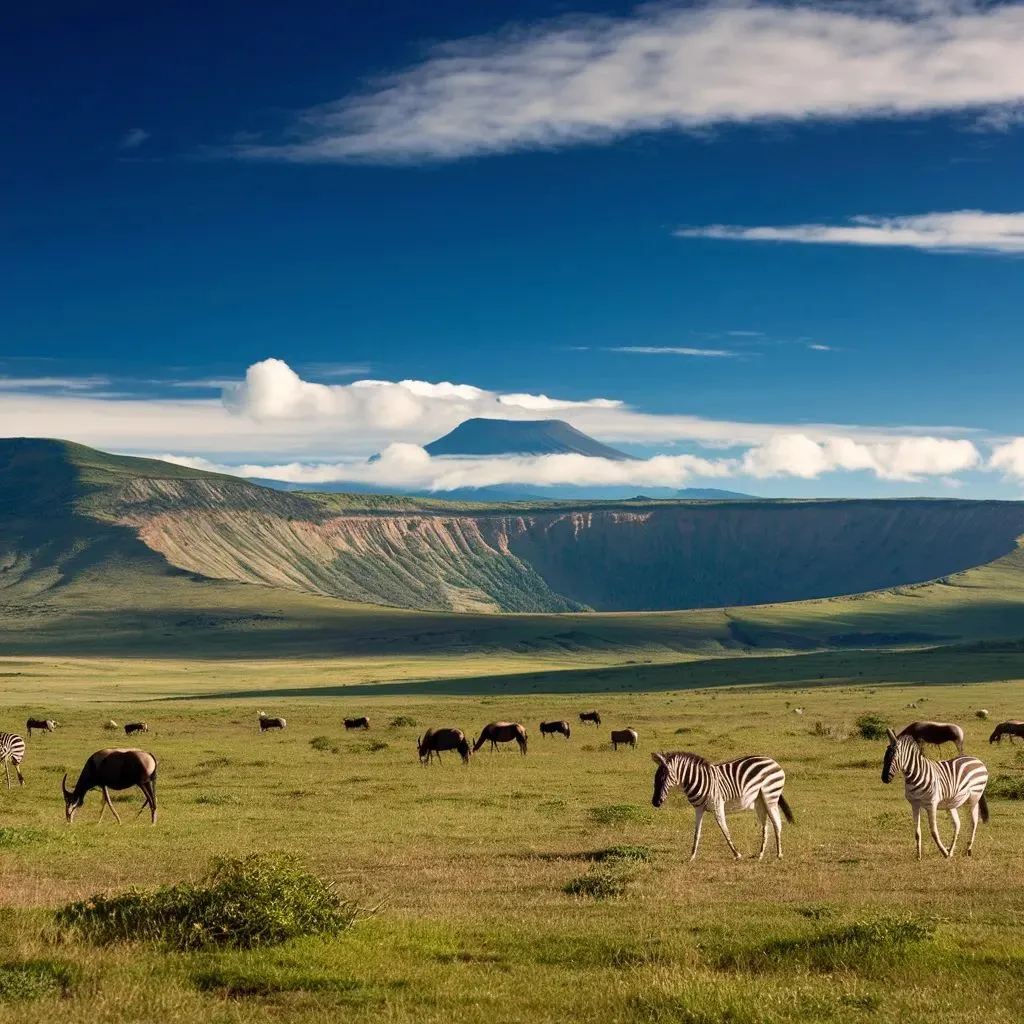
Descend 600 metres onto the crater floor for a full day of game viewing with a picnic lunch, then return to the rim.
Day 4 To Ndutu
Ndutu
Game drive across the Conservation Area to Ndutu, on the southern Serengeti border.
Day 5 Ndutu full day
Ndutu
A full day with packed lunches among the herds, newborns and resident wildlife.
Day 6 Ndutu full day
Ndutu
Another full day at Ndutu, with a sundowner back at camp.
Day 7 Ndutu full day
Ndutu
A last full day on the Ndutu plains.
Day 8 To the central Serengeti
Seronera
Cross into the Serengeti National Park for game drives toward Seronera.
Day 9 Seronera full day
Seronera
A full day in the central Serengeti, famous for leopards along the Seronera River, with a packed lunch or lunch back at camp.
Day 10 Seronera full day
Seronera
Another day of game drives, with an evening drive if you wish.
Day 11 Seronera full day
Seronera
A last day in the central Serengeti.
Day 12 Fly to Ruaha
Ruaha National Park
Fly from the Serengeti airstrip to Ruaha and enjoy a first game drive.
Day 13 Ruaha full day
Ruaha National Park
A full-day game drive with a bush lunch. Ruaha has more elephants than any other park in East Africa, plus kudu, sable and roan antelope.
Day 14 Ruaha full day
Ruaha National Park
Another full day for wild dogs, lions, leopards and cheetah.
Day 15 Ruaha full day
Ruaha National Park
A full day of game drives, with more than 570 bird species recorded.
Day 16 Ruaha full day
Ruaha National Park
Another full day in the park.
Day 17 Ruaha full day
Ruaha National Park
A final full day of game drives with a bush lunch.
Day 18 Ruaha last morning and return to Arusha
Ruaha and Arusha
A final game drive, then fly to Arusha and transfer to a hotel in the town centre.
Day 19 Departure
Arusha
A relaxed morning before check-out and a transfer to Kilimanjaro Airport.
Travel Guide
Knowledge connected to this page
Read planning and destination stories connected to this Offmap entity.
East Africa Gorilla Trekking Multi-Country Safaris
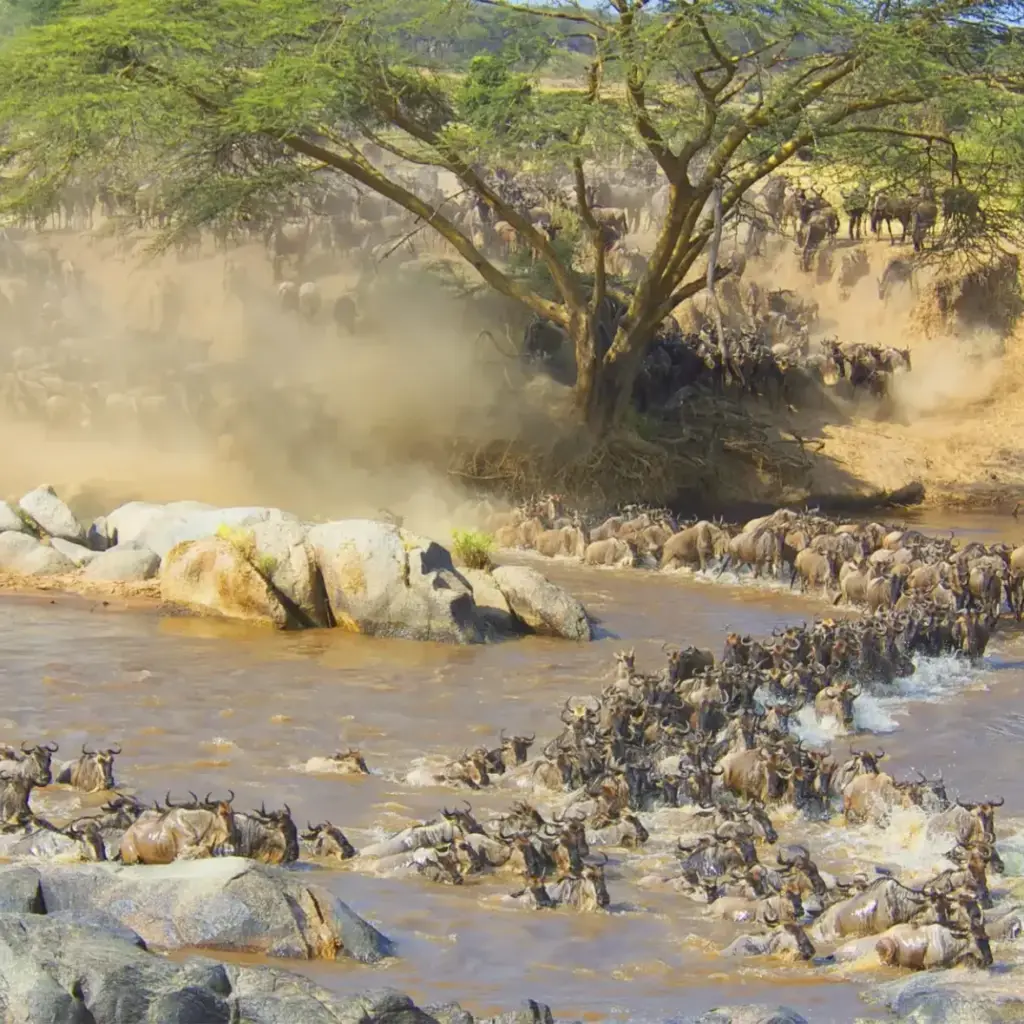
Kenya, Tanzania and Uganda Gorilla Safari: Routes and Planning
Plains, craters and gorillas across three countries.
East Africa Birding Planning a Safari
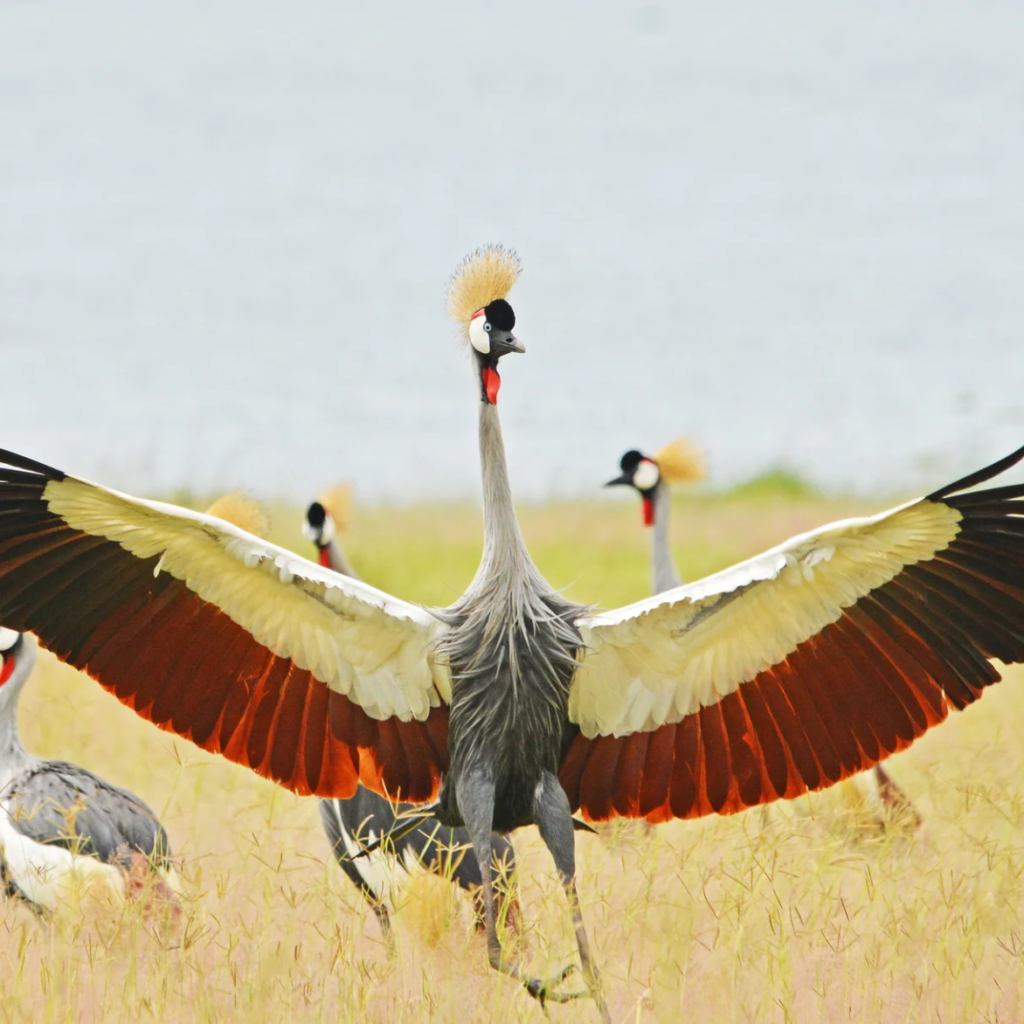
Best Time for Birding in East Africa, Month by Month
Match your dates to the birds, not just the weather.
East Africa Adventure Planning a Safari
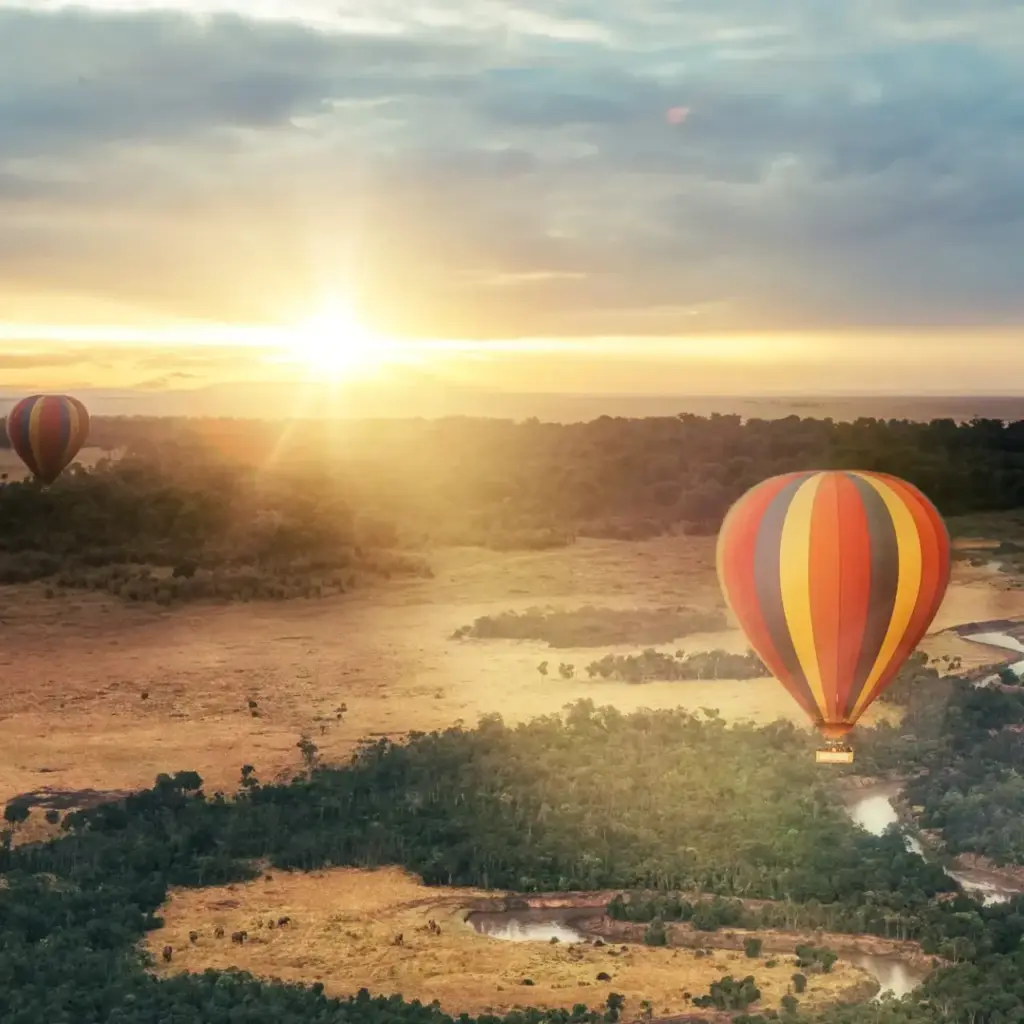
Masai Mara Hot Air Balloon Safari: What to Expect
The flight, the breakfast and what to ask before you book.
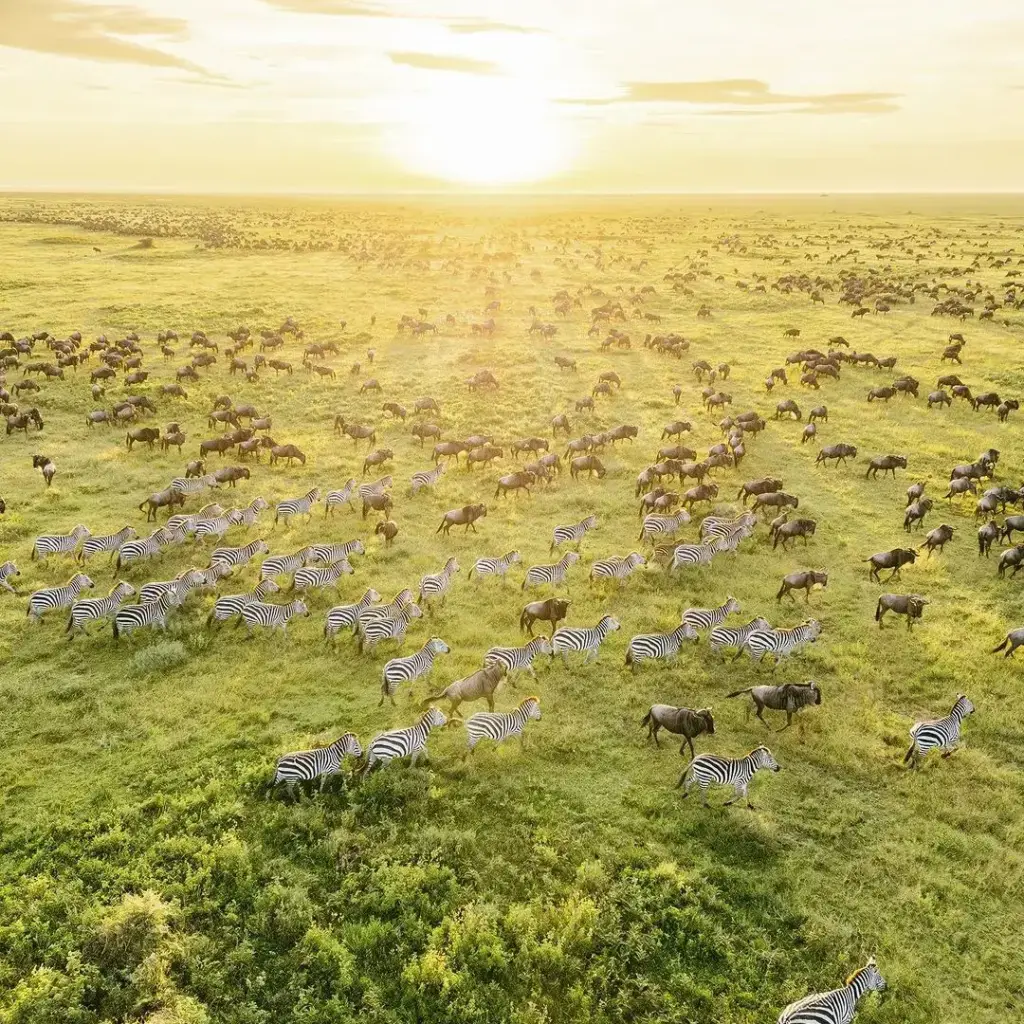
Tanzania Getting Around Planning a Safari
Tanzania Safari and Zanzibar Itinerary: 7, 10 and 14 Days
Day by day outlines for 7, 10 and 14 days.
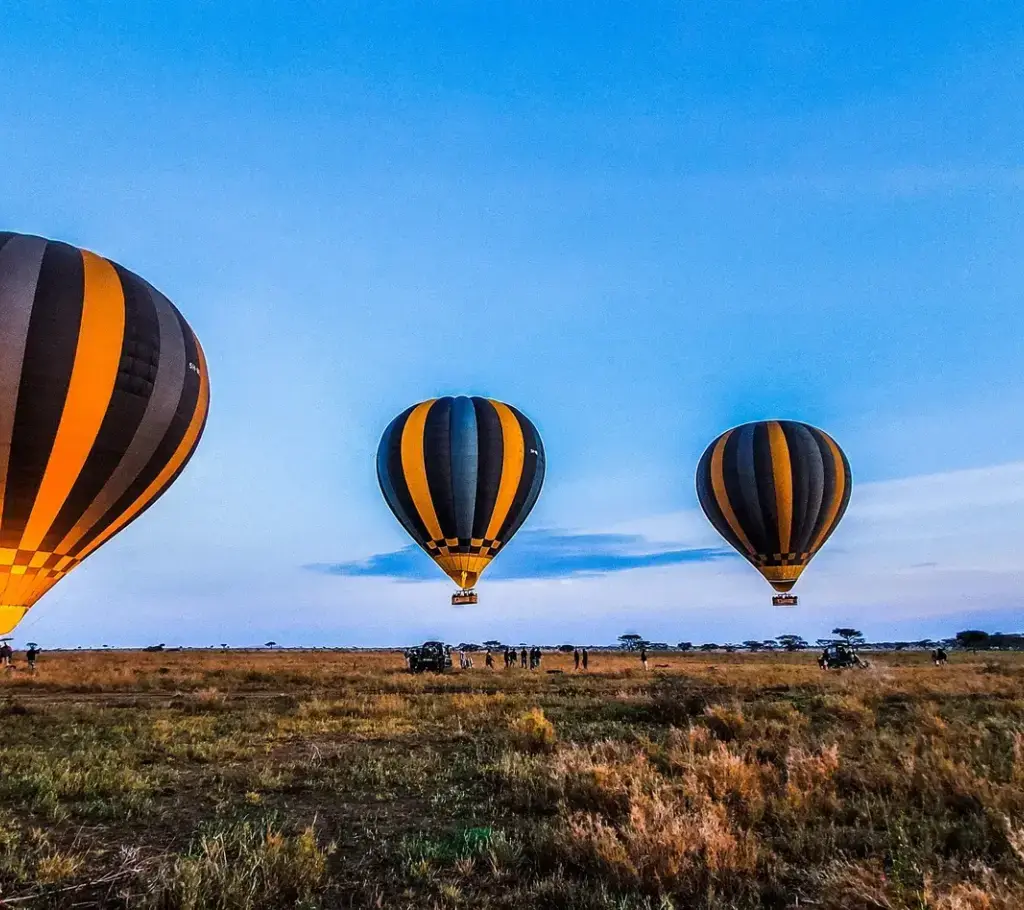
Tanzania Adventure Planning a Safari
Serengeti Hot Air Balloon Safari: Dawn Flight and Breakfast
A dawn flight over the plains, then a breakfast in the bush.

Tanzania Planning a Safari When to Visit
Best Time to Visit Tanzania: Month by Month for Safari and Zanzibar
Dry season, calving season, rains and Zanzibar weather.
Ready to plan this Safari?
Start with the places and experiences that matter to you. We will shape the Safari around them.
Plan This Safari →Need to know?
Questions about 19 Day Luxury Tanzania Grand Safari: Crater, Calving Plains and Ruaha
Can I combine a Tanzania safari with Zanzibar?
Yes, this is one of the most popular East African combinations; a Serengeti or Ngorongoro safari followed by several days on Zanzibar’s beaches, connected by a short flight.
Do I need a visa to visit Tanzania?
Most nationalities need a visa for Tanzania, commonly available as an e-visa applied for online before travel. Requirements vary by nationality, so confirm current guidance for your passport ahead of your safari.
How many national parks does Tanzania have?
Tanzania protects its landscapes across more than twenty national parks, alongside conservation areas and game reserves that together cover roughly a third of the country’s total area; one of the highest proportions of protected land of any country in the world.
Is climbing Kilimanjaro part of a normal safari?
Kilimanjaro is usually planned as its own multi-day trek (typically 6–9 days depending on route) either before or after a separate safari itinerary, rather than combined into the same days, since it requires its own acclimatisation schedule.
Is Tanzania or Kenya better for a first safari?
Both offer excellent safaris across largely the same ecosystem, and the choice often comes down to which side of the Serengeti-Mara border better fits your dates and interests: we’re happy to talk through the trade-offs for your specific safari.
What is the best time to visit the Serengeti?
The Serengeti has strong wildlife viewing year-round, but timing depends on what you want to see: the calving season is roughly January–March in the southern plains, and the dramatic river crossings typically happen around June–September in the north as the migration moves toward Kenya.