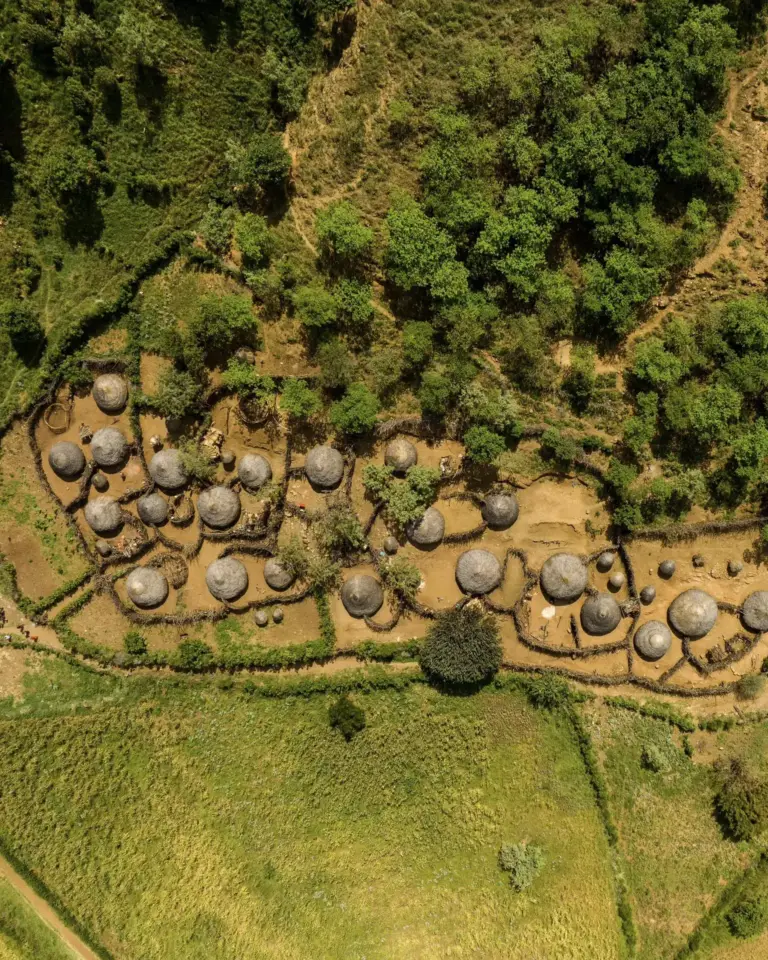

Iby’Iwacu Cultural Village, Rwanda
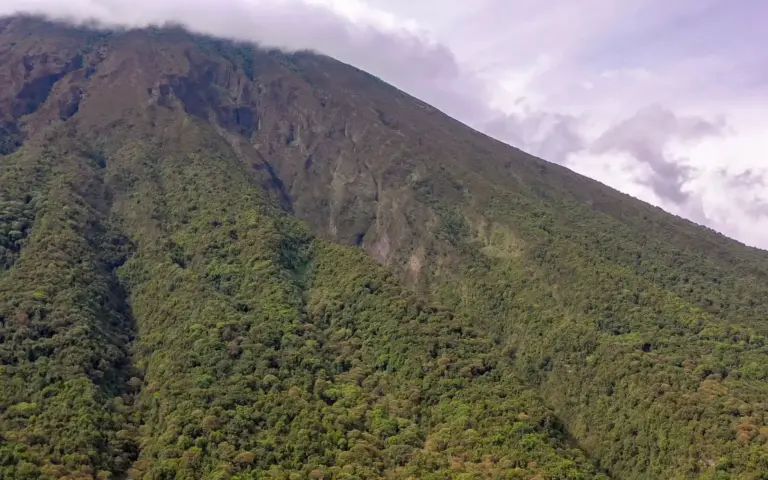
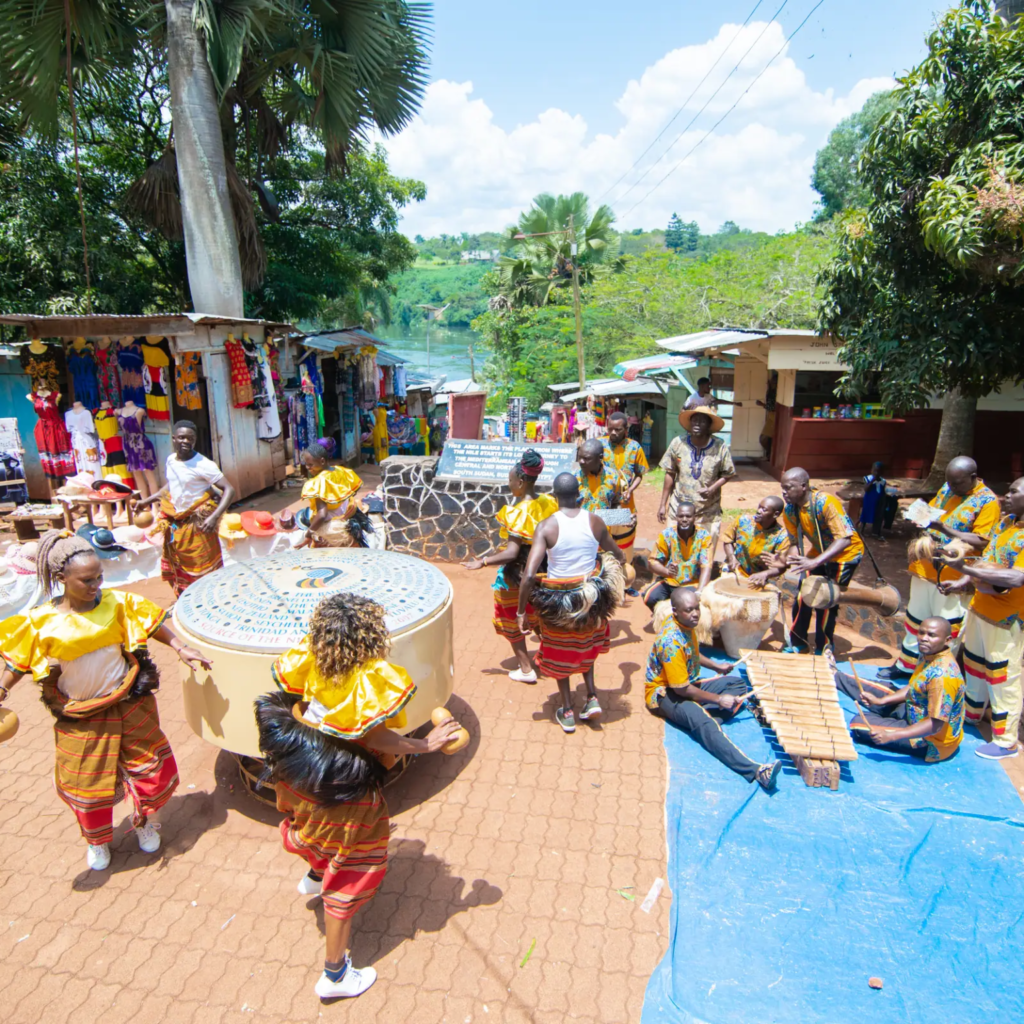
Iby’Iwacu, meaning “our heritage,” sits just outside Volcanoes National Park and was founded specifically to give former poachers and local Batwa families an income tied to conservation rather than to hunting or forest encroachment. Visitors are led through demonstrations of traditional dance, house-building and healing practices, and most of what’s charged goes directly to the community members performing and hosting rather than to an outside operator, a model UNESCO and several tourism bodies have highlighted as a template elsewhere in the region.
The Batwa communities of southwestern Uganda
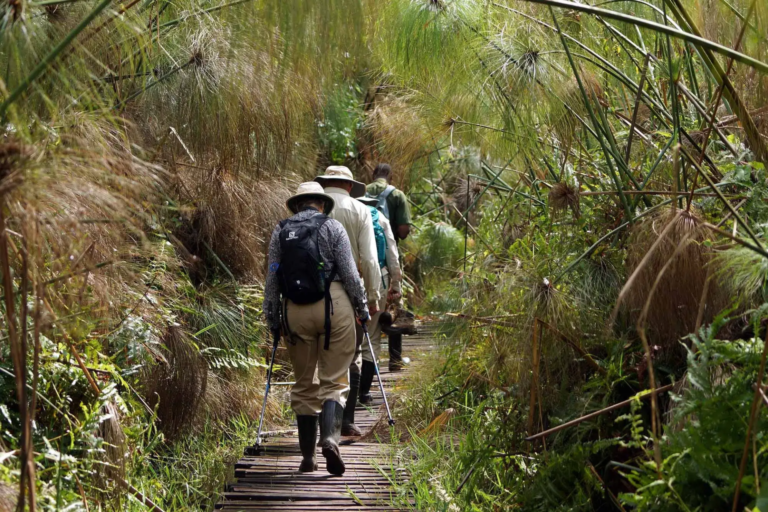
The Batwa were the original forest-dwelling inhabitants of the forests that became Bwindi and Mgahinga, relocated when the parks were gazetted for gorilla conservation in the early 1990s and left without access to the forest that had sustained them for generations. The Batwa Cultural Experience near Bwindi and the Batwa Trail at Mgahinga are both community-run, letting Batwa elders demonstrate hunting, foraging and fire-making skills their communities can no longer practise inside the park boundary, with proceeds supporting resettled Batwa villages directly.
Lake Bunyonyi’s island and shoreline communities
Lake Bunyonyi‘s terraced shoreline is farmed by communities who have lived around the lake for generations, and several lodges here work directly with local guides for canoe crossings between islands, visits to island schools and churches, and walks through the terraced hillside farms that give the lake its distinctive scenery. It is a lower-key, less structured form of community tourism than a dedicated cultural village, built more around genuine day-to-day village life than a set programme.

Maasai villages, Kenya and Tanzania
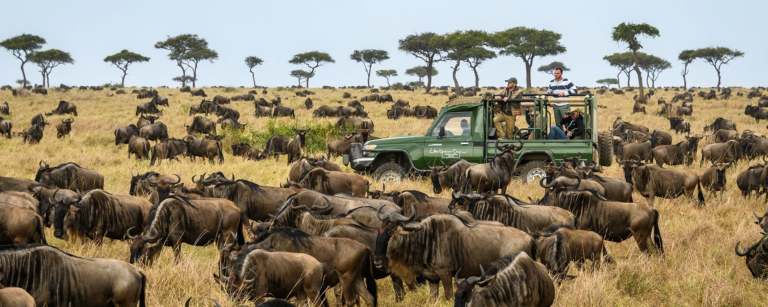
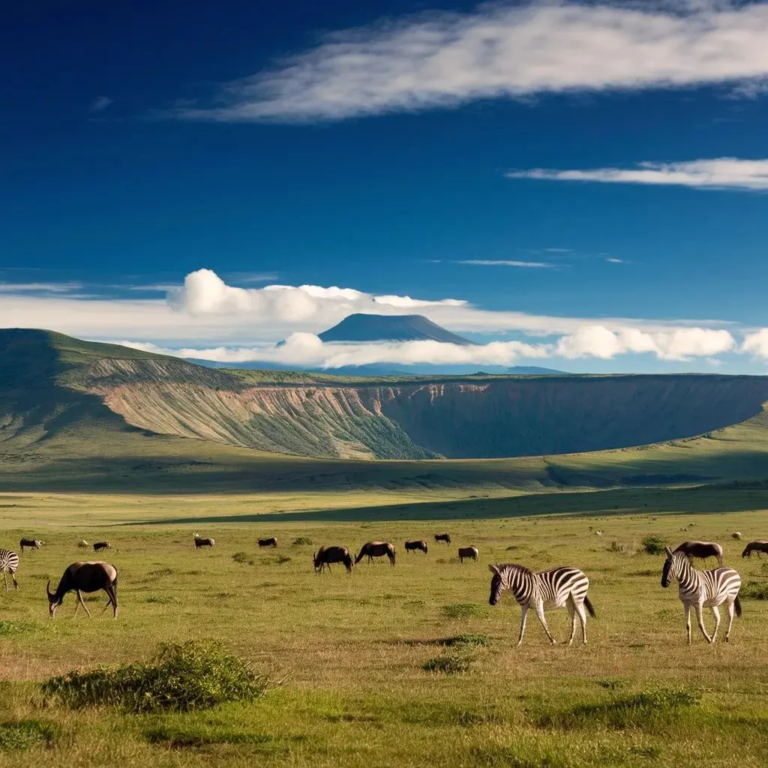
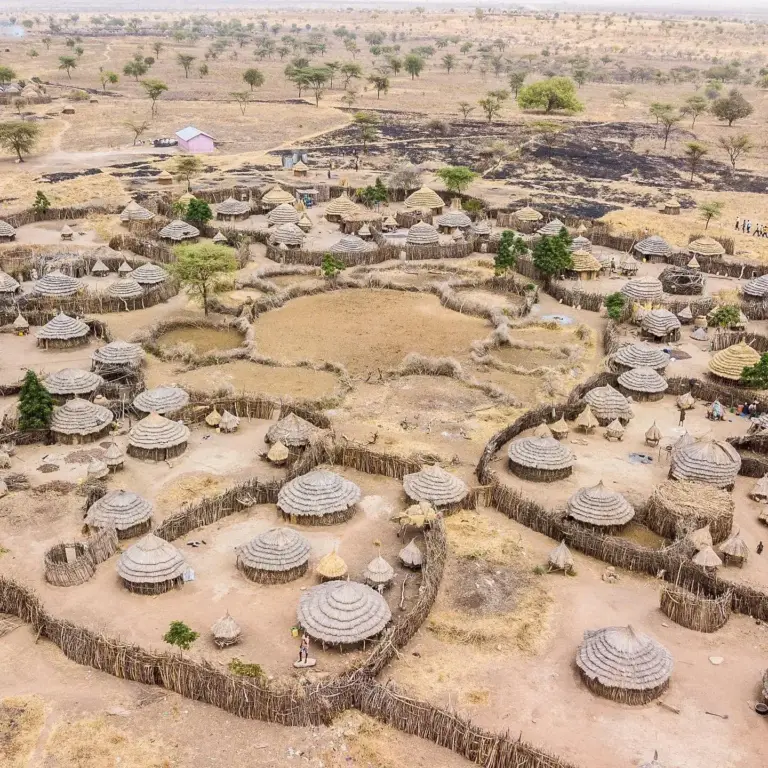
Maasai communities living alongside the Maasai Mara and the Ngorongoro Conservation Area host village visits that typically include a welcome dance, a look inside a traditional boma homestead, and a chance to buy beadwork directly from the women who made it. Quality and authenticity vary considerably between operators, and the more worthwhile visits are arranged through lodges with a long-standing, direct relationship with a specific village rather than a generic stop added to a game-drive route.
What a community visit typically involves
Most community experiences run two to three hours and combine a guided walk through homesteads or farmland with a demonstration of a specific skill, whether dance, craft-making, traditional building, or foraging, followed by a chance to buy handmade goods directly from their makers. Because the format depends heavily on the specific community and project, it is worth asking in advance exactly where visit fees go, since the most credible community tourism projects are transparent about how proceeds are split.
Women’s cooperatives and craft income
Many community tourism projects across the region are run or staffed predominantly by women, from Iby’Iwacu’s dance and craft groups to the beadwork cooperatives that supply Maasai village visits and visit fees or direct purchases often represent a meaningful, reliable income stream for households that would otherwise depend entirely on farming or herding. Buying directly from the maker, rather than from a curio shop resupplied from elsewhere, is generally the more direct way to make sure that income reaches the person who made the item.
Choosing a credible project
The strongest community tourism projects in the region were founded by or in direct partnership with the community itself, often around a specific conservation or resettlement need, such as Iby’Iwacu’s ex-poacher retraining or the Batwa’s post-eviction resettlement, rather than built by an outside tour operator around a generic “village visit” template. Asking a guide or operator how a project started and who runs it day to day is usually enough to tell the difference.
Combining community visits with other activities
Community experiences work best as a half-day addition alongside the park or activity a community borders, rather than as a standalone outing: Iby’Iwacu fits naturally around gorilla trekking days in Rwanda, Batwa walks around a Bwindi gorilla trek, and Maasai village visits around a Mara or Ngorongoro game drive, since all of them sit on or near the same access roads travellers are already using.
What good community tourism looks like
Strong community projects share a few features. The community owns or helps manage the project, money is shared openly, and visitors are guided by local people who decide what is offered. Group sizes are limited, activities are explained in advance and there is time for conversation. Be wary of any visit that feels like a quick photograph stop, because that is rarely respectful or useful to the people involved.
Learning by doing
The most memorable visits are hands on. You might help prepare a meal over a fire, learn to weave a basket, try your hand at farming or join a lesson in a local school. These activities give you a small taste of the skills behind everyday life, and they often lead to laughter and friendship. Come with curiosity, a willingness to try, and a sense of humour about your own mistakes.
Giving back in a useful way
If you want to give something, ask your guide how best to do it. Purchasing crafts, paying fair fees and eating at community run restaurants all help directly. Donations are best made through a school, clinic or cooperative that can use them properly, rather than as gifts handed out on the road. We are happy to advise on projects we know and trust.
Time well spent
A good community visit does not need to be long. Two to three hours is usually enough to meet hosts, join one activity and share a meal or a drink, and it leaves time for the rest of the day. Come with an open mind and leave your schedule behind, because the best moments often happen between planned activities.
Planning your community visit
Tell us which park or region your itinerary already includes, and we will recommend the specific community project nearby with the strongest track record of putting visit revenue back into the community itself.