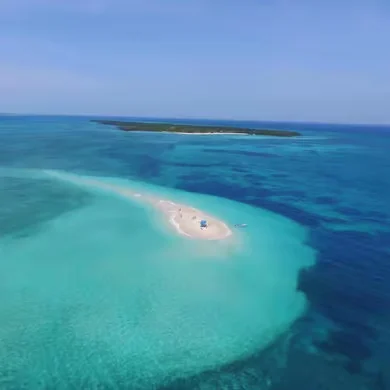
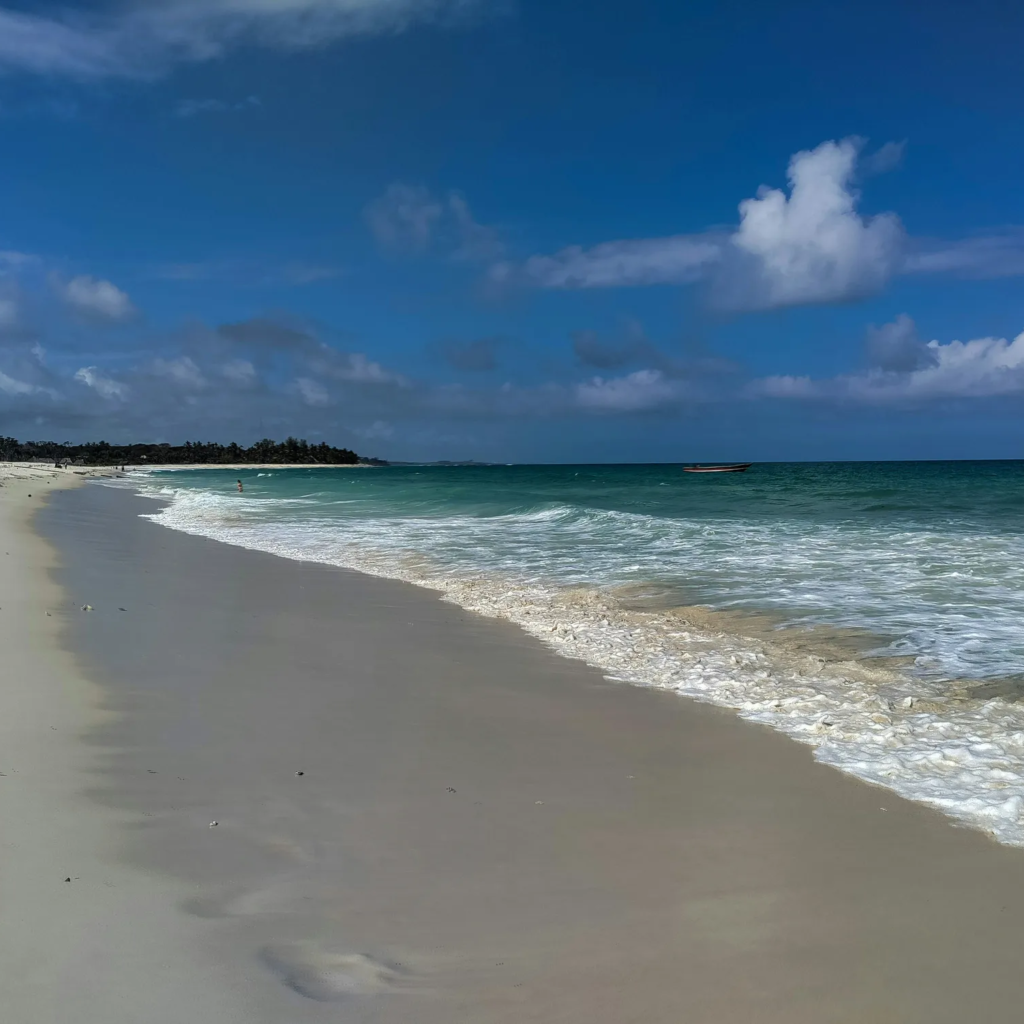
The best time for a Tanzania safari and Zanzibar holiday is usually from June through October, with January and February as a good second choice. These months are drier where wildlife is easier to see and the Indian Ocean is often calm and clear. The wetter months are not without appeal though they ask for more flexibility. This guide explains the seasons, the migration, calving, the ocean and which months overlap best.
The seasons in brief
Northern Tanzania has a quite long dry season from late June to October with a rather short dry spell in January and February with only two rainy periods. The short rains fall around November and December while the longer rains run from about March to May. Dates move from year to year so treat any month as a guide, not as a promise.
Zanzibar sits near the equator which makes it warm all year around. It follows a similar rhythm with heavier rain in the long rains, lighter showers in the short rains and drier, breezier weather from June to October. Our guide to the best time to visit Tanzania covers the mainland in more detail.

The dry season from late June to October
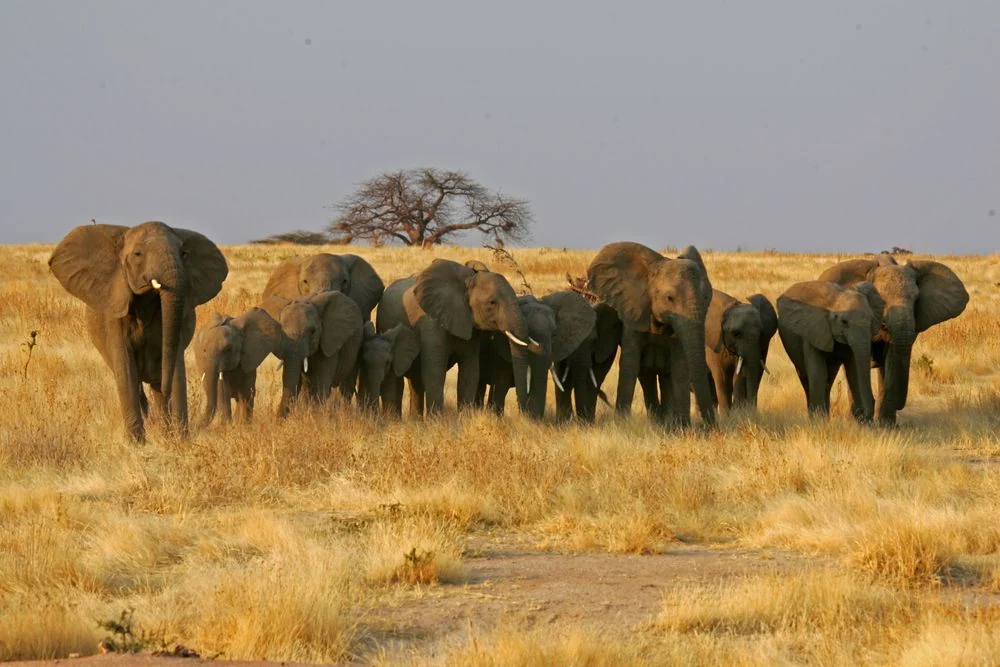
This is the classic period. Grass is short, rivers shrink and animals gather near waters which makes sightings easier. Mornings and evenings are cool, days are warmer and there is little rain. Roads and tracks are in good condition. Tarangire is especially rewarding at this time because its river draws elephants and other animals from a wide area and the Ngorongoro Crater floor is a reliable year-round choice. Dust can be a nuisance on drives so a scarf and a lens cloth are useful.
It is also the busiest time, so camps fill early and rates are slightly higher. In the northern part of the Serengeti, the herds often reach the Mara River between roughly July and October and crossings usually happens. Although they cannot be timed neither can a guide promise one. Our guide to the Great Migration by month explains how the herds move. On the coast, the ocean is usually calm and clear with comfortable air temperatures.
January to March and calving
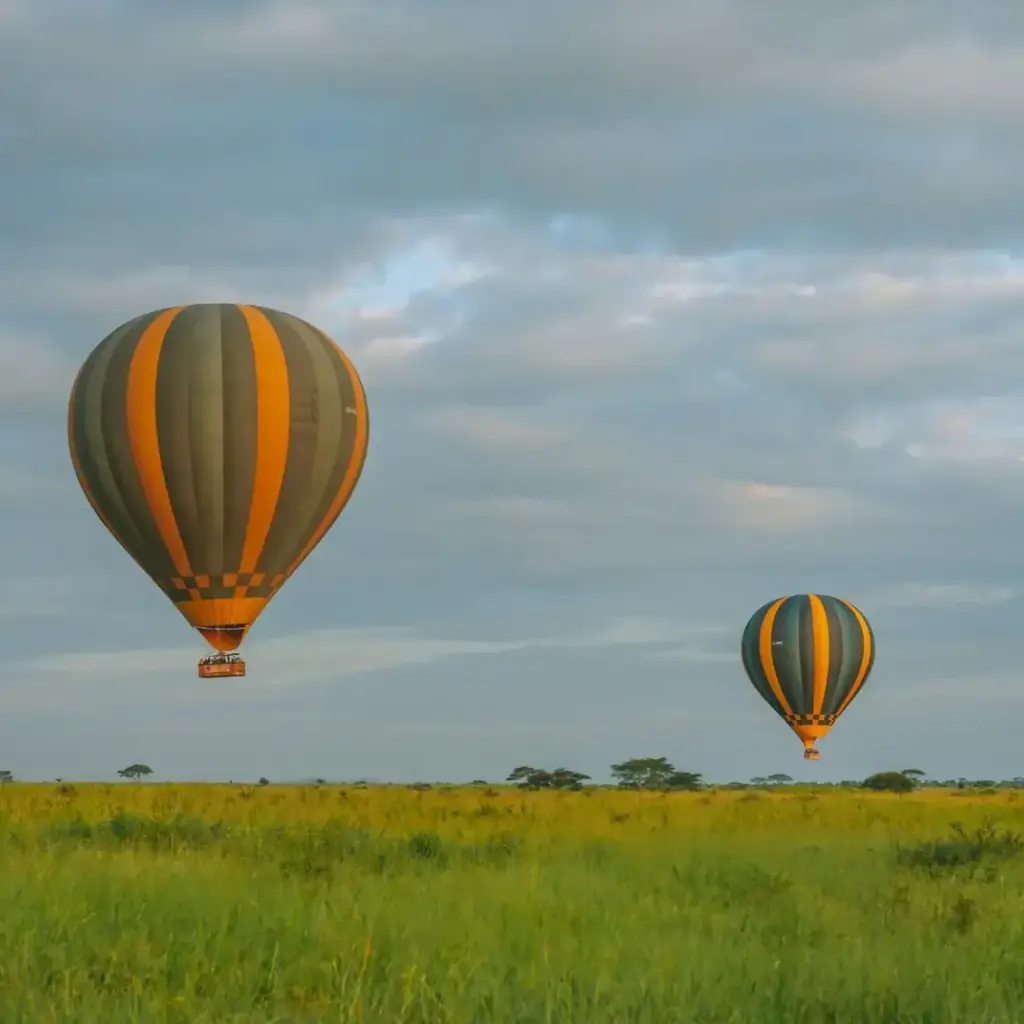
January through February are warm and often fairly dry and they bring the calving season on the southern plains around Ndutu and the Ngorongoro highlands. Many thousands of wildebeest calves are born in a short period usually in February and predators follow. It is a vivid time for wildlife photography with action on the grass.
March is the start of the longer rains and the weather becomes less predictable. On Zanzibar, January through February are slightly hotter and brighter which is a good time for swimming, though the water can be slightly less clear after rain. Expect stronger heat and some humidity with a sea breeze in the afternoons. Evening showers are common and usually brief and many guests find the lighting on the plains at this time of year beautiful for photographs.
The rains through March to May and November
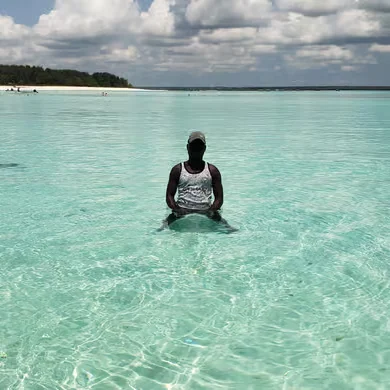
The long rains from March to May bring green landscapes, fewer visitors and lower rates at some lodges. Showers are often heavy but short and mornings can be bright. Some camps close for some part of this period while some roads / routes become slower. On the coast, rain can be heavy and the sea may be rougher causing a few beach hotels to temporarily close.
November and December bring shorter rains. Many days are still bright and the plains turn green quickly. This is a good shoulder choice for travelers who prefer fewer vehicles at sightings and those who accept some weather risk. Birdlife is good and migrant species arrive.
Which months overlap best
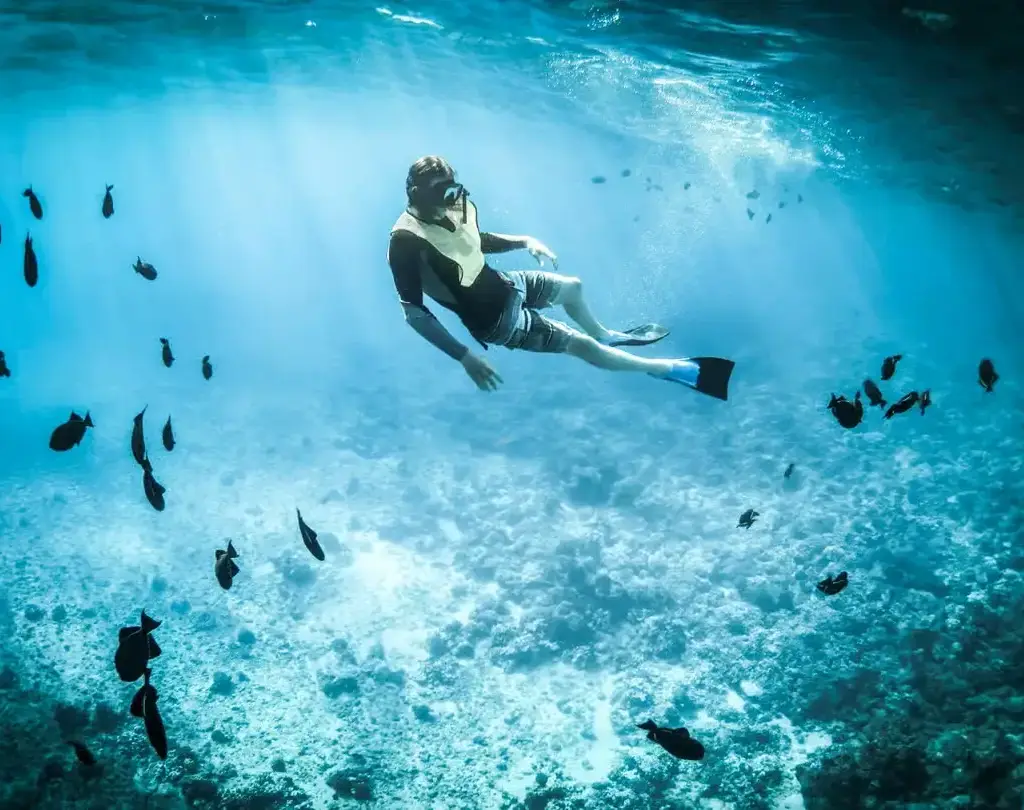
If you want the strongest overlap between wildlife and beach weather, aim for July to October. Wildlife is at its best, the ocean is generally clear and the air is warm without being sticky. January and February come next with calving on the plains and hot brighter days on the island.
June is a good compromise as the rains have ended, the landscape is still green and crowds have not peaked. Late October can be pleasant too but the first showers may arrive. The weakest overlap is April and May when rain affects both halves of the trip. Our overview of a Tanzania safari and Zanzibar holiday shows how the two parts fit together.
Practical tips for choosing your dates
A few points help you decide:
- Book well ahead for July to October and for the calving season when the best camps fill
- Choose the camp location by month since the herds move and the right area changes
- Pack layers for cool mornings and a light waterproof for the rains
- Allow a full day for the flight between the Serengeti and the coast
- See a doctor or travel health clinic six to eight weeks before you go since malaria and vaccine advice changes and Offmap is not a medical provider
If your dates are fixed by school holidays or work, tell us early. We will choose the camps and the beach area that suit those dates and we will say plainly what you can and cannot expect.
Reading the weather honestly
Rain patterns are changing and no month is guaranteed. A wet March can be dry and a dry August can bring a cold snap on the plains. The wildlife is present all year and the plains are never empty. What changes is the type of experience: dry months give open views and gathered animals while green months give lush scenery, fewer people and baby animals.
We plan with these trade-offs in mind and we check conditions close to your dates. When you ask for a quote, you will see exactly what is included and you can check current rates for the month you prefer.
We start with your dates and your wishes then choose lodges, guides, inland flights if necessary and transfers to suit you best. We explain what is fixed and what can change and our team handles and monitors after the trip from the first message to the last transfer. Browse our Tanzania safaris, or tell us your plans on the Plan My Safari page.
10-Day Tanzania Safari & Zanzibar Beach Escape
7-Day Tanzania Kilimanjaro, Manyara & Olduvai Safari
Mid-Range Safari in Tanzania: Lodges, Migration and Planning
Frequently asked questions
What is the best month for a Tanzania safari and Zanzibar holiday?
July to October is the strongest overlap. Wildlife viewing is at its best, rain is rare and the sea is usually calm and clear. January and February are a good second choice, with calving on the southern plains and hot, bright days on the coast.
When is the Great Migration in northern Tanzania?
The herds move through the year. They are often in the southern plains from January to March, in the western corridor around May and June, and in the north and at the Mara River from roughly July to October. Timing varies, and nothing is guaranteed.
Is it worth visiting in the rainy season?
Yes, for the right traveller. The landscape is green, there are fewer visitors and some rates are lower. Rain can interrupt game drives and beach days, some camps close and the sea may be rough. Be flexible and choose your camps with care.
When is the sea clearest in Zanzibar?
The sea is generally clearest and calmest in the drier months, from June to October and again in January and February. After heavy rain, visibility can drop for a while. Conditions also depend on the tide and the side of the island, so we choose the beach area with that in mind.
When is the calving season in the Serengeti?
Calving is usually centred on February in the southern plains around Ndutu, though it can start in late January and run into March. The exact timing follows the rains and grass. It is a lively time for wildlife, and we plan the camp location to suit it.