Key facts
- Best forest: Kibale National Park, near Fort Portal
- Other forests: Budongo, Kyambura Gorge, Toro Semliki and Kalinzu
- Time with the chimps: One hour once the group is found
- Habituation: A full day with a group still learning to accept people
- Permits: Limited, issued in advance and non-refundable
- Best months: Drier months for easier trails, tracking runs all year
Where to track chimpanzees in Uganda
Kibale National Park near Fort Portal holds the highest density of primates in Africa, with a large chimpanzee population and a dozen other primate species. Treks start twice a day, and trackers locate the group before you set off. It is the first choice for most travellers and for good reason.
Budongo Forest in the Murchison Falls area is a vast ironwood forest with wide, easy trails while Kyambura Gorge in Queen Elizabeth is a green gorge cutting through savannah. Toro Semliki and Kalinzu are quieter alternatives with smaller groups. Choose the forest that sits on the route you are already taking.
What a tracking morning involves
You gather at the park office for a briefing on distance, noise and hygiene, then walk into the forest with a ranger. When the chimps are found, you watch from several metres away for one hour. Expect feeding, grooming, play and loud calls that carry across the valley.
Trails can be muddy, steep and hot. Long trousers tucked into socks, sturdy boots, a rain jacket, water and a camera that copes with dark conditions are all useful. Anyone with a cold or similar illness is asked to stay behind to protect the apes.
Tracking or habituation
Tracking is the standard half day experience. Habituation is a full day with a group that is still learning to accept people, so you follow the chimps from the nest at first light until late afternoon. It suits photographers and returning visitors and carries a higher minimum age. Read about the chimpanzee habituation experience before you choose.
Permits and age limits
Permits are limited, issued in advance and non-refundable once issued. Confirm your dates before booking. A minimum age applies to tracking, at around twelve, to protect both the apes and young visitors. We arrange permits and book lodges near the trailhead for an early start.
Combining chimps with the rest of Uganda
Kibale sits between the gorillas of Bwindi and the game drives and boat cruises of Queen Elizabeth National Park, so a seven to ten day route covers all three. Budongo pairs with the Nile and boat trips at Murchison Falls. Browse our Uganda safaris for tested routes.
When to go and how to plan the day
Chimpanzees can be tracked in every month so the choice of season is about comfort rather than access. The drier months, roughly December to February and June to September, give firmer trails and easier walking, while the wetter months bring lush forest, fewer visitors and more mud. Morning treks begin early and are cooler, and afternoon treks suit travellers arriving from a long drive.
We plan the trek for the first full day after a rest so that you start fresh. Staying at a lodge close to the trailhead removes a long pre dawn drive, and a packed breakfast lets you leave on time. Allow the afternoon afterwards for a nature walk, a village visit or a quiet lunch.
What to pack for the forest
Wear long trousers tucked into socks, a long sleeved shirt in a neutral colour and boots with good grip. Gaiters help in mud, and gardening gloves protect your hands when you hold branches. A light rain jacket is essential in any month, and a small waterproof cover keeps your camera dry.
Carry at least a litre of water, a few snacks and insect repellent. Binoculars are useful for birds and monkeys on the way, and a fast lens or a high ISO setting helps in the dim light under the canopy. Leave the tripod behind, because the trail is narrow.
A sample route with chimps and gorillas
A popular nine day route flies into Entebbe, drives to Fort Portal for chimpanzee tracking in Kibale, continues to Queen Elizabeth National Park for a game drive and boat cruise, then moves on to Bwindi for gorilla trekking before returning to Entebbe or crossing into Rwanda. The route covers the best primate experiences in the country, with a savannah break in the middle.
Shorter versions drop the savannah and focus on Kibale and Bwindi while longer versions add Murchison Falls and Budongo. Tell us how many days you have and we will shape the plan.
Plan your Uganda chimpanzee tracking safari
Tell us your dates and how much time you have, and we will secure permits, choose the right forest and build the route around it. Start with Plan My African Safari, message us on WhatsApp at +256 701 243 304, or email [email protected].
Uganda chimpanzee tracking safaris

 Multi-Country
9 Day Volcanoes to Chimps: Rwanda and Uganda Crossing
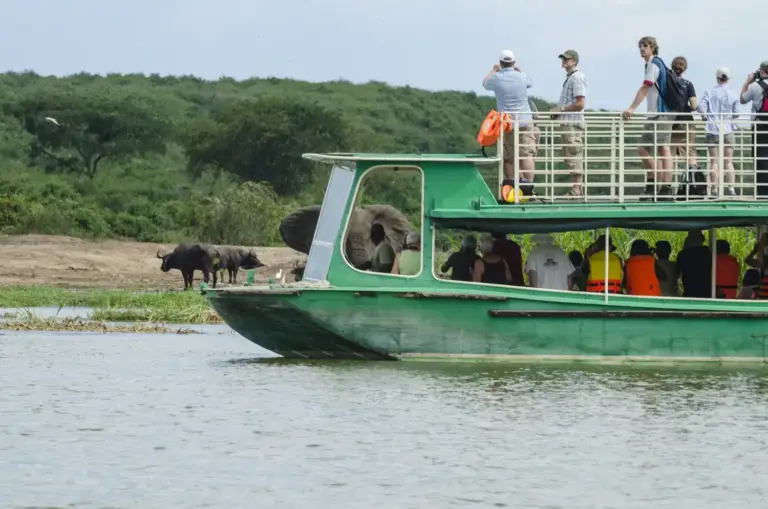
14 Day Uganda Wonders: Falls, Apes and Lakes
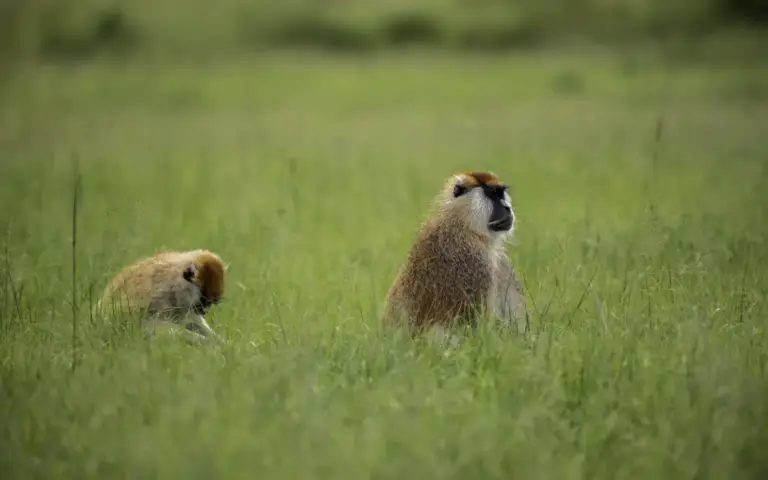
13 Day Uganda Culture, Chimps and Wildlife Safari

20 Day Pearl of Africa Grand Circuit: Ssese to Karamoja