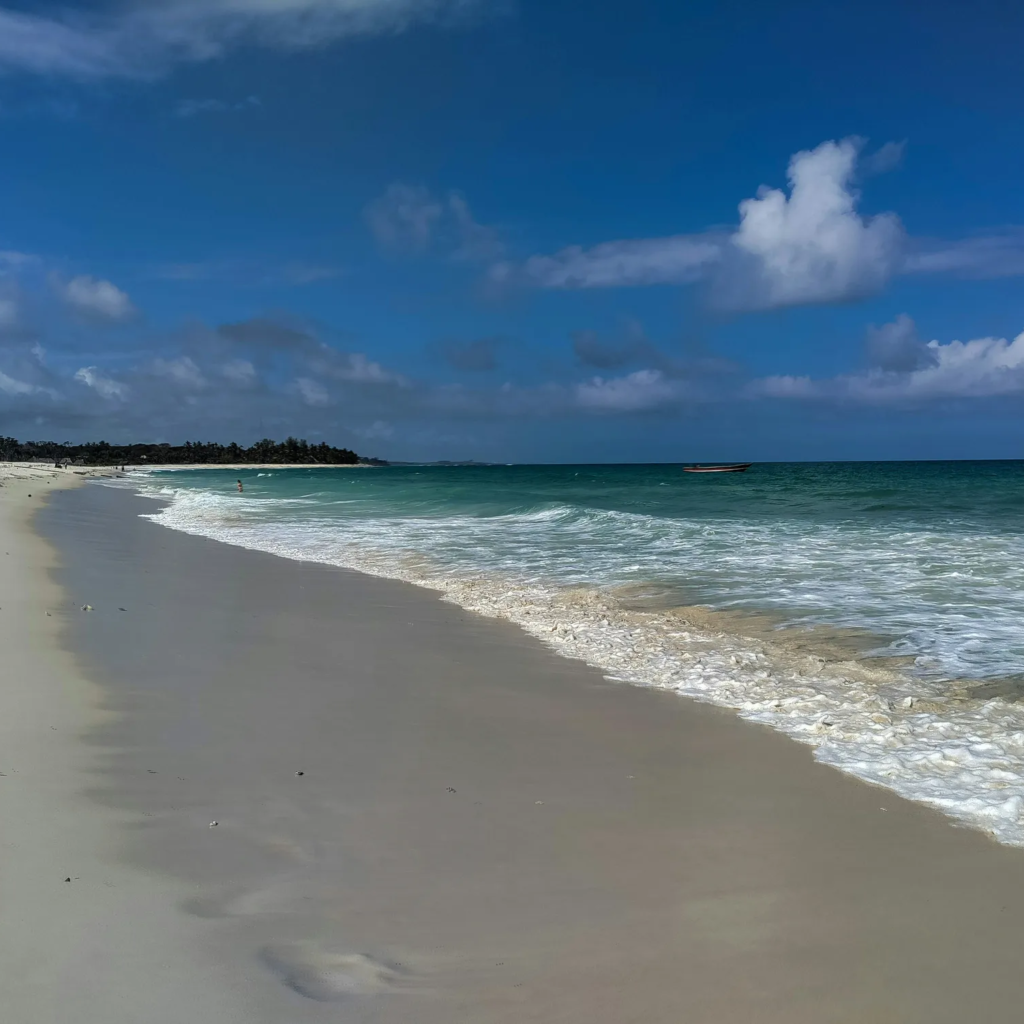
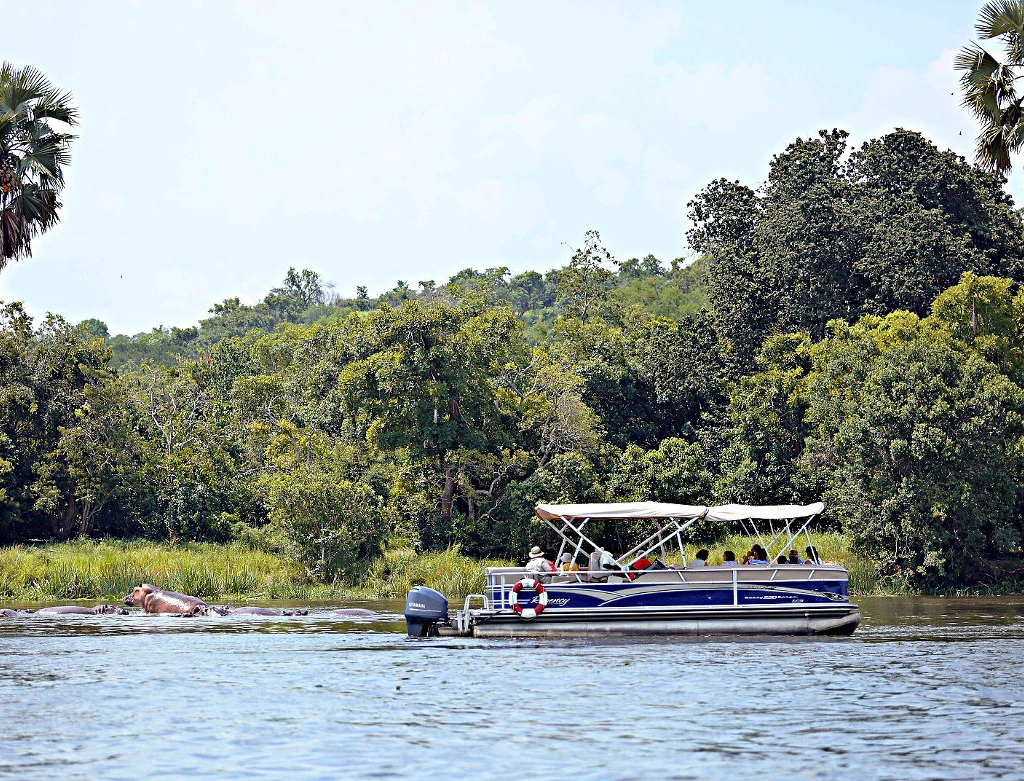
Lamu Old Town, on Lamu Island off Kenya’s northern coast, is the oldest continuously inhabited Swahili settlement in East Africa, occupied for more than 700 years. Its streets, still walked more often by donkeys than cars, preserve a working Swahili town rather than a museum piece, which helped earn it UNESCO World Heritage status in 2001.
The town at a glance
- Continuously inhabited for over 700 years, the oldest surviving Swahili settlement in East Africa
- Inscribed as a UNESCO World Heritage Site in 2001
- Built from coral stone and mangrove timber, with narrow streets organised into residential clusters known as mitaa
- Donkeys remain the main form of transport through the old town’s narrow lanes
Architecture and culture
Lamu’s houses are known for elaborately carved wooden doors, painted ceilings, decorative wall niches and imported Chinese porcelain set into interior walls, all signs of centuries of trade wealth and cultural exchange between Bantu, Arab, Persian, Indian and European communities. The town has been an important centre for Islamic and Swahili scholarship since the 19th century, and its annual Maulidi festival, marking the Prophet Muhammad’s birthday, draws visitors and scholars from across East Africa.
Trade history
For centuries Lamu was a significant East African trading port, handling gold, ivory and other goods moving between the African interior and the wider Indian Ocean world. That trading role shaped the town’s mixed architecture and its long tradition of craftsmanship, still visible in its woodworking and boat-building today.
Things to do
- Walking the old town’s narrow streets and admiring its carved doors and coral-stone buildings
- Visiting the Lamu Museum for exhibits on Swahili culture and history
- Dhow sailing outings around the Lamu archipelago
- Experiencing the Maulidi festival, if visiting at the right time of year
Practical information
- Reached by scheduled flights to Lamu Airport, followed by a short boat crossing to the island, since there are no cars in the old town
- Year-round warm coastal climate, with the wettest months typically April to June
- Modest dress is appreciated given the town’s strongly Islamic character
Lamu offers one of the most authentic Swahili coast experiences left in East Africa, ideal for travelers who want history and culture alongside the coast. Offmap Safaris can combine it with Malindi or Watamu for a longer coastal route. To start planning, visit Plan My African Safari, message us on WhatsApp at +256 701 243 304, or email [email protected]. See also our notes on health and safety and visa and entry requirements.