
Uganda’s living kingdoms
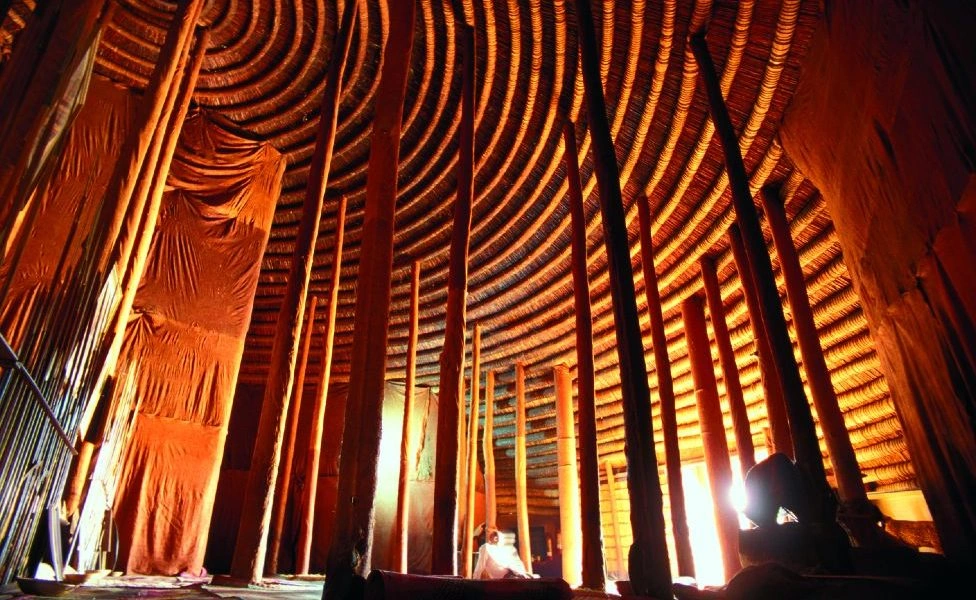
Uganda is unusual in keeping its traditional kingdoms as functioning institutions rather than museum pieces. The Buganda Kingdom, centred on Kampala, still crowns a Kabaka and maintains royal sites including the Kasubi Tombs and the Bulange parliament building. Further west, the Tooro Kingdom around Fort Portal and the Bunyoro-Kitara Kingdom near Hoima each keep their own royal regalia, coronation sites and oral histories while the Ankole Kingdom and Busoga Kingdom add further layers to a country where four kingdoms coexist with the modern republic. Visiting one usually means a guided walk through a royal enclosure or museum with a local guide who can explain succession customs still observed today.

Swahili stone towns on the coast
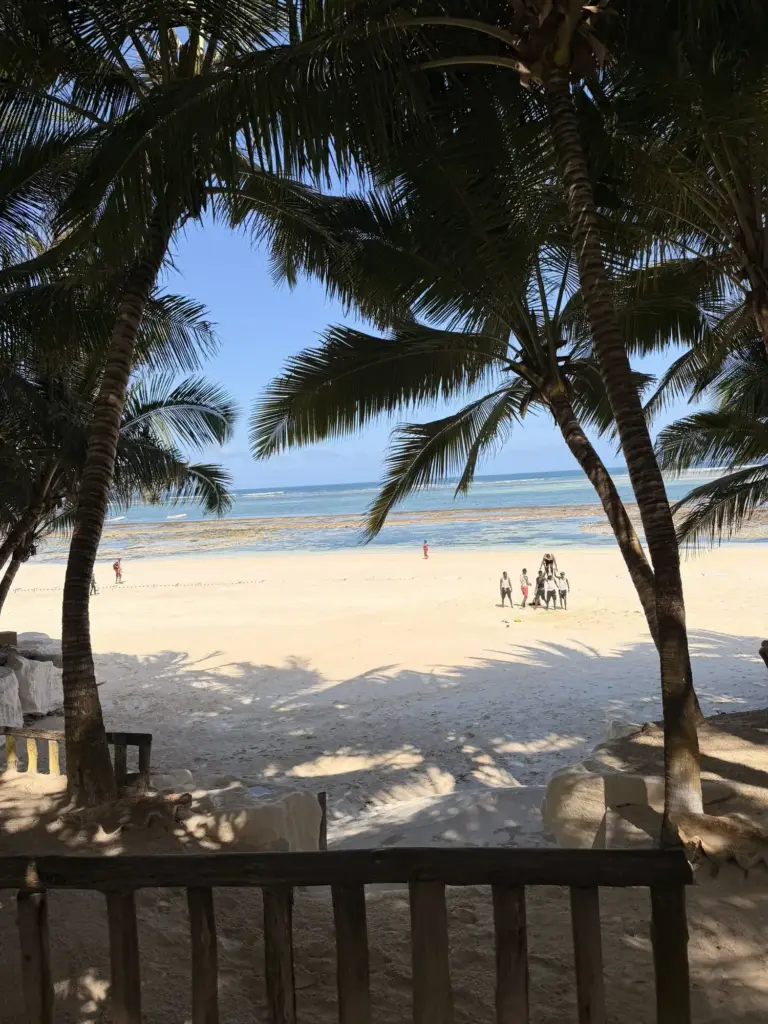
Kenya and Tanzania’s Indian Ocean coast preserves a different heritage: Swahili trading settlements built from coral rag stone between the 9th and 16th centuries, linking East Africa to Arabia, Persia and India through monsoon-driven trade. Lamu Old Town in Kenya is the oldest continuously inhabited Swahili settlement in East Africa and a UNESCO World Heritage Site, with narrow alleys still closed to motor vehicles. Gedi Ruins, abandoned and swallowed by forest by the 17th century, is now an atmospheric archaeological site near Watamu. Fort Jesus in Mombasa, built by the Portuguese in 1593, changed hands between Portuguese, Omani and British control over four centuries and is itself a UNESCO listing. On Tanzania’s coast, Zanzibar Stone Town and the more remote Kilwa Kisiwani and Songo Mnara ruins add earlier and later chapters to the same trading history.
Rwanda’s remembrance sites
Rwanda’s heritage tourism includes sites of remembrance from the 1994 genocide against the Tutsi, most visited as the Kigali Genocide Memorial, where over 250,000 people are buried and an exhibition documents the events leading up to and following the genocide. Many visitors combine this with Rwanda’s older royal history at the King’s Palace Museum in Nyanza, a reconstruction of the traditional royal residence including the country’s ceremonial long-horned Inyambo cattle. These are sober, important visits rather than casual sightseeing, and guides are trained to handle them with the necessary care.

Deeper history: rock art and Stone Age sites
Some of the region’s heritage predates any written record. Tanzania’s Kondoa Rock-Art Sites, a UNESCO World Heritage Site since 2006, preserve rock shelter paintings estimated at more than 40,000 years old, among the most significant collections of rock art in Africa. These sites usually require a detour off the main safari circuit and a local guide with knowledge of specific shelters, since the paintings are spread across a wide, sparsely marked area.
Karamoja’s distinct cultural landscape
Uganda’s remote northeastern Karamoja region preserves a way of life markedly different from the kingdoms further south: semi-nomadic pastoralist communities whose cattle-centred culture, homestead architecture and the annual Karamoja Cultural Festival reflect a history shaped by the wider Karamojong cluster spanning Uganda, Kenya and South Sudan. Visits here are arranged through community-based programmes that channel a share of proceeds directly to the homesteads visited, and travellers should expect a considerably more remote, less-developed setting than the kingdom sites further south, reached most practically alongside a visit to Kidepo Valley National Park.
What a heritage visit involves
Most heritage sites are visited on foot with a local guide, typically for one to three hours. Kingdom sites often involve entering a royal enclosure with dress or behaviour expectations set by the institution itself, such as removing shoes in certain buildings. Stone towns are explored on foot through narrow lanes unsuited to vehicles. Genocide memorial sites ask for quiet, respectful conduct throughout, and photography is often restricted inside exhibition halls out of respect for those documented there.
Combining heritage with wildlife
Heritage sites work best woven into a wider itinerary rather than built around on their own. A Kigali Genocide Memorial visit fits naturally on an arrival or departure day in Rwanda, before or after gorilla trekking. Fort Jesus and Mombasa Old Town pair well with a Kenyan coastal beach stay. Uganda’s kingdom sites can be added to a Kampala stopover between an international flight and a safari further west. Few travellers dedicate an entire itinerary to heritage alone, but almost every East African safari can accommodate at least one such stop.
Practical notes
- Entry fees are modest at most sites and often support ongoing conservation of the buildings or memorial
- A local guide is strongly recommended at kingdom sites and memorials, both for context and out of respect for local custom
- Some sites, particularly Kondoa’s rock art, require a knowledgeable guide simply to locate the painted shelters
- Genocide memorial visits can be emotionally demanding; travellers uncertain about visiting are welcome to say so when planning
Heritage with a good guide
A good guide turns old walls into stories. They explain how a king ruled, how a trade route worked or why a building was placed where it stands, and they know the people who care for each site. Hiring a local guide also supports the community and gives you access to places and conversations you would otherwise miss.
Pacing heritage days
Heritage visits can be intense so we space them with lighter activities. A morning at a palace or fort is followed by a long lunch and a rest, and a day of memorials is followed by a quieter day. Pace helps you take in what you see, and it keeps the trip enjoyable.
Planning your heritage tour
Tell us which countries and themes interest you, whether that is Uganda’s kingdoms, the Swahili coast’s stone towns, Rwanda’s more recent history, or Tanzania’s ancient rock art, and we will build the stops into a wider safari at a pace and level of depth that suits you.