
The Gedi Ruins are among the most atmospheric historic sites in East Africa, and one of the best introductions to the Swahili civilisation that shaped the coast. They are also refreshingly uncrowded.
A lost Swahili town
Gedi is one of more than a hundred medieval Swahili settlements along the coast of East Africa. Its origins are placed around the twelfth or thirteenth century, and it flourished for hundreds of years before it was abandoned in the seventeenth century. At its height, in the fifteenth century, it was a prosperous walled town, trading with places as distant as Persia, India and China. Excavations have found porcelain, glass beads, coins and glassware from across the ocean.
Why was it deserted? No one knows for certain. No contemporary written records survive, in Portuguese, Arabic or Swahili. Theories include attacks by neighbouring peoples, the drying of the wells, disease and shifts in trade. What is sure is that the forest reclaimed the site, and that it was only properly rediscovered by outsiders in the 1920s. Gedi was declared a historic monument in 1927 and is now managed by the National Museums of Kenya.
What you will see
The site is enclosed by two walls: an outer wall around about 18 hectares and an inner wall around the core of the town. Within it visitors can explore:
- The Great Mosque: with a mihrab, a sunken area and a small chamber that amplified the preacher’s voice.
- The Palace: a large house with separate courts for men and women, a bath and drainage.
- Houses of the wealthy: stone houses with niches, wells and rooms that give a sense of daily life. The town is said to have had running water and flush toilets, evidence of sophisticated planning.
- Pillar tombs: tall, carved memorials, some of them octagonal, and one tomb bearing a date in Arabic.
- Wells: including a large one outside the Great Mosque, associated with sacred water.
- The forest: baobabs, figs and coastal trees, with Sykes’ monkeys, squirrels, butterflies and birds throughout.
The building materials, coral rag, lime and earth mortar and timber, are typical of Swahili architecture and are part of why the site was listed. Local people also regard parts of the ruins as sacred and hold rituals there; visitors are asked to respect this.
Arabuko-Sokoke Forest
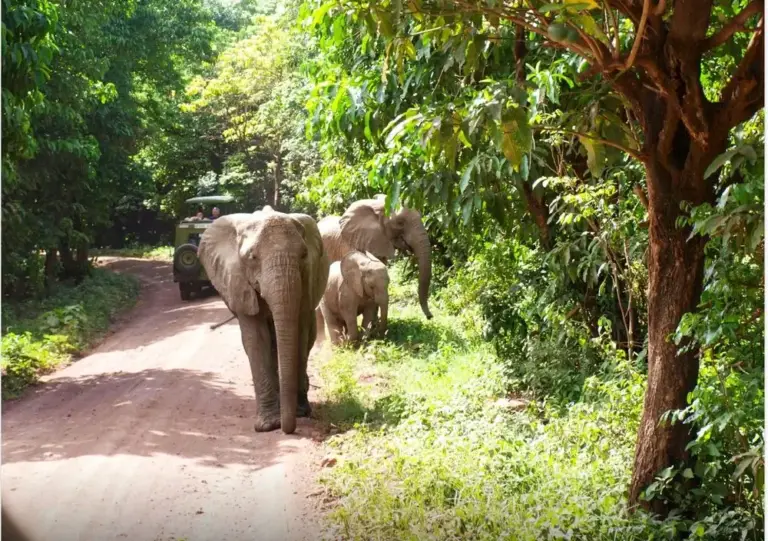
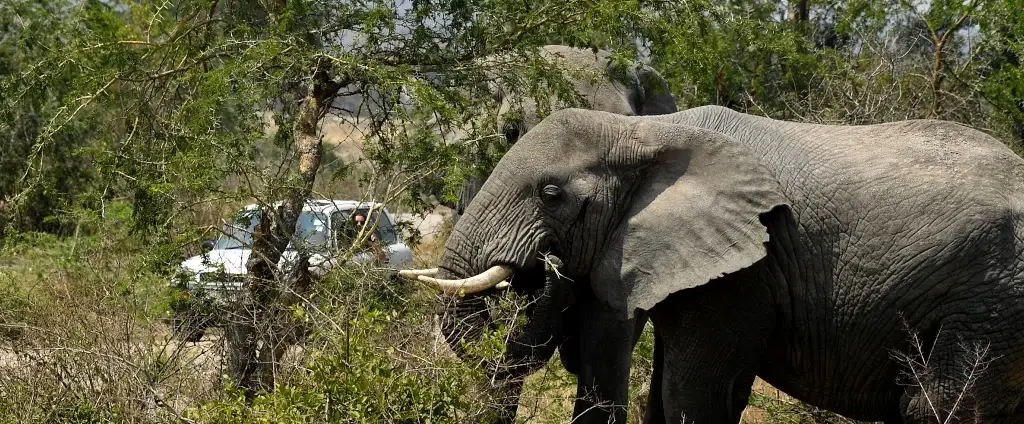
Gedi sits inside the Arabuko-Sokoke Forest, the largest surviving block of coastal forest in East Africa, and home to rare wildlife such as the Sokoke scops owl, the golden-rumped elephant shrew and the Sokoke pipit. A guided walk in the forest next door makes a good complement to the ruins, especially for birders. Elephants occasionally cross the area.
Practical information
- Location: Kilifi County, about 16 kilometres south of Malindi and a short drive from Watamu.
- Time needed: about one and a half to two hours, with a guide.
- Best time: early morning is coolest and best for wildlife. The forest is humid and can be muddy after rain.
- What to wear: light clothes, sturdy shoes, a hat and insect repellent. The ruins are uneven. Take care on old steps and walls.
- Guides: local guides at the entrance explain the town’s history and legends, and are well worth it.
- Health: the coast is a malaria area; see our Health & Safety page.
Around Gedi
Gedi pairs naturally with the beaches and marine park of Watamu, Mida Creek, the snake park and the old town of Malindi, as well as with a visit to Lamu, the best-preserved Swahili town in East Africa. Together they make a rich cultural coast, with the sea a few minutes away.
Gedi with Offmap Safaris
We add Gedi to coastal safaris as a morning excursion from Watamu or Malindi, and as part of a heritage-focused route from Mombasa to Lamu. Plan your safari, message us on WhatsApp +256 701 243 304 or email [email protected]. Please read our Responsible Travel page too.
Plan a safari that includes Gedi Ruins
Our team plans private, tailor-made safaris, so we can build a trip around Gedi Ruins and adjust the days, lodges and pace to suit you.