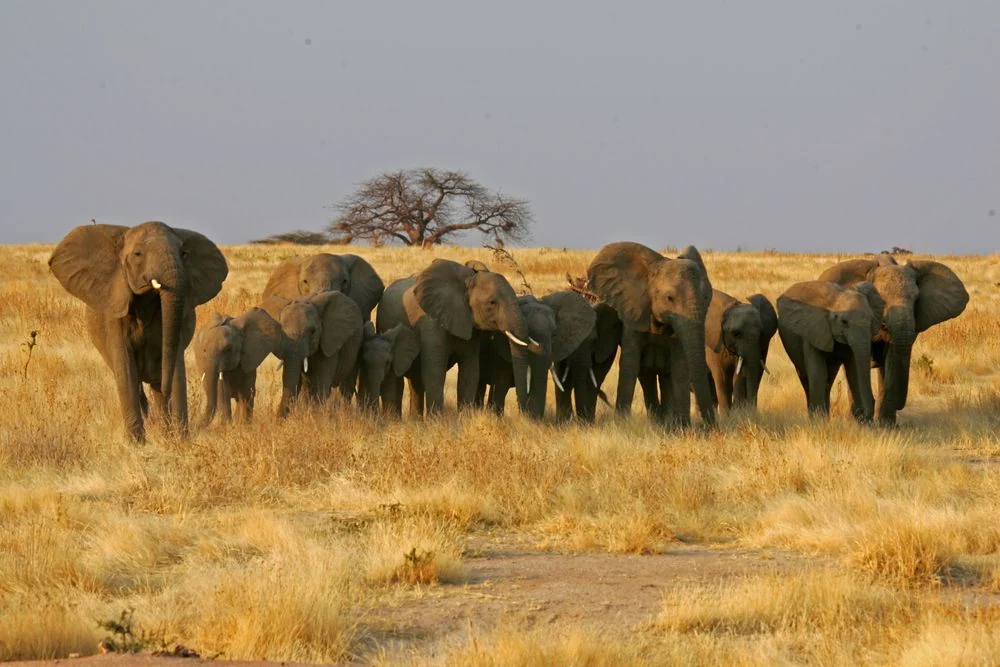
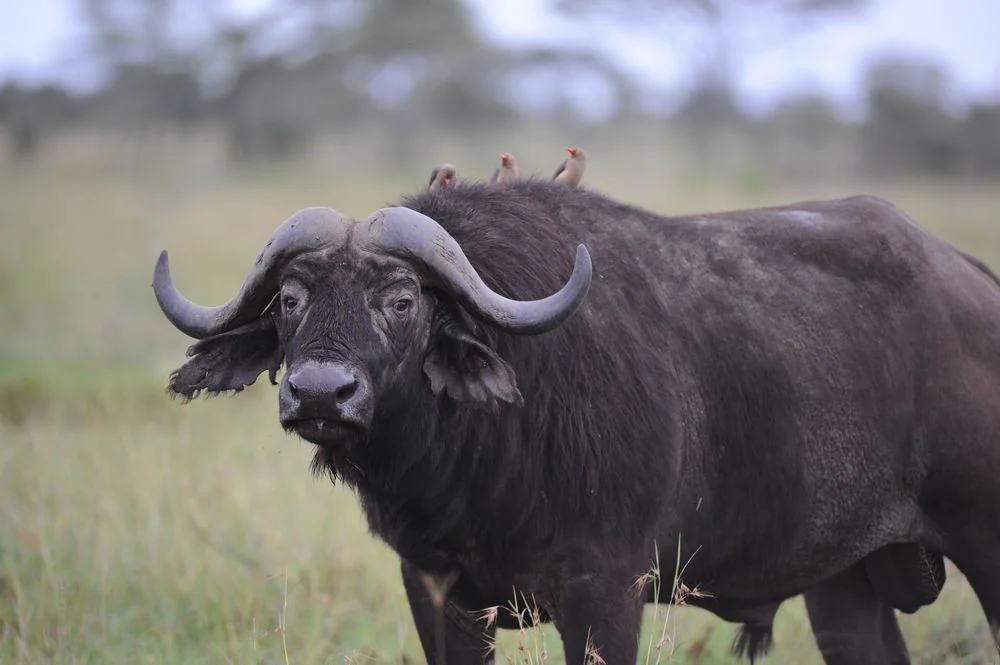
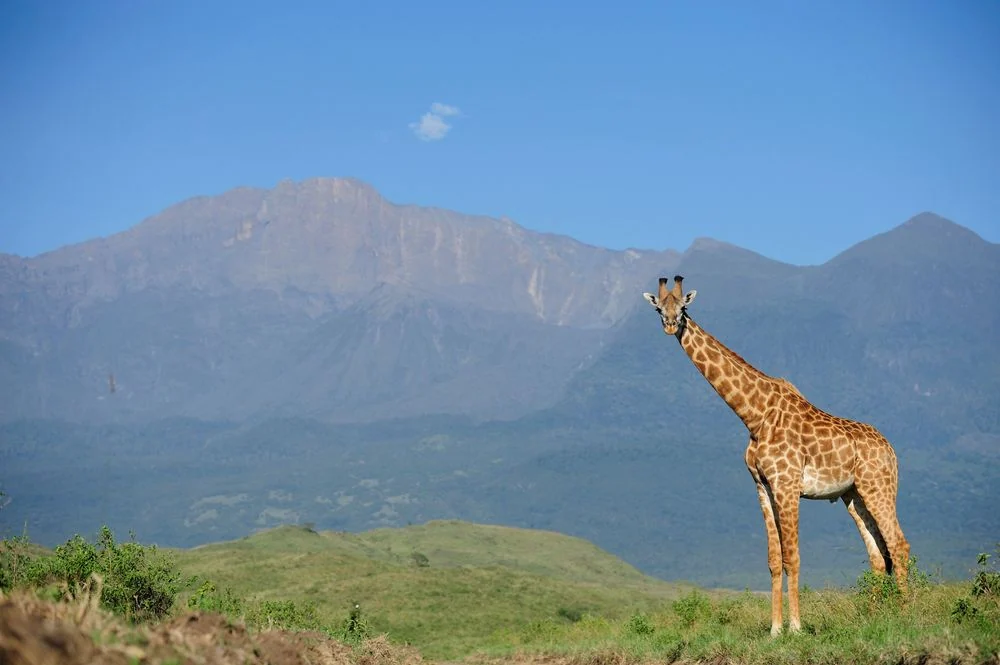
The best time to visit Kenya for most safari travellers is the dry season from late June to October when the wildebeest migration reaches the Masai Mara and wildlife gathers near water. January and February are also dry and good. Kenya can be visited all year, though and each season has its own strengths. This guide to the best time to visit Kenya explains the seasons month by month.
The Best time is the dry season: June to October
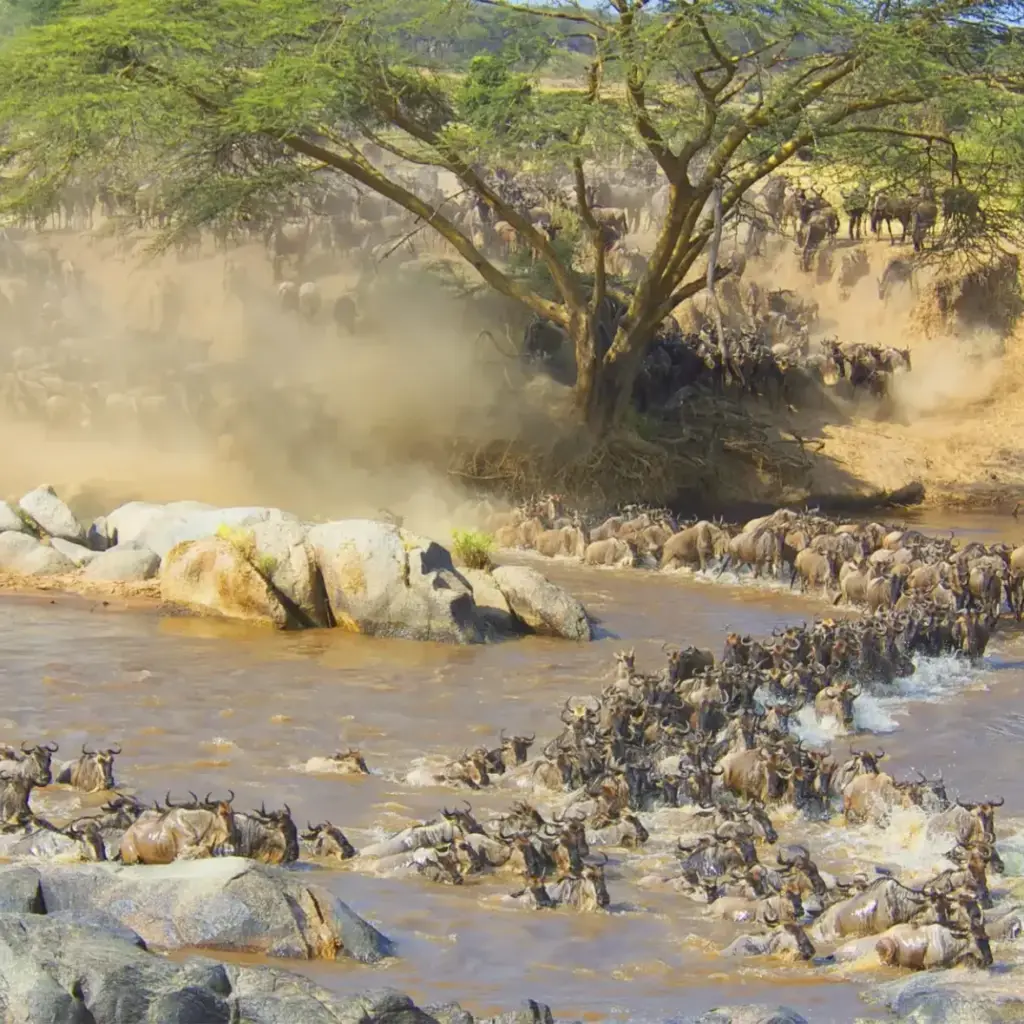
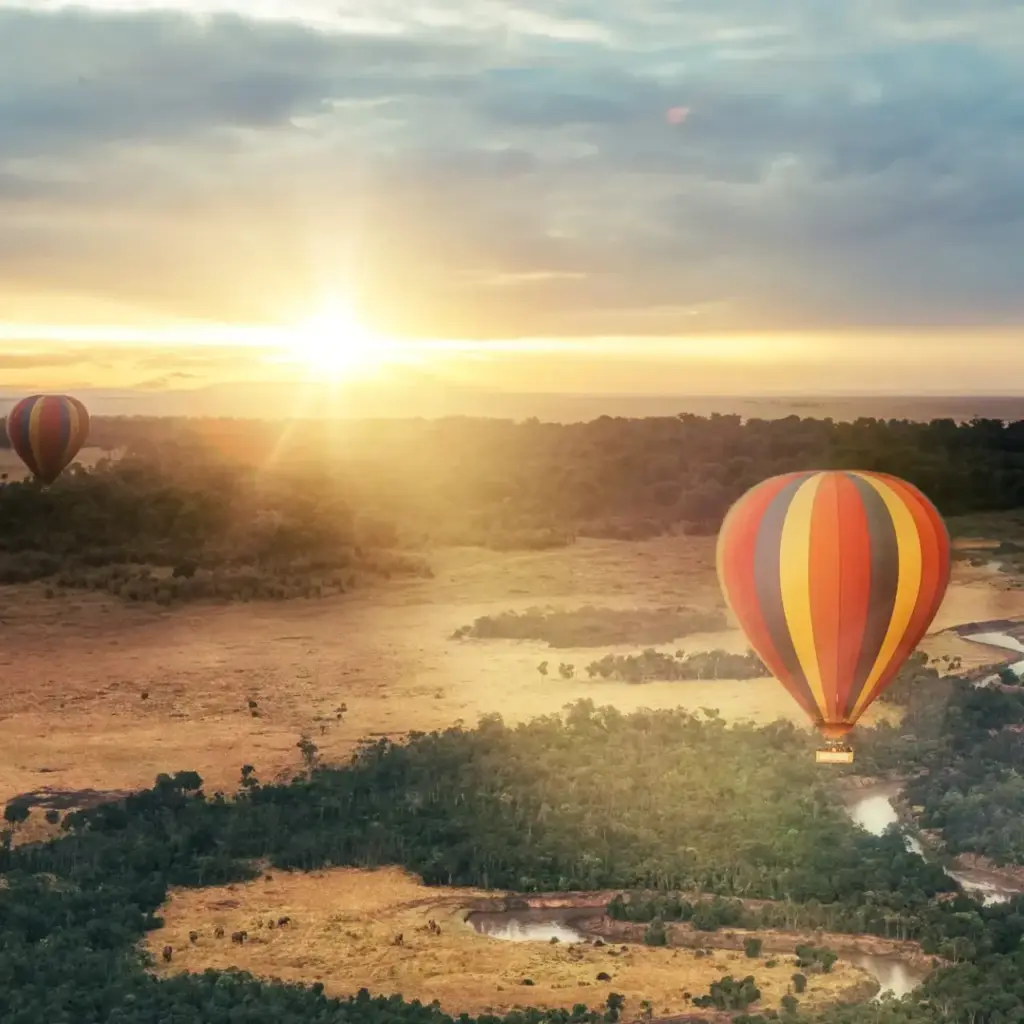
The long dry season runs from about June to October. Grass is shorter, animals gather near rivers, waterholes and roads are firm during this time. This is the time of the river crossings in the Masai Mara, usually from July to October and it is the busiest and most expensive period.
Booking early for these months is advised since the best camps fill many months ahead. Days are warm and mornings are cool, so bring a layer for early drives. Our Great Migration by month guide explains how the herds move and why timing varies from year to year.
January and February
After the short rains, January and February are warm and dry. Many travellers rate these two months as the best outside the main season. The grass is lower, game viewing is good and there are fewer visitors than in August. The weather is also well suited to a beach stay on the coast.
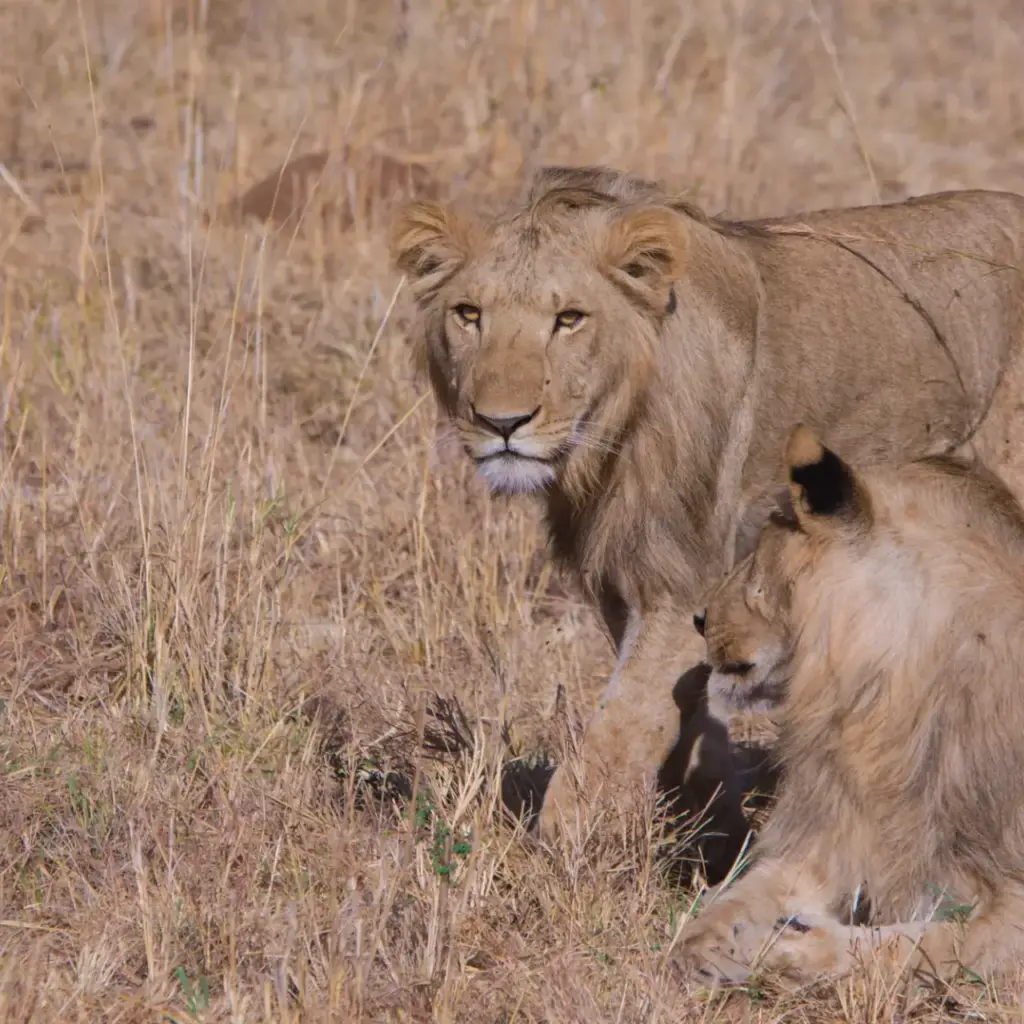
Amboseli and Tsavo are particularly good at this time, with clear mornings and dry plains. The Mara has resident herds and strong cat viewing, though the migration is in Tanzania. It is a flexible time to plan a trip and rates are often lower than in the peak months.
The long and short rains
The long rains usually fall from March to May with April and May the wettest. The landscape is green, the light is soft and crowds are thin. Some camps temporarily close, roads can be slow and game is harder to find in the thick growth. Rates are usually lower and birding is rewarding during this time.
The short rains usually come in November and December. They are lighter and more unpredictable with showers often in the afternoon and mornings that stay bright. The scenery is fresh and green with many migrant birds present and prices are often moderate. Rainfall patterns change from year to year, so treat all months as guidance rather than a promise.
Think about the kind of trip you want, too. A first safari suits the Mara and Amboseli in the dry months when wildlife is easy to find. A second trip may suit the north, the lakes or the coast and a family with children may prefer school holidays and short drives. Tell us who is travelling and we will match the month to the group.
Choosing by what you want to see
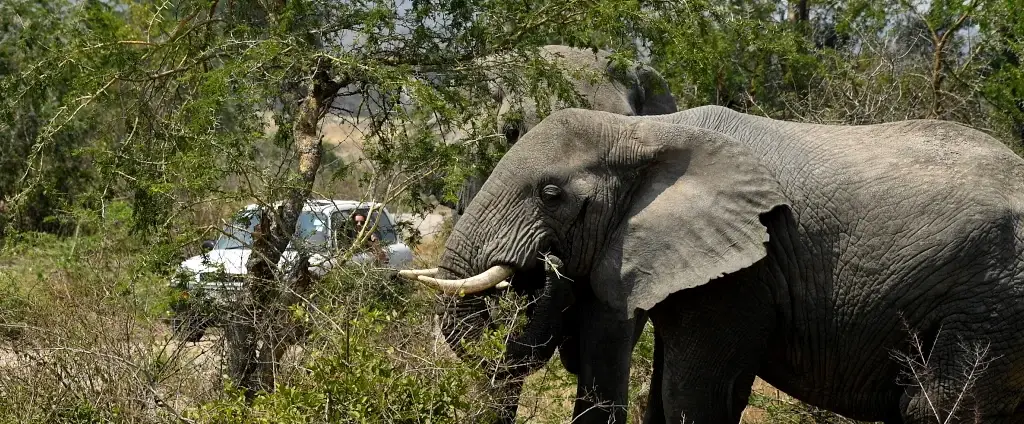
For river crossings, plan July to October and aim for at least three nights in the Mara. For elephants and mountain views in Amboseli, the dry months give the clearest mornings. For northern wildlife in Samburu, most months are good because the river draws animals in all seasons.
For birds, the wetter months bring migrants and breeding plumage. For photographers, the dry months give clean light and open views while the green season gives dramatic skies. For a safari followed by a beach holiday, January to February and the dry months from June to October are the most comfortable on the coast.
Altitude changes the picture as well. Nairobi and the highlands stay cool all year with the coolest nights between June and August, while the coast is hot and humid and the Rift Valley lakes are warm. Pack for the places you visit, not just the month and ask us how the weather looks for your exact route.
If you want to travel in school holidays such as July, August and December, expect higher demand and book earlier. Weekdays and mid-month dates can give more choices and a few days at the start or end of a season often carry gentler rates.
Costs and crowds across the year
Peak months bring higher rates and crowded sightings at the Mara river. Shoulder months such as June, early November and the weeks around the rains can offer a good balance of weather, wildlife and price. The green season is the cheapest though some camps close, so we confirm what is open.
We show the options when we quote, so you can compare. For ways to manage costs read our guide to a budget safari in Kenya. Rates change from year to year, so we confirm current rates before deciding.
When to go and practical tips
Match the month to your priority then match the camp to the month. Book the Mara early for July to October and Book a month or two ahead for the shoulder seasons. Be flexible with dates if you can since a few days either way can change availability and cost.
Pack for the season. In the dry months, wear neutral colours, a hat, sunscreen and a warm layer for early drives. In the rains, add a light waterproof jacket and quick drying clothes. Read our Kenya safari packing list for more detail.
We start with your dates, then choose lodges, guides and transport to suit you. We explain what is fixed and what can change, and our team monitors and looks after the safari from the first message to the last transfer. Browse our Kenya safaris, or tell us your plans on the Plan My Safari page.
Frequently asked questions
What is the best month to visit Kenya?
For most travellers, July to October is best because the migration is in the Masai Mara and wildlife gathers near water. January and February are also dry and good. Kenya can be visited all year, and the best month depends on what you want to see.
When is the wildebeest migration in Kenya?
The herds are usually in the Masai Mara from July to October, with river crossings seen in that period. Timing varies each year with rainfall and grass, so no operator can promise a crossing on a given day. Staying three or more nights improves your chances.
When are the rainy seasons in Kenya?
The long rains usually fall from March to May, and the short rains in November and December. Patterns change from year to year. Rainy months are green and quieter, and rates are often lower, but some camps close and game can be harder to find.
What is the cheapest time to visit Kenya?
The green season, usually April and May, is generally the cheapest, with lower rates and fewer visitors. Some camps close and roads can be slow. Shoulder months offer a balance of weather and price. Check current rates, as our quotes show everything that is included.
Is January a good time to visit Kenya?
Yes. January is usually warm and dry, with good game viewing, clear mornings and fewer crowds than August. It is a good time for Amboseli, Tsavo and the coast. The migration is mostly in Tanzania then, but the Mara still has resident wildlife.