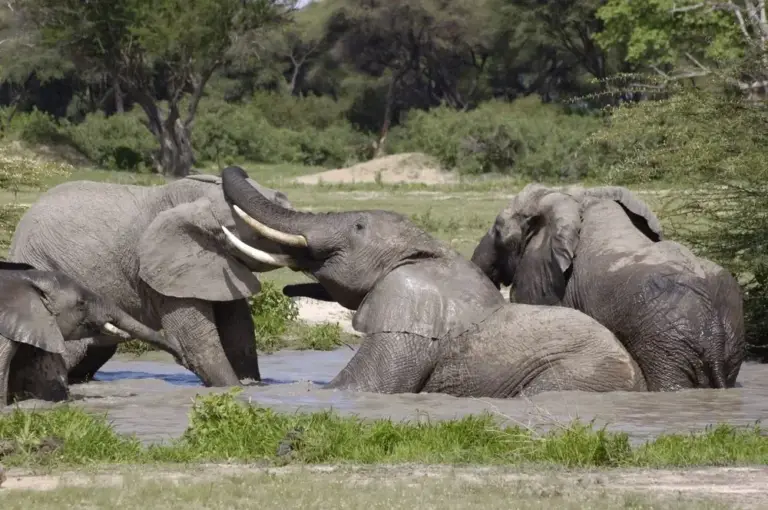
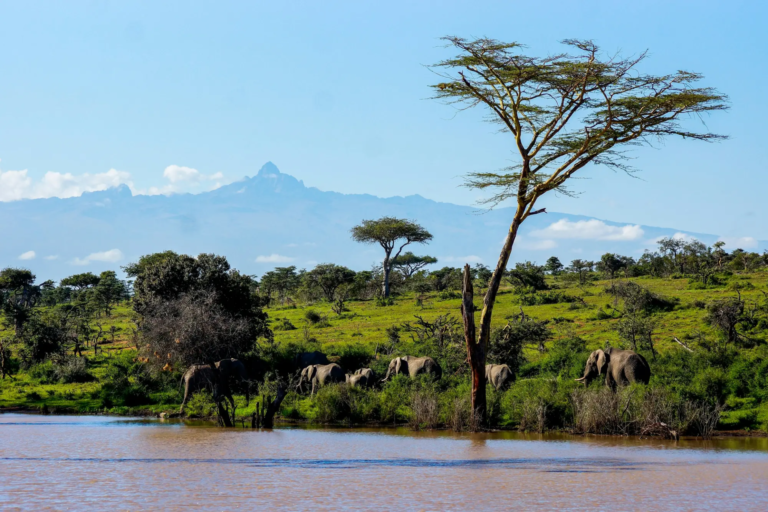

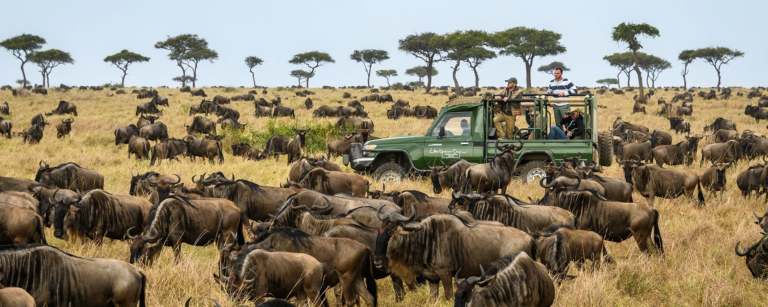
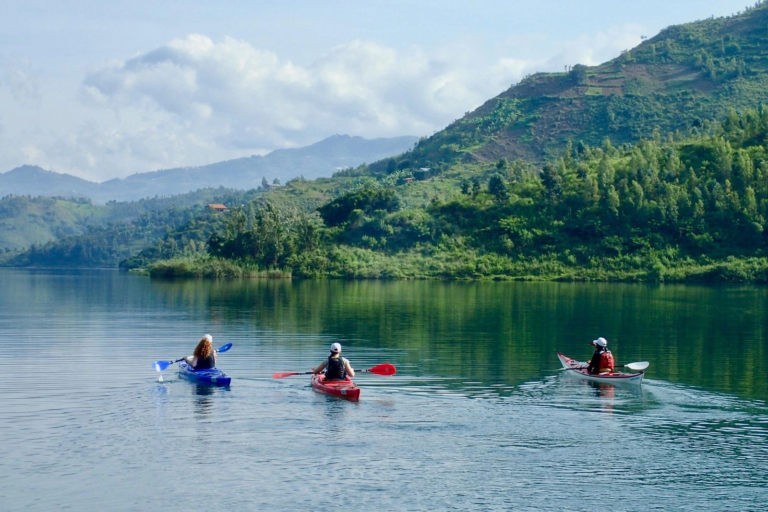

What a safari holiday looks like
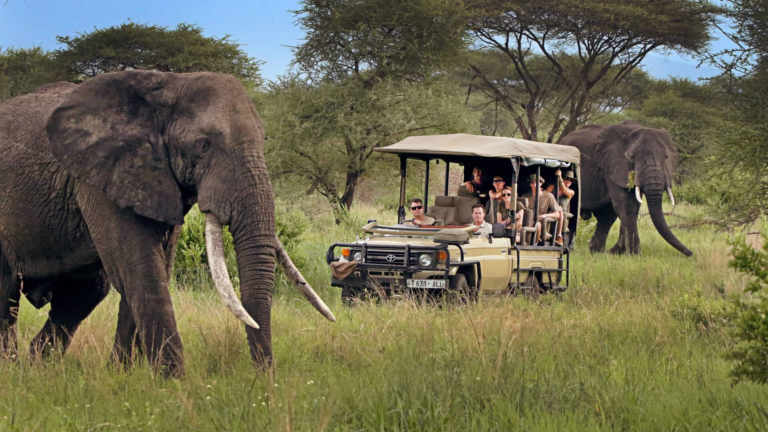
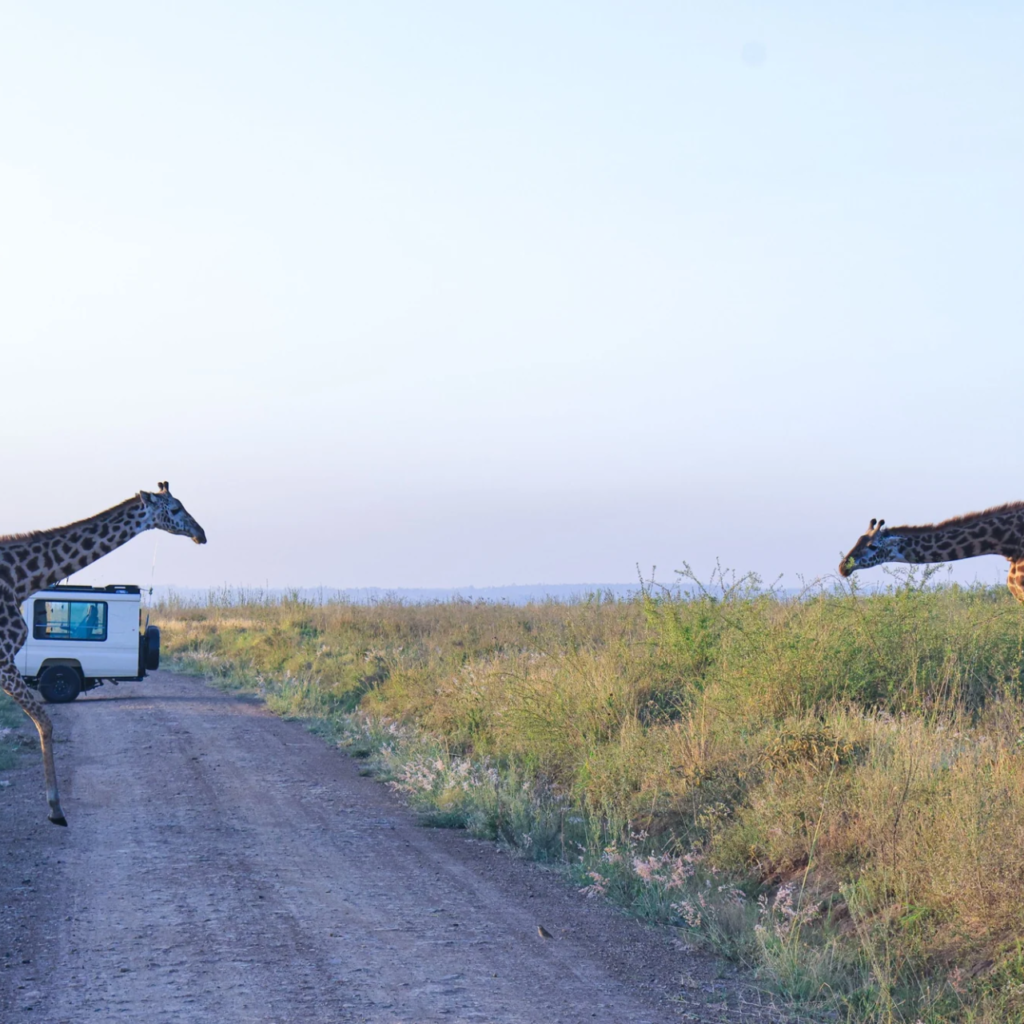
Most days follow a simple rhythm. You leave the lodge at first light for a game drive in a 4×4 with a raised roof, return for breakfast or a late morning rest and head out again in the afternoon when the animals move and the light turns gold. Some days swap a drive for a boat cruise, a guided walk, a visit to a village or a trek to see mountain gorillas or chimpanzees. Evenings are for dinner, a fire and an early night.
You travel with a driver-guide who stays with you throughout. They read tracks and alarm calls, decide how long to stay at each sighting and turn a good day into a memorable one. You sleep in lodges, tented camps or small camps set inside or beside the parks and your meals come from the same kitchens. A private safari means the vehicle, the guide and the pace belong to you.
Choosing where to go
Each country offers something different and many travellers combine two.
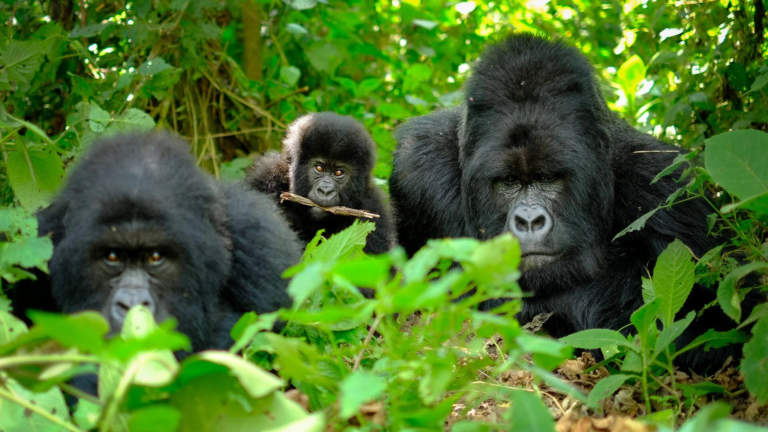
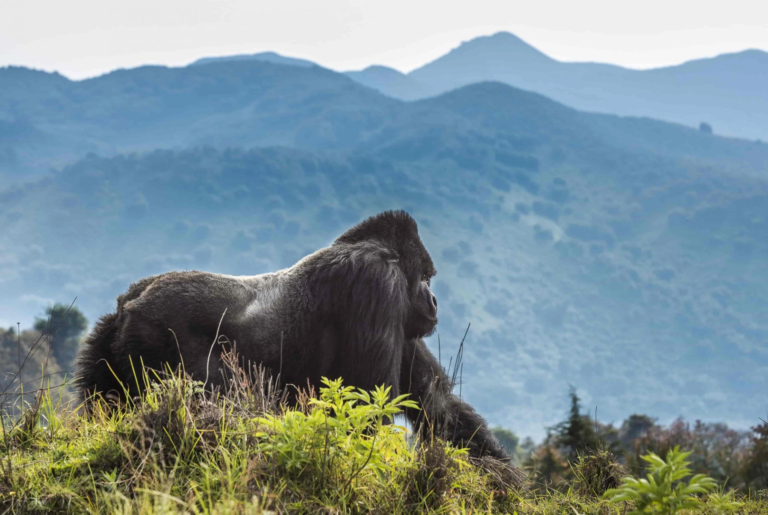
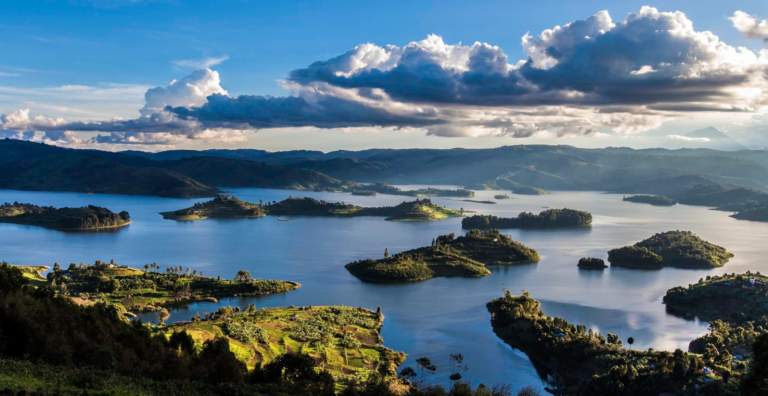
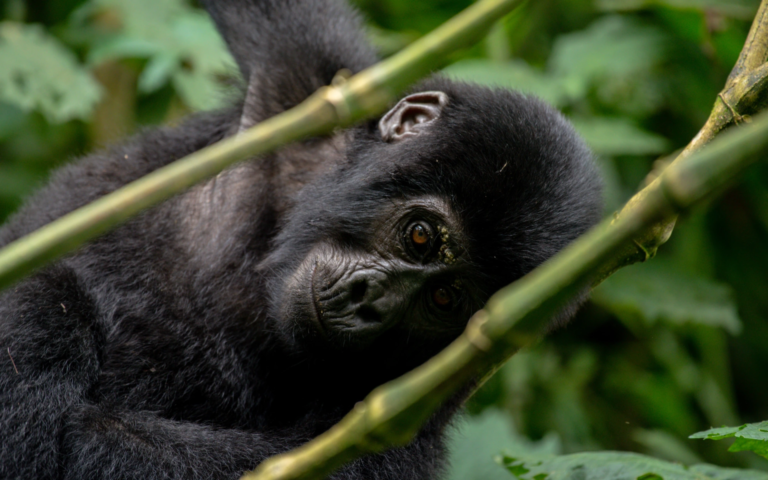
- Uganda is the home of mountain gorilla trekking and chimpanzee tracking with tree-climbing lions at Queen Elizabeth National Park and the Nile at Murchison Falls.
- Rwanda is small and easy to cover, with gorillas in the Virunga volcanoes, chimpanzees in Nyungwe and big game at Akagera National Park.
- Kenya has the Maasai Mara, Amboseli beneath Kilimanjaro and the Rift Valley lakes, with the coast within reach.
- Tanzania brings the Serengeti, the Ngorongoro Crater and Tarangire and links naturally to Zanzibar.
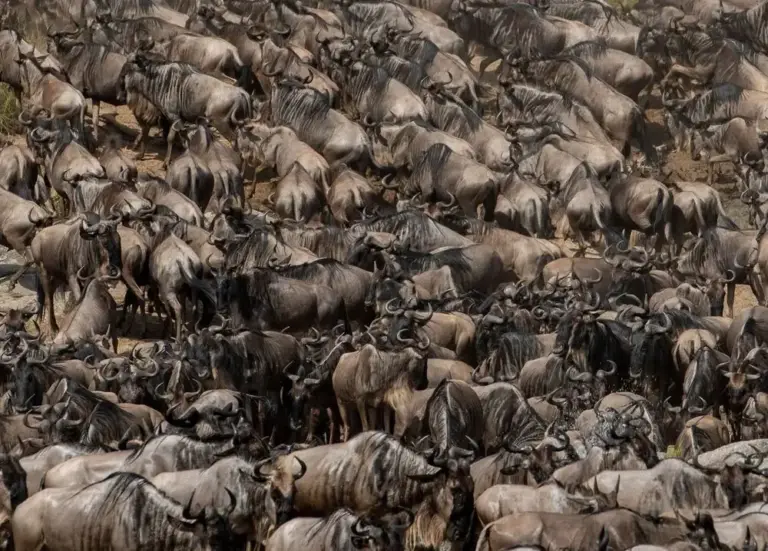
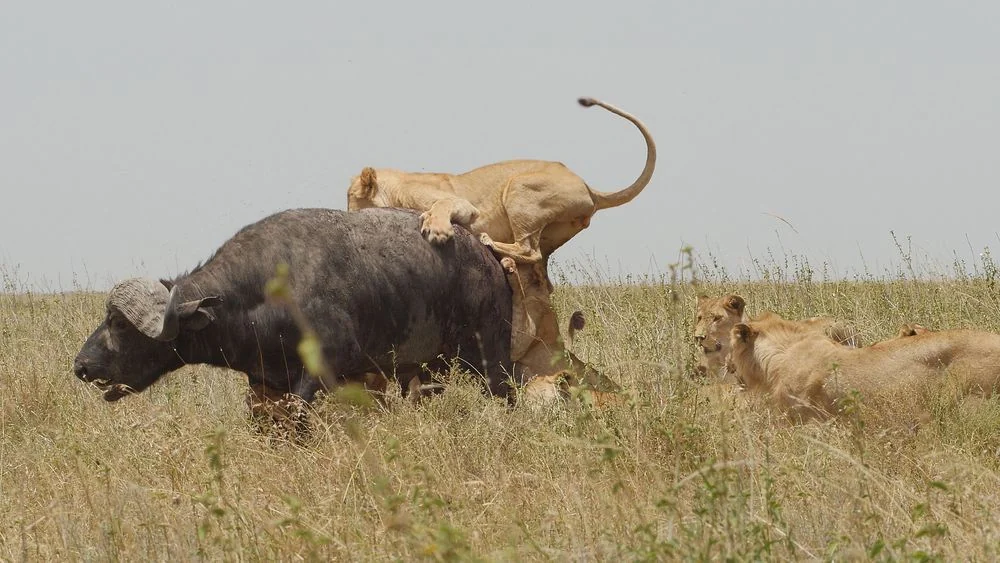
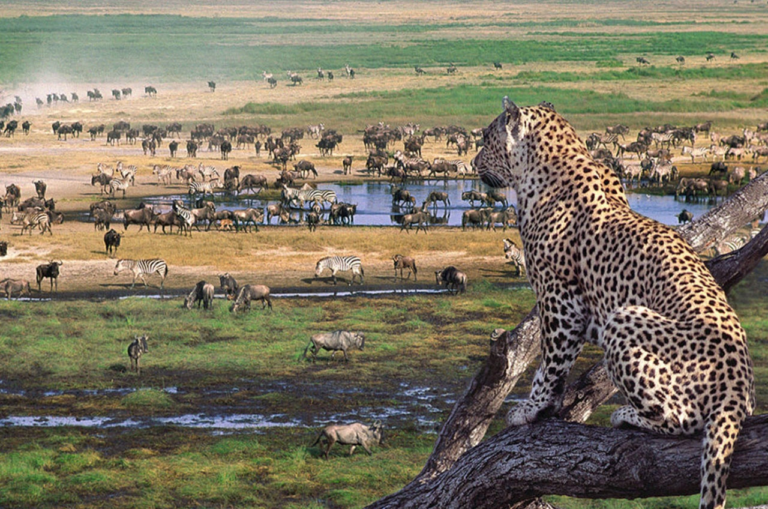
If you are unsure, start with the animals you most want to see. Gorillas point to Uganda or Rwanda. Big cats and the wildebeest herds point to the Mara or the Serengeti. A multi-country safari joins them and our team handles the flights, border crossings and permits so the route runs smoothly.
How long do you need?
A first safari holiday works well at seven to ten days. That is enough for two or three destinations without spending the whole trip in a vehicle. Gorilla trekking can be done in as little as four or five days when you land at Entebbe or Kigali. Ten to fourteen days gives room for a second country or a beach stay in Zanzibar. We build in a slower day after long travel because rest makes the wildlife days better.
When to go
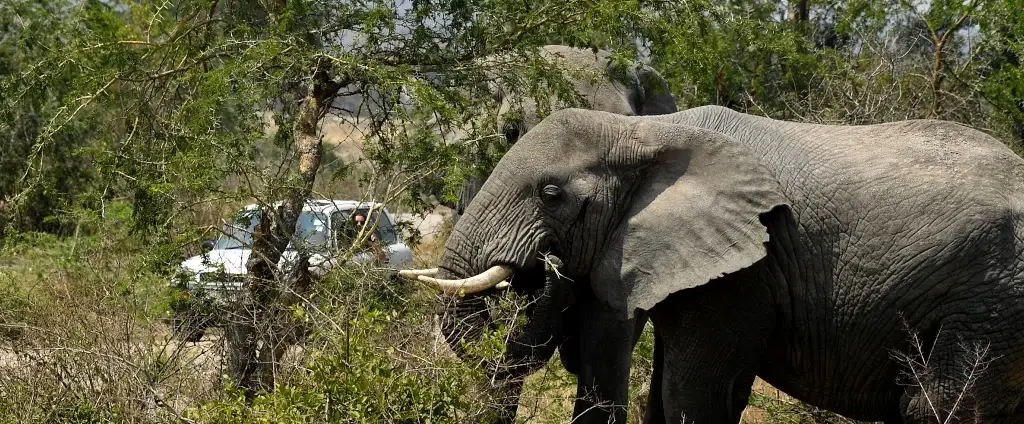
East Africa has two main dry seasons, roughly June to October and December to February. Roads are easier and wildlife gathers near water so game viewing is at its best. The rains turn the parks green and quiet, with fewer visitors and lower rates at many lodges, and gorilla trekking still happens year round. The Great Migration crosses between Tanzania and Kenya, and its river crossings are usually seen from July to October. Read our guides to the migration by month and the best time to visit Uganda, Kenya and Tanzania before you fix dates.
Who a safari holiday suits
Safari holidays work for almost every kind of traveller. Couples and honeymooners enjoy quiet camps and private dinners. Families do best with shorter drives and lodges that welcome children. Solo travellers can travel privately or join a small group. Mid-range and luxury trips share the same wildlife and differ in comfort so read about mid-range safaris, luxury safaris and budget safaris to see which fits.
Three routes to start from
These ready-made routes show how a safari holiday can be shaped. Each one can be changed to suit your dates, group and comfort level.
- Uganda gorillas and wildlife in seven days pairs a gorilla trek in Bwindi with two full days of game viewing in Queen Elizabeth National Park.
- Kenya Maasai Mara and Amboseli in seven days combines big cat country with elephants beneath Kilimanjaro.
- Tanzania safari and Zanzibar beach in ten days joins the Serengeti and the Ngorongoro Crater with time on the Indian Ocean.
What to pack
Pack light, soft bags because space in a safari vehicle and on small aircraft is limited. Neutral clothing in greens, khaki and brown, a warm layer for early mornings, a light waterproof jacket, a hat, sunglasses and sunscreen cover most needs. Bring sturdy closed shoes, binoculars and insect repellent. Gorilla trekking adds hiking boots, long trousers and gloves. Our guides to the Kenya safari packing list and the Tanzania safari packing list go through the details and we send a tailored checklist once your trip is booked.
Travelling responsibly
A good safari leaves the places it visits better off. Follow your guide’s instructions, keep a respectful distance from animals, avoid single-use plastic and ask before photographing people. Tipping guides and lodge staff is customary and our tipping guide explains what is usual. Read more on our responsible travel page.
Before you travel
You will need a passport valid for at least six months after your arrival, the right visa or electronic authorisation for each country and travel insurance that covers medical care and evacuation. Rules differ by nationality and change. Check the official requirement for each country on your route and see our visa and entry page and health and safety page. Speak to your doctor or a travel clinic about vaccinations and malaria prevention well before departure. Travelling from Britain? Our guide to a safari from the UK covers flights and time differences and there is a matching page for travellers from the USA.
How we plan your safari holiday
- You tell us your dates, group, interests and comfort level through the Plan My African Safari form or on WhatsApp.
- We suggest a route and the lodges that suit it and explain the reasons for each choice.
- You receive one total price in US dollars, written down clearly so you can compare it with confidence.
- We confirm lodges, vehicles and permits once you decide. Gorilla and chimpanzee permits are non-refundable once issued so we confirm availability and your exact details before we buy them.
- Our team stays reachable by WhatsApp for the whole journey.
Offmap is a tour operator based in Kampala. We design and run the trip ourselves. For ready-made routes browse our safaris or read about African safari tours, African safari packages and what an African safari costs.