




In detail
Discover Uganda.
Geography and landscape
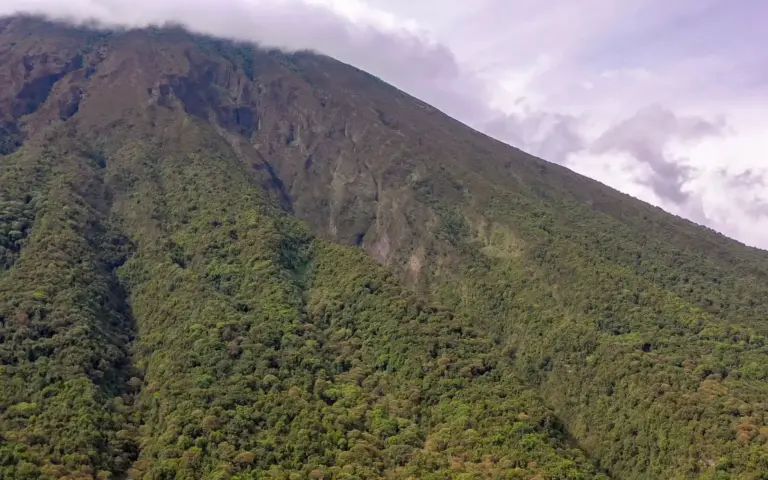
Uganda sits astride the equator in East Africa’s Great Lakes region, a landlocked country whose relatively small size. Uganda smaller than the United Kingdom, belies an extraordinary range of landscape within it. The country’s terrain rises from the shores of Lake Victoria, Africa’s largest lake, in the south, through rolling savanna and wetland in the centre and west, to two dramatic mountain ranges: the Rwenzori Mountains along the border with the Democratic Republic of Congo, often called the “Mountains of the Moon” for their glacier-capped peaks despite sitting almost on the equator, and the volcanic Virunga range shared with Rwanda and the DRC in the far southwest.
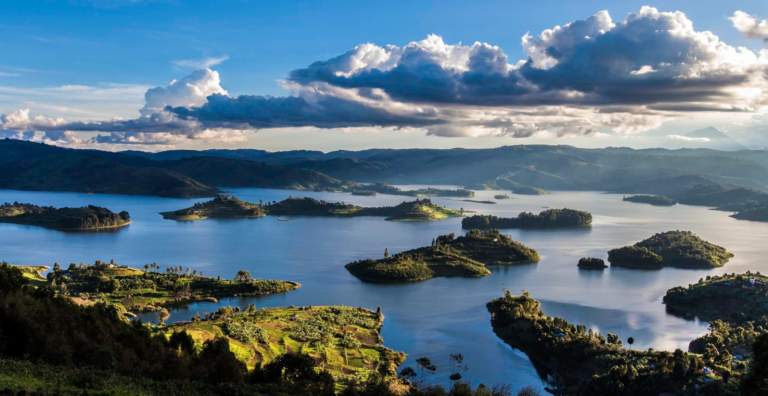
Between these highlands lie the Albertine Rift valley with lakes like Albert, Edward and George. Uganda is as well the source of the Nile, where the river begins its long course north from Lake Victoria at Jinja.
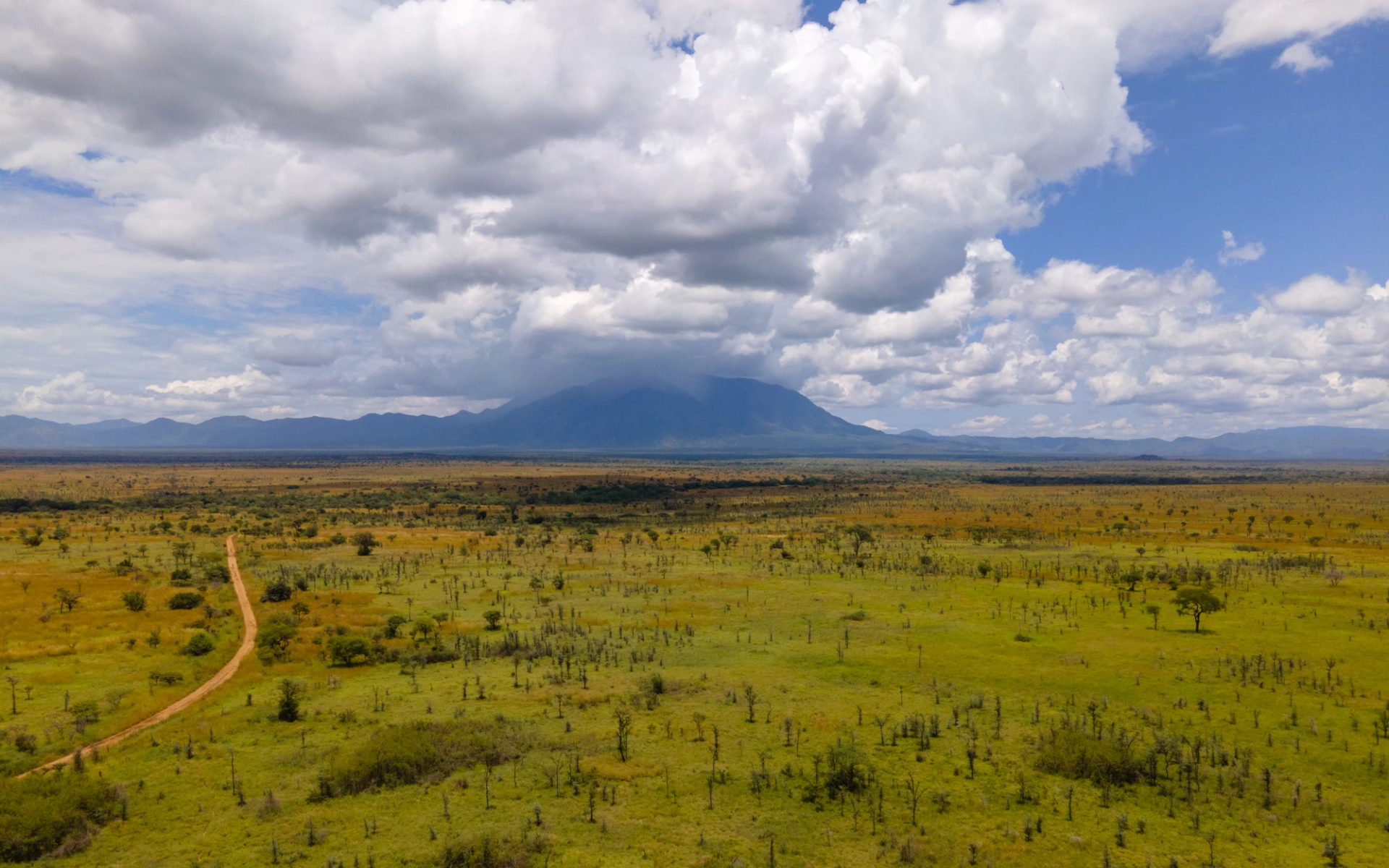
This geographic variety is the reason Uganda earned its long-standing nickname, the “Pearl of Africa” A single country holding rainforest, savanna, wetland, mountain and lake habitats within a few hours’ drive of each other, each supporting different wildlife and offering a genuinely different kind of safari day.
National parks and protected areas
Uganda protects its landscapes and wildlife across ten national parks, each with its own character;
1. Bwindi Impenetrable National Park & Mgahinga Gorilla National Park: These two protect the country’s population of mountain gorillas within dense, high-altitude rainforest.
2. Kibale National Park: Located further north, Kibale is generally considered East Africa‘s leading chimpanzee tracking destination. Its forest is as well home to twelve other primate species.
3. Queen Elizabeth National Park & Murchison Falls National Park: these are the country’s largest parks holding classic savanna wildlife, from elephants and buffalos to lions. Murchison proceeds, with the dramatic point where the Nile forces itself through a gorge barely seven metres wide creating the Legendary Murchison Falls.
4. Uganda is as well home to smaller parks and wildlife reserves like Lake Mburo, Semuliki, Kidepo Valley in the remote northeast, and several dedicated wildlife reserves round out a network that protects a genuinely wide range of habitat for the country’s size.
Wildlife
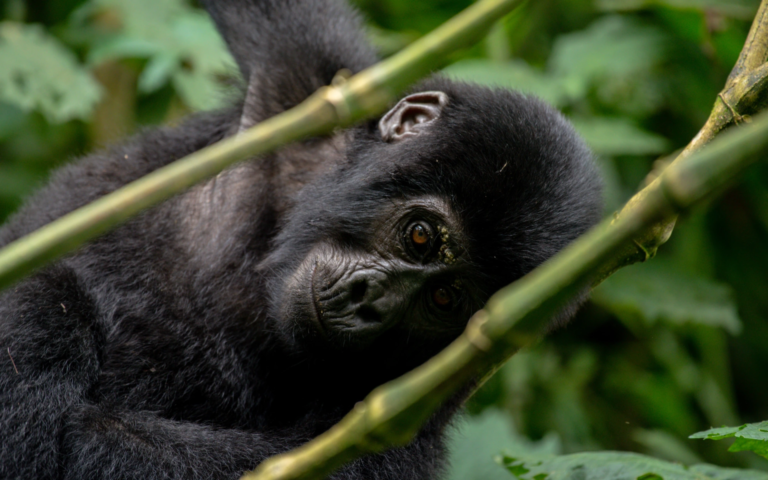
Uganda’s standout wildlife credential is its mountain gorilla population. These gentle but rough primates exist nowhere else on Earth outside the Virunga Massif (shared by Uganda, Rwanda and the DRC) and the separate Bwindi population. Bwindi & Mgahinga parks together hold roughly half of the world’s remaining mountain gorillas, alongside Rwanda’s and DRC’s share of the Virunga population.
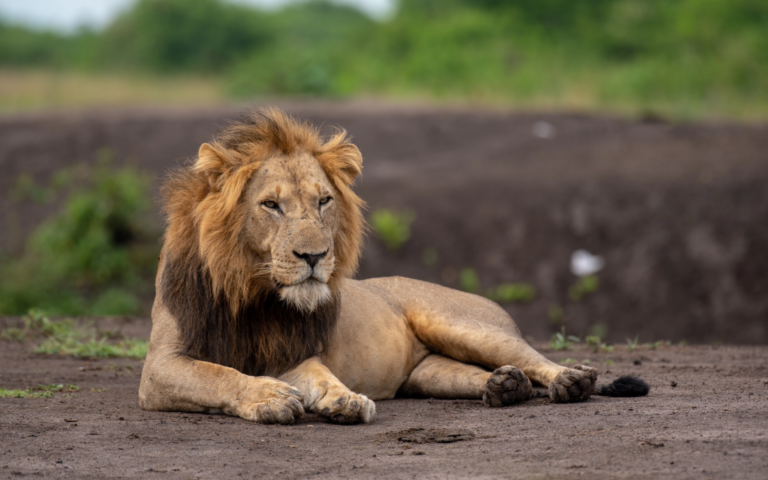
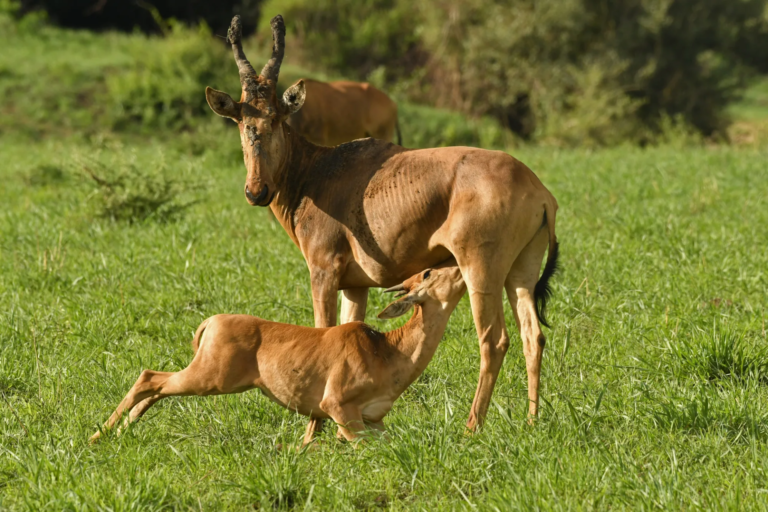
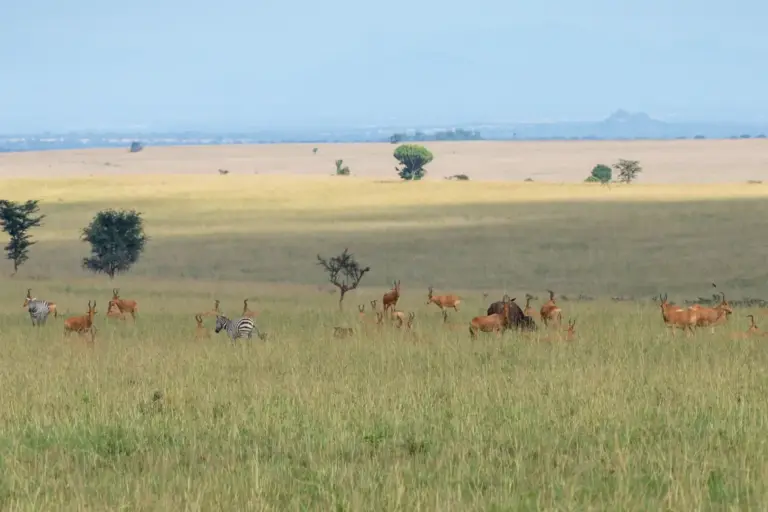
Beyond gorillas, Kibale’s chimpanzee community is one of the best, habituated and most reliably encountered in Africa. The savanna parks hold the more familiar safari wildlife for example elephants, buffaloes, hippos, and Uganda’s particular speciality, the tree-climbing lions in Queen Elizabeth’s Ishasha sector.
Uganda is also one of Africa’s premier birding destinations, with over 1,000 recorded species across its forest, wetland and savanna habitats a genuinely exceptional figure for a country of its size.
Gorilla trekking in detail
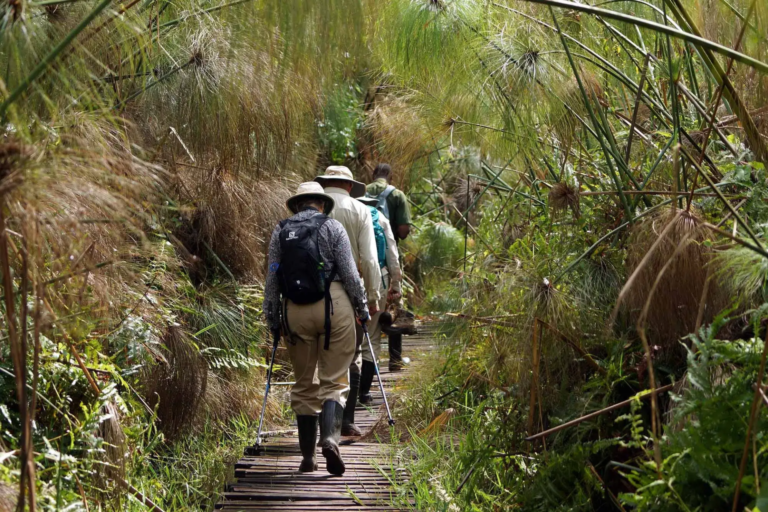
Trekking begins early morning, with a briefing from a park ranger at the different sectors in either Bwindi or Mgahinga. Groups of a maximum of eight visitors only set out with armed rangers and trackers, who have often already located the gorilla families’ approximate position from earlier signs.
The walk itself can take anywhere from under an hour, to most of a day, depending on the movement of the gorillas according to when they were last seen. Through dense, steep and muddy forest terrain, a reasonable level of fitness matters more for gorilla trekking than for most other safari activities.
Porters, hired locally on the morning of the trek, are available to carry trekking luggage while offering a hand on difficult sections; “hiring one is a small cost that directly supports the communities living alongside the park”. This is worth doing regardless of fitness level.
Once a Gorilla family is spotted, visitors spend a strictly enforced one hour in their company. This is done at a minimum distance of 10 metres, before returning the way they came.
Permits are limited and sold in advance, with one gorilla family visited by only one group per day. This is why booking gorilla trekking permits well ahead of travel dates matters more than for most other safari activities.
Beyond gorillas: chimpanzees, tree-climbing lions and the Nile
Chimpanzee tracking in Kibale Forest follows almost a broadly similar format to gorilla trekking. But with more active, often noisier subjects the chimpanzees. These move through the canopy rather than sitting in one place. During encounters, expect more calling, feeding and social interaction to observe.
Kibale also offers a longer, more involved Chimpanzee Habituation Experience for those who want more than the standard hour, following researchers as they work with a community still being accustomed to human visitors.
In Queen Elizabeth National Park‘s Ishasha sector, lions have taken to spending the heat of the day draped in the branches of fig trees. This behavior is uncommon elsewhere in Africa that it draws visitors specifically to this part of the park.
At Murchison Falls, a boat cruise on the Nile below the falls is one of Uganda’s most reliable ways to see hippos, crocodiles and elephants at the water’s edge. Expect a hike to the top of the falls themselves for a view of the river forced through its narrow gorge.
Culture and people
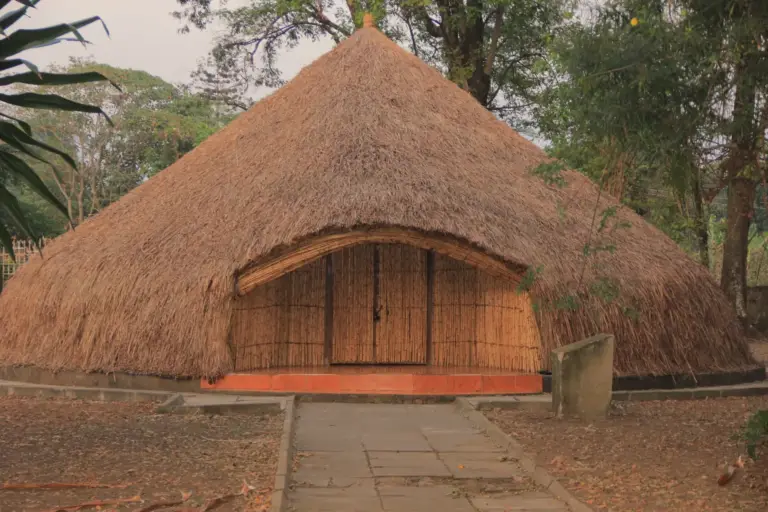
Uganda is home to more than fifty ethnic groups and several traditional kingdoms that retain cultural and ceremonial significance today, including Buganda (the largest, centered around Kampala), Bunyoro, Tooro and Busoga. Each kingdom has its own language, tradition, history and community-based cultural experiences.
Visiting a Batwa community near Bwindi, for instance, whose ancestors lived in the forest before it became a protected park is genuine, and increasingly popular part of a well-rounded Uganda itinerary, alongside the wildlife.
Best time to visit
Uganda sits on the equator so temperatures stay fairly consistent year-round and gorilla trekking is possible in any month since it takes place in rainforest regardless of season. The two drier windows, roughly December to February and June to September are generally the most popular. These offer easier underfoot conditions on forest trails and more reliable savanna game-drive roads.
The wetter months bring lush scenery, fewer other travelers and often lower rates, at the cost of muddier trekking conditions.
Getting there
Most international travellers arrive at Entebbe International Airport, on the shores of Lake Victoria around 40 kilometres south of the capital, Kampala. From Entebbe, Uganda’s parks are reached by road (Bwindi is a full day’s drive from Entebbe, though this is often broken into a more comfortable two-day drive with a stop in the west) or by scheduled domestic flight to airstrips serving the major parks, cutting travel time considerably for shorter itineraries.
Practical travel tips
- The Uganda shilling is the local currency, though US dollars are widely accepted for tourism-related payments including park fees and permits; dollar notes are often expected to be relatively new and undamaged.
- English is an official language and widely spoken, alongside Luganda and many other local languages, so language is rarely a barrier for travellers.
- Domestic flights between Entebbe and the airstrips serving major parks are a practical way to shorten a multi-park itinerary, particularly for travellers with limited time.
- Pack for layers: mornings and evenings in forest and highland areas can be cool, even though daytime temperatures near the equator are consistently warm.
Explore Uganda with Offmap Safaris
Uganda is a Top Destination. Offmap Safaris is fully and prepared to take your in and out Uganda, to all the Top Tourist Sites Uganda has to offer. Explore the various Cultures and Traditions with in Uganda. Taste the food, try the Dances
Plan your safari, message us on WhatsApp +256 701 243 304 or email [email protected]. Please also read our Responsible Travel page.
More about this destination
- Birding in Uganda
- Mountain Gorillas
- Chimpanzees
- Gorilla Permits
- Chimpanzee Permits
- Bwindi's Trekking Sectors
- The River Nile
- Tree-Climbing Lions
