Bwindi Impenetrable National Park, a UNESCO World Heritage Site in southwestern Uganda, is divided into four distinct trekking sectors, each with its own access town, its own habituated gorilla families and its own character. Which sector a permit is issued for genuinely shapes the trekking day, so understanding the four is worth doing before booking.
Buhoma sector
Bwindi’s original and most established sector, in the north of the park, with the widest range of accommodation and generally considered to have some of the more accessible terrain. Buhoma holds several long-habituated families and is a strong choice for first-time trekkers or those preferring an easier underfoot experience.
Ruhija sector
The highest-altitude of the four sectors, on Bwindi’s eastern side, known for cooler temperatures and excellent birding alongside its gorilla families; a good fit for travellers combining gorilla trekking with serious birdwatching.
Rushaga sector
In the south, Rushaga holds the largest number of habituated families of any sector and is the primary location offering gorilla habituation experience permits: several hours with a family still being habituated to human presence, rather than the standard one-hour visit.
Nkuringo sector
Also in the south, Nkuringo is known for dramatic Virunga volcano views and generally steeper terrain than the other sectors, rewarding more active trekkers with some of Bwindi’s most striking scenery.
Choosing a sector
Sector assignment depends on permit availability on your travel dates as much as preference, so we work with whichever sector has availability while matching it as closely as possible to your fitness level, accommodation preference and any specific interest such as habituation experiences or birding.
How Bwindi's sectors work
Bwindi Impenetrable National Park is divided into four trekking sectors, each with its own habituated gorilla families, trailheads and lodges. Your permit is issued for a specific sector, and you cannot change it freely, so choose before you book. The sector affects your drive time, fitness needs and the scenery you see, and it also shapes where you stay.
Getting to each Bwindi sector
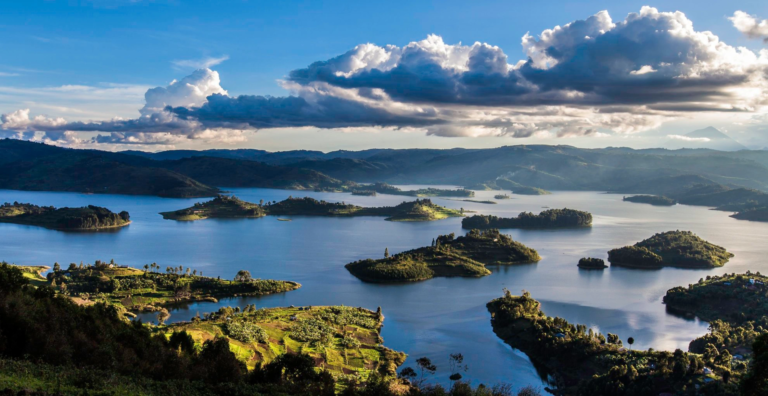
Buhoma, in the north, is reached by a long drive from Kampala or by a flight to Kihihi airstrip, followed by a shorter transfer. Ruhija, in the east, is high in the hills and reached via Kabale. Rushaga and Nkuringo, in the south, are closest to Kisoro and Kabale, and are often reached via Lake Bunyonyi or a flight to Kisoro. Road journeys are long, so plan an overnight stop or take a flight.
Which sector for which traveller?
Buhoma suits first-time trekkers who want convenience and variety of lodges. Ruhija suits birders and travellers who enjoy cool, misty forest at higher altitude. Rushaga suits travellers who want many gorilla families and the habituation experience. Nkuringo suits fit trekkers who enjoy dramatic views and steeper terrain. We match the sector to your fitness and preferences.
Combining sectors with other parks
Buhoma pairs with Queen Elizabeth and Kibale on a northern loop. Rushaga and Nkuringo pair with Lake Bunyonyi, Mgahinga and Queen Elizabeth by way of Ishasha. Ruhija sits on a quieter route between Kabale and Buhoma. See our guide to gorilla trekking in Uganda and our gorilla permits page.
Bwindi weather, trails and fitness
Bwindi is a rainforest, so trails are steep, muddy and slippery at any time of year. Wear sturdy hiking boots, long trousers and gloves, and carry a rain jacket. Porters are available and recommended, and they help with bags, hands on tricky sections and employment in local communities. Your guide sets a pace to suit the group.
Bwindi gorilla families and what to expect
Each sector has several habituated gorilla families, with different group sizes, personalities and territories. The rangers assign families on the morning of the trek, taking into account your fitness and preferences when possible. Some families are close to the trailhead, and others need a long walk. Whatever the distance, the hour with the gorillas is the reward, and the forest itself is a World Heritage Site with its own beauty.
Where to stay in Bwindi
Lodges in each sector range from simple eco-camps to refined retreats with valley views, and many are on the edge of the forest. Choose a lodge close to your trailhead so that your morning start is easy, and consider a rest day before and after the trek. We match lodges to your budget, your sector and the other parks on your route.
Bwindi beyond gorillas
Bwindi also offers community visits with the Batwa, forest walks, birding for Albertine Rift endemics and waterfall hikes. In Buhoma, the Munyaga River waterfall trail and village walks add depth to the trip. See our Bwindi Impenetrable National Park guide and the Batwa cultural experience.
Frequently asked questions about Bwindi's sectors
Travellers often ask whether it is possible to see gorillas in more than one sector. It is, but each trek needs its own permit, and the sectors are far apart, so most travellers choose one or two. Another common question is whether gorillas stay in the same sector all year. The families have home ranges and move through them, so trek distances change from day to day. The best way to prepare is to be fit enough for a longer trek, and to rely on rangers who know each family's movement.
How we choose your sector
We pick the sector from your fitness, budget and lodge preference, then book permits and lodging together so that transfers are short on trek day. Sectors differ in elevation and the distance to gorilla families, so an honest briefing from our team helps you choose. Compare with gorilla trekking in Uganda for the full picture.
Plan your Bwindi gorilla trekking safari
Tell us your travel dates and we’ll secure the right sector and permit. Visit Plan My African Safari, message us on WhatsApp at +256 701 243 304, or email [email protected], or read more on our Gorilla Trekking in Uganda page.