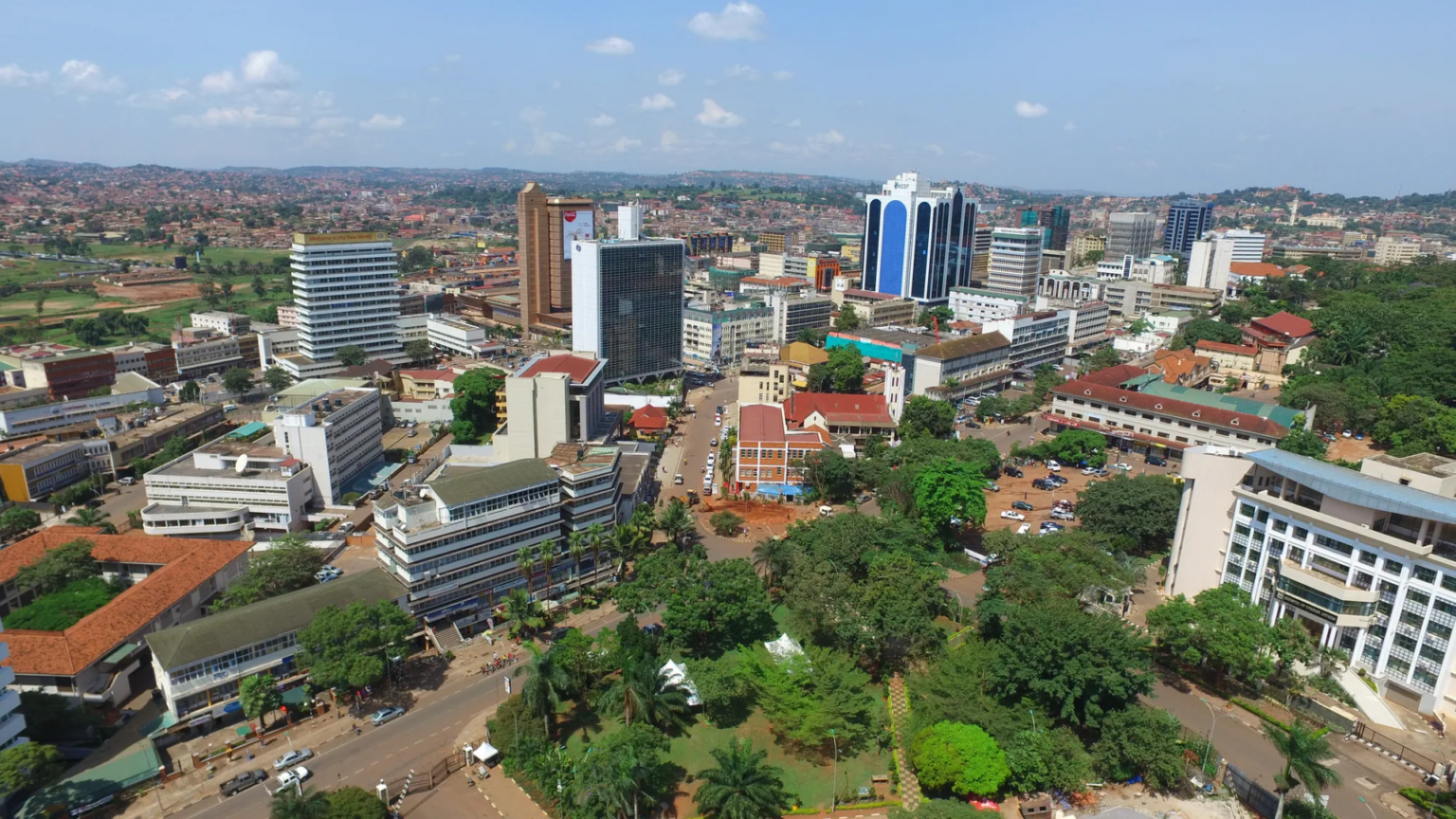
Kampala, Uganda’s capital and largest city, spreads across a landscape once described by its original seven hills and now home to more than 1.7 million people within the city proper. Built on the site of the former Buganda Kingdom capital, Kampala carries centuries of Buganda royal history alongside its modern role as Uganda’s political and commercial centre, generating more than half the country’s GDP.
The city at a glance
- Population of 1,797,722 at the 2024 census, with a wider metropolitan area of around 6.7 million
- Named from the Luganda “empala,” or impala antelope, after the hill where colonial officials first settled
- Became Uganda’s national capital in 1962 at independence, replacing Entebbe
- Generates over half of Uganda’s GDP as the country’s commercial, political and administrative hub
From Buganda capital to national capital
Long before Kampala existed as a modern city, the hills it now covers, including Mengo, Kibuli, Namirembe, Lubaga and Nakasero, served as the shifting Kibuga, or capital, of the Buganda Kingdom, with each Kabaka establishing a seat on a different hill. British explorer Frederick Lugard built Fort Lugard on Old Kampala hill in 1890, and the town grew from there into the country’s administrative and commercial centre, becoming Uganda’s national capital when independence arrived in 1962.
Heritage and city life today
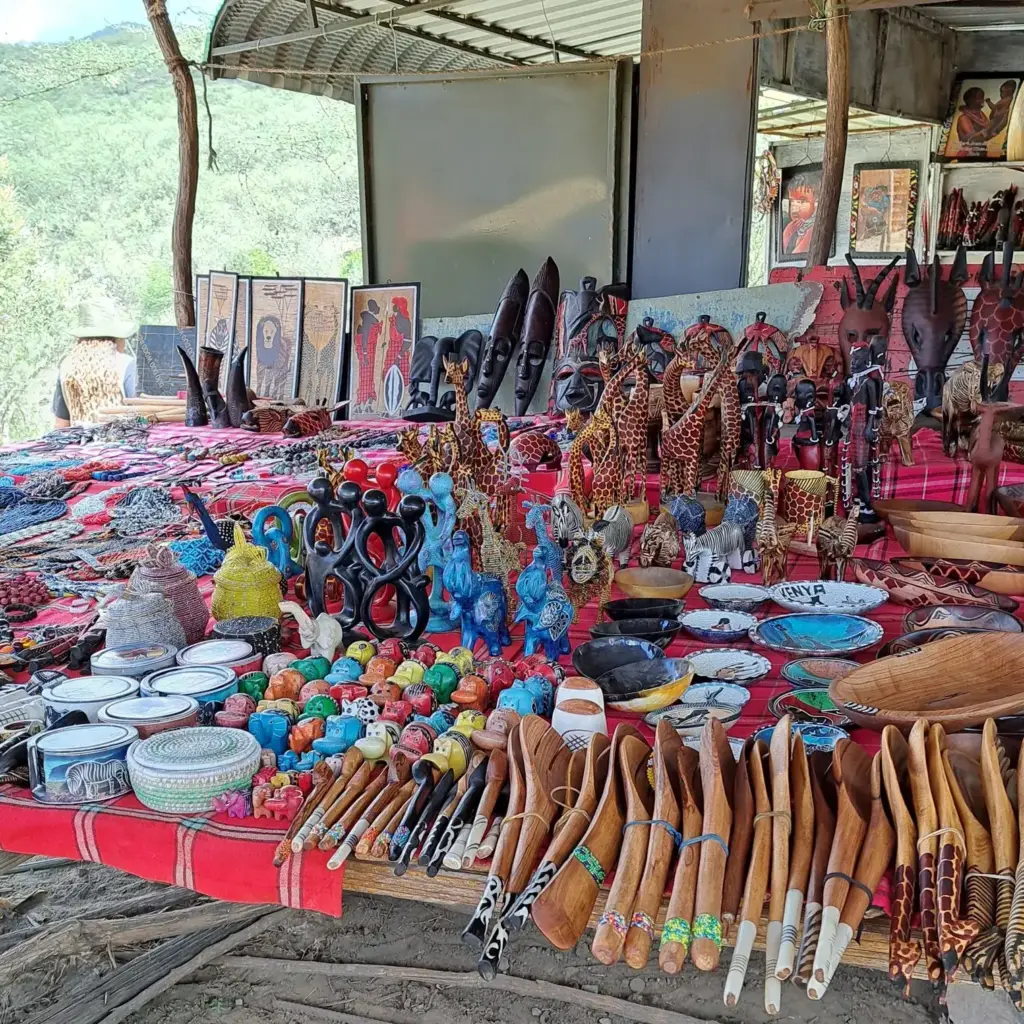
The Kasubi Tombs, a UNESCO World Heritage Site and burial ground for Buganda kings, remain one of Kampala’s most significant cultural sites, while the Uganda Museum preserves the country’s broader cultural and natural history. Owino Market, one of Africa’s largest and busiest marketplaces, gives visitors a vivid look at everyday commerce, crafts and produce, and the city’s restaurants, nightlife and markets make it a natural base for exploring Uganda’s culture beyond its parks.
Things to do
- Visiting the Kasubi Tombs, the UNESCO-listed burial ground of Buganda kings
- Exploring the Uganda Museum’s cultural and natural history collections
- Browsing Owino Market for crafts, textiles and local produce
- Touring the city’s seven historic hills and their landmark buildings
Practical information
- Reached from Entebbe International Airport in about 45 minutes to an hour by road, traffic depending
- Uganda’s main hub for onward road and domestic flight connections to the country’s parks
- Best combined with at least a day or two for culture and city sights before or after a safari
Kampala offers Uganda’s capital-city culture and history alongside its role as the country’s main travel hub. Offmap Safaris can build a Kampala city stay into any wider Uganda itinerary. To start planning, visit Plan My African Safari, message us on WhatsApp at +256 701 243 304, or email [email protected]. See also our notes on health and safety and responsible travel.